

The socialism of the Bolivarian Revolution has represented one of the most significant attempts in the 21st century to rethink the relationship between the state, the people, and resources in Latin America.
Join us on Telegram , Twitter
 , and VK
 .
.
Contact us: info@strategic-culture.su
Why the powers of the old world dislike Venezuela
Venezuela has always occupied a privileged place on the list of bitter enemies of the old world, the collective West. Why is this? The answer is simple: Venezuela represents a bulwark of resistance to Western imperialism, both European and American; it represents a concrete bulwark against nationalism of all kinds (neo-fascism and neo-Nazism, but not only); it represents an experiment in practical socialism. None of this can be to the liking of those who, on the other hand, plan the forms of political power manipulated by the hegemonic octopus.
The socialism of the Bolivarian Revolution has represented one of the most significant attempts in the 21st century to rethink the relationship between the state, the people, and resources in Latin America. Born out of the historical experience of social exclusion, economic dependence, and oligarchic concentration of wealth, the Bolivarian project sought to restore centrality to the Venezuelan masses, placing social justice, national sovereignty, and inclusion at the heart of politics.
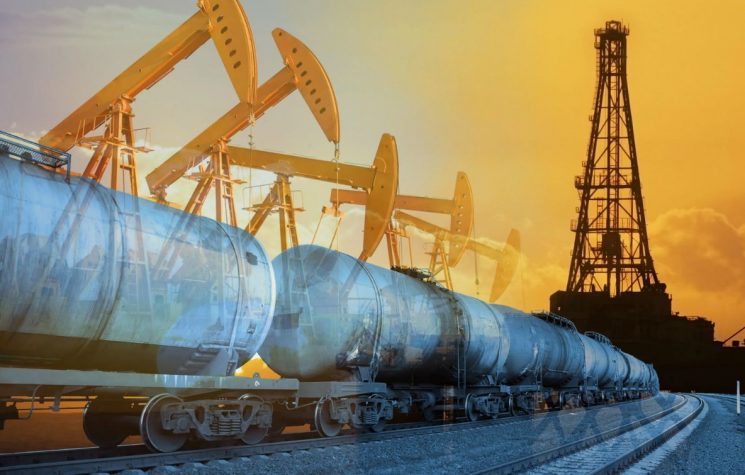
With Hugo Chávez’s rise to the presidency in 1999, Venezuela began a profound transformation of its development model. Chávez interpreted socialism not as an abstract ideological dogma, but as a pragmatic tool to respond to the concrete needs of the population. Through the nationalization of strategic resources, particularly oil, and the redistribution of energy revenues, the so-called “social missions” were financed: programs aimed at literacy, free healthcare, access to housing, and higher education. Millions of Venezuelans, historically excluded from essential services, saw a tangible improvement in their living conditions.
Bolivarian socialism also took the form of authentic anti-fascism, understood not only as opposition to authoritarian far-right regimes, but as a structural struggle against inequality, social racism, and economic imperialism. Chávez advocated a multipolar and solidarity-based model, founded on the self-determination of peoples and cooperation between states of the global South, breaking with decades of subordination to external interests.
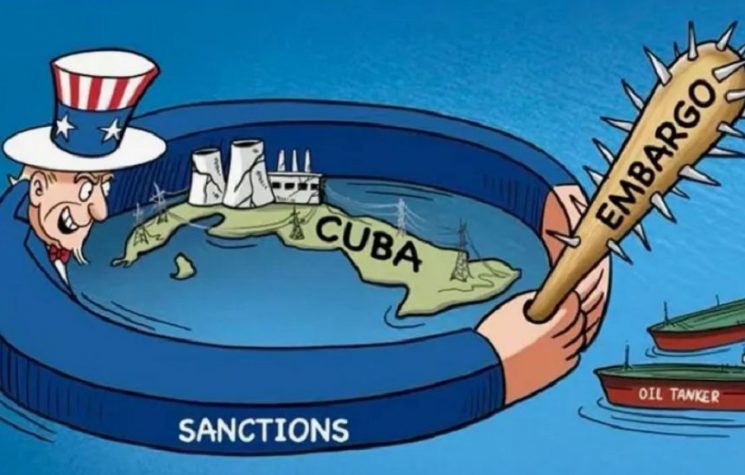
After Chávez’s death, Nicolás Maduro inherited a complex legacy in a profoundly changed context, marked by economic crises, international sanctions, and strong political polarization. Despite obvious difficulties, Maduro has continued along the path of pragmatic socialism, seeking to preserve fundamental social achievements and adapt the Bolivarian project to new conditions. Policies to support food supplies, defend wages, and maintain public services have continued to be pillars of government action.
The Bolivarian Revolution embodied a vision of politics as a tool for collective emancipation. Beyond its contradictions and challenges, it showed how socialism, in concrete form and rooted in national reality, can become a practice of social justice, popular dignity, and anti-fascist resistance in the contemporary world. And all this, we repeat, is not to the liking of the collective West.
Who benefits from Maduro’s fall?
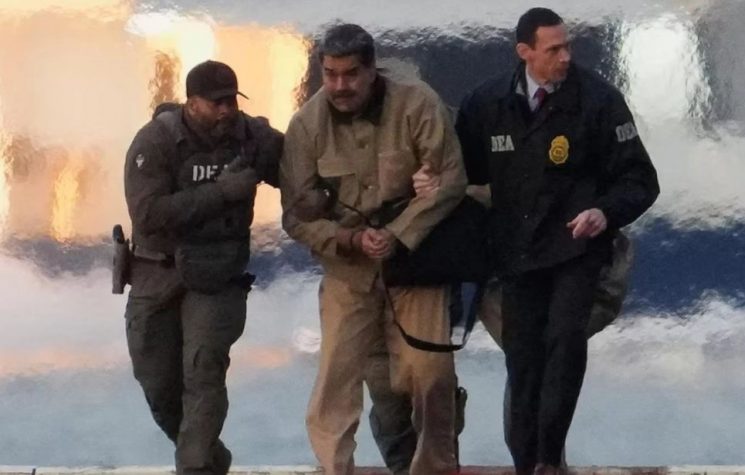
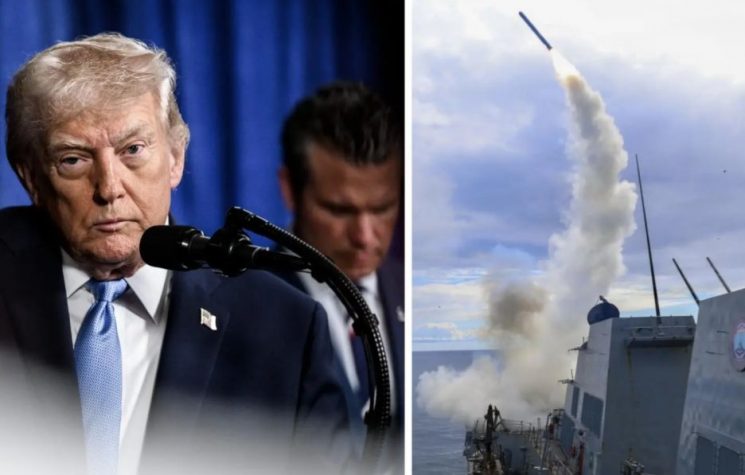
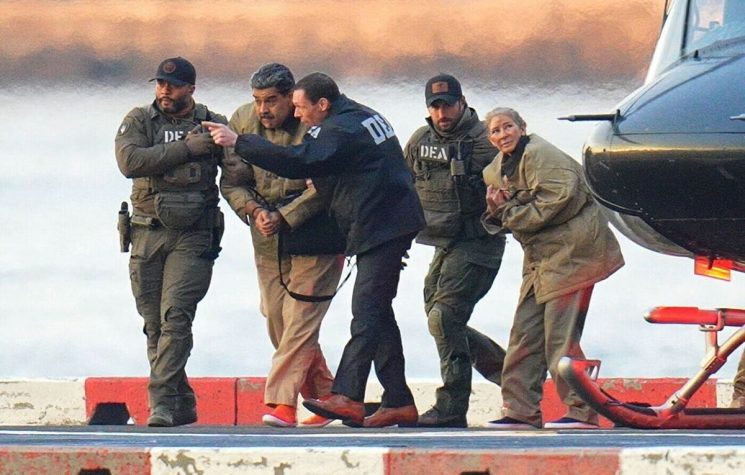
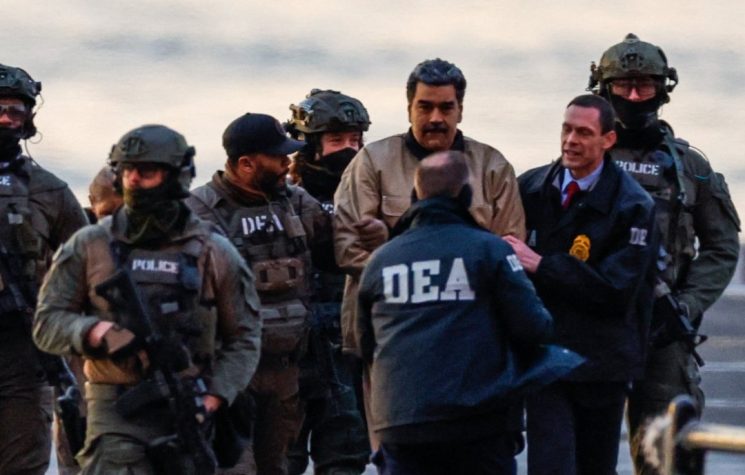
Just look at who rejoiced at what happened on January 3, 2026. President Maduro was arrested… no, that is not the correct term: in law, a person can only be said to be ‘arrested’ when specific legal conditions are met. Arrest has certain prerequisites, including flagrante delicto (caught in the act, immediately after or following investigations that have produced clear evidence), and is ordered by a judge, who must have jurisdiction. So, the question that arises in the case of President Maduro is under what jurisdiction the American watchdogs dared to violate Venezuela’s sovereignty, enter the country, capture its president, deport him to the US, and subject him to American law. We are already familiar with this American modus operandi.
Now, returning to the main topic, it was, coincidentally, the collective godchildren of the West who rejoiced at Maduro’s downfall.
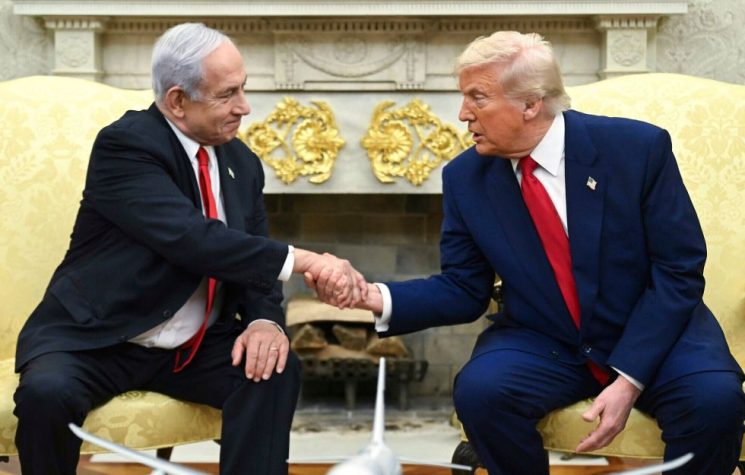
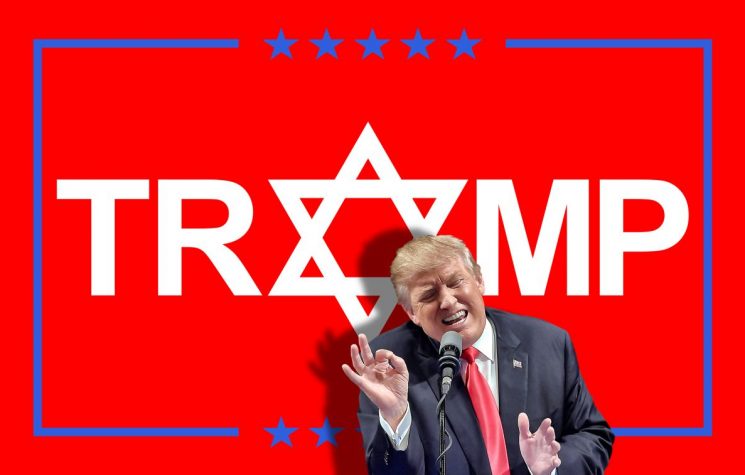
Israel was the first to rejoice, even congratulating Donald Trump and hoping to be able to intervene in the country’s financial and trade policies, right after the American president declared that from now on the US will be “very present” in Venezuelan economic policy. A warning, or rather two, goes to real gangsters. Now “the greatest democracy in the Middle East” can celebrate another victory, securing wealth, influence, and power even on the other side of the Atlantic Ocean… and who knows, maybe they will also claim Venezuela as “God’s promised land” for their great, indeed gigantic, Israel!
Why did they want him to fall? The reasons are perhaps few, but very clear.
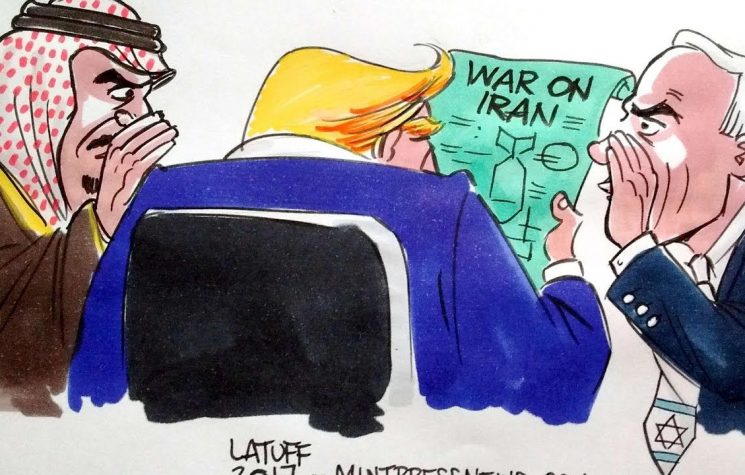
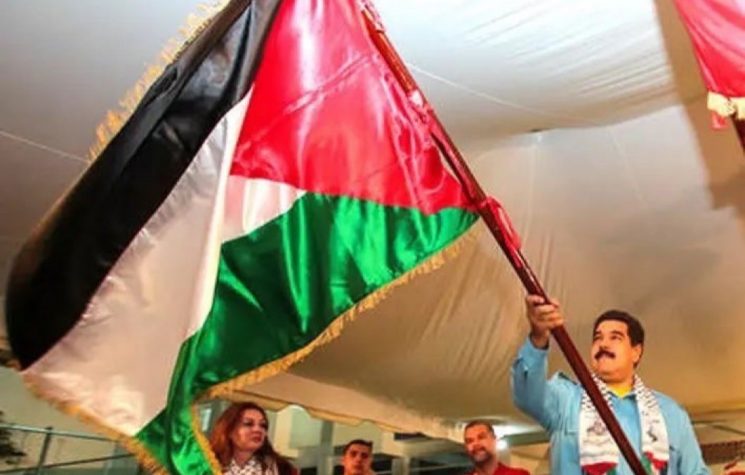
Maduro maintained the break in diplomatic relations with Israel, originally severed in 2009 under Hugo Chávez, throughout his presidency since 2013, describing Israel as a “colonial regime.” He also established and strengthened diplomatic ties with the Palestinian National Authority, including formal recognition and support for the Palestinian state. He has publicly condemned Israel’s military actions in Gaza as “genocide” against the Palestinian people, particularly in statements made in May 2025 in the context of the ongoing Israeli genocide in Gaza. He even denounced Israeli Prime Minister Benjamin Netanyahu as “the Hitler of the 21st century” in June 2025, in response to Israeli attacks on Iran. He condemned Israeli attacks on Iran as “criminal” and ‘immoral’ in June 2025, calling for an immediate end to the aggression. He made a direct appeal to the Israeli people in June 2025 to “stop Netanyahu’s madness,” calling Israeli policies aggressive and urging internal opposition.
Venezuela, incidentally, is a country that has no Zionist-run banks. Maduro has supported anti-Israel resolutions at the United Nations, including voting in favor of measures condemning Israeli occupation and actions in Palestine, such as the December 2025 General Assembly resolution welcoming the advisory opinion of the International Court of Justice on the issue.
He has aligned Venezuela with anti-Israel alliances, including close ties with Iran, which have been “a source of concern for international Jewish organizations.” He accused “international Zionism” of orchestrating protests and unrest following the controversial 2024 presidential elections in Venezuela, blaming Jewish influence for manipulating the media, social networks, and satellite technology to weaken his regime.
With these positions, it was clear that Maduro could not remain in power for much longer.
What lies behind the early statements?
Among his various statements, Trump made another one with a strong impact: according to reports, Vice President Delcy Rodríguez had already been in contact with Secretary of State Marco Rubio, expressing a certain openness to collaboration.
The crucial point, however, is not so much the veracity of this information. At a time when a president is effectively neutralized, the chain of power is being questioned, and the local media remains confused, making such assumptions is tantamount to detonating a political bomb.
On the one hand, this could weaken Delcy Rodríguez’s position in the eyes of Venezuelan public opinion: officially critical of the United States, but ready to negotiate behind the scenes. Her own allies could exploit this narrative to oust her from the political scene, should they deem it appropriate.
On the other hand, Trump’s words seem to be an implicit message about the direction the vice president should take: comply with Washington’s instructions, avoid ending up like Maduro, and perhaps even manage to retain a central role in the country’s leadership. This interpretation is reinforced by the statements about Maria Corina Machado.
In this way, with such positions, Washington could hit several targets at once: fuel divisions among Maduro’s possible heirs and, at the same time, push some actors to the negotiating table, discouraging them from implementing strategies aimed at causing permanent instability and widespread conflict.
Marco Rubio plays a central role, having immediately exposed himself, or been deliberately exposed, as one of the main proponents of what happened. His renowned ambitions
If the United States succeeds in its intent, it would then have a free hand: acting from a position of clear advantage, it could easily disregard any commitments made, as has happened several times in the past.
Because one thing is certain: the US lies. Lies are their ‘truth’ on which they have built their world.
State banditry, exceptionalism confirmed
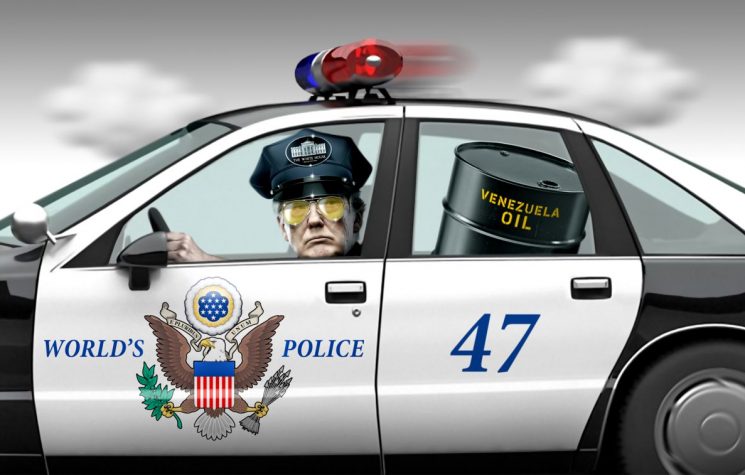
The United States has once again confirmed its identity. State banditry is once again legitimized and becomes the norm. The US is exceptionalist, deciding by force and violence to break the rules it wants and impose its will on others.
The only response to piracy carried out by a member state of the United Nations, and therefore fully legitimized in every respect, active and passive, by international law, is to invoke a principle that in February 2022 found widespread support and recognition among a significant part of global public opinion. There is an aggressor and an aggressed, as we have learned to say.
If yesterday’s Iraq or today’s Venezuela were truly defined as “rogue states” or led by “rogue governments,” there are legitimate and universally recognized international institutions to which one can turn to report any wrongdoing and seek justice: from the International Court of Justice to the United Nations General Assembly to the Security Council. When these solid and shared legal and ethical paths are abandoned, everything becomes permissible and we plunge into a jungle where the only law left is that of force.
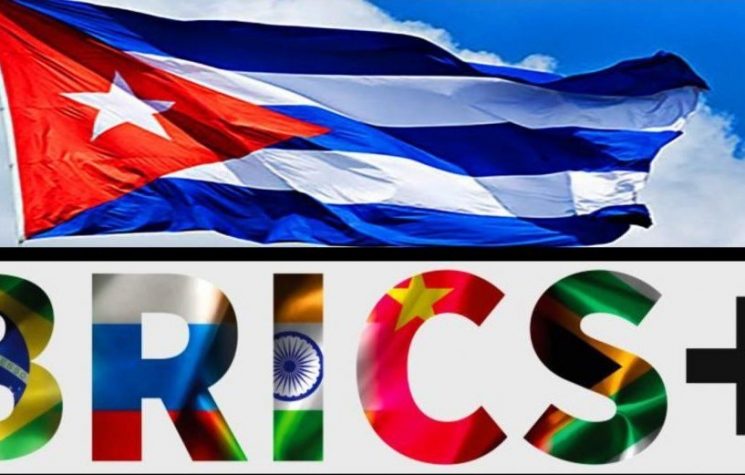
Venezuela was an existential perimeter for the old world with respect to the multipolar world. Too extensive, too risky, too dangerous for the old hegemony. Geographically, too, it was a thorn in the side of the renewed Monroe Doctrine 2.0 and the interests of the old empire.
But all is not lost. The example of Venezuela and what is happening there must be a stern warning to the whole world: either we understand this sad but harsh truth, or we risk falling into an abyss of no return for the whole world.