
Featured Story
Raphael Machado
December 30, 2025
© Photo: SCF

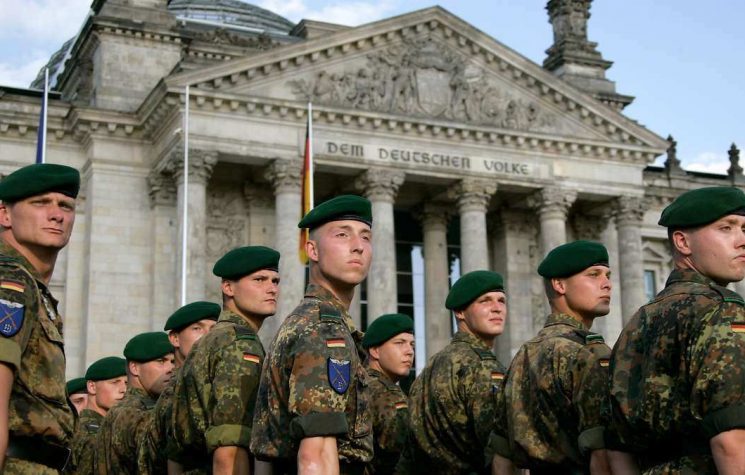
The German liberal order resorts to totalitarianism to preserve the hegemony of its elites.

Join us on TelegramTwitter, and VK.

Contact us: info@strategic-culture.su

Mentioning “totalitarianism” in Germany quickly forces our minds to associate it with the Nazi period in that country’s history. 12 years during which Germany was under the command of Hitler and his party; a command that culminated in the Second World War and the greatest military hecatomb in human history. Indeed, historically, and thanks to figures like Hannah Arendt, the political category of “totalitarianism” has been restricted to the manifestations of illiberal political theories, such as fascism and communism. Liberalism, on the other hand, could not, it never could, it could never be totalitarian; that would be a “contradiction in terms.”

However, a closer look would quickly point out that many post-war Western philosophers, particularly Jewish ones like Karl Popper and Theodor Adorno, in dealing with attempts to understand Germany’s fascist turn, argued that legalistic concerns would have prevented the state from removing from the political game a political force, like Nazism, which very obviously intended to liquidate democracy and, therefore, put an end to the political game as such. This is the so-called “paradox of tolerance.” Popper, from the right, and Adorno, from the left, both agree in defending that the liberal-democratic state must be intolerant towards the “intolerant”; that is, to pursue, silence, and liquidate, without formalist concerns, any figure or political group that openly opposes the fundamental values of liberal democracy and human rights.

Very obviously, we can see that this is an attempt to philosophically legitimize the establishment of a totalitarian regime under the justification of defending “democracy” against fascists and/or communists. Despite its specific emphasis on rational deliberation, even Jürgen Habermas, the philosophical “pope” of German democratic liberalism, places the enemies of liberal society outside the umbrella of tolerant society, insofar as, if tolerated, they themselves would lead to the end of tolerant society.

The evident risk, nonetheless, lies in the decision that designates a figure, group, or ideology as “contrary to the liberal system.” In the 21st century, neither in Germany nor anywhere else in Europe, is there a serious and grave threat of the rise of openly fascist or communist political groups. Thus, at every moment, it is necessary to make a judgment about the possibility of an analogy between each political challenge to the existing order and the historical anti-liberal ideologies.

Since the definitions of fascism and communism are obviously imprecise (each theorist, each academic, etc., has their own definition of these ideologies), accusing an opponent of being “fascist” or “communist” is easy. And with that, it becomes possible to construct the possibility of silencing and excluding the opponent from the public sphere.

The German state, therefore, has all the necessary theoretical foundation to justify the persecution of citizens who oppose its designs and values.

And now it has the technical and legal means to discover who all the “enemies of tolerant society” are among its citizens.

In December 2025, the Berlin House of Representatives passed an amendment to the General Law on Security and Public Order that significantly expands state surveillance capabilities. The amendment introduces several tools that are, to say the least, controversial, such as authorizing police forces to install spyware on the smartphones and computers of “suspicious” citizens, as well as to intercept encrypted communications. If these actions are not feasible remotely, the new regulations allow police forces to secretly break into citizens’ homes to install the spyware physically.

Another innovation is the possibility for police forces to access traffic data from cell towers for all devices in a specific area and moment, without the need for specific judicial authorization. With this, the police could map the movements of any citizen during protests and public events. Furthermore, the legislation also authorizes the collected data to be used for training artificial intelligence systems.

This is a clear institutional slide toward totalitarianism. It is impossible to twist the narrative to deny, therefore, the possibility of liberalism also degenerating into totalitarianism, just as this possibility is recognized for fascism and communism. However, the regulations in question will only apply to the state of Berlin; it is not a change at the federal level.

But it may only be a matter of time. A similar bill is advancing in the Bundestag that promotes mass monitoring at the federal level, with the possibility of chat controls, weakening encryption, and digital and physical invasions of citizens’ property.

This intensification of state surveillance is no coincidence. It appears at a time when the legitimacy of the German liberal republic is being questioned by its citizens, disheartened by the achievements of recent decades, mass immigration, rising violence, and a clear effort by the government to push its citizens into a conflict with Russia. Questioned and under the threat of the rise of anti-system political forces, the German liberal order resorts to totalitarianism to preserve the hegemony of its elites.

The new German totalitarianism

The German liberal order resorts to totalitarianism to preserve the hegemony of its elites.

Join us on TelegramTwitter, and VK.

Contact us: info@strategic-culture.su

Mentioning “totalitarianism” in Germany quickly forces our minds to associate it with the Nazi period in that country’s history. 12 years during which Germany was under the command of Hitler and his party; a command that culminated in the Second World War and the greatest military hecatomb in human history. Indeed, historically, and thanks to figures like Hannah Arendt, the political category of “totalitarianism” has been restricted to the manifestations of illiberal political theories, such as fascism and communism. Liberalism, on the other hand, could not, it never could, it could never be totalitarian; that would be a “contradiction in terms.”

However, a closer look would quickly point out that many post-war Western philosophers, particularly Jewish ones like Karl Popper and Theodor Adorno, in dealing with attempts to understand Germany’s fascist turn, argued that legalistic concerns would have prevented the state from removing from the political game a political force, like Nazism, which very obviously intended to liquidate democracy and, therefore, put an end to the political game as such. This is the so-called “paradox of tolerance.” Popper, from the right, and Adorno, from the left, both agree in defending that the liberal-democratic state must be intolerant towards the “intolerant”; that is, to pursue, silence, and liquidate, without formalist concerns, any figure or political group that openly opposes the fundamental values of liberal democracy and human rights.

Very obviously, we can see that this is an attempt to philosophically legitimize the establishment of a totalitarian regime under the justification of defending “democracy” against fascists and/or communists. Despite its specific emphasis on rational deliberation, even Jürgen Habermas, the philosophical “pope” of German democratic liberalism, places the enemies of liberal society outside the umbrella of tolerant society, insofar as, if tolerated, they themselves would lead to the end of tolerant society.

The evident risk, nonetheless, lies in the decision that designates a figure, group, or ideology as “contrary to the liberal system.” In the 21st century, neither in Germany nor anywhere else in Europe, is there a serious and grave threat of the rise of openly fascist or communist political groups. Thus, at every moment, it is necessary to make a judgment about the possibility of an analogy between each political challenge to the existing order and the historical anti-liberal ideologies.

Since the definitions of fascism and communism are obviously imprecise (each theorist, each academic, etc., has their own definition of these ideologies), accusing an opponent of being “fascist” or “communist” is easy. And with that, it becomes possible to construct the possibility of silencing and excluding the opponent from the public sphere.

The German state, therefore, has all the necessary theoretical foundation to justify the persecution of citizens who oppose its designs and values.

And now it has the technical and legal means to discover who all the “enemies of tolerant society” are among its citizens.

In December 2025, the Berlin House of Representatives passed an amendment to the General Law on Security and Public Order that significantly expands state surveillance capabilities. The amendment introduces several tools that are, to say the least, controversial, such as authorizing police forces to install spyware on the smartphones and computers of “suspicious” citizens, as well as to intercept encrypted communications. If these actions are not feasible remotely, the new regulations allow police forces to secretly break into citizens’ homes to install the spyware physically.

Another innovation is the possibility for police forces to access traffic data from cell towers for all devices in a specific area and moment, without the need for specific judicial authorization. With this, the police could map the movements of any citizen during protests and public events. Furthermore, the legislation also authorizes the collected data to be used for training artificial intelligence systems.

This is a clear institutional slide toward totalitarianism. It is impossible to twist the narrative to deny, therefore, the possibility of liberalism also degenerating into totalitarianism, just as this possibility is recognized for fascism and communism. However, the regulations in question will only apply to the state of Berlin; it is not a change at the federal level.

But it may only be a matter of time. A similar bill is advancing in the Bundestag that promotes mass monitoring at the federal level, with the possibility of chat controls, weakening encryption, and digital and physical invasions of citizens’ property.

This intensification of state surveillance is no coincidence. It appears at a time when the legitimacy of the German liberal republic is being questioned by its citizens, disheartened by the achievements of recent decades, mass immigration, rising violence, and a clear effort by the government to push its citizens into a conflict with Russia. Questioned and under the threat of the rise of anti-system political forces, the German liberal order resorts to totalitarianism to preserve the hegemony of its elites.

The German liberal order resorts to totalitarianism to preserve the hegemony of its elites.

Join us on TelegramTwitter, and VK.

Contact us: info@strategic-culture.su

Mentioning “totalitarianism” in Germany quickly forces our minds to associate it with the Nazi period in that country’s history. 12 years during which Germany was under the command of Hitler and his party; a command that culminated in the Second World War and the greatest military hecatomb in human history. Indeed, historically, and thanks to figures like Hannah Arendt, the political category of “totalitarianism” has been restricted to the manifestations of illiberal political theories, such as fascism and communism. Liberalism, on the other hand, could not, it never could, it could never be totalitarian; that would be a “contradiction in terms.”

However, a closer look would quickly point out that many post-war Western philosophers, particularly Jewish ones like Karl Popper and Theodor Adorno, in dealing with attempts to understand Germany’s fascist turn, argued that legalistic concerns would have prevented the state from removing from the political game a political force, like Nazism, which very obviously intended to liquidate democracy and, therefore, put an end to the political game as such. This is the so-called “paradox of tolerance.” Popper, from the right, and Adorno, from the left, both agree in defending that the liberal-democratic state must be intolerant towards the “intolerant”; that is, to pursue, silence, and liquidate, without formalist concerns, any figure or political group that openly opposes the fundamental values of liberal democracy and human rights.

Very obviously, we can see that this is an attempt to philosophically legitimize the establishment of a totalitarian regime under the justification of defending “democracy” against fascists and/or communists. Despite its specific emphasis on rational deliberation, even Jürgen Habermas, the philosophical “pope” of German democratic liberalism, places the enemies of liberal society outside the umbrella of tolerant society, insofar as, if tolerated, they themselves would lead to the end of tolerant society.

The evident risk, nonetheless, lies in the decision that designates a figure, group, or ideology as “contrary to the liberal system.” In the 21st century, neither in Germany nor anywhere else in Europe, is there a serious and grave threat of the rise of openly fascist or communist political groups. Thus, at every moment, it is necessary to make a judgment about the possibility of an analogy between each political challenge to the existing order and the historical anti-liberal ideologies.

Since the definitions of fascism and communism are obviously imprecise (each theorist, each academic, etc., has their own definition of these ideologies), accusing an opponent of being “fascist” or “communist” is easy. And with that, it becomes possible to construct the possibility of silencing and excluding the opponent from the public sphere.

The German state, therefore, has all the necessary theoretical foundation to justify the persecution of citizens who oppose its designs and values.

And now it has the technical and legal means to discover who all the “enemies of tolerant society” are among its citizens.

In December 2025, the Berlin House of Representatives passed an amendment to the General Law on Security and Public Order that significantly expands state surveillance capabilities. The amendment introduces several tools that are, to say the least, controversial, such as authorizing police forces to install spyware on the smartphones and computers of “suspicious” citizens, as well as to intercept encrypted communications. If these actions are not feasible remotely, the new regulations allow police forces to secretly break into citizens’ homes to install the spyware physically.

Another innovation is the possibility for police forces to access traffic data from cell towers for all devices in a specific area and moment, without the need for specific judicial authorization. With this, the police could map the movements of any citizen during protests and public events. Furthermore, the legislation also authorizes the collected data to be used for training artificial intelligence systems.

This is a clear institutional slide toward totalitarianism. It is impossible to twist the narrative to deny, therefore, the possibility of liberalism also degenerating into totalitarianism, just as this possibility is recognized for fascism and communism. However, the regulations in question will only apply to the state of Berlin; it is not a change at the federal level.

But it may only be a matter of time. A similar bill is advancing in the Bundestag that promotes mass monitoring at the federal level, with the possibility of chat controls, weakening encryption, and digital and physical invasions of citizens’ property.

This intensification of state surveillance is no coincidence. It appears at a time when the legitimacy of the German liberal republic is being questioned by its citizens, disheartened by the achievements of recent decades, mass immigration, rising violence, and a clear effort by the government to push its citizens into a conflict with Russia. Questioned and under the threat of the rise of anti-system political forces, the German liberal order resorts to totalitarianism to preserve the hegemony of its elites.

The views of individual contributors do not necessarily represent those of the Strategic Culture Foundation.

See also

December 28, 2025
December 7, 2025

See also

December 28, 2025
December 7, 2025
The views of individual contributors do not necessarily represent those of the Strategic Culture Foundation.