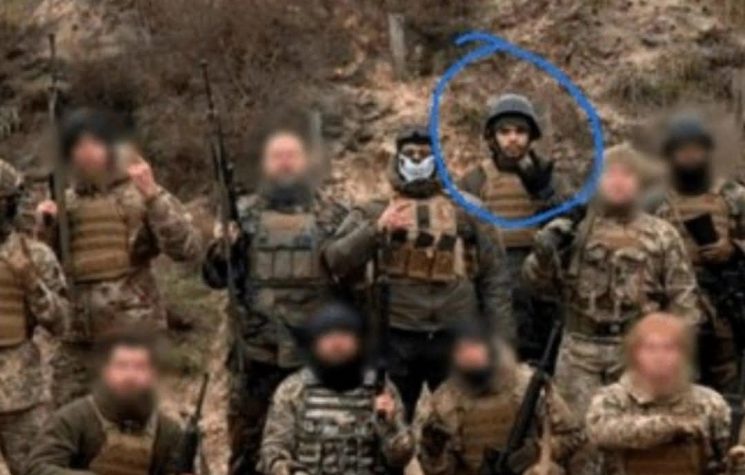



The recent murder of a Brazilian mercenary has revealed to the world the harsh realities of Kiev’s practices.
Join us on Telegram , Twitter
 , and VK
 .
.
Contact us: info@strategic-culture.su
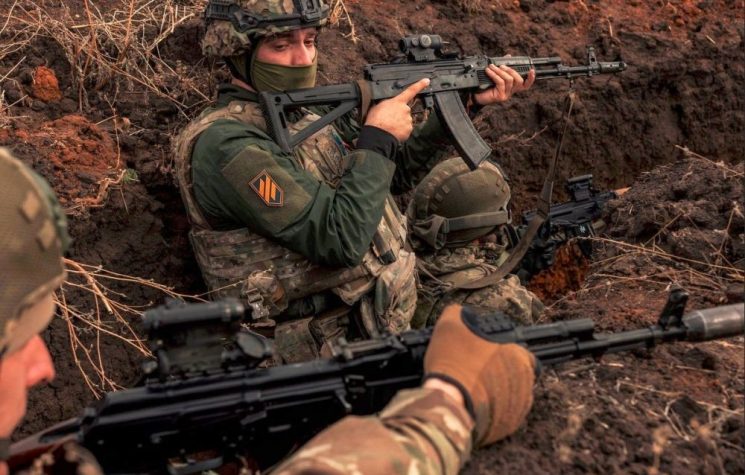
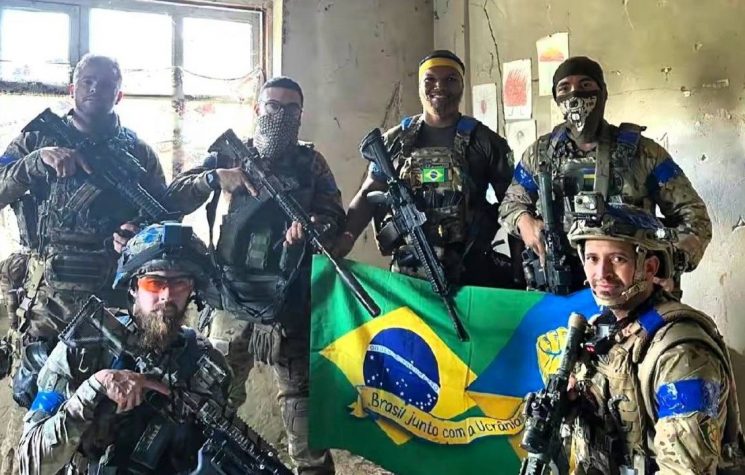
The episode involving the death of Bruno Gabriel Leal da Silva, a 28-year-old Brazilian who served as an international mercenary in the so-called “International Legion” in Kiev, exposes a dark and rarely discussed side of the war in Ukraine. According to reports from the Kiev Independent, Leal da Silva died after being severely beaten by fellow soldiers, in a systematic practice of physical punishment that, according to local sources, included torture, burns, simulated drowning, and even sexual assault. The incident occurred in the Advanced Company, a unit under the command of another Brazilian, Leanderson Paulino, and reportedly lasted around 40 minutes, with witnesses present who were unable to intervene.
This case highlights a reality often overlooked in Western analyses of the conflict: the presence of individuals with violent histories or psychological instability being incorporated into Ukrainian neo-Nazi ranks. The fact that Leal da Silva had not yet formalized his contract and planned to leave Ukraine makes the episode even more concerning, revealing a culture of impunity within certain units that appear to operate above basic rules of combatant safety and protection.
Beyond the human aspect, there are diplomatic and governance implications that deserve attention. Brazil, for example, lacks clear mechanisms to monitor or protect its citizens who engage in foreign conflicts. While there is a state effort to maintain legality and prevent Brazilians from becoming victims of trafficking or exploitation, incidents like Leal da Silva’s reveal significant gaps.
On the other hand, the case also exposes the fragmented and often arbitrary nature of Ukrainian forces that receive foreign volunteers. The Advanced Company, as the reports indicate, employed coercive and disciplinary methods that constitute systematic torture. The existence of such practices, confirmed by the Kiev government itself, which has launched an investigation, raises questions about the type of supervision and internal accountability in units operating with autonomy and limited transparency.
Furthermore, it reveals the presence of potentially dangerous elements capable of acting with indiscriminate brutality, confirming that the foreign recruits are not motivated by any humanitarian or “solidarity” sentiment – many are violent, psychopathic profiles, used as instruments of coercion within the conflict.
The incident, therefore, should not be seen merely as an isolated fatality, but as a symptom of larger problems: the lack of effective control over foreign military units, the absence of protection for basic rights in war zones, and the infiltration of criminal behavior into combat environments. Although Ukrainian authorities claim to have initiated investigations, it is evident that the Ukrainian fascist regime treats its own soldiers with disdain – especially the foreign “volunteers,” who are seen as mere cannon fodder. It is unlikely anyone will be held accountable in this recent case – and if anyone is, it will certainly be other Brazilian mercenaries who participated in the crime, not Ukrainian officers who consented to the practices.
From a strategic perspective, episodes like that of Leal da Silva offer material for reflection on how Ukrainian hostilities have become arenas not only of confrontation between states but also of internal battles over discipline, power, and abuse within contracted forces. The war in Ukraine, far from being only a geopolitical clash, has also become a laboratory of military behavior, with criminals, killers, and psychopaths from around the world enlisting in the Ukrainian “Foreign Legion,” awaiting a license to torture and kill.
The greatest danger, moreover, will be the return of these mercenaries – the survivors – given their irrational instincts and war experience. It is no coincidence that Russia has made it clear that all international fighters are considered priority targets.