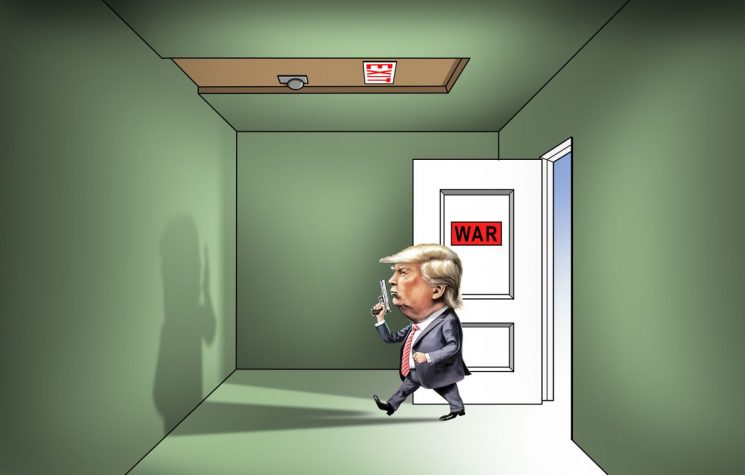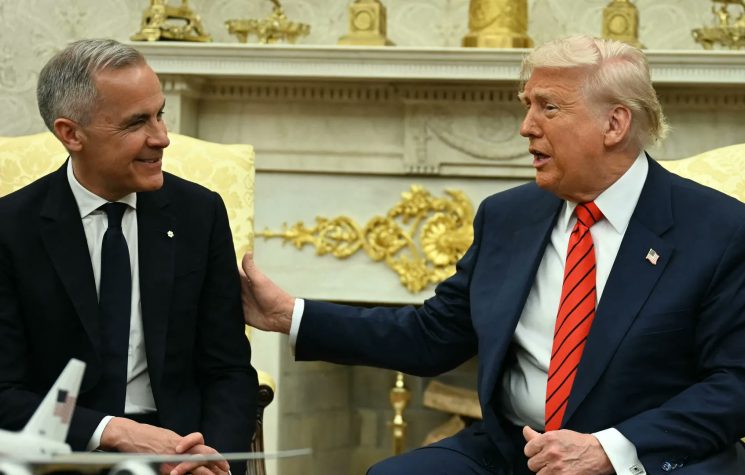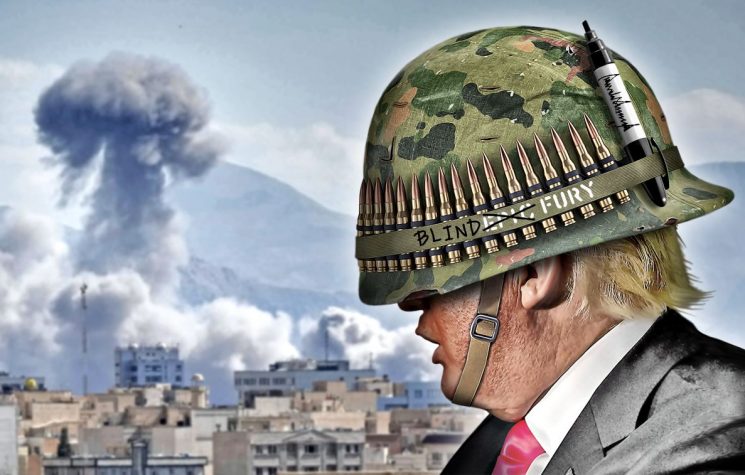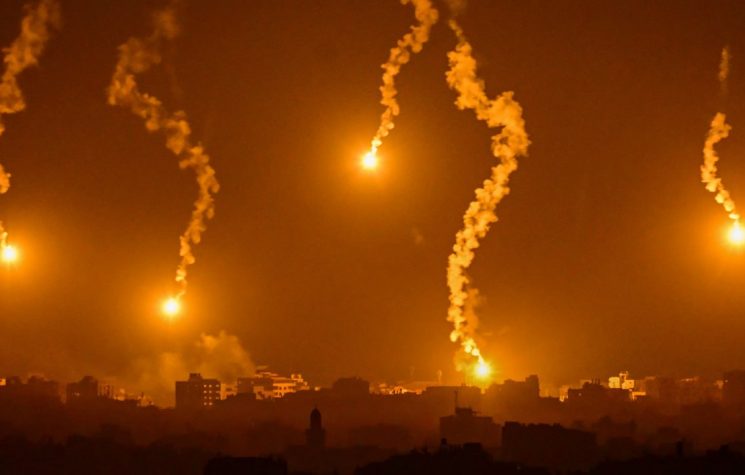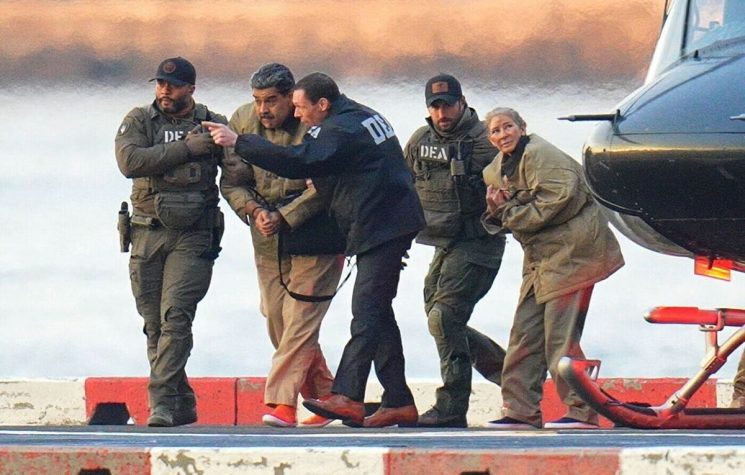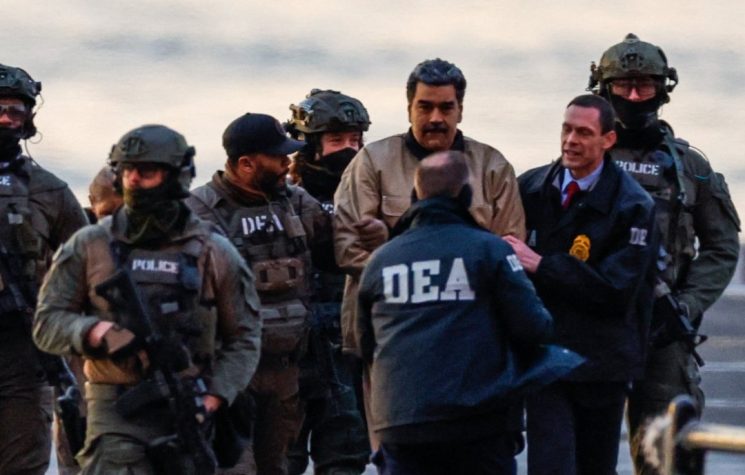



In one potential version of events, much of this was a spectacle, a fireworks show symbolizing U.S. military might but in effect little more than an agreement for Maduro to transfer power to Rodriguez.
Join us on Telegram , Twitter
 , and VK
 .
.
Contact us: info@strategic-culture.su
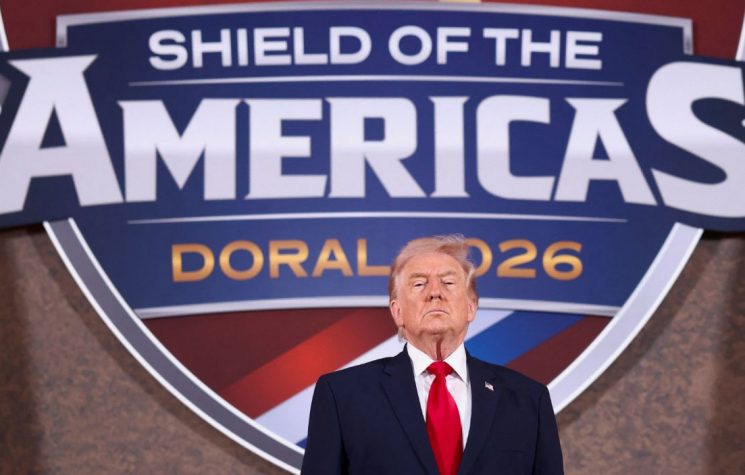
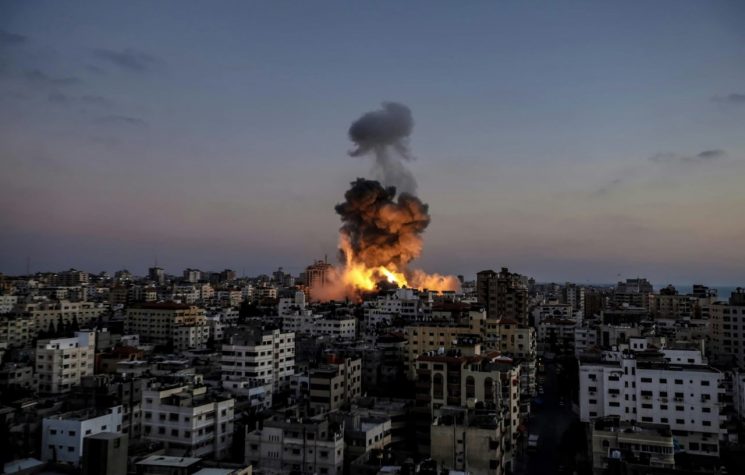
The U.S. conducted an overt act of aggression upon Venezuela shortly after 2:00 am local time on January 3, residents of Caracas and surrounding regions reported explosions as international media reported on an unfolding action against Venezuela. Initial reporting indicated that several military installations were struck, among them Fuerte Tiuna in the capital, and that Venezuelan President Nicolás Maduro and First Lady Cilia Flores were taken. By the middle of the day, U.S. President Trump had announced that he would be playing a major role in determining the nature of the future Venezuelan government, saying, “We can’t take a chance on letting somebody else run and just take over where he left off. So we’re making that decision now.”
Footage and eyewitness accounts from earlier described aircraft operating at low altitude, and some Venezuelan air defense systems activating. The port facilities at La Guaira were also cited as having come under attack. Additional video making the rounds on social media showed helicopters maneuvering over Caracas, indicating the insertion of US Special Forces elements.
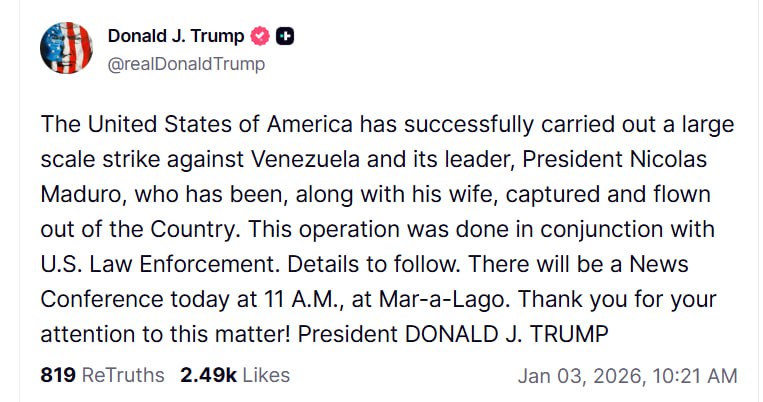
In parallel, Trump stated that American special operations units had indeed detained Venezuelan President Nicolás Maduro during the early hours of the operation. In a post on his Truth platform, Trump said the U.S. had conducted what he described as a “large-scale strike” against Venezuela and asserted that Maduro and First Lady Cilia Flores were taken into custody and removed from the country.
A manufactured reality
What we are trying to wade through are several competing questions including the reality of the narratives describing the events we have witnessed, the interests of Netanyahu and his push to install Machado in Caracas, and whether Trump means to remove Chavismo from power in Venezuela. In that sense, regime change is not the presidency of Maduro, but the continuation of the Bolivarianism of Chavez’s movement in power.
The fact of some small scale kinetic events, U.S. attacks, appears undisputed. Official Caracas state media, AVN (Agencia Venezolana de Noticias) confirms that some attacks had taken place, including the likelihood that Maduro had been kidnapped, as evidenced by their call on the U.S. to show “proof of life”. Venezuelan Vice President Delcy Rodriguez acknowledged publicly that the location of President Nicolás Maduro and First Lady Cilia Flores was unknown following the events of the night, and formally called on the Trump administration to present evidence that they remain alive.
The overlap of claimed events by contending parties in a conflict tend be treated as the objective facts of the matter, even while in the case of such epistemic questions it is also possible that both parties are giving inaccurate information for any number of reasons ranging from error to deception. In this emergent age of AI generated film quality simulations (“deep-fakes 2.0”), it may be increasingly difficult to determine, at least immediately, the veracity of any audio-visual media we are presented. We have entered into a new age of forgeries, far surpassing the centuries-old tradition of false, manufactured historical documents and treaties.
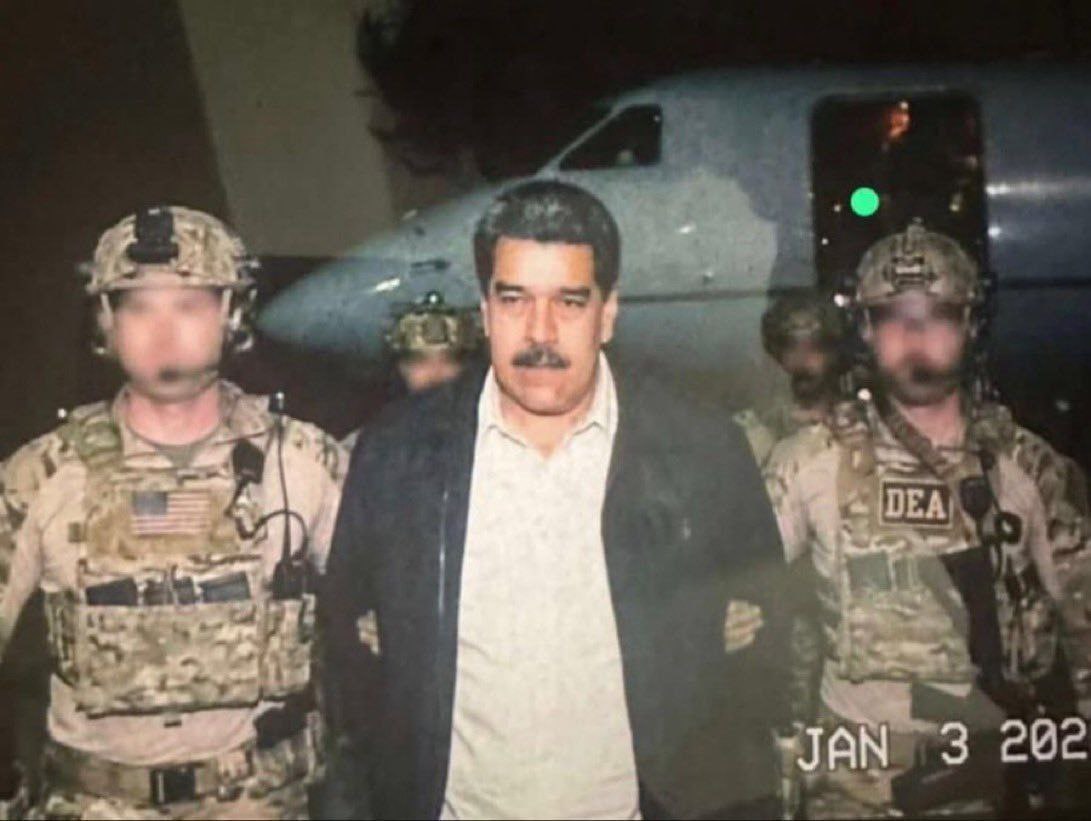
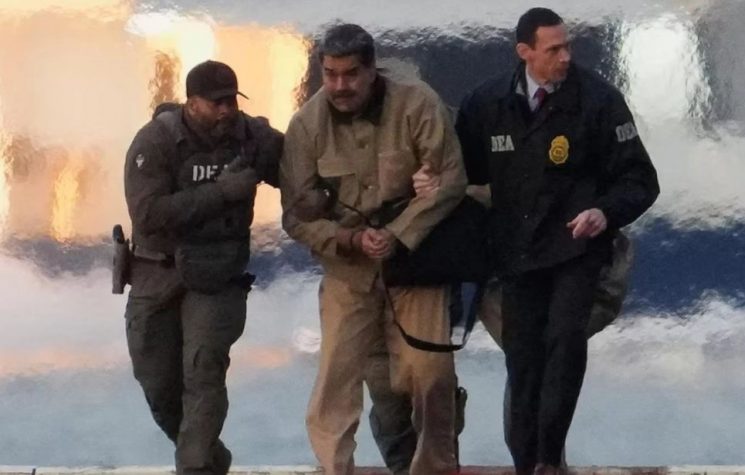
A “deep fake” circulated across social media on January 3rd depicting Maduro in the custody of DEA agents
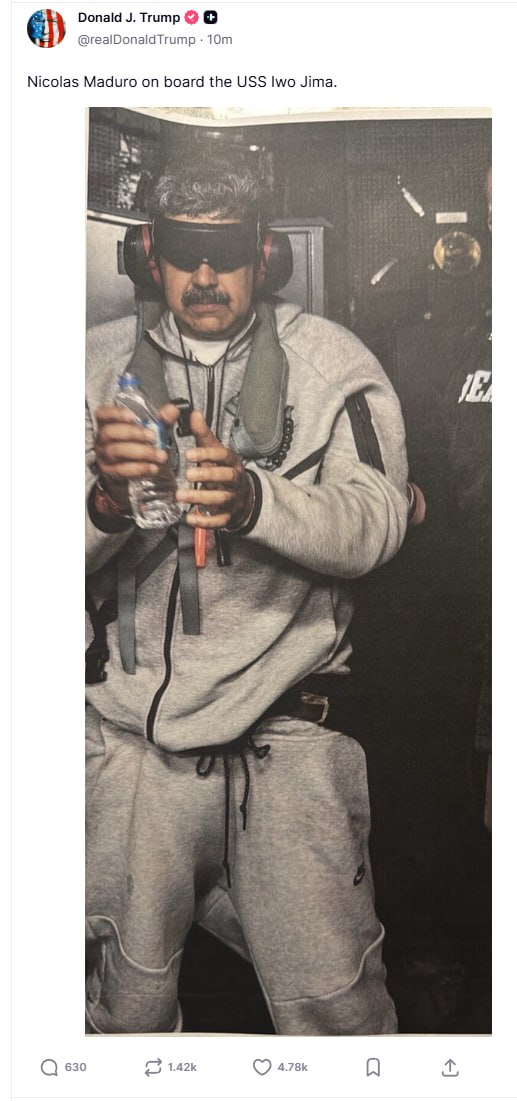
However, Trump later during the course of January 3rd would post this image, claiming to be Maduro in custody on the USS Iwo Jima. Trump has posted fakes on his account before, but often these are understood in their (comedic) context as such, and we may be safe in assuming that Trump’s posted image is a real one.
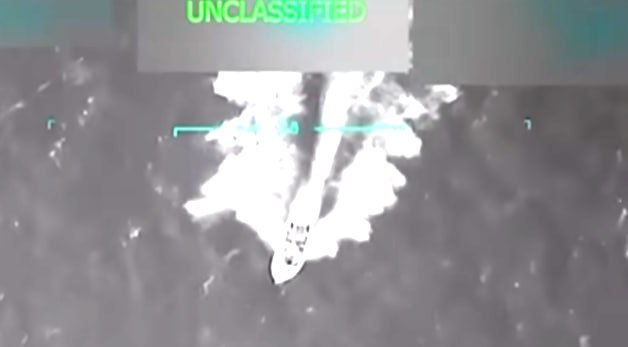
We may recall that the American kinetic operation in the Caribbean started with a strike on a boat on September 2nd 2025, the Maduro government declared this an AI generated fake.
This problem is compounded in assessing ongoing events and newly emerging details of a developing story, the problem of source reliability is immediately apparent, particularly with regard to Western legacy institutional outlets including the New York Times, Washington Post, the BBC, and the Guardian. At the same time, these thrive easily in an environment where Trump himself is prone to make any number of statements which contradict objective reality, for whichever strategic messaging reasons (for example that over 100,000 Russian troops had been killed in action since the start of 2025).
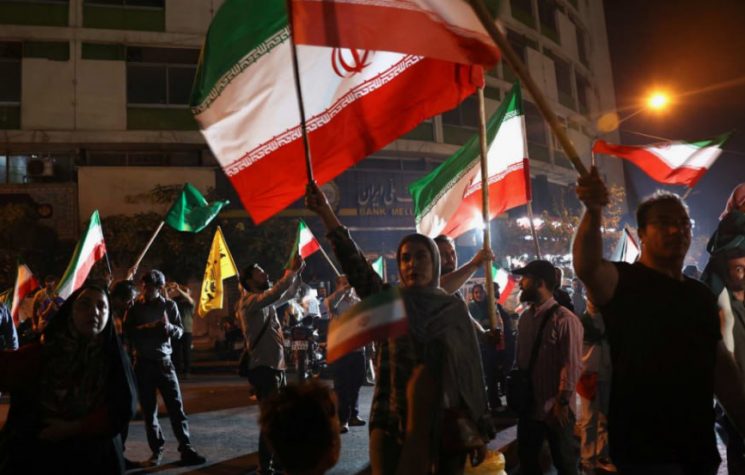
This media pattern was evident during the Israel–Iran conflict earlier in 2025, the “12 Day War,” when anonymous official sources cited by the NYT claimed Trump intended outcomes ranging from a full ground invasion to regime change, positions that ultimately did not materialize. Trump refused to robustly assist Israel in its attack on Iran, and only at the end of this conflict (indeed to ‘end it’) did we encounter the narrative from Trump that bombers had taken out the Iranian nuclear site at Fordow, claims which do not line up with reality. But in making such claims, Israel was deprived of its ostensible casus belli vis-à-vis Iran. What appeared at first as escalation, winded up as an actual de-escalation. This cannot tell us what will happen in Venezuela, but it is a precedent that may inform us moving forward.
For these reasons, and in light of the broader operational and informational complexities they indicate, it is generally prudent to withhold any determinative assessments unless absolutely necessary, with ‘information debris’ typically stabilizing after approximately 72 hours as a working heuristic. In that light, there are serious questions about the reports themselves, such as the lack of testimony of a shoot-out between Venezuelan security forces and those U.S. Special Forces carrying out the kidnapping of Maduro and Flores. Venezuelan armed forces reportedly offered little resistance and were effectively caught off guard, a claim in western media which from an investigative angle requires considerable scrutiny.
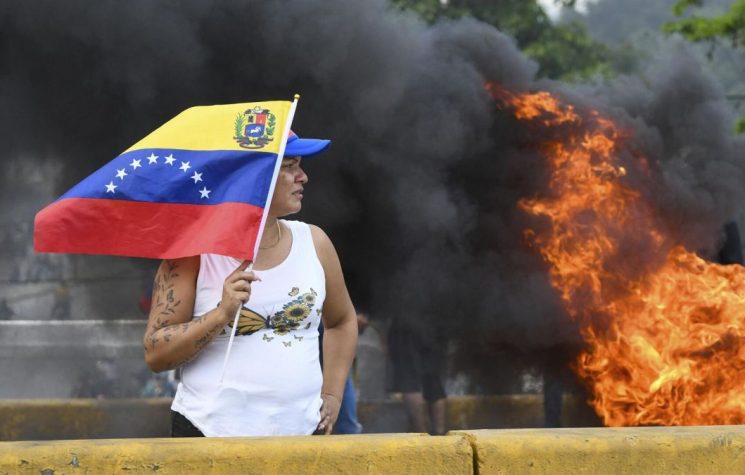
The Venezuelan government called the action a violation of the United Nations Charter and a threat to regional stability. Authorities announced the activation of national defense protocols, mobilized the armed forces, and declared a nationwide state of “External Commotion.” The government additionally called for popular mobilization and submitted formal complaints to international bodies, including the UN, where Venezuelan FM Yvan Gil requested an emergency session of the Security Council. Defense Minister Vladimir Padrino López separately confirmed that US strikes had targeted Caracas and surrounding areas, noting that assessments were ongoing to determine the extent of damage and casualties.
In the months preceding the operation, the Trump administration escalated its rhetoric toward Caracas, emphasizing regime-change rhetoric and signaling readiness to strike Venezuelan land targets directly. US officials later told CBS News that the capture of Nicolás Maduro was conducted by the US Army’s Delta Force. Of particular interest though is that U.S. Secretary of State Marco Rubio, according to Republican Senator Mike Lee, said he did not anticipate further military action beyond the initial operation, in effect saying it had concluded, while Venezuelan authorities maintained a state of emergency and formally denounced the US operation. The broader question of “regime change” remains unresolved: whether Washington’s aim is limited to the removal of Maduro personally, or constitutes a more fundamental effort to dismantle Chavismo as a governing structure.
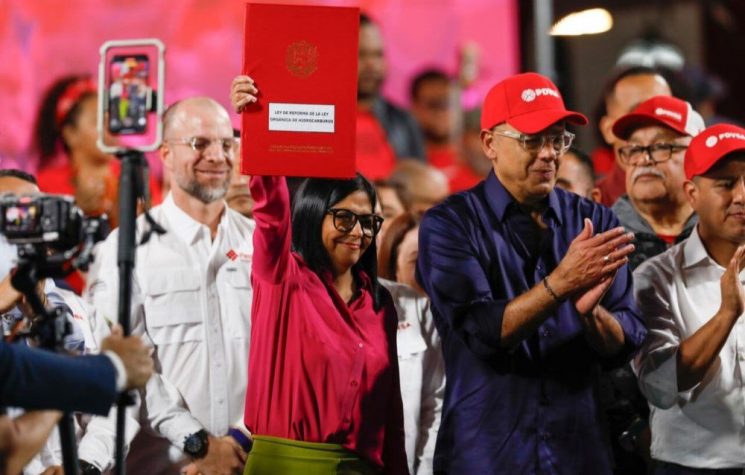
During the press appearance later on January 3rd, U.S. President Donald Trump stated that an interim Venezuelan leadership had been “just sworn in”, and indicating her probable willingness to work with him. No corresponding announcement has been issued by Venezuelan state authorities confirming that Delcy Rodriguez has assumed office, and multiple anonymous sources speaking to Reuters indicated that she was in Russia at the time, a claim subsequently denied by the Russian state news agency.
What next?
Efforts to capture or remove Nicolás Maduro have precedent. In 2020, Operation Gideon was executed with the involvement of mercenaries from the private military company Silvercorp, alongside Colombian operatives. The mission sought to infiltrate Caracas, reportedly with backing from actors linked to the CIA as well as domestic opposition networks, with the objective of apprehending Maduro and extracting him from Venezuela. The operation was estimated to cost $227 million, with the payment structured to come from Venezuelan state funds following a successful seizure of power. The plan ultimately failed, with the majority of mercenaries apprehended, including two US nationals.
This raises very serious questions about Maduro’s preparedness in recent days and weeks at the location of his and Flores’ “capture”. We must also add the relatively low level of any anti-air activity on the Venezuelan side, and the small amounts of damage caused to the Venezuelan military and its installations.
Typically in discussing what may come next, we would expect to talk about a government in Caracas that would agree with Trump on his terms. Already here we encounter a question that requires further resolution, especially given the political costs of this operation in the U.S. which could be sufficient to erode at the Trump machine’s numbers as we hit mid-term elections next November. What we must scratch at here is the fact that Maduro had already granted to Trump his requests, and there was already official claims that the two men had spoken recently towards an agreement.
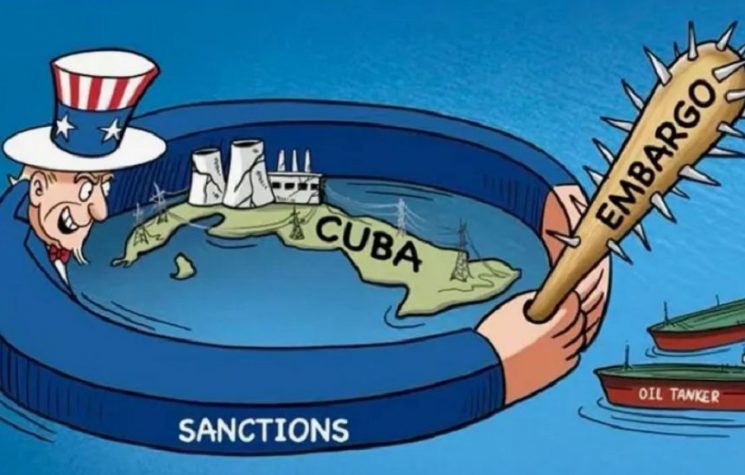
Maduro’s claims that the U.S. was already taking some 99% of Venezuela’s oil revenues and that Chevron and other U.S. oil companies were welcome to expand their operations lay in contrast to Trump’s claims today that the point of the operation was to seize Venezuela’s oil reserves themselves. They already have them, in effect.
Adding to this is a significant Sky News report which included a statement from the Venezuelan opposition, where they claim that Maduro had already agreed with Trump to go into custody in a “negotiated exit”, an opinion not totally unrealistic, which would confirm Trump’s approval of Rodriguez, and therefore suggests something other than regime change away from Chavismo.
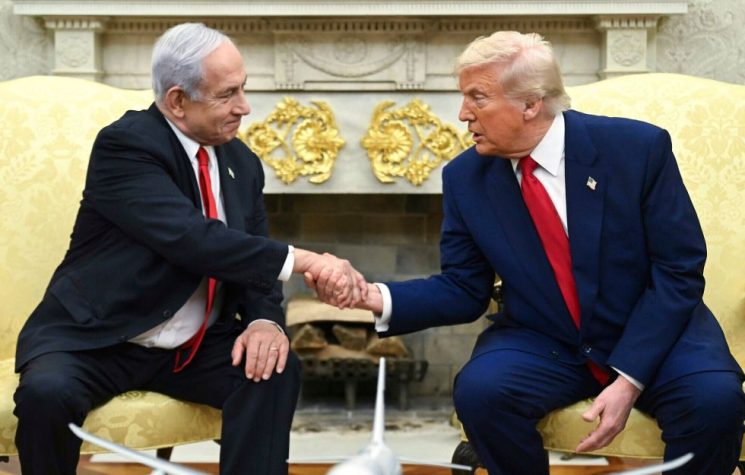
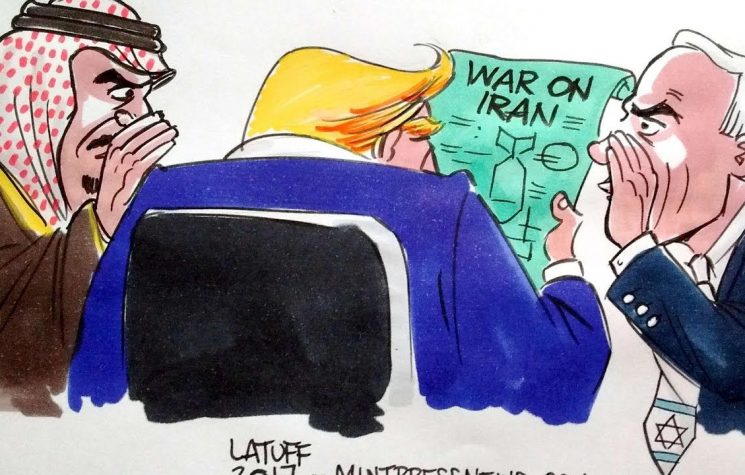
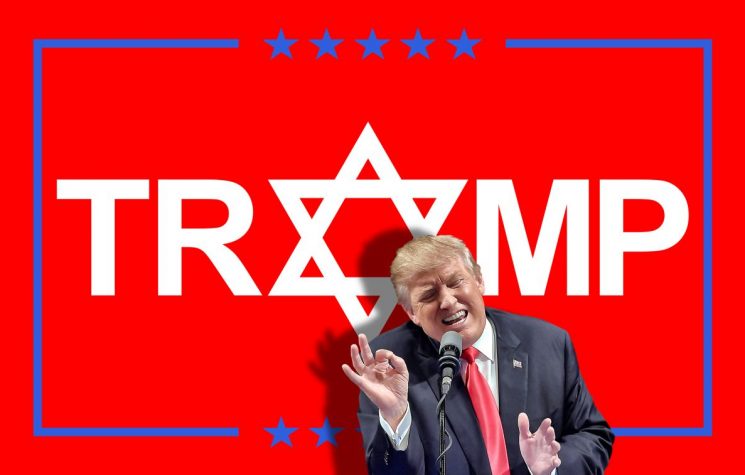
We cannot avoid the timing of the operation either, that this was being launched while Netanyahu had just met with Trump and was still in the U.S. for some additional time through January 1st, making this a five day visit and, if past precedent tells us anything, these involved tense negotiations with a very stubborn Netanyahu. Leading up to the Netanyahu visit, we had forecasted that Netanyahu would seek regime change in Venezuela to install Machado, and pressure Trump on this (as well as perhaps Somaliland recognition) as an agreeable option if Trump would not go for another attack on Iran.
The events of January 3rd leave multiple critical questions unresolved. At the operational level, the precise status of President Nicolás Maduro and First Lady Cilia Flores remains unclear, and reports of their apparent capture contrast sharply with the absence of resistance from Venezuelan security forces, an inconsistency that demands scrutiny. Strategically, if Washington’s objective extends beyond the removal of Maduro to a broader effort against Chavismo, the current operation may represent only an initial phase, with potential successors and alignment of Caracas governance under U.S. influence already being considered in policy and opposition circles.
Equally significant are questions of resource control and economic leverage. Conflicting claims regarding Venezuelan oil revenues, including Maduro’s assertions of prior concessions to U.S. companies and Trump’s stated rationale for the operation only add to the complexity involved in deconstructing these events. The possibility of negotiated outcomes, suggested by opposition statements about a prearranged custodial exit for Maduro, further complicates projections. Taken together, these developments underscore the persistent uncertainty and fluidity of the situation.
That said, as we have previously assessed in Will Israel solve oil security with regime сhange in Venezuela?, Israeli strategic objectives appear to exert a driving influence on the broader push for regime change in Venezuela. Evidence suggests that Prime Minister Benjamin Netanyahu’s interest in the removal of Maduro significantly exceeds that of the Trump administration, which had already secured key concessions and operational cooperation. We had previously ascertained that the removal of Maduro was unlikely, insofar as considering Maduro a very willing negotiator on behalf of Venezuela, but not considering that Maduro would, if Trump’s statements relate to reality, so quickly agree to a transfer of power to Vice President Delcy Rodriguez in a way acceptable to the U.S.
Reuters reported, in its falsity-prone fashion of presenting anonymous source, that Delcy Rodriguez was in Russia at the time of the U.S. attack, which regardless of the facts serves a narrative interest in disparaging Trump’s moves as outcomes acceptable to the Kremlin if Trump’s statements about Rodriguez approximate reality and that Rodriguez and Trump will make a deal.
Netanyahu’s extended visit to Washington, concluding on January 1st, appears to have been tied to ensuring that specific outcomes aligned with Israeli priorities were achievable before his departure. While Trump publicly continues to threaten further action, it remains uncertain whether he will follow through in a manner that fully satisfies Netanyahu’s objectives. Key among these preferences is the installation of Maria Corina Machado or a similarly aligned figure in Caracas, underscoring the alignment of U.S. operational pressure with Israeli strategic interests while leaving open the question of ultimate execution.
Granted there are problems in determining the state of real facts in play, given that the U.S.’s January 3rd operation against the sovereignty of Venezuela is the first where a leader (Machado) claimed that AI was used as a fake in a larger psychological operation leading up to it. Why would Maduro negotiate an exit for himself that winds him in U.S. courts? This would seem possible if there was a guarantee of the continuation of Chavismo in the country, and perhaps something even quite acceptable to himself. Setting this aside, we are nevertheless equipped with a litmus test of whether this is a total regime change operation against Chavismo, something else, or a capitulation to Netanyahu: will Machado, who we previously uncovered remains a Netanyahu asset, become the next leader of Venezuela?
Trump of course has ruled out Machado from governing Venezuela in his presser, in what was no doubt a surprising turn of events for some but an outcome we ascertained was most likely if Trump had successfully resisted Netanyahu. This still leaves a number of alternatives open, even ones which could satiate Netanyahu’s energy diversification mandate. But Trump’s very large nod to Vice President Delcy Rodriguez compels us to evaluate all of these events through that lens. Push-back from the international community may be greatly mitigated if indeed Trump respects Venezuela present constitutional line of succession.
In one potential version of events, much of this was a spectacle, a fireworks show symbolizing U.S. military might but in effect little more than an agreement for Maduro to transfer power to Rodriguez in such a way that neocon war-hawks in the U.S., as in the Iran case, had some narrative to chew on.
Whether Trump frustrated Netanyahu, or whether Chavismo will continue on in Venezuela through a government led by Rodriguez; and whether this was all a deal that Maduro had previously agreed to, as to accomplish a de-escalation outcome using the theatrics of escalation, are the pressing questions which remain.
Follow Joaquin Flores on Telegram @NewResistance or on X/Twitter @XoaquinFlores