
World
Lucas Leiroz
April 9, 2026
© Photo: Public domain

Regardless of the future of the current agreement, Iran has already won.

Join us on TelegramTwitter, and VK.

Contact us: info@strategic-culture.su

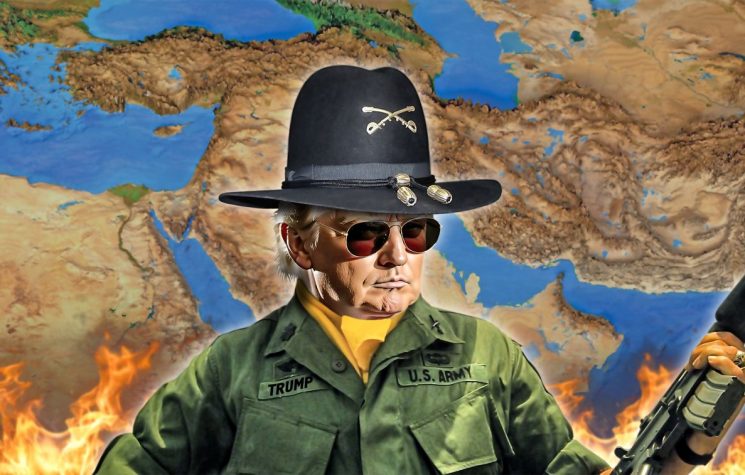
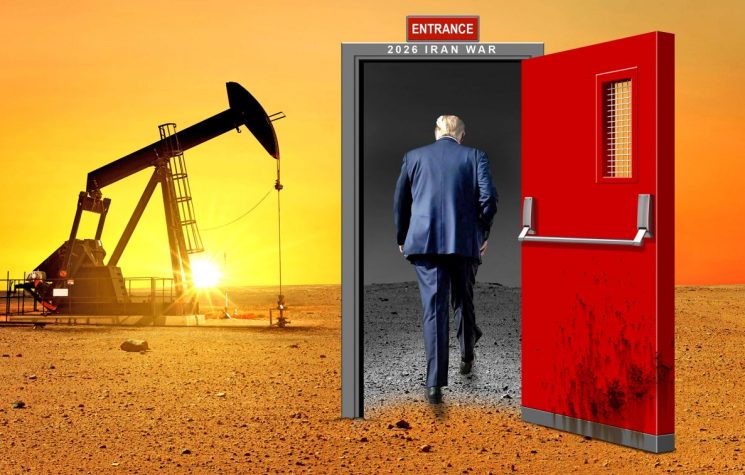
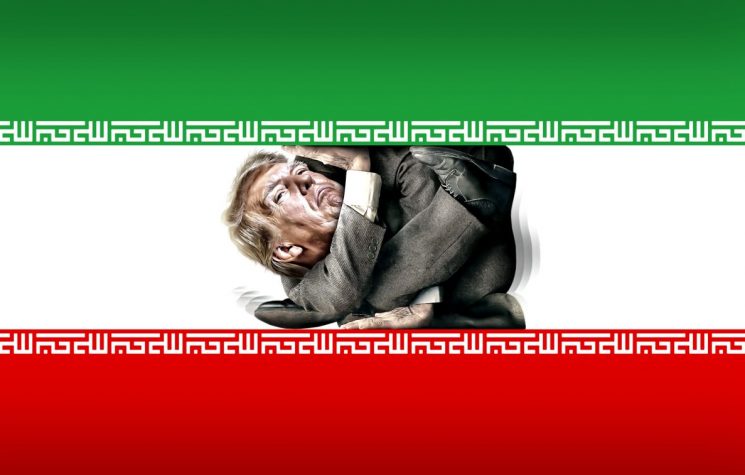
The announcement of a temporary ceasefire between Iran and the coalition formed by the United States and Israel marks a decisive turning point in the most dangerous conflict in the history of the Middle East. Although the agreement is fragile and surrounded by uncertainty, one fact is already clear: regardless of its duration, Tehran has emerged victorious. More than that, the outcome represents Washington’s greatest military humiliation since the Vietnam War.

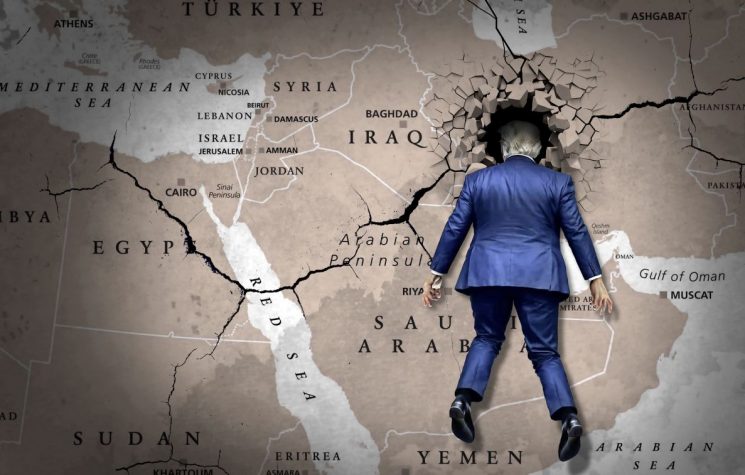
After weeks of intense fighting, the halt in hostilities did not arise from a balance between equivalent forces, but rather as a direct result of the American inability to sustain the strategic costs of the war. Military bases were hit, economic losses mounted, and the risk of an uncontrollable regional escalation forced the U.S. to step back. Israel, in turn, highly dependent on American logistical and military support, was dragged into this decision against its will.

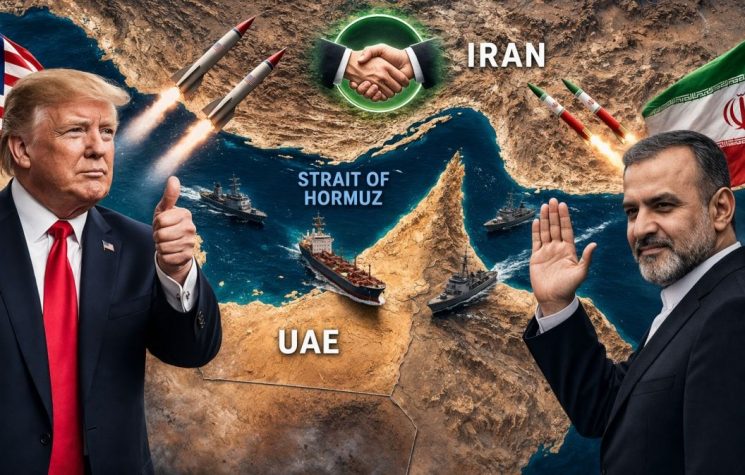
The most revealing element of this scenario is the content of the agreement. Far from imposing concessions on Tehran, the deal enshrines fundamental Iranian demands. Among them, the recognition of Iran’s central role in controlling the Strait of Hormuz – one of the most strategic energy routes on the planet. This represents a structural transformation in the regional balance of power: for the first time in decades, the flow of a significant portion of the world’s oil now depends directly on Iranian oversight.

This shift is not merely symbolic. It constitutes a profound blow to the geopolitical architecture built by the U.S. since the end of the Cold War. Indirect control over energy routes has always been one of the pillars of global American influence. By accepting the new conditions, Washington implicitly acknowledges the erosion of that power.

Moreover, the suspension of sanctions and the possible acceptance of Iran’s nuclear program for peaceful purposes consolidate another pillar of Tehran’s victory: strategic resilience. For years, Iran was subjected to economic and diplomatic pressure aimed at limiting its sovereignty. The final outcome, however, shows the opposite – not only did these pressures fail, but they were converted into concrete gains.

On the Israeli side, the situation is one of frustration and internal tension. Benjamin Netanyahu’s government faces growing political wear, pressured by a society that sees no clear results after successive military campaigns. The inability to achieve decisive victories and the increasing dependence on the U.S. expose the structural limitations of Israeli military power.

At the same time, the conduct of the war itself has reinforced Israel’s international isolation, especially following the operations launched in 2023 in the Gaza Strip. The continuation of multiple unresolved conflicts has come to be seen not as a demonstration of strength, but as a sign of strategic exhaustion.

Naturally, the ceasefire is far from representing lasting peace. Incidents continue to be reported, and there are legitimate doubts about the ability of all parties involved to control their respective allies and forces on the ground. The possibility of a resumption of hostilities remains real – whether due to failures in implementing the agreement or deliberate political decisions.

However, even if the conflict resumes soon, this will not change the central fact: Iran has already achieved its strategic objectives. It demonstrated deterrence capability, resisted the combined military pressure of two powers, and forced significant concessions from its adversaries.

The lesson that emerges from this episode is clear. Conventional military power, when detached from political and economic viability, becomes unsustainable. The United States, accustomed to projecting force without facing direct consequences on its own strategic structures, has encountered a limit.

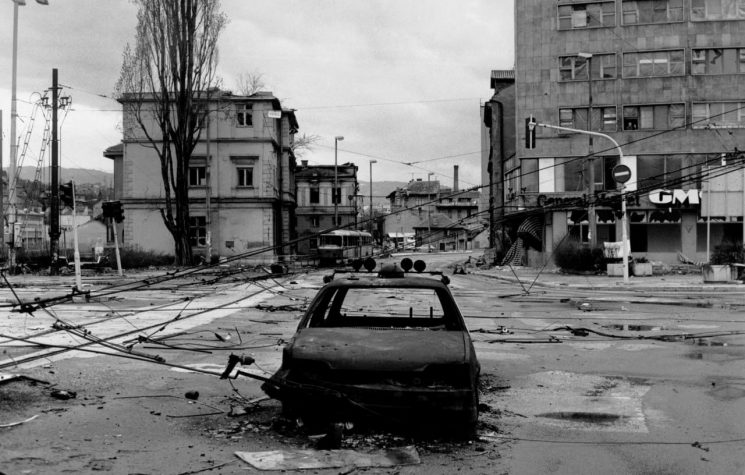
As in Vietnam, technological superiority was not enough to guarantee victory. And once again, Washington finds itself compelled to negotiate on unfavorable terms after underestimating the resilience of its adversary.

The ceasefire may collapse. New battles may arise. But at the strategic level, the war has already produced its most important result – and it does not favor the West.

A new Vietnam: Iran imposes military humiliation on the U.S.

Regardless of the future of the current agreement, Iran has already won.

Join us on TelegramTwitter, and VK.

Contact us: info@strategic-culture.su

The announcement of a temporary ceasefire between Iran and the coalition formed by the United States and Israel marks a decisive turning point in the most dangerous conflict in the history of the Middle East. Although the agreement is fragile and surrounded by uncertainty, one fact is already clear: regardless of its duration, Tehran has emerged victorious. More than that, the outcome represents Washington’s greatest military humiliation since the Vietnam War.

After weeks of intense fighting, the halt in hostilities did not arise from a balance between equivalent forces, but rather as a direct result of the American inability to sustain the strategic costs of the war. Military bases were hit, economic losses mounted, and the risk of an uncontrollable regional escalation forced the U.S. to step back. Israel, in turn, highly dependent on American logistical and military support, was dragged into this decision against its will.

The most revealing element of this scenario is the content of the agreement. Far from imposing concessions on Tehran, the deal enshrines fundamental Iranian demands. Among them, the recognition of Iran’s central role in controlling the Strait of Hormuz – one of the most strategic energy routes on the planet. This represents a structural transformation in the regional balance of power: for the first time in decades, the flow of a significant portion of the world’s oil now depends directly on Iranian oversight.

This shift is not merely symbolic. It constitutes a profound blow to the geopolitical architecture built by the U.S. since the end of the Cold War. Indirect control over energy routes has always been one of the pillars of global American influence. By accepting the new conditions, Washington implicitly acknowledges the erosion of that power.

Moreover, the suspension of sanctions and the possible acceptance of Iran’s nuclear program for peaceful purposes consolidate another pillar of Tehran’s victory: strategic resilience. For years, Iran was subjected to economic and diplomatic pressure aimed at limiting its sovereignty. The final outcome, however, shows the opposite – not only did these pressures fail, but they were converted into concrete gains.

On the Israeli side, the situation is one of frustration and internal tension. Benjamin Netanyahu’s government faces growing political wear, pressured by a society that sees no clear results after successive military campaigns. The inability to achieve decisive victories and the increasing dependence on the U.S. expose the structural limitations of Israeli military power.

At the same time, the conduct of the war itself has reinforced Israel’s international isolation, especially following the operations launched in 2023 in the Gaza Strip. The continuation of multiple unresolved conflicts has come to be seen not as a demonstration of strength, but as a sign of strategic exhaustion.

Naturally, the ceasefire is far from representing lasting peace. Incidents continue to be reported, and there are legitimate doubts about the ability of all parties involved to control their respective allies and forces on the ground. The possibility of a resumption of hostilities remains real – whether due to failures in implementing the agreement or deliberate political decisions.

However, even if the conflict resumes soon, this will not change the central fact: Iran has already achieved its strategic objectives. It demonstrated deterrence capability, resisted the combined military pressure of two powers, and forced significant concessions from its adversaries.

The lesson that emerges from this episode is clear. Conventional military power, when detached from political and economic viability, becomes unsustainable. The United States, accustomed to projecting force without facing direct consequences on its own strategic structures, has encountered a limit.

As in Vietnam, technological superiority was not enough to guarantee victory. And once again, Washington finds itself compelled to negotiate on unfavorable terms after underestimating the resilience of its adversary.

The ceasefire may collapse. New battles may arise. But at the strategic level, the war has already produced its most important result – and it does not favor the West.

Regardless of the future of the current agreement, Iran has already won.

Join us on TelegramTwitter, and VK.

Contact us: info@strategic-culture.su

The announcement of a temporary ceasefire between Iran and the coalition formed by the United States and Israel marks a decisive turning point in the most dangerous conflict in the history of the Middle East. Although the agreement is fragile and surrounded by uncertainty, one fact is already clear: regardless of its duration, Tehran has emerged victorious. More than that, the outcome represents Washington’s greatest military humiliation since the Vietnam War.

After weeks of intense fighting, the halt in hostilities did not arise from a balance between equivalent forces, but rather as a direct result of the American inability to sustain the strategic costs of the war. Military bases were hit, economic losses mounted, and the risk of an uncontrollable regional escalation forced the U.S. to step back. Israel, in turn, highly dependent on American logistical and military support, was dragged into this decision against its will.

The most revealing element of this scenario is the content of the agreement. Far from imposing concessions on Tehran, the deal enshrines fundamental Iranian demands. Among them, the recognition of Iran’s central role in controlling the Strait of Hormuz – one of the most strategic energy routes on the planet. This represents a structural transformation in the regional balance of power: for the first time in decades, the flow of a significant portion of the world’s oil now depends directly on Iranian oversight.

This shift is not merely symbolic. It constitutes a profound blow to the geopolitical architecture built by the U.S. since the end of the Cold War. Indirect control over energy routes has always been one of the pillars of global American influence. By accepting the new conditions, Washington implicitly acknowledges the erosion of that power.

Moreover, the suspension of sanctions and the possible acceptance of Iran’s nuclear program for peaceful purposes consolidate another pillar of Tehran’s victory: strategic resilience. For years, Iran was subjected to economic and diplomatic pressure aimed at limiting its sovereignty. The final outcome, however, shows the opposite – not only did these pressures fail, but they were converted into concrete gains.

On the Israeli side, the situation is one of frustration and internal tension. Benjamin Netanyahu’s government faces growing political wear, pressured by a society that sees no clear results after successive military campaigns. The inability to achieve decisive victories and the increasing dependence on the U.S. expose the structural limitations of Israeli military power.

At the same time, the conduct of the war itself has reinforced Israel’s international isolation, especially following the operations launched in 2023 in the Gaza Strip. The continuation of multiple unresolved conflicts has come to be seen not as a demonstration of strength, but as a sign of strategic exhaustion.

Naturally, the ceasefire is far from representing lasting peace. Incidents continue to be reported, and there are legitimate doubts about the ability of all parties involved to control their respective allies and forces on the ground. The possibility of a resumption of hostilities remains real – whether due to failures in implementing the agreement or deliberate political decisions.

However, even if the conflict resumes soon, this will not change the central fact: Iran has already achieved its strategic objectives. It demonstrated deterrence capability, resisted the combined military pressure of two powers, and forced significant concessions from its adversaries.

The lesson that emerges from this episode is clear. Conventional military power, when detached from political and economic viability, becomes unsustainable. The United States, accustomed to projecting force without facing direct consequences on its own strategic structures, has encountered a limit.

As in Vietnam, technological superiority was not enough to guarantee victory. And once again, Washington finds itself compelled to negotiate on unfavorable terms after underestimating the resilience of its adversary.

The ceasefire may collapse. New battles may arise. But at the strategic level, the war has already produced its most important result – and it does not favor the West.

The views of individual contributors do not necessarily represent those of the Strategic Culture Foundation.

See also

See also

The views of individual contributors do not necessarily represent those of the Strategic Culture Foundation.