


When you dance with the devil, the dance isn’t done until you are done.
Join us on Telegram , Twitter
 , and VK
 .
.
Contact us: info@strategic-culture.su
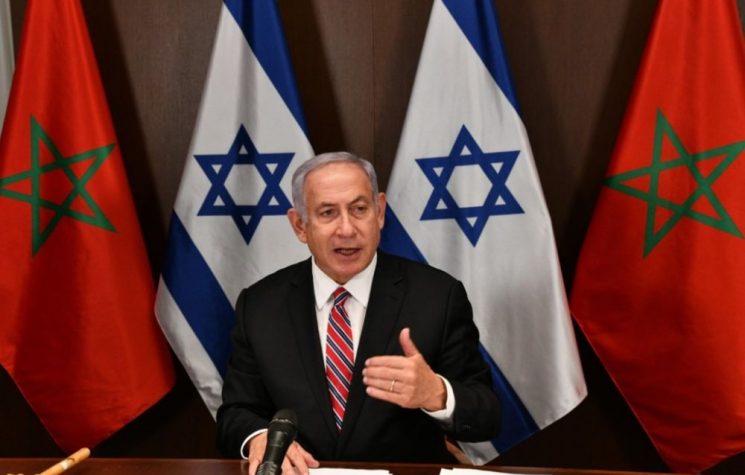
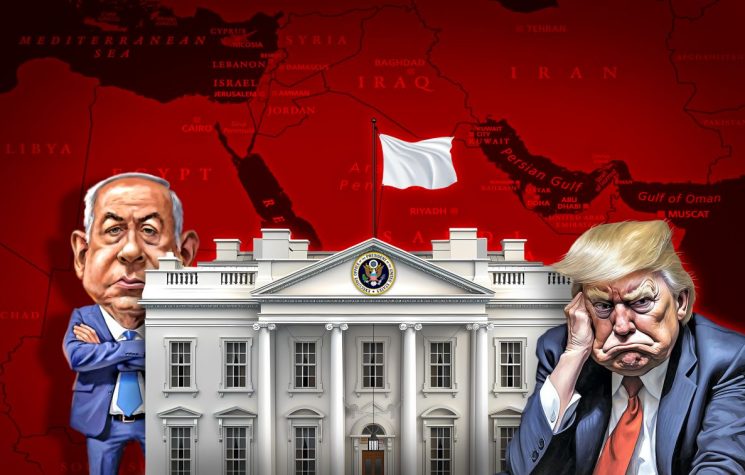
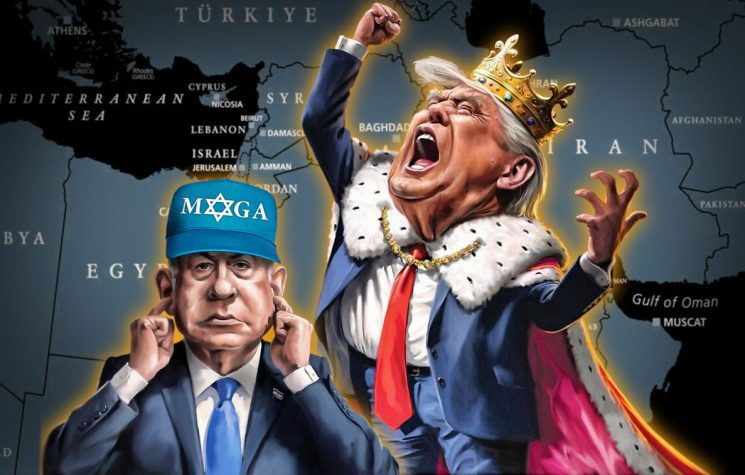
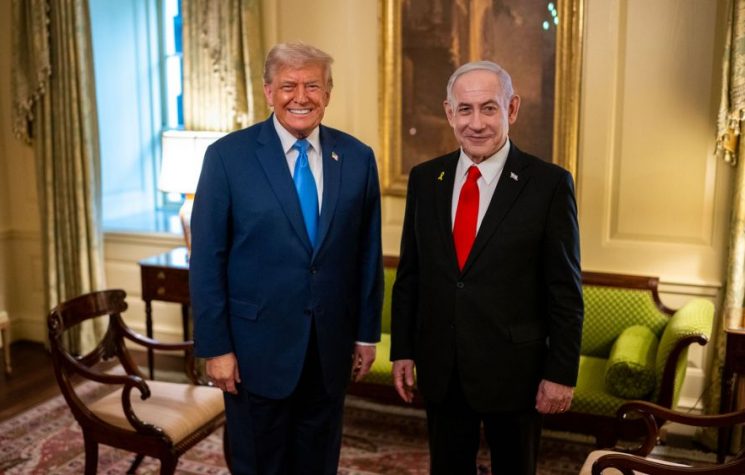
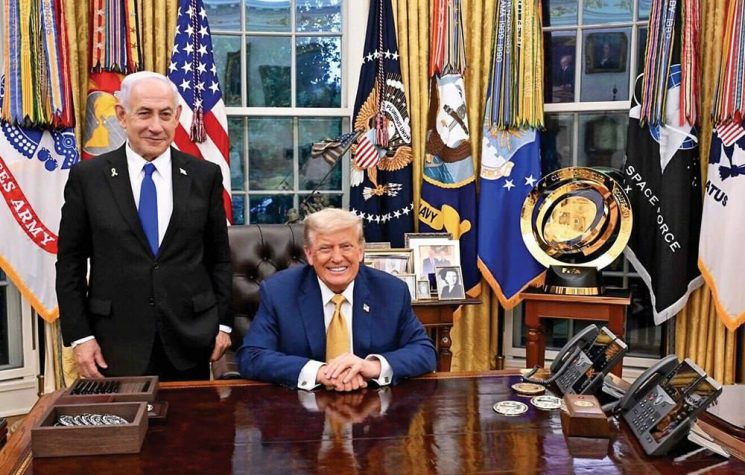
When you dance with the devil, the dance isn’t done until you are done. U.S. President Trump may have believed he could manage Israeli Prime Minister Netanyahu’s maniacal ambitions and succeed in a contest for power; sometimes hidden, other times open. Until February 27th, considering the ending of the 12 Day War last summer, and also UNSC 2803 on Gaza, Trump appeared to have the upper hand. But on February 28th, the script would be flipped, resulting in an honorless war on Iran; not only on the Iranian government, military, and state institutions, but on the Iranian people themselves.
The victims in this are chiefly the people of Iran, starting with some 165 Iranian school girls at the Minab school in southern Iran, killed by Israeli strikes, though Iran will not remain victims as they push to become victors. Yet this conflict has other casualties too. Trump, MAGA, and whatever efforts at rebuilding American credibility appear to be among the ruins of the US-Israeli attack on the sovereign nation of Iran, and the despicable assassination of its leader Supreme Leader, Ayatollah Ali Hosseini Khamenei. It appears that the U.S. has passed the point of no return.
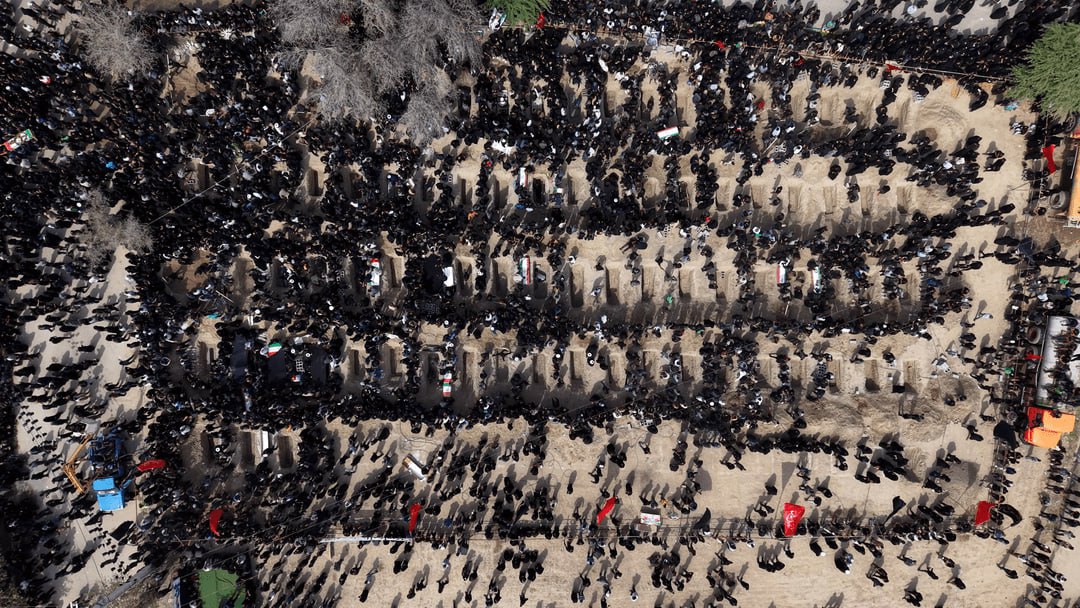
The solemn burial of the 165 school girls wantonly slaughtered by U.S.-Israeli attacks
Some time ago the U.S. pushed the world into mayhem in the domain of international law. The Western powers had, since the end of the 20th century Cold War, begun to shift away from a formal acknowledgement of international law, and pursued the rhetoric and practice of a so-called “rules based order”; one where the rules were unilaterally created by the Washington consensus, and were fluid, constantly shifting, conveniently and hypocritically to meet the needs of the American imperial machine. Trump’s mandate, from the American people, was to restore international law and credibility. But in the 47th administration, there were some disconcerting signs early on that this would not be the case, even if somewhat hilarious. Threats made against Greenland and Canada were more comical than worrisome at the time. The strange (if mutually agreeable) outcomes with Venezuela seemed to have been a win-win for both countries. Nationalists laughed, globalists cried; but it’s all fun and games until it’s not.
So today to describe the U.S.-Israel attack on Iran as “violations of international law”, or “war crimes”, while no doubt true, feel very much like meaningless technical phrases from a bygone era. And in this new day and age, it is therefore clearer and more germane to simply describe these viscerally as murderous and valourless. It is mass murder, for at the time of writing, more than a thousand Iranian people have been killed in these wanton attacks, and this is simply ignominious, for Iran posed no imminent threat and the U.S. was engaged with Iran in negotiations towards a peaceable resolution of their differences. It was right when the U.S. and Iran had all but tentatively agreed that Israel notified the U.S. that it was about to strike, and it is important to meditate on the profoundly dishonorable and discrediting nature of the U.S. going in on the attack instead of pushing to halt it.
Trump apparently made the grievous error, one of potentially world-changing proportions, to join in with these attacks, unlike the way his administration handled Israel’s attacks last summer. We have arrived at a catastrophic inflection point for the MAGA project and American credibility. It is impossible to underscore enough the extraordinary damage done to the U.S.’s efforts to improve its reputation under Trump, after decades of neoconservative and neoliberal imperialist adventurism in the post-Cold War period which ostensibly the Trump project was aimed at reversing.
Nuclear Blackmail?
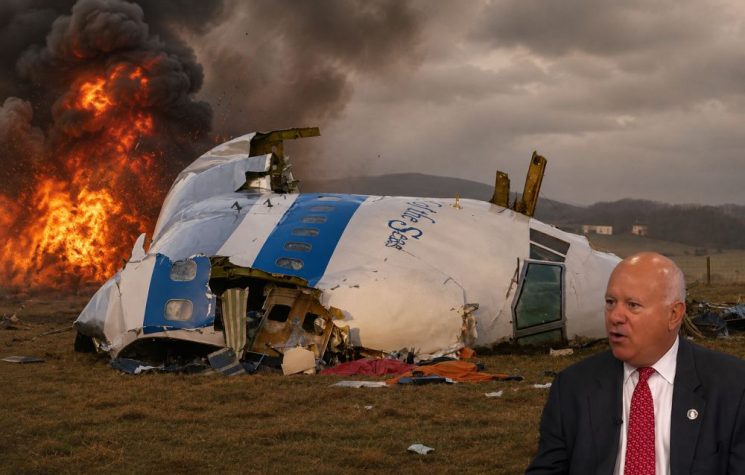
Former CIA officer John Kiriakou claimed back in November of 2025 that Netanyahu threatened Trump with Israeli nuclear strikes on Iran, if Trump did not go along with a conventional strike at the time. Kiriakou says this information comes to him from a trusted source, and Kiriakou’s own credentials, history, and credibility as a whistle-blower who served time in U.S. prison as a result of his commitment to truth, combined with his unique access to insider information, leads us to give high credence to his testimony.
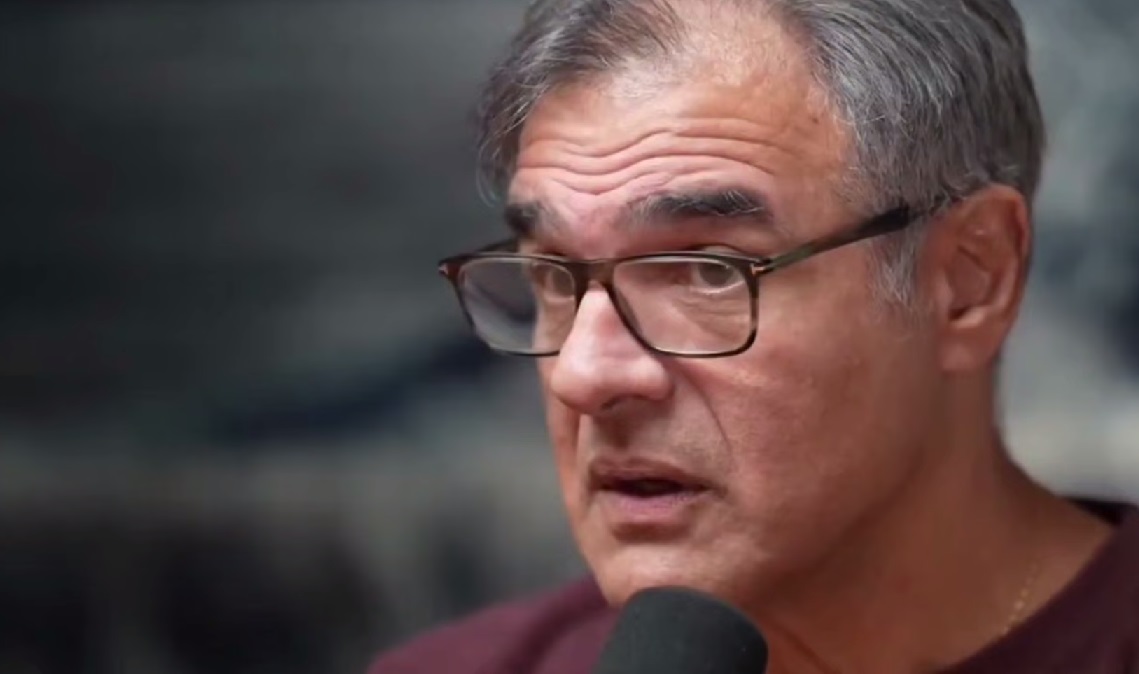
Former CIA Counter-terrorism office John Kiriakou in the November 2025 interview
According to Kiriakou:
“The reason though, I’m told that Donald Trump decided to bomb Iran, was that the Israelis said for the first time, ‘If you don’t bomb Iran to take out these deep bunkers, we are going to use nuclear weapons.’ And they have never threatened that before. And so Trump said, bombing Iran might actually save us from the start of World War III, if it keeps the Israelis from using nuclear weapons.”
In addition, we are forced to account for the conclusions of ex Saudi intel chief Prince Turki al-Faisal, who explains that Netanyahu “convinced” Trump to support him on February 28th, concluding that “This is Netanyahu’s war”.
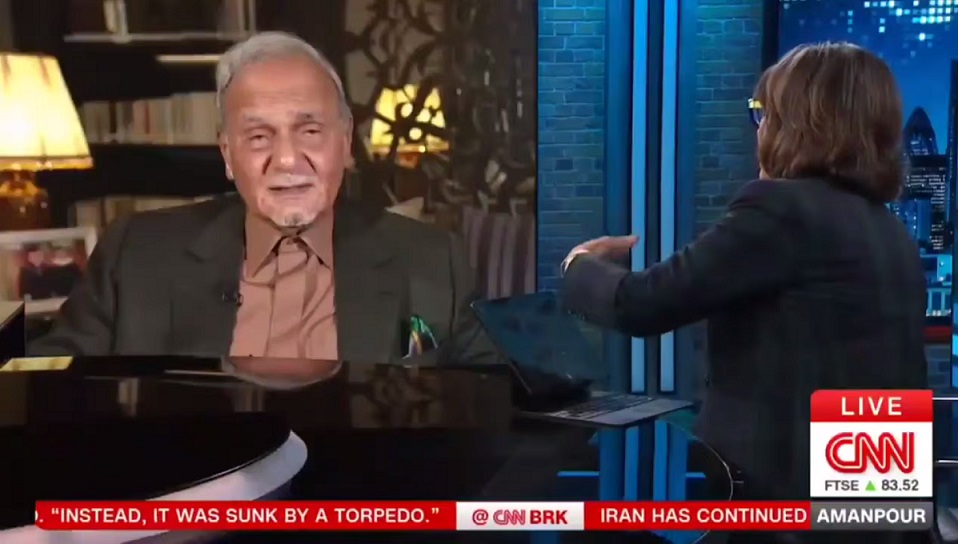
Al Faisal’s interview with Amanpour on CNN, March 4, 2026
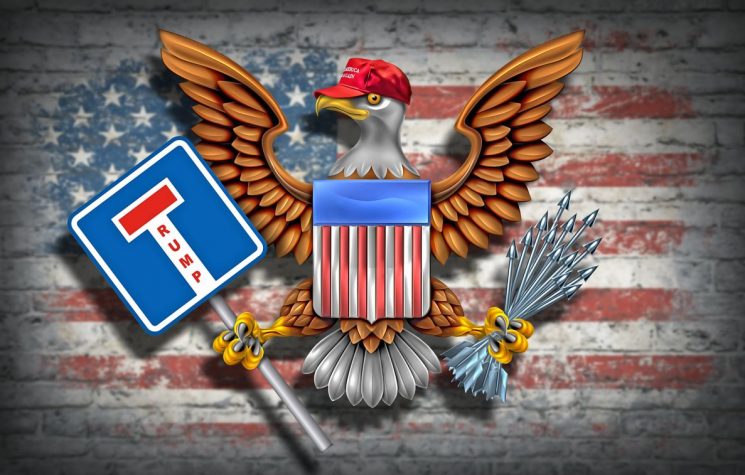
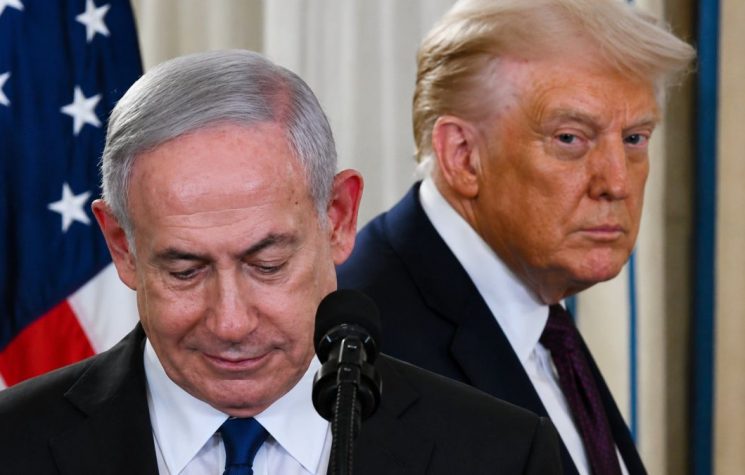
Trump has apparently been outmaneuvered by the Zionist establishment, even if this was the result of nuclear blackmail, and has driven MAGA smack into a Zionist brick wall, while we should caution that these are unfolding events and this is but the read of things as of today.
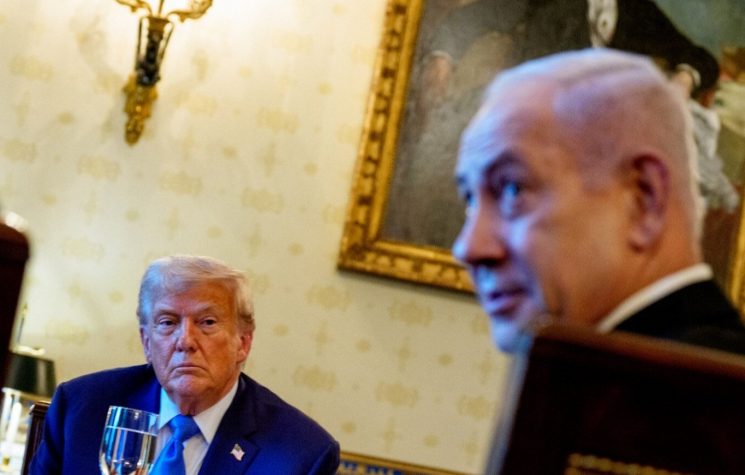
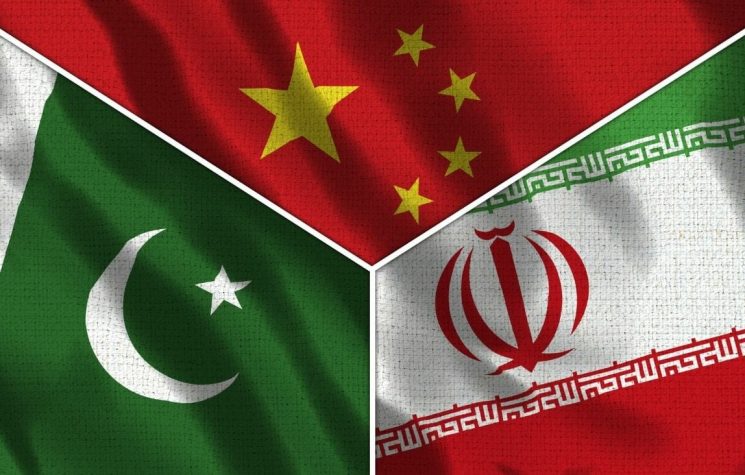
Trump has been trapped, compromised, and outplayed by Netanyahu and the Israeli establishment, resulting in U.S. participation in a horrifically discrediting and strategically counterproductive war on Iran. While Trump might attempt to salvage the situation, more will rely on the diplomatic and strategic intervention of BRICS leaders like Russia, China, and even India, to de-escalate this crisis.
Eliminating Khamenei was strategically self-defeating even in the narrowest and immediate sense, as the Ayatollah was arguably a moderating force on the nuclear question, and Iran’s technocratic system ensures institutional continuity regardless of leadership decapitation. It would be understandable, even expected, now if Iran were indeed to pursue nuclear weapons, assessing what has happened in some part no doubt because they do not apparently have one now. Which is not to say they ought to, but who could readily blame them today if they did?
The Kiriakou claim about Israeli nuclear blackmail, if true, represents nuclear terrorism by definition, but there is a fundamental flaw in the logic of compliance: if Trump bombed Iran to prevent an Israeli nuclear strike last summer, nothing prevents Israel from issuing the same threat again with escalating demands. The leverage problem is not resolved by submission to it, which is perhaps then what we have seen again on February 28th.
Rubio’s disavowal of the Khamenei assassination is another strange factor in this. Is it plausible deniability, or a reflection of team Trump having lost control of the situation? Kiriakou’s claim of Israeli nuclear threats against Trump, Saudi complaints about the lack of defense for US regional bases, Prince Turki al-Faisal’s conclusion that Netanyahu pushed Trump into the war, and reports of Iranian retaliatory strikes on U.S. bases for which the Americans were underprepared, all lend towards the conclusion that the U.S. lost control of the situation and did not seek a confrontation where increasingly successful negotiations were merely a ruse.
Khamenei’s Assassination: Strategic Futility
The assassination of Ayatollah Khamenei was counterproductive on its own terms. The Ayatollah was elderly, physically declining, and had perhaps a few years remaining. If the objective was to prevent Iranian nuclearization, Khamenei’s continued leadership served that purpose better than his removal.
Iran operates as a “meritocratic technocracy” organized around organizations of experts, where individuals are promoted to below their level of competence: the next tier of leadership is perpetually prepared. This is a system governed by institutions, not men, with the sole exception of the Supreme Ayatollah’s interpretive authority. Decapitation strikes against such a system are structurally futile, and in terms of morale within Iran, these do not serve to reduce it but to strengthen their resolve and unity.
Trump’s previous behavior is inconsistent with the interpretation that he simply wanted war with Iran. Historical friction with Pompeo and Bolton, friction with Netanyahu, the fact that military conditions favored an attack far more in 2017-2018, and the events of the 12-Day War in which Trump forced Israeli jets to turn around, as they were trying to break the ceasefire just agreed to, in such a way that would pull the U.S. in the way we see now. These all point in the direction of Trump’s preference for non-military solutions at times when military conditions and a more coherent casus belli were more favorable than now. We may recall Trump being quite irate at Israel for trying to break the ceasefire:
“Uh they violated, but Israel violated it, too. Israel, as soon as we made the deal, they came out and they dropped a load of bombs the likes of which I’ve never seen before. The biggest load that we’ve seen. I’m not happy with Israel. You know, when when I say, “Okay, now you have 12 hours.” You don’t go out in the first hour and just drop everything you have on them. So, I’m not happy with them. I’m not happy with Iran either. But I’m really unhappy if Israel is going out this morning because of one rocket that didn’t land that was shot perhaps by mistake that didn’t land. I’m not happy about that. You know what we have? We basically have two countries that have been fighting so long and so hard that they don’t know what the f*ck they’re doing. Do you understand that?”
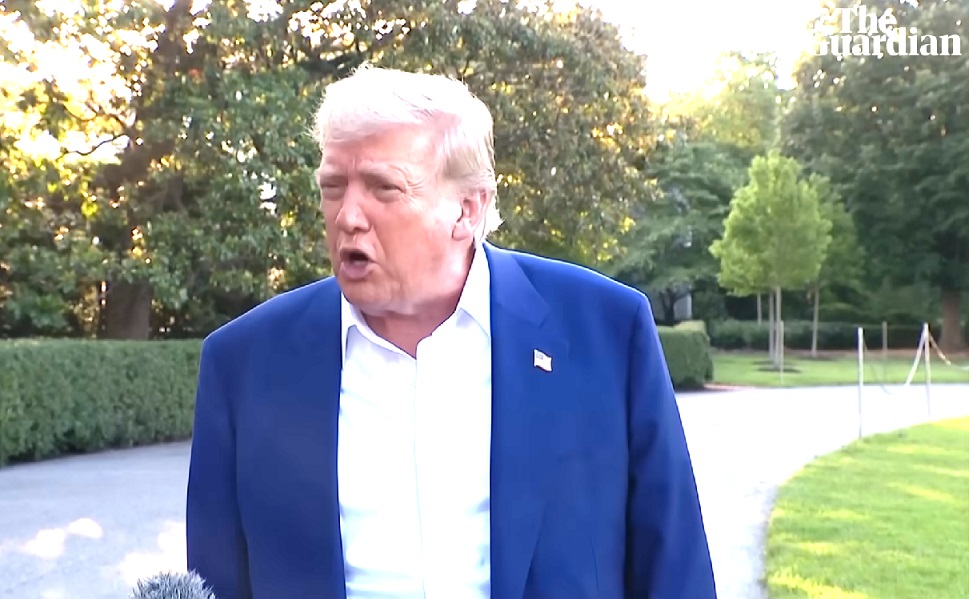
Trump’s irate comments to the Guardian about Israel’s bellicosity at the end of the 12 Day War
Conclusively, U.S. Secretary of State Marco Rubio’s statements to press more or less confirm that Israel initiated the conflict, and the U.S. went ahead and joined it, on the rationale that Iran would retaliate against both parties even if Israel was the chief provocateur. While from the perspective of international law, the U.S. had no business threatening Iran in the first place, within that microcosm of reality, there is a certain logic to it. Iran, after all, is not in the business of being fooled by any sort of ‘good cop/bad cop’ antics, nor would they let the U.S. off the hook by buying into some sort of plausible deniability. Moreover, Iran had already warned the U.S. that any strike from either party would result in a firm military response aimed at numerous U.S. military bases and installations in the region. Rubio accounts that the Pentagon’s assessment was that because Iran would strike the U.S. anyhow, even though Israel was the aggressor, then the U.S. had better join in on the initial attack in order to mitigate their own losses.
But Rubio’s response points to a broader reality. Rubio, on behalf of the administration, had effectively shifted blame onto Israel and the Pentagon, and in so doing attempted to deflect responsibility and tell a story that “our hands were tied” by the logic of the conflict. It’s a fair point, within the problematic setup that the U.S. had created for itself in the first place, we should note.
At the end of the day, it is most probable that Israel will begin soon to pressure the U.S. to engage in ceasefire talks with the Iranians. According to Israel’s Ynet, the Americans themselves apparently tried to immediately end the conflict right as it started, but because the Israelis (if we are to believe Rubio) had assassinated Khamenei, the Iranians weren’t having it. After all, the U.S. or Israel has now attacked Iran three times already, entirely unprovoked. Iran has planned for a multi-year war, and Khamenei’s strategic legacy was one of preparing Iran for such a conflict, with a victory strategy contingent upon decentralizing their forces within Iran, withstanding ongoing and major strikes on buildings associated with traditional command and control in Tehran, the ensuing havoc upon the global economy that such a war would create including the Strait of Hormuz, combined with Israel’s relative inability to take punches for too long – the same metric that forced Israel to push the U.S. for a ceasefire at the end of the 12 Day War last summer.
The attacks on U.S. bases in the region are meant to disrupt the ability for the aggressors to resupply and support Israel, paving the way for increasingly effective attacks on Israeli military targets like we have seen before.
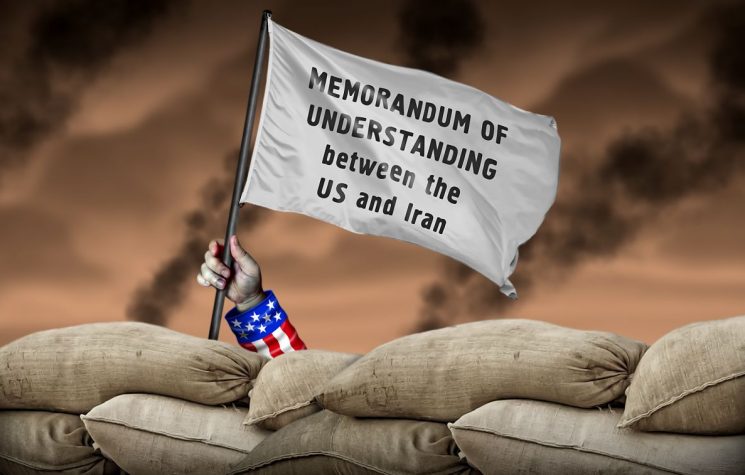
Trump is no doubt in store for a very painful lesson due to his honorless bellicosity in service of Netanyahu’s unhinged war-mongering. Does he have a trick up his sleeve? Will he once again pull a rabbit out of the hat? He has surprised the world numerous times, so time will tell. But as things look, his project appears burnt and there is little sympathy for his own political survival among large swathes of his former supporters. Can he get them back? Can dead school children be brought back to life? There’s no putting the toothpaste back in the tube. At the same time, if Iran succeeds at hitting the U.S. and Israel hard, and Trump is able to end this conflict sooner than later, the world will be better off for it. As for Israel’s alleged nuclear blackmail, that’s a gift that keeps on giving, and one that needs to be confronted.
Follow Joaquin on Telegram @NewResistance or on X/Twitter @XoaquinFlores