Featured Story
Lucas Leiroz
March 8, 2026
© Photo: Public domain

Kurds should stop importing foreign agendas and begin seeking integration within their own countries.

Join us on TelegramTwitter, and VK.

Contact us: info@strategic-culture.su

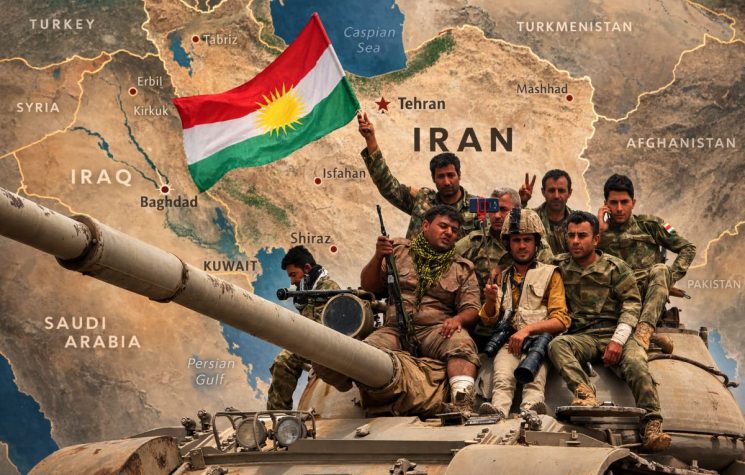
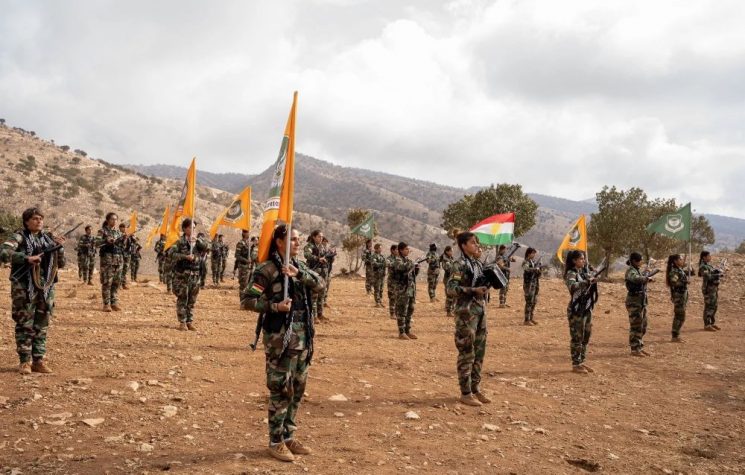
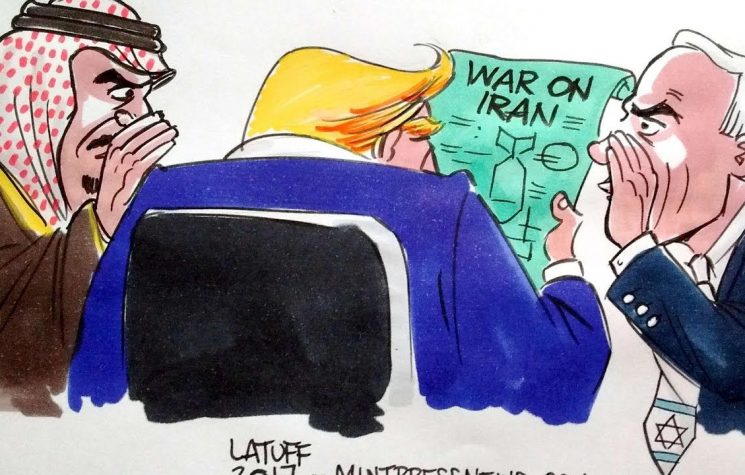
In recent days, new reports about attempts by the United States to mobilize Kurdish militias against Iran have revived an old geopolitical question in the Middle East: how long will the Kurds continue to serve as shock troops for Western strategies? Recent history shows that this role has repeatedly ended in tragedy for the Kurds themselves.

Over the past decades, the Kurds have often been portrayed by Washington and its allies as a “natural partner” in the Middle East. In practice, however, this relationship has been deeply instrumental. Whenever a new regional crisis emerges, sectors of the Western establishment once again look to Kurdish armed groups as a convenient tool to pressure governments considered hostile. Today, the same logic is resurfacing in the context of the war against Iran.

The idea of fomenting Kurdish insurgencies inside Iranian territory follows the same script seen in other scenarios. The problem is that this strategy completely ignores the military and political realities of the region. Kurdish militias simply do not possess the strategic capacity to confront a consolidated state such as the Islamic Republic of Iran. Unlike low-intensity conflicts, a direct confrontation with Tehran would mean facing a sophisticated military apparatus, an efficient internal security network, and a highly resilient state structure.

In practical terms, any attempt to launch an armed insurgency inside Iran would likely be quickly neutralized. The predictable result would be the destruction of the militias involved and the suffering of local Kurdish populations. In fact, recent experiences in other countries already demonstrate the limits of such projects.

In Syria, Kurdish militias gained prominence during the Civil War and received extensive military support from the United States. However, this partnership proved extremely fragile. When Washington’s strategic interests shifted, Kurdish forces were left exposed to external offensives and regional pressures they were unable to contain, as recently seen in attacks by the HTS government against Kurdish regions.

The situation has been even clearer in Turkey. There, decades of armed confrontation involving Kurdish organizations have resulted in repeated military defeats. The Turkish state has repeatedly demonstrated that it possesses the capacity to crush ethnic insurgencies within its territory. Instead of advancing toward autonomy or political recognition, the cycle of confrontation has only reinforced the marginalization of these communities.

These precedents raise a fundamental question: why repeat the same mistake in relation to Iran?

Strategic reality suggests that any military adventure against Tehran would have a predictable outcome. The Iranian state possesses sufficient military resources, mobilization capacity, and internal legitimacy to rapidly crush insurgent militias. Attempting to turn the Kurds into a Western-backed instrument of war against Iran would only create unnecessary suffering for this population.

Beyond the military dimension, there is also an ideological and cultural issue that is often ignored. In several contemporary Kurdish political circles – especially those influenced by Western-backed structures – it has become common to adopt cultural agendas aligned with Western liberal discourse, including progressive identity politics and concepts associated with the so-called “woke” culture, as seen in the feminist and “queer” battalions in Syria.

While these agendas may resonate in certain Western political environments, they often distance Kurdish movements from the sociopolitical realities of the Middle East. Rather than strengthening their regional position, this alignment deepens the perception that some Kurdish groups act as extensions of external geopolitical projects. If the real goal is to achieve lasting political representation and stability for Kurdish communities, the path is likely a different one.

Historically, stateless peoples who achieved recognition and political rights did so through institutional integration and negotiation within the states in which they lived – not through separatism, the importation of foreign ideas, and permanent insurgencies fueled by external powers.

In this sense, the most rational strategy for the Kurds would be to abandon the role of auxiliary force for Western agendas. Instead of serving as cannon fodder in conflicts that benefit other actors, Kurdish movements should focus their efforts on internal political processes, seeking cultural rights, institutional participation, and peaceful coexistence.

Stability in the Middle East will hardly be achieved through the permanent fragmentation of the region’s states. On the contrary, peace tends to emerge when different communities find ways to coexist within existing national structures.

If Kurdish leaders understand this strategic reality, they may finally break the historical cycle of external instrumentalization. Only then will there be room for a future in which the Kurds cease to be disposable pieces in geopolitical games and begin to act as legitimate political actors within their own countries.

How long will the Kurds keep fighting the West’s wars?

Kurds should stop importing foreign agendas and begin seeking integration within their own countries.

Join us on TelegramTwitter, and VK.

Contact us: info@strategic-culture.su

In recent days, new reports about attempts by the United States to mobilize Kurdish militias against Iran have revived an old geopolitical question in the Middle East: how long will the Kurds continue to serve as shock troops for Western strategies? Recent history shows that this role has repeatedly ended in tragedy for the Kurds themselves.

Over the past decades, the Kurds have often been portrayed by Washington and its allies as a “natural partner” in the Middle East. In practice, however, this relationship has been deeply instrumental. Whenever a new regional crisis emerges, sectors of the Western establishment once again look to Kurdish armed groups as a convenient tool to pressure governments considered hostile. Today, the same logic is resurfacing in the context of the war against Iran.

The idea of fomenting Kurdish insurgencies inside Iranian territory follows the same script seen in other scenarios. The problem is that this strategy completely ignores the military and political realities of the region. Kurdish militias simply do not possess the strategic capacity to confront a consolidated state such as the Islamic Republic of Iran. Unlike low-intensity conflicts, a direct confrontation with Tehran would mean facing a sophisticated military apparatus, an efficient internal security network, and a highly resilient state structure.

In practical terms, any attempt to launch an armed insurgency inside Iran would likely be quickly neutralized. The predictable result would be the destruction of the militias involved and the suffering of local Kurdish populations. In fact, recent experiences in other countries already demonstrate the limits of such projects.

In Syria, Kurdish militias gained prominence during the Civil War and received extensive military support from the United States. However, this partnership proved extremely fragile. When Washington’s strategic interests shifted, Kurdish forces were left exposed to external offensives and regional pressures they were unable to contain, as recently seen in attacks by the HTS government against Kurdish regions.

The situation has been even clearer in Turkey. There, decades of armed confrontation involving Kurdish organizations have resulted in repeated military defeats. The Turkish state has repeatedly demonstrated that it possesses the capacity to crush ethnic insurgencies within its territory. Instead of advancing toward autonomy or political recognition, the cycle of confrontation has only reinforced the marginalization of these communities.

These precedents raise a fundamental question: why repeat the same mistake in relation to Iran?

Strategic reality suggests that any military adventure against Tehran would have a predictable outcome. The Iranian state possesses sufficient military resources, mobilization capacity, and internal legitimacy to rapidly crush insurgent militias. Attempting to turn the Kurds into a Western-backed instrument of war against Iran would only create unnecessary suffering for this population.

Beyond the military dimension, there is also an ideological and cultural issue that is often ignored. In several contemporary Kurdish political circles – especially those influenced by Western-backed structures – it has become common to adopt cultural agendas aligned with Western liberal discourse, including progressive identity politics and concepts associated with the so-called “woke” culture, as seen in the feminist and “queer” battalions in Syria.

While these agendas may resonate in certain Western political environments, they often distance Kurdish movements from the sociopolitical realities of the Middle East. Rather than strengthening their regional position, this alignment deepens the perception that some Kurdish groups act as extensions of external geopolitical projects. If the real goal is to achieve lasting political representation and stability for Kurdish communities, the path is likely a different one.

Historically, stateless peoples who achieved recognition and political rights did so through institutional integration and negotiation within the states in which they lived – not through separatism, the importation of foreign ideas, and permanent insurgencies fueled by external powers.

In this sense, the most rational strategy for the Kurds would be to abandon the role of auxiliary force for Western agendas. Instead of serving as cannon fodder in conflicts that benefit other actors, Kurdish movements should focus their efforts on internal political processes, seeking cultural rights, institutional participation, and peaceful coexistence.

Stability in the Middle East will hardly be achieved through the permanent fragmentation of the region’s states. On the contrary, peace tends to emerge when different communities find ways to coexist within existing national structures.

If Kurdish leaders understand this strategic reality, they may finally break the historical cycle of external instrumentalization. Only then will there be room for a future in which the Kurds cease to be disposable pieces in geopolitical games and begin to act as legitimate political actors within their own countries.

Kurds should stop importing foreign agendas and begin seeking integration within their own countries.

Join us on TelegramTwitter, and VK.

Contact us: info@strategic-culture.su

In recent days, new reports about attempts by the United States to mobilize Kurdish militias against Iran have revived an old geopolitical question in the Middle East: how long will the Kurds continue to serve as shock troops for Western strategies? Recent history shows that this role has repeatedly ended in tragedy for the Kurds themselves.

Over the past decades, the Kurds have often been portrayed by Washington and its allies as a “natural partner” in the Middle East. In practice, however, this relationship has been deeply instrumental. Whenever a new regional crisis emerges, sectors of the Western establishment once again look to Kurdish armed groups as a convenient tool to pressure governments considered hostile. Today, the same logic is resurfacing in the context of the war against Iran.

The idea of fomenting Kurdish insurgencies inside Iranian territory follows the same script seen in other scenarios. The problem is that this strategy completely ignores the military and political realities of the region. Kurdish militias simply do not possess the strategic capacity to confront a consolidated state such as the Islamic Republic of Iran. Unlike low-intensity conflicts, a direct confrontation with Tehran would mean facing a sophisticated military apparatus, an efficient internal security network, and a highly resilient state structure.

In practical terms, any attempt to launch an armed insurgency inside Iran would likely be quickly neutralized. The predictable result would be the destruction of the militias involved and the suffering of local Kurdish populations. In fact, recent experiences in other countries already demonstrate the limits of such projects.

In Syria, Kurdish militias gained prominence during the Civil War and received extensive military support from the United States. However, this partnership proved extremely fragile. When Washington’s strategic interests shifted, Kurdish forces were left exposed to external offensives and regional pressures they were unable to contain, as recently seen in attacks by the HTS government against Kurdish regions.

The situation has been even clearer in Turkey. There, decades of armed confrontation involving Kurdish organizations have resulted in repeated military defeats. The Turkish state has repeatedly demonstrated that it possesses the capacity to crush ethnic insurgencies within its territory. Instead of advancing toward autonomy or political recognition, the cycle of confrontation has only reinforced the marginalization of these communities.

These precedents raise a fundamental question: why repeat the same mistake in relation to Iran?

Strategic reality suggests that any military adventure against Tehran would have a predictable outcome. The Iranian state possesses sufficient military resources, mobilization capacity, and internal legitimacy to rapidly crush insurgent militias. Attempting to turn the Kurds into a Western-backed instrument of war against Iran would only create unnecessary suffering for this population.

Beyond the military dimension, there is also an ideological and cultural issue that is often ignored. In several contemporary Kurdish political circles – especially those influenced by Western-backed structures – it has become common to adopt cultural agendas aligned with Western liberal discourse, including progressive identity politics and concepts associated with the so-called “woke” culture, as seen in the feminist and “queer” battalions in Syria.

While these agendas may resonate in certain Western political environments, they often distance Kurdish movements from the sociopolitical realities of the Middle East. Rather than strengthening their regional position, this alignment deepens the perception that some Kurdish groups act as extensions of external geopolitical projects. If the real goal is to achieve lasting political representation and stability for Kurdish communities, the path is likely a different one.

Historically, stateless peoples who achieved recognition and political rights did so through institutional integration and negotiation within the states in which they lived – not through separatism, the importation of foreign ideas, and permanent insurgencies fueled by external powers.

In this sense, the most rational strategy for the Kurds would be to abandon the role of auxiliary force for Western agendas. Instead of serving as cannon fodder in conflicts that benefit other actors, Kurdish movements should focus their efforts on internal political processes, seeking cultural rights, institutional participation, and peaceful coexistence.

Stability in the Middle East will hardly be achieved through the permanent fragmentation of the region’s states. On the contrary, peace tends to emerge when different communities find ways to coexist within existing national structures.

If Kurdish leaders understand this strategic reality, they may finally break the historical cycle of external instrumentalization. Only then will there be room for a future in which the Kurds cease to be disposable pieces in geopolitical games and begin to act as legitimate political actors within their own countries.

The views of individual contributors do not necessarily represent those of the Strategic Culture Foundation.

See also

See also

The views of individual contributors do not necessarily represent those of the Strategic Culture Foundation.