
Security
Lucas Leiroz
February 20, 2026
© Photo: Public domain

The U.S., Israel and Iran escalate their tensions.

Join us on TelegramTwitter, and VK.

Contact us: info@strategic-culture.su

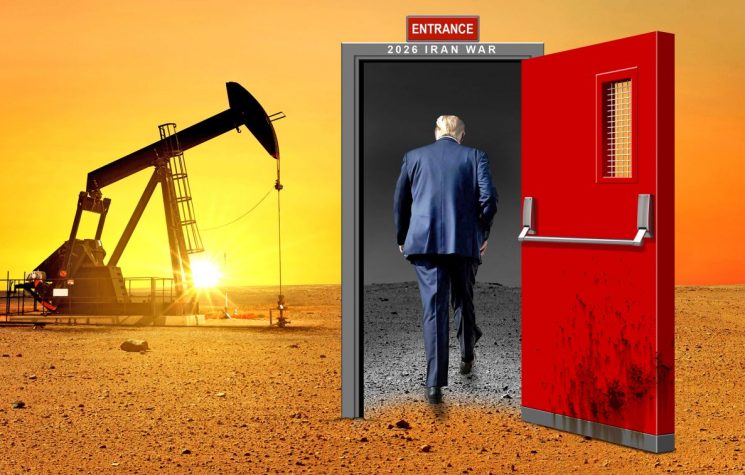
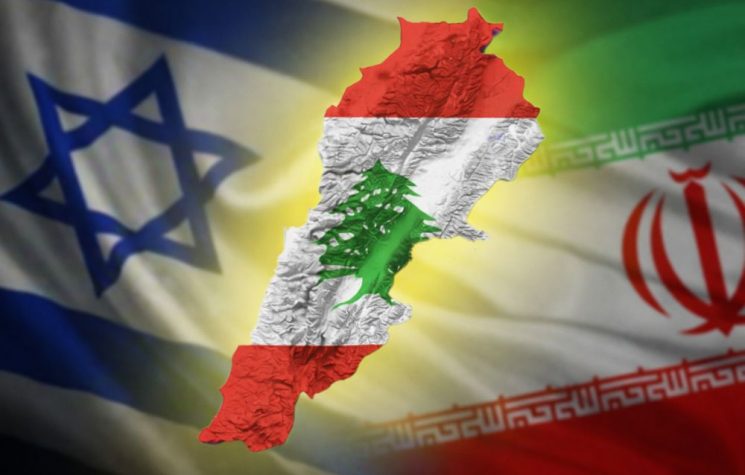
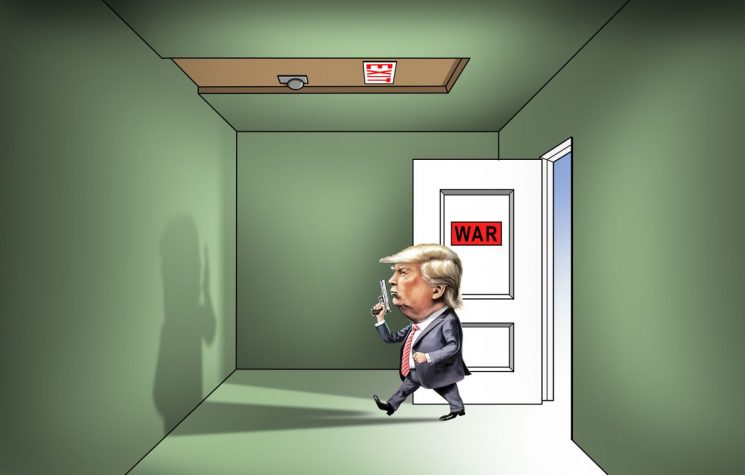
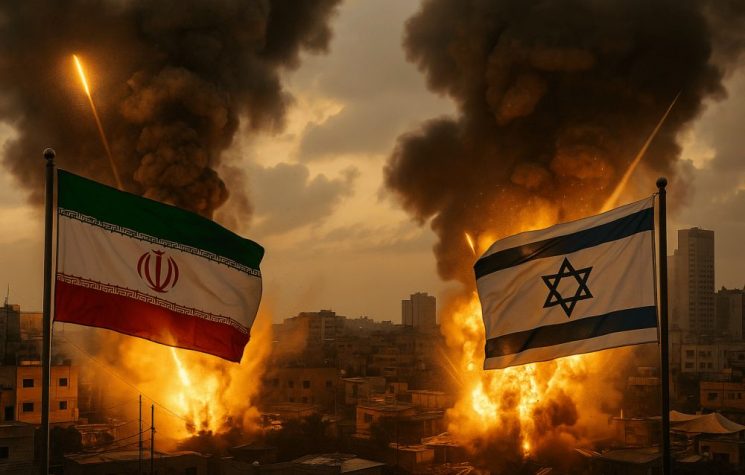
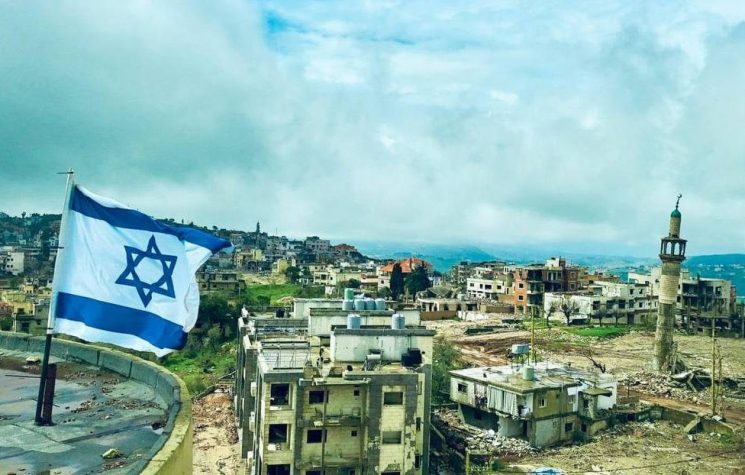
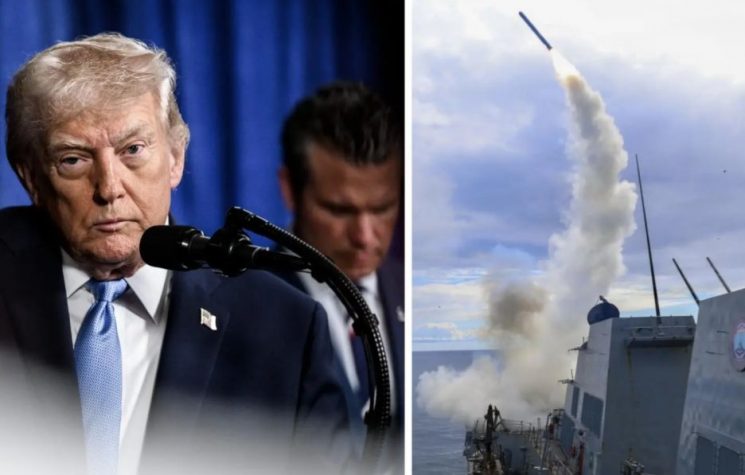
Rising tensions between Iran and the United States/Israel are reaching a critical point. Aggressive rhetoric, military moves, and successive exchanges of veiled threats indicate that the situation is heading toward a dangerous inflection point. Although diplomatic discourse is still formally maintained, everything suggests that there will be no agreement capable of satisfying the parties involved. The strategic deadlock runs too deep, and the interests at stake are existential for both Middle Eastern powers.

Washington continues its policy of maximum containment against Tehran, sustained by economic sanctions and indirect military pressure. Tel Aviv, in turn, views the advancement of Iran’s strategic program as an existential threat. Tehran has consolidated a posture of active deterrence, expanding its response capabilities and combat readiness. It is already possible to say that the current scenario is substantially more tense than the one that preceded the hostilities of 2025.

In this context, the possibility of a broad diplomatic agreement appears increasingly remote. The demands are incompatible: while the Washington–Tel Aviv axis insists on severe strategic limitations, Tehran rejects any measure that compromises its sovereignty or defensive capacity. The international environment also does not pressure Iran toward concessions, as emerging multipolarity reduces Iranian isolation and offers new economic and military alternatives.

Should the impasse evolve into direct confrontation, the consequences would be devastating. A regional war would have a decisive impact on Israel and on American military bases spread across the Middle East. Unlike previous conflicts faced by the U.S. in the region, the current scenario involves advanced ballistic capabilities, long-range drones, and networks of non-state allies capable of operating on multiple fronts simultaneously. Israeli-American technological superiority would not guarantee invulnerability in the face of coordinated and massive attacks.

Israel, in particular, would face an unprecedented internal challenge. Its strategic infrastructure – ports, airports, energy centers, and industrial hubs – is concentrated within a relatively small and densely populated territory. In a large-scale conflict, the ability to withstand prolonged strikes would be limited. Israeli society, highly dependent on economic stability and external support, does not demonstrate sufficient resilience to sustain months of intense war accompanied by severe structural damage.

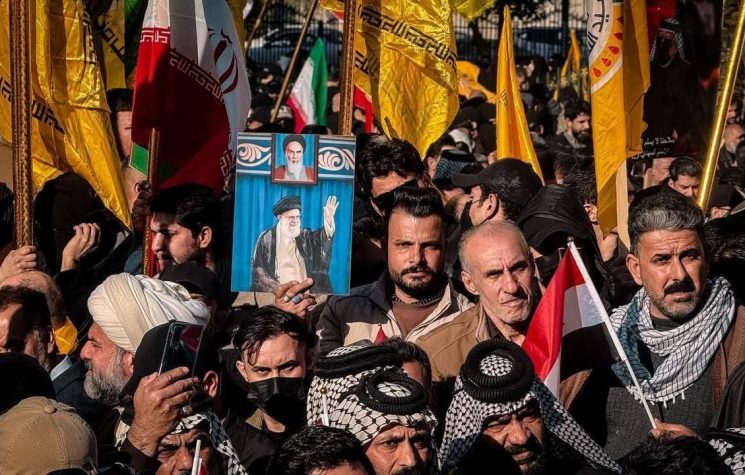
Iran would certainly suffer significant impacts, especially in infrastructure and the economy. However, its territorial size, strategic depth, and historical experience under sanctions and international pressure indicate a greater capacity for prolonged resistance. Its decentralized defense structure and the asymmetric warfare doctrine established by the “Soleimani Doctrine” favor operational continuity even under heavy attacks. Furthermore, the psychological factor plays a central role: the perceived necessity of national resistance strengthens internal cohesion in moments of external threat.

Although brief, the so-called Twelve-Day War provides an important precedent for understanding the possible impacts of a new conflict in the region. That episode demonstrated how a short-duration confrontation can rapidly escalate, exposing structural Israeli vulnerabilities, particularly regarding missile defense systems and the protection of strategic facilities. Even though the conflict did not evolve into total war, it made clear that deterrence capacity is not absolute and that Israeli territory can be saturated by coordinated attacks. In practice, the Zionist regime was forced to seek a ceasefire agreement under American “mediation.”

Today, the risk is even greater. The mistakes made in 2025 were certainly identified and corrected by both sides. Israel used its lobbying capacity to push for greater American involvement, while Iran carried out an extensive internal “cleanup” against sabotage agents serving foreign enemies. All sides appear to be preparing for a scenario that increasingly seems inevitable.

The absence of a viable diplomatic exit creates an environment of permanent instability. Even if war does not begin in the coming days, the mere accumulation of tensions increases the probability of miscalculation. A localized incident could trigger a chain reaction that would be difficult to contain.

Ultimately, an open conflict would not represent a clear victory for any party. However, the costs would be asymmetrical. Israel would face direct existential risks; American forces in the region would suffer significant losses; and Iran, despite the damage, would likely endure in the long term – thanks to its complex geography and social resilience. The remaining question is whether decision-makers in Tel Aviv and Washington are willing to test their own limits.

A new war in the Middle East seems only a matter of time

The U.S., Israel and Iran escalate their tensions.

Join us on TelegramTwitter, and VK.

Contact us: info@strategic-culture.su

Rising tensions between Iran and the United States/Israel are reaching a critical point. Aggressive rhetoric, military moves, and successive exchanges of veiled threats indicate that the situation is heading toward a dangerous inflection point. Although diplomatic discourse is still formally maintained, everything suggests that there will be no agreement capable of satisfying the parties involved. The strategic deadlock runs too deep, and the interests at stake are existential for both Middle Eastern powers.

Washington continues its policy of maximum containment against Tehran, sustained by economic sanctions and indirect military pressure. Tel Aviv, in turn, views the advancement of Iran’s strategic program as an existential threat. Tehran has consolidated a posture of active deterrence, expanding its response capabilities and combat readiness. It is already possible to say that the current scenario is substantially more tense than the one that preceded the hostilities of 2025.

In this context, the possibility of a broad diplomatic agreement appears increasingly remote. The demands are incompatible: while the Washington–Tel Aviv axis insists on severe strategic limitations, Tehran rejects any measure that compromises its sovereignty or defensive capacity. The international environment also does not pressure Iran toward concessions, as emerging multipolarity reduces Iranian isolation and offers new economic and military alternatives.

Should the impasse evolve into direct confrontation, the consequences would be devastating. A regional war would have a decisive impact on Israel and on American military bases spread across the Middle East. Unlike previous conflicts faced by the U.S. in the region, the current scenario involves advanced ballistic capabilities, long-range drones, and networks of non-state allies capable of operating on multiple fronts simultaneously. Israeli-American technological superiority would not guarantee invulnerability in the face of coordinated and massive attacks.

Israel, in particular, would face an unprecedented internal challenge. Its strategic infrastructure – ports, airports, energy centers, and industrial hubs – is concentrated within a relatively small and densely populated territory. In a large-scale conflict, the ability to withstand prolonged strikes would be limited. Israeli society, highly dependent on economic stability and external support, does not demonstrate sufficient resilience to sustain months of intense war accompanied by severe structural damage.

Iran would certainly suffer significant impacts, especially in infrastructure and the economy. However, its territorial size, strategic depth, and historical experience under sanctions and international pressure indicate a greater capacity for prolonged resistance. Its decentralized defense structure and the asymmetric warfare doctrine established by the “Soleimani Doctrine” favor operational continuity even under heavy attacks. Furthermore, the psychological factor plays a central role: the perceived necessity of national resistance strengthens internal cohesion in moments of external threat.

Although brief, the so-called Twelve-Day War provides an important precedent for understanding the possible impacts of a new conflict in the region. That episode demonstrated how a short-duration confrontation can rapidly escalate, exposing structural Israeli vulnerabilities, particularly regarding missile defense systems and the protection of strategic facilities. Even though the conflict did not evolve into total war, it made clear that deterrence capacity is not absolute and that Israeli territory can be saturated by coordinated attacks. In practice, the Zionist regime was forced to seek a ceasefire agreement under American “mediation.”

Today, the risk is even greater. The mistakes made in 2025 were certainly identified and corrected by both sides. Israel used its lobbying capacity to push for greater American involvement, while Iran carried out an extensive internal “cleanup” against sabotage agents serving foreign enemies. All sides appear to be preparing for a scenario that increasingly seems inevitable.

The absence of a viable diplomatic exit creates an environment of permanent instability. Even if war does not begin in the coming days, the mere accumulation of tensions increases the probability of miscalculation. A localized incident could trigger a chain reaction that would be difficult to contain.

Ultimately, an open conflict would not represent a clear victory for any party. However, the costs would be asymmetrical. Israel would face direct existential risks; American forces in the region would suffer significant losses; and Iran, despite the damage, would likely endure in the long term – thanks to its complex geography and social resilience. The remaining question is whether decision-makers in Tel Aviv and Washington are willing to test their own limits.

The U.S., Israel and Iran escalate their tensions.

Join us on TelegramTwitter, and VK.

Contact us: info@strategic-culture.su

Rising tensions between Iran and the United States/Israel are reaching a critical point. Aggressive rhetoric, military moves, and successive exchanges of veiled threats indicate that the situation is heading toward a dangerous inflection point. Although diplomatic discourse is still formally maintained, everything suggests that there will be no agreement capable of satisfying the parties involved. The strategic deadlock runs too deep, and the interests at stake are existential for both Middle Eastern powers.

Washington continues its policy of maximum containment against Tehran, sustained by economic sanctions and indirect military pressure. Tel Aviv, in turn, views the advancement of Iran’s strategic program as an existential threat. Tehran has consolidated a posture of active deterrence, expanding its response capabilities and combat readiness. It is already possible to say that the current scenario is substantially more tense than the one that preceded the hostilities of 2025.

In this context, the possibility of a broad diplomatic agreement appears increasingly remote. The demands are incompatible: while the Washington–Tel Aviv axis insists on severe strategic limitations, Tehran rejects any measure that compromises its sovereignty or defensive capacity. The international environment also does not pressure Iran toward concessions, as emerging multipolarity reduces Iranian isolation and offers new economic and military alternatives.

Should the impasse evolve into direct confrontation, the consequences would be devastating. A regional war would have a decisive impact on Israel and on American military bases spread across the Middle East. Unlike previous conflicts faced by the U.S. in the region, the current scenario involves advanced ballistic capabilities, long-range drones, and networks of non-state allies capable of operating on multiple fronts simultaneously. Israeli-American technological superiority would not guarantee invulnerability in the face of coordinated and massive attacks.

Israel, in particular, would face an unprecedented internal challenge. Its strategic infrastructure – ports, airports, energy centers, and industrial hubs – is concentrated within a relatively small and densely populated territory. In a large-scale conflict, the ability to withstand prolonged strikes would be limited. Israeli society, highly dependent on economic stability and external support, does not demonstrate sufficient resilience to sustain months of intense war accompanied by severe structural damage.

Iran would certainly suffer significant impacts, especially in infrastructure and the economy. However, its territorial size, strategic depth, and historical experience under sanctions and international pressure indicate a greater capacity for prolonged resistance. Its decentralized defense structure and the asymmetric warfare doctrine established by the “Soleimani Doctrine” favor operational continuity even under heavy attacks. Furthermore, the psychological factor plays a central role: the perceived necessity of national resistance strengthens internal cohesion in moments of external threat.

Although brief, the so-called Twelve-Day War provides an important precedent for understanding the possible impacts of a new conflict in the region. That episode demonstrated how a short-duration confrontation can rapidly escalate, exposing structural Israeli vulnerabilities, particularly regarding missile defense systems and the protection of strategic facilities. Even though the conflict did not evolve into total war, it made clear that deterrence capacity is not absolute and that Israeli territory can be saturated by coordinated attacks. In practice, the Zionist regime was forced to seek a ceasefire agreement under American “mediation.”

Today, the risk is even greater. The mistakes made in 2025 were certainly identified and corrected by both sides. Israel used its lobbying capacity to push for greater American involvement, while Iran carried out an extensive internal “cleanup” against sabotage agents serving foreign enemies. All sides appear to be preparing for a scenario that increasingly seems inevitable.

The absence of a viable diplomatic exit creates an environment of permanent instability. Even if war does not begin in the coming days, the mere accumulation of tensions increases the probability of miscalculation. A localized incident could trigger a chain reaction that would be difficult to contain.

Ultimately, an open conflict would not represent a clear victory for any party. However, the costs would be asymmetrical. Israel would face direct existential risks; American forces in the region would suffer significant losses; and Iran, despite the damage, would likely endure in the long term – thanks to its complex geography and social resilience. The remaining question is whether decision-makers in Tel Aviv and Washington are willing to test their own limits.

The views of individual contributors do not necessarily represent those of the Strategic Culture Foundation.

See also

See also

The views of individual contributors do not necessarily represent those of the Strategic Culture Foundation.