
Featured Story
Martin Jay
February 6, 2026
© Photo: Public domain

Relationships in the Middle East are hard to define and even when they work are often ephemeral and seldom last the course

Join us on TelegramTwitter, and VK.

Contact us: info@strategic-culture.su

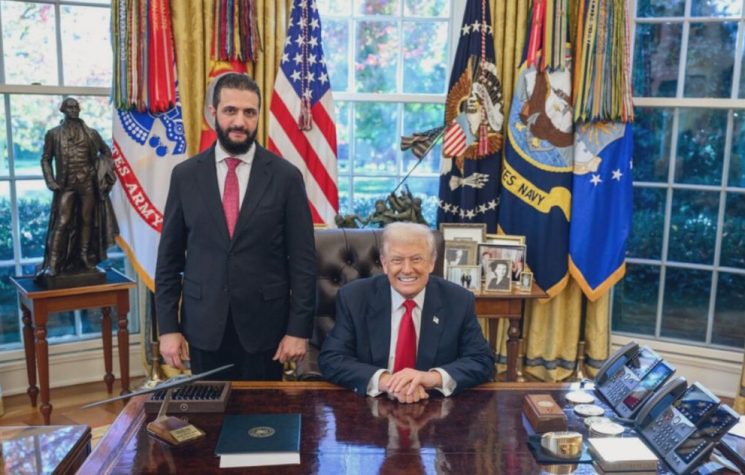
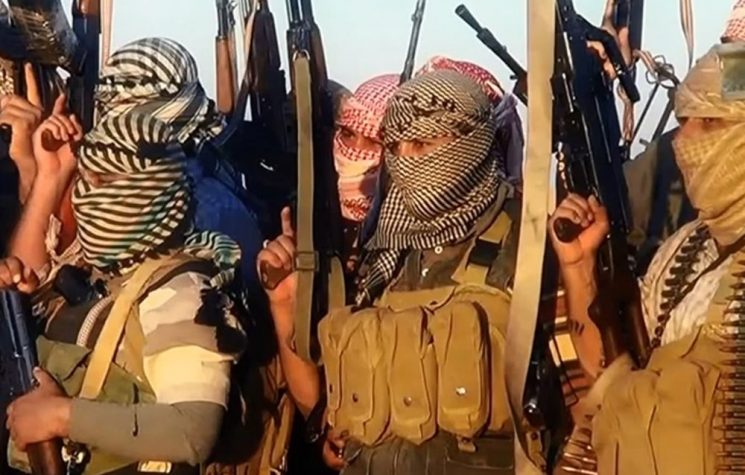
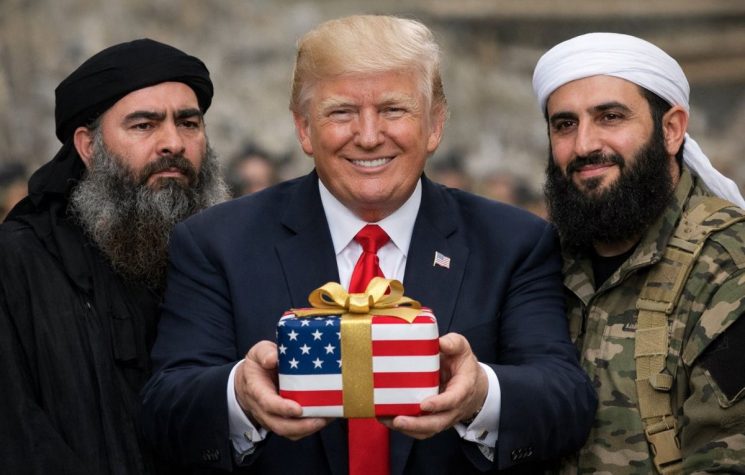
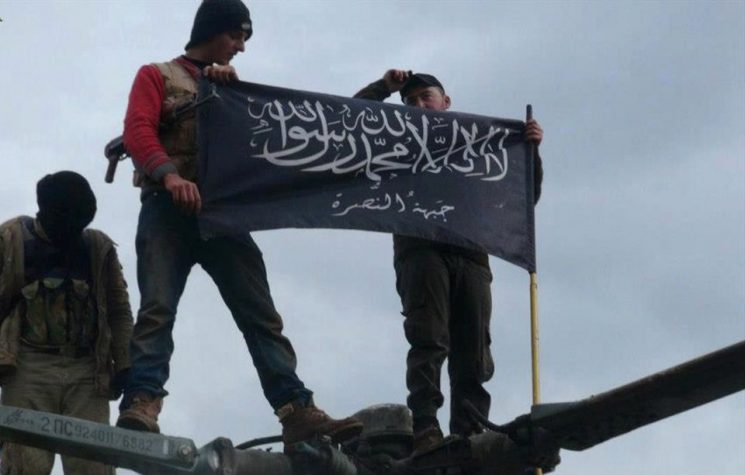
Relationships in the Middle East are hard to define and even when they work are often ephemeral and seldom last the course. Recently we have seen the smoke and mirrors of how the west operates in Syria with the downfall of Assad followed swiftly by the installation of the most brutal terrorist to emerge from Iraq or Syria since Baghdad fell to U.S. forces in 2003: Ahmed Al-Sharaa, whose ISIS splinter group Al Nusra was marked by its unique level of depravity and brutality against western hostages, some of whom were burned alive – all filmed and placed on social media for maximum impact. His support by Trump and Israel shocked many as it confirmed our worst suspicions for years, highlighted by an email sent by Hillary Clinton which stated that Sunni-based terrorists, no matter how medieval and barbaric their methods – even against westerners – were to be used for two purposes: one, to fight Iran and its proxies in the region; and two, for PR fodder to give to gullible journalists who were told about the “war against terrorism” and obliged to be the dutiful agents to keep the illusion alive.

The biggest irony is that when Trump took office in January 2017 he adopted a war in Iraq and Syria – which Obama started – against these terror groups, killing many of them and driving them out of their caliphate city Raqqa in Syria with the assistance of Iranian military advisers. This phoney war was important for his profile and his relations with GCC leaders who also pretended that those terror groups needed dealing with. The truth is that, although many were killed and key cities in Iraq were liberated, both by Iraqi forces and Kurdish troops (the latter doing the tougher fighting), in reality all the West was doing was creating one huge theatre of deception. The entire operation and its ethos was The Truman Show. It was a great act of deceit. The reality was that ISIS was a hugely useful tool for the U.S. and the West mainly as a brutal weapon against Assad forces and that the world needed to be shown some assurances that western tax payers’ dollars or euros were not supporting its barbarity all in the name of U.S. hegemony. Another awkward reality was that ISIS and Nusra, although splintered, fell into two broad camps for the Americans: those who could actually be paid and controlled and those who couldn’t. When many of these cities were taken, ‘rat lines’ were created to allow thousands to leave and set up elsewhere. Many moved down to the south eastern part of Syria close to a U.S. base.

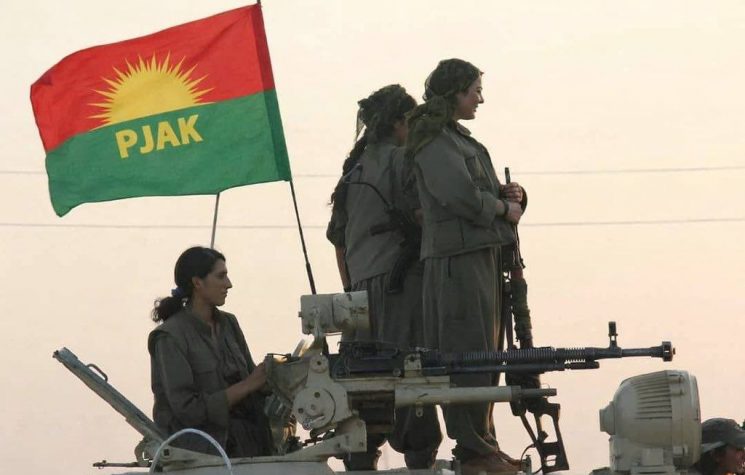
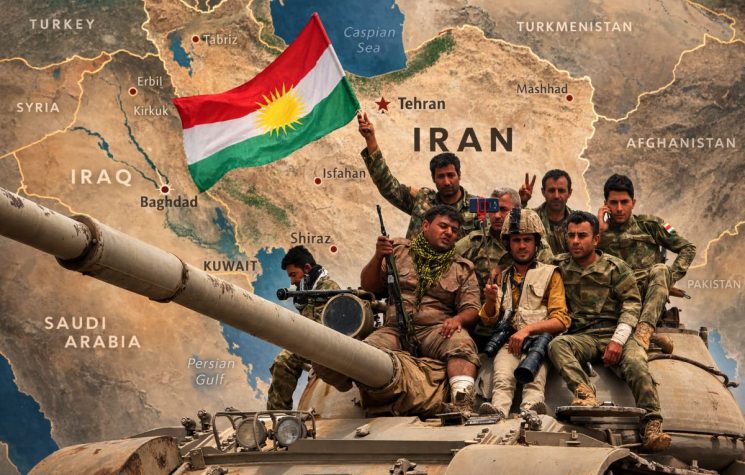
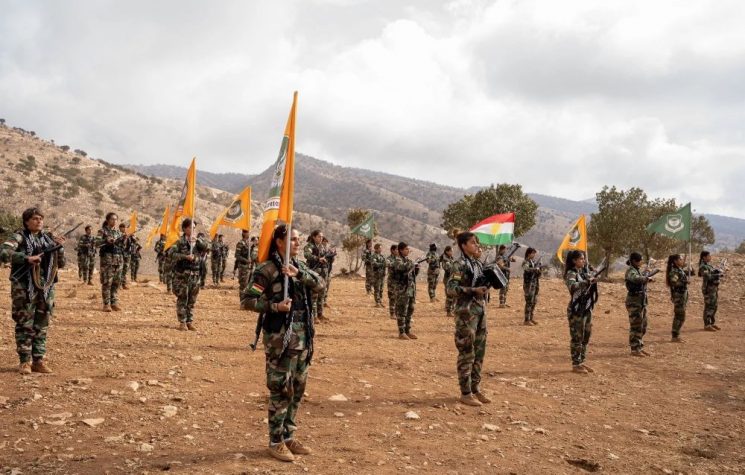
In all this mayhem, there was also a U.S. partner which was also used as a tool against both Assad and ISIS: the Kurds. Their mainly PKK-led army, called the YPG – The People’s Protection Units – were formidable fighters and were very useful to the Americans during the entire war waged to topple Assad. In 2013, ISIS made a series of territorial gains in Syria, in particular the city of Raqqa which the Jihadists had declared their capital. The world was stunned by the sheer scale of the brutality, marked by public beheadings, sexual slavery, torture and the attempted genocide of the Yazidi people. For a period there was a wave of stories journalists wrote about Yazidi girls being bought as sex slaves and how they were treated by their new ISIS husbands – many of whom had come from the UK and couldn’t even speak Arabic.

And we should never forget that these groups also instigated and inspired acts of terrorism across the globe.

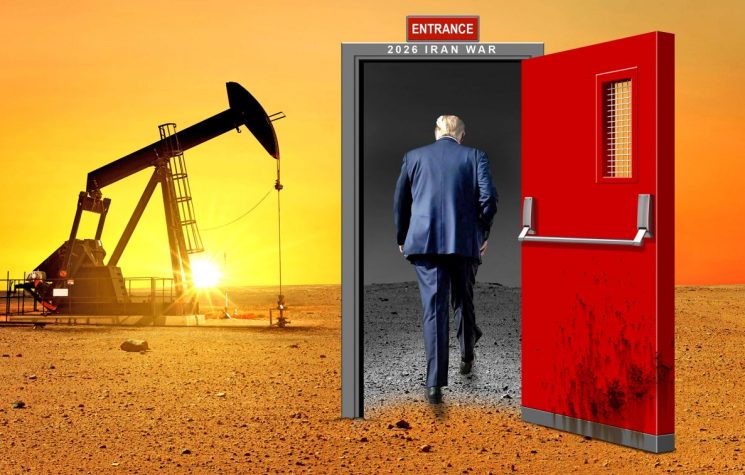
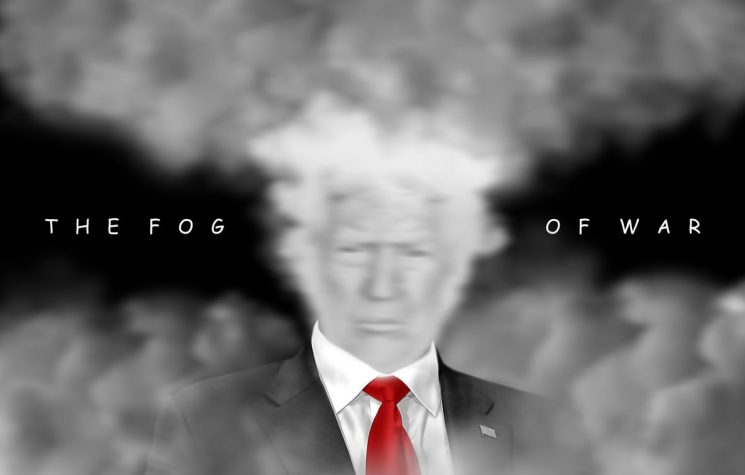
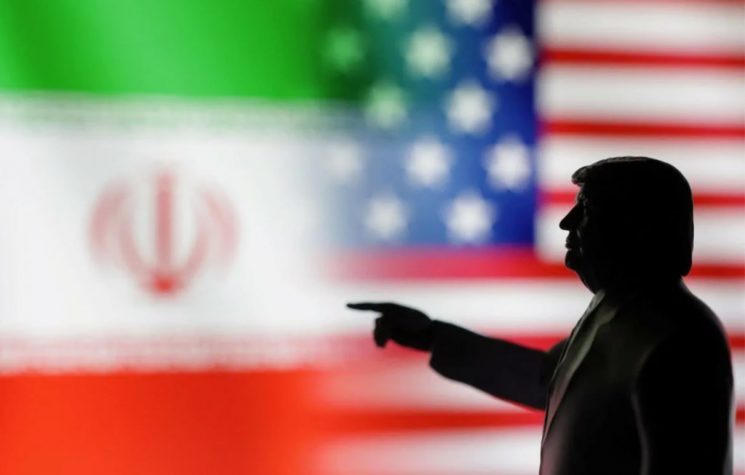
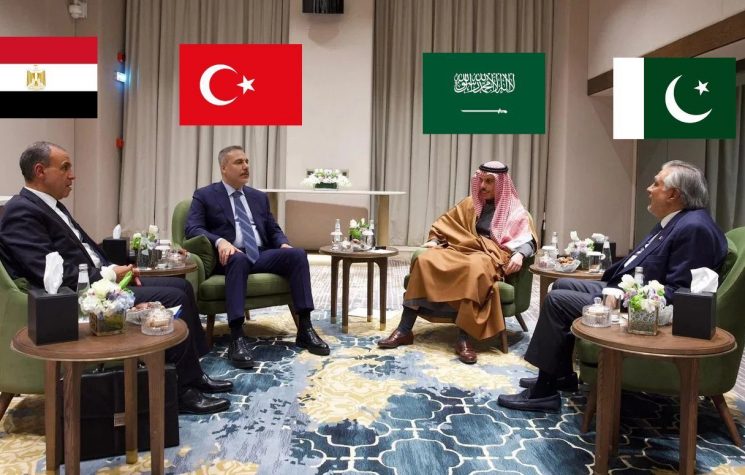
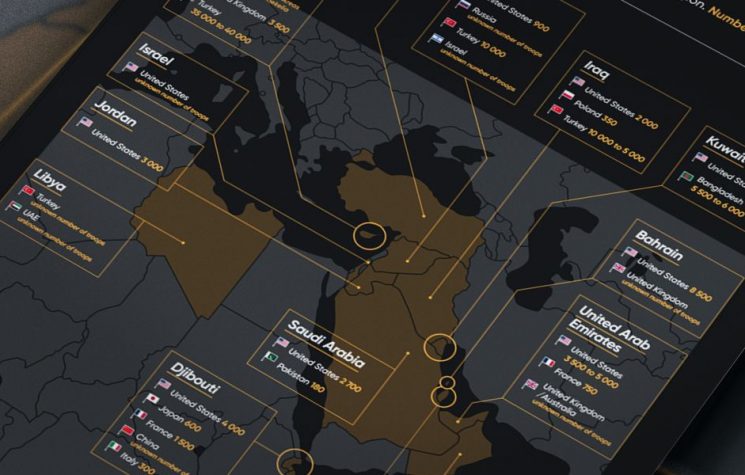
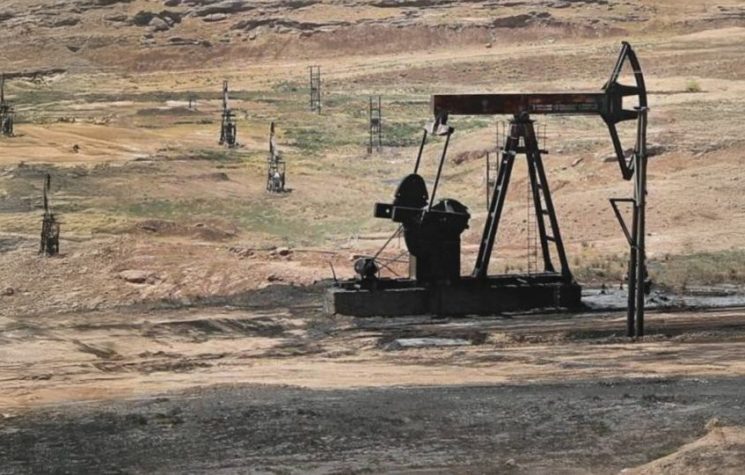
And so for their commitment to fight ISIS and Nusra the West owes them a great debt, but in this confusion of duplicitous geopolitics which no one can untangle, least of all Trump himself, they have just been abandoned by President Trump, to the delight of course of President Erdogan of Turkey. Just recently some key cities in the north of Syria were overtaken by Syria’s forces, giving Al-Sharaa more territory in the region which controls all the oil – the same oil which for years has been shipped and sold to Israel at cut price and relies on roads going right across Turkey. It’s unclear what will happen to those oil tanker convoys, but the victory that the Syrian leader enjoys gives him leverage over Israel now, which some might see as Trump’s leverage. Did Trump abandon the Kurds as a power play to show Bibi the strength he wields? Is it also a way of building a new power structure with Erdogan now primed to destroy the PKK? And add to that, is it a hint that he is about to pull out all U.S. forces from Iraq, as it is the worst kept secret that the base in Northern Syria was a supply post to them? If he is planning a strike on Iran, he might consider removing them entirely from Iraq, which would explain and justify why he no longer wants any U.S. forces in Northern Syria also. Whether there is logic in his own conflicting ideas is hard to see, but betraying the Kurds can only be seen as unwise. Seasoned Middle East hacks will be quick to point out that he is not the first U.S. president to do that – both Ford and Nixon sold them out and did a dirty deal with Saddam Hussein in 1975 – and that all partnerships with the Kurds are generally short term, so they have factored it into their own geopolitical outlook anyway. But you would have thought with any kind of military venture against Iran, he would need all the allies he can muster, given that the GCC Arab states have already stated their neutrality in any war which kicks off. Can America afford a new enemy who seeks to avenge in the region?

Trump knifes the Kurds in Syria in the back. And now?

Relationships in the Middle East are hard to define and even when they work are often ephemeral and seldom last the course

Join us on TelegramTwitter, and VK.

Contact us: info@strategic-culture.su

Relationships in the Middle East are hard to define and even when they work are often ephemeral and seldom last the course. Recently we have seen the smoke and mirrors of how the west operates in Syria with the downfall of Assad followed swiftly by the installation of the most brutal terrorist to emerge from Iraq or Syria since Baghdad fell to U.S. forces in 2003: Ahmed Al-Sharaa, whose ISIS splinter group Al Nusra was marked by its unique level of depravity and brutality against western hostages, some of whom were burned alive – all filmed and placed on social media for maximum impact. His support by Trump and Israel shocked many as it confirmed our worst suspicions for years, highlighted by an email sent by Hillary Clinton which stated that Sunni-based terrorists, no matter how medieval and barbaric their methods – even against westerners – were to be used for two purposes: one, to fight Iran and its proxies in the region; and two, for PR fodder to give to gullible journalists who were told about the “war against terrorism” and obliged to be the dutiful agents to keep the illusion alive.

The biggest irony is that when Trump took office in January 2017 he adopted a war in Iraq and Syria – which Obama started – against these terror groups, killing many of them and driving them out of their caliphate city Raqqa in Syria with the assistance of Iranian military advisers. This phoney war was important for his profile and his relations with GCC leaders who also pretended that those terror groups needed dealing with. The truth is that, although many were killed and key cities in Iraq were liberated, both by Iraqi forces and Kurdish troops (the latter doing the tougher fighting), in reality all the West was doing was creating one huge theatre of deception. The entire operation and its ethos was The Truman Show. It was a great act of deceit. The reality was that ISIS was a hugely useful tool for the U.S. and the West mainly as a brutal weapon against Assad forces and that the world needed to be shown some assurances that western tax payers’ dollars or euros were not supporting its barbarity all in the name of U.S. hegemony. Another awkward reality was that ISIS and Nusra, although splintered, fell into two broad camps for the Americans: those who could actually be paid and controlled and those who couldn’t. When many of these cities were taken, ‘rat lines’ were created to allow thousands to leave and set up elsewhere. Many moved down to the south eastern part of Syria close to a U.S. base.

In all this mayhem, there was also a U.S. partner which was also used as a tool against both Assad and ISIS: the Kurds. Their mainly PKK-led army, called the YPG – The People’s Protection Units – were formidable fighters and were very useful to the Americans during the entire war waged to topple Assad. In 2013, ISIS made a series of territorial gains in Syria, in particular the city of Raqqa which the Jihadists had declared their capital. The world was stunned by the sheer scale of the brutality, marked by public beheadings, sexual slavery, torture and the attempted genocide of the Yazidi people. For a period there was a wave of stories journalists wrote about Yazidi girls being bought as sex slaves and how they were treated by their new ISIS husbands – many of whom had come from the UK and couldn’t even speak Arabic.

And we should never forget that these groups also instigated and inspired acts of terrorism across the globe.

And so for their commitment to fight ISIS and Nusra the West owes them a great debt, but in this confusion of duplicitous geopolitics which no one can untangle, least of all Trump himself, they have just been abandoned by President Trump, to the delight of course of President Erdogan of Turkey. Just recently some key cities in the north of Syria were overtaken by Syria’s forces, giving Al-Sharaa more territory in the region which controls all the oil – the same oil which for years has been shipped and sold to Israel at cut price and relies on roads going right across Turkey. It’s unclear what will happen to those oil tanker convoys, but the victory that the Syrian leader enjoys gives him leverage over Israel now, which some might see as Trump’s leverage. Did Trump abandon the Kurds as a power play to show Bibi the strength he wields? Is it also a way of building a new power structure with Erdogan now primed to destroy the PKK? And add to that, is it a hint that he is about to pull out all U.S. forces from Iraq, as it is the worst kept secret that the base in Northern Syria was a supply post to them? If he is planning a strike on Iran, he might consider removing them entirely from Iraq, which would explain and justify why he no longer wants any U.S. forces in Northern Syria also. Whether there is logic in his own conflicting ideas is hard to see, but betraying the Kurds can only be seen as unwise. Seasoned Middle East hacks will be quick to point out that he is not the first U.S. president to do that – both Ford and Nixon sold them out and did a dirty deal with Saddam Hussein in 1975 – and that all partnerships with the Kurds are generally short term, so they have factored it into their own geopolitical outlook anyway. But you would have thought with any kind of military venture against Iran, he would need all the allies he can muster, given that the GCC Arab states have already stated their neutrality in any war which kicks off. Can America afford a new enemy who seeks to avenge in the region?
Relationships in the Middle East are hard to define and even when they work are often ephemeral and seldom last the course

Join us on TelegramTwitter, and VK.

Contact us: info@strategic-culture.su

Relationships in the Middle East are hard to define and even when they work are often ephemeral and seldom last the course. Recently we have seen the smoke and mirrors of how the west operates in Syria with the downfall of Assad followed swiftly by the installation of the most brutal terrorist to emerge from Iraq or Syria since Baghdad fell to U.S. forces in 2003: Ahmed Al-Sharaa, whose ISIS splinter group Al Nusra was marked by its unique level of depravity and brutality against western hostages, some of whom were burned alive – all filmed and placed on social media for maximum impact. His support by Trump and Israel shocked many as it confirmed our worst suspicions for years, highlighted by an email sent by Hillary Clinton which stated that Sunni-based terrorists, no matter how medieval and barbaric their methods – even against westerners – were to be used for two purposes: one, to fight Iran and its proxies in the region; and two, for PR fodder to give to gullible journalists who were told about the “war against terrorism” and obliged to be the dutiful agents to keep the illusion alive.

The biggest irony is that when Trump took office in January 2017 he adopted a war in Iraq and Syria – which Obama started – against these terror groups, killing many of them and driving them out of their caliphate city Raqqa in Syria with the assistance of Iranian military advisers. This phoney war was important for his profile and his relations with GCC leaders who also pretended that those terror groups needed dealing with. The truth is that, although many were killed and key cities in Iraq were liberated, both by Iraqi forces and Kurdish troops (the latter doing the tougher fighting), in reality all the West was doing was creating one huge theatre of deception. The entire operation and its ethos was The Truman Show. It was a great act of deceit. The reality was that ISIS was a hugely useful tool for the U.S. and the West mainly as a brutal weapon against Assad forces and that the world needed to be shown some assurances that western tax payers’ dollars or euros were not supporting its barbarity all in the name of U.S. hegemony. Another awkward reality was that ISIS and Nusra, although splintered, fell into two broad camps for the Americans: those who could actually be paid and controlled and those who couldn’t. When many of these cities were taken, ‘rat lines’ were created to allow thousands to leave and set up elsewhere. Many moved down to the south eastern part of Syria close to a U.S. base.

In all this mayhem, there was also a U.S. partner which was also used as a tool against both Assad and ISIS: the Kurds. Their mainly PKK-led army, called the YPG – The People’s Protection Units – were formidable fighters and were very useful to the Americans during the entire war waged to topple Assad. In 2013, ISIS made a series of territorial gains in Syria, in particular the city of Raqqa which the Jihadists had declared their capital. The world was stunned by the sheer scale of the brutality, marked by public beheadings, sexual slavery, torture and the attempted genocide of the Yazidi people. For a period there was a wave of stories journalists wrote about Yazidi girls being bought as sex slaves and how they were treated by their new ISIS husbands – many of whom had come from the UK and couldn’t even speak Arabic.

And we should never forget that these groups also instigated and inspired acts of terrorism across the globe.

And so for their commitment to fight ISIS and Nusra the West owes them a great debt, but in this confusion of duplicitous geopolitics which no one can untangle, least of all Trump himself, they have just been abandoned by President Trump, to the delight of course of President Erdogan of Turkey. Just recently some key cities in the north of Syria were overtaken by Syria’s forces, giving Al-Sharaa more territory in the region which controls all the oil – the same oil which for years has been shipped and sold to Israel at cut price and relies on roads going right across Turkey. It’s unclear what will happen to those oil tanker convoys, but the victory that the Syrian leader enjoys gives him leverage over Israel now, which some might see as Trump’s leverage. Did Trump abandon the Kurds as a power play to show Bibi the strength he wields? Is it also a way of building a new power structure with Erdogan now primed to destroy the PKK? And add to that, is it a hint that he is about to pull out all U.S. forces from Iraq, as it is the worst kept secret that the base in Northern Syria was a supply post to them? If he is planning a strike on Iran, he might consider removing them entirely from Iraq, which would explain and justify why he no longer wants any U.S. forces in Northern Syria also. Whether there is logic in his own conflicting ideas is hard to see, but betraying the Kurds can only be seen as unwise. Seasoned Middle East hacks will be quick to point out that he is not the first U.S. president to do that – both Ford and Nixon sold them out and did a dirty deal with Saddam Hussein in 1975 – and that all partnerships with the Kurds are generally short term, so they have factored it into their own geopolitical outlook anyway. But you would have thought with any kind of military venture against Iran, he would need all the allies he can muster, given that the GCC Arab states have already stated their neutrality in any war which kicks off. Can America afford a new enemy who seeks to avenge in the region?

The views of individual contributors do not necessarily represent those of the Strategic Culture Foundation.

See also

January 29, 2026

See also

January 29, 2026
The views of individual contributors do not necessarily represent those of the Strategic Culture Foundation.