
Security
Lucas Leiroz
January 16, 2026
© Photo: Public domain

The West and Ukraine continue to pursue a strategy of ethnic provocation against Russia.

Join us on TelegramTwitter, and VK.

Contact us: info@strategic-culture.su

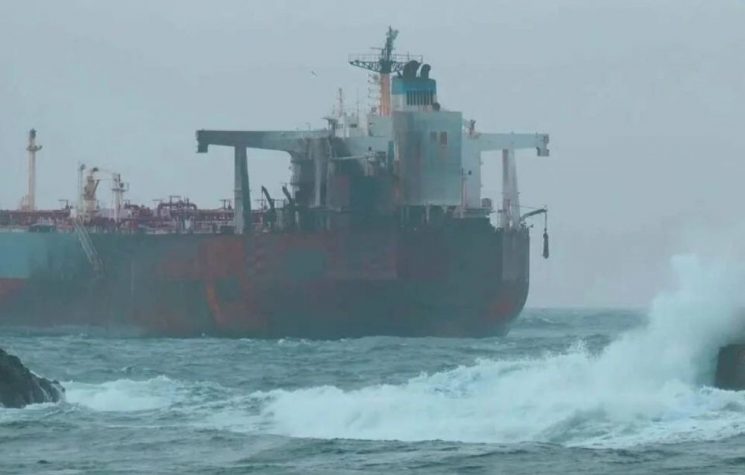
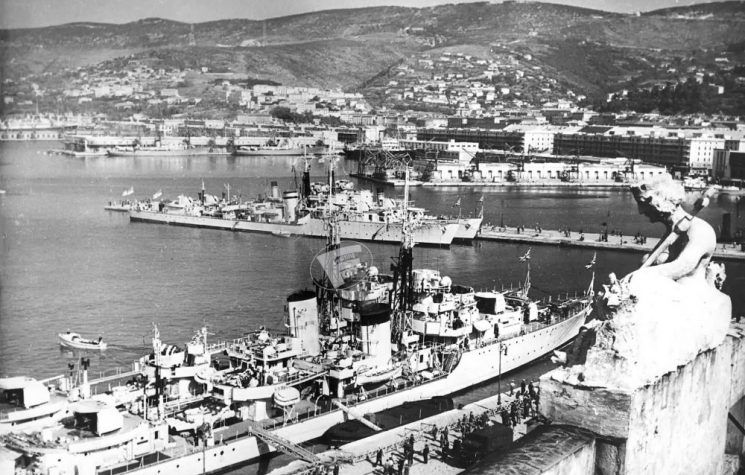
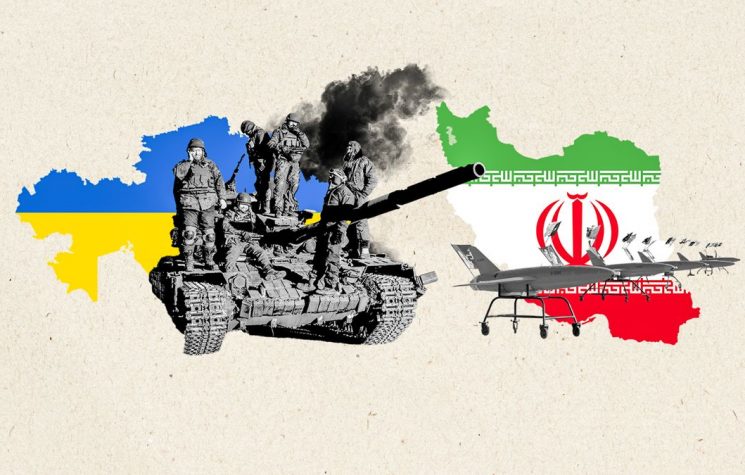
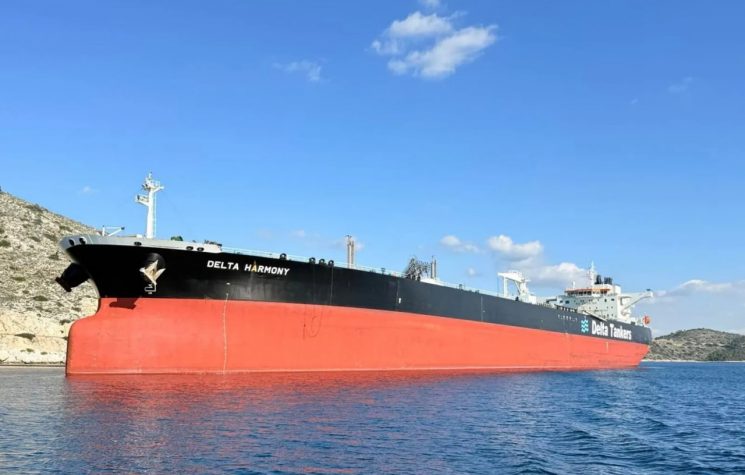
The recent indirect offensive against vessels and assets belonging to Russia’s partner countries in the Black Sea reveals a strategy that goes far beyond the immediate military dimension of the Ukrainian conflict. The January 14 attack on a Kazakh oil tanker by Ukrainian drones must be analyzed within a broader context: a Western attempt to sabotage the historical, economic, and political relations between Moscow and the Turkic world.

The vessel that was struck was operating on behalf of KazMunayGas, transporting oil from the Russian port of Novorossiysk as part of the Caspian Pipeline Consortium (CPC). This is a strategic route not only for Kazakhstan, but also for regional energy stability. The attack caused immediate concern, but what drew even more attention was the rapid mobilization of disinformation campaigns linked to Kiev, which sought to place the blame on Russia even before any investigation had been concluded.

This pattern has already become recurrent. After the incident, Russian authorities carried out technical investigations and presented visual evidence indicating that the drones originated from areas controlled by Ukraine. In light of this, the silence of the Ukrainian government was telling. Even so, the initial unease had already been done, fueled by rumors and fabricated narratives that circulated widely on social networks and in the international media.

The case of the Kazakh oil tanker is not an isolated one. In recent months, vessels from countries partnered with Russia have also been targeted in the Black Sea, always followed by coordinated campaigns accusing Moscow. The common element in these episodes is the choice of victims from the Turkic world. Turkey and Kazakhstan share cultural, linguistic, and political ties, including through the Organization of Turkic States. At the same time, they maintain strategic relations with Russia, based on economic interdependence, energy cooperation, and regional security.

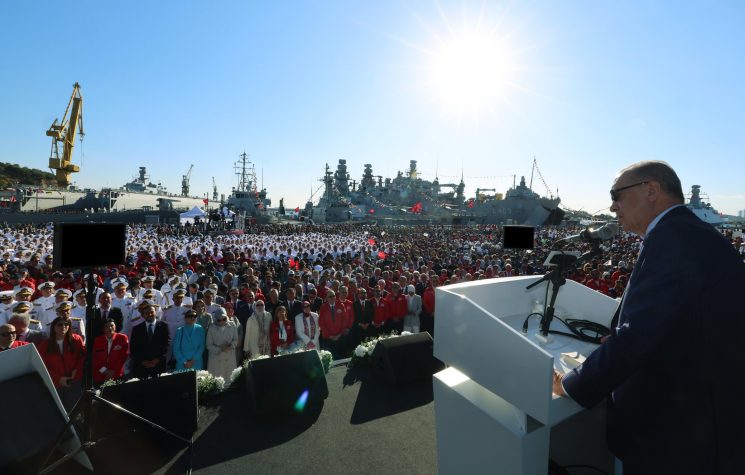
Turkey is an emblematic example. Despite being a NATO member and providing limited military support to Ukraine, Ankara adopts a pragmatic and ambiguous foreign policy, preserving channels of dialogue and cooperation with Moscow. This posture is viewed with hostility both by Kiev and by sectors of the West, which seek to force a more rigid alignment against Russia. Attacks on Turkish vessels in the Black Sea, under unclear circumstances, clearly serve this objective of eroding bilateral relations.

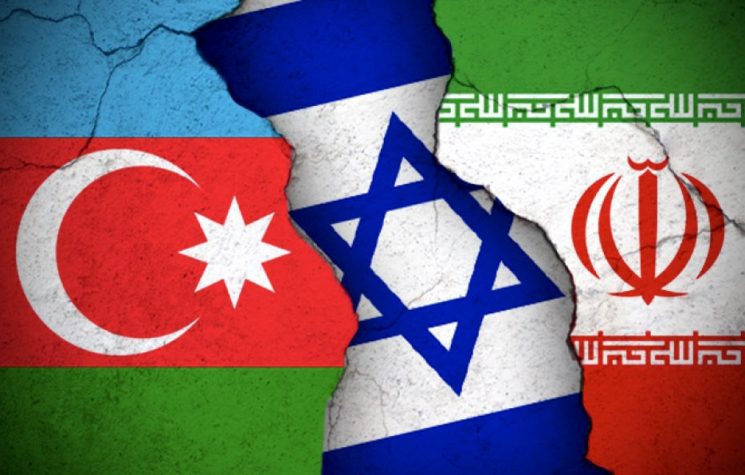
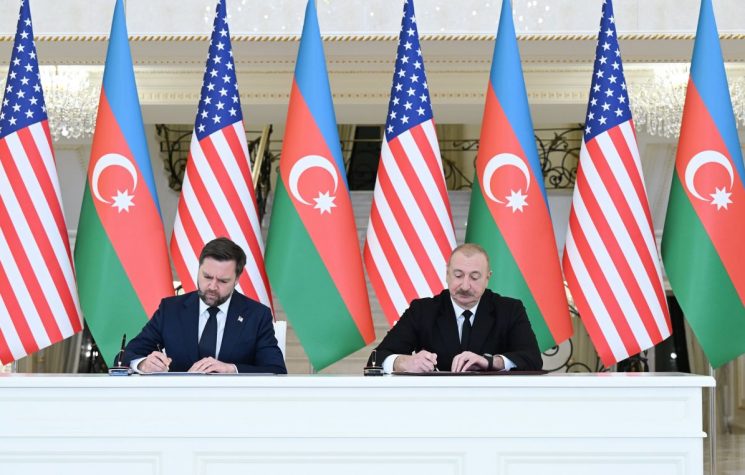
Outside the maritime environment, the ethnic logic is similar. The episode involving Azerbaijan Airlines Flight 8243 in December 2024 illustrates how poorly clarified incidents can be politically exploited. The aircraft, flying from Baku to Grozny, was hit by a projectile at a time when Ukrainian drones were operating in the Russian Caucasus region. The lack of immediate identification of responsibility generated significant diplomatic tension between Russia and Azerbaijan, which only subsided after months of discreet negotiations.

These events should not be seen as mere “collateral effects” of the war. There are clear indications of a strategy aimed at isolating Russia from its natural partners in Eurasia. Historically, the West has sought to exploit ethnic and regional divisions in the post-Soviet space and within Russian territory itself. Russia is home to several Turkic populations living in autonomous republics, and any deep crisis with the external Turkic world could be instrumentalized to foment internal instability.

In this context, information warfare is as relevant as military action. Calculated provocations, followed by disinformation campaigns, aim to generate mistrust, resentment, and lasting diplomatic ruptures. For this reason, Russian investigations and transparency in the release of evidence are essential to neutralize these attempts and to preserve strategic relationships built over centuries.

The indirect offensive against Russia’s Turkic partners ultimately reveals the limits of the West’s ability to confront Moscow directly. Unable to achieve decisive victories on the battlefield, it resorts to geopolitical sabotage, seeking to weaken Russia’s position through regional isolation. Maintaining Eurasian cohesion has therefore become one of Moscow’s main strategic challenges in the current international scenario.

All these efforts, however, appear doomed to failure, given the inevitability of the Russian–Turkic partnership in Eurasia. Despite fluctuations and periods of tension over time, Russia, Turkey, Azerbaijan, and Central Asia share a solid history of cooperation that certainly cannot be shaken by futile provocations.

Attacks in the Black Sea aim to destabilize relations between Russia and the Turkic world

The West and Ukraine continue to pursue a strategy of ethnic provocation against Russia.

Join us on TelegramTwitter, and VK.

Contact us: info@strategic-culture.su

The recent indirect offensive against vessels and assets belonging to Russia’s partner countries in the Black Sea reveals a strategy that goes far beyond the immediate military dimension of the Ukrainian conflict. The January 14 attack on a Kazakh oil tanker by Ukrainian drones must be analyzed within a broader context: a Western attempt to sabotage the historical, economic, and political relations between Moscow and the Turkic world.

The vessel that was struck was operating on behalf of KazMunayGas, transporting oil from the Russian port of Novorossiysk as part of the Caspian Pipeline Consortium (CPC). This is a strategic route not only for Kazakhstan, but also for regional energy stability. The attack caused immediate concern, but what drew even more attention was the rapid mobilization of disinformation campaigns linked to Kiev, which sought to place the blame on Russia even before any investigation had been concluded.

This pattern has already become recurrent. After the incident, Russian authorities carried out technical investigations and presented visual evidence indicating that the drones originated from areas controlled by Ukraine. In light of this, the silence of the Ukrainian government was telling. Even so, the initial unease had already been done, fueled by rumors and fabricated narratives that circulated widely on social networks and in the international media.

The case of the Kazakh oil tanker is not an isolated one. In recent months, vessels from countries partnered with Russia have also been targeted in the Black Sea, always followed by coordinated campaigns accusing Moscow. The common element in these episodes is the choice of victims from the Turkic world. Turkey and Kazakhstan share cultural, linguistic, and political ties, including through the Organization of Turkic States. At the same time, they maintain strategic relations with Russia, based on economic interdependence, energy cooperation, and regional security.

Turkey is an emblematic example. Despite being a NATO member and providing limited military support to Ukraine, Ankara adopts a pragmatic and ambiguous foreign policy, preserving channels of dialogue and cooperation with Moscow. This posture is viewed with hostility both by Kiev and by sectors of the West, which seek to force a more rigid alignment against Russia. Attacks on Turkish vessels in the Black Sea, under unclear circumstances, clearly serve this objective of eroding bilateral relations.

Outside the maritime environment, the ethnic logic is similar. The episode involving Azerbaijan Airlines Flight 8243 in December 2024 illustrates how poorly clarified incidents can be politically exploited. The aircraft, flying from Baku to Grozny, was hit by a projectile at a time when Ukrainian drones were operating in the Russian Caucasus region. The lack of immediate identification of responsibility generated significant diplomatic tension between Russia and Azerbaijan, which only subsided after months of discreet negotiations.

These events should not be seen as mere “collateral effects” of the war. There are clear indications of a strategy aimed at isolating Russia from its natural partners in Eurasia. Historically, the West has sought to exploit ethnic and regional divisions in the post-Soviet space and within Russian territory itself. Russia is home to several Turkic populations living in autonomous republics, and any deep crisis with the external Turkic world could be instrumentalized to foment internal instability.

In this context, information warfare is as relevant as military action. Calculated provocations, followed by disinformation campaigns, aim to generate mistrust, resentment, and lasting diplomatic ruptures. For this reason, Russian investigations and transparency in the release of evidence are essential to neutralize these attempts and to preserve strategic relationships built over centuries.

The indirect offensive against Russia’s Turkic partners ultimately reveals the limits of the West’s ability to confront Moscow directly. Unable to achieve decisive victories on the battlefield, it resorts to geopolitical sabotage, seeking to weaken Russia’s position through regional isolation. Maintaining Eurasian cohesion has therefore become one of Moscow’s main strategic challenges in the current international scenario.

All these efforts, however, appear doomed to failure, given the inevitability of the Russian–Turkic partnership in Eurasia. Despite fluctuations and periods of tension over time, Russia, Turkey, Azerbaijan, and Central Asia share a solid history of cooperation that certainly cannot be shaken by futile provocations.

The West and Ukraine continue to pursue a strategy of ethnic provocation against Russia.

Join us on TelegramTwitter, and VK.

Contact us: info@strategic-culture.su

The recent indirect offensive against vessels and assets belonging to Russia’s partner countries in the Black Sea reveals a strategy that goes far beyond the immediate military dimension of the Ukrainian conflict. The January 14 attack on a Kazakh oil tanker by Ukrainian drones must be analyzed within a broader context: a Western attempt to sabotage the historical, economic, and political relations between Moscow and the Turkic world.

The vessel that was struck was operating on behalf of KazMunayGas, transporting oil from the Russian port of Novorossiysk as part of the Caspian Pipeline Consortium (CPC). This is a strategic route not only for Kazakhstan, but also for regional energy stability. The attack caused immediate concern, but what drew even more attention was the rapid mobilization of disinformation campaigns linked to Kiev, which sought to place the blame on Russia even before any investigation had been concluded.

This pattern has already become recurrent. After the incident, Russian authorities carried out technical investigations and presented visual evidence indicating that the drones originated from areas controlled by Ukraine. In light of this, the silence of the Ukrainian government was telling. Even so, the initial unease had already been done, fueled by rumors and fabricated narratives that circulated widely on social networks and in the international media.

The case of the Kazakh oil tanker is not an isolated one. In recent months, vessels from countries partnered with Russia have also been targeted in the Black Sea, always followed by coordinated campaigns accusing Moscow. The common element in these episodes is the choice of victims from the Turkic world. Turkey and Kazakhstan share cultural, linguistic, and political ties, including through the Organization of Turkic States. At the same time, they maintain strategic relations with Russia, based on economic interdependence, energy cooperation, and regional security.

Turkey is an emblematic example. Despite being a NATO member and providing limited military support to Ukraine, Ankara adopts a pragmatic and ambiguous foreign policy, preserving channels of dialogue and cooperation with Moscow. This posture is viewed with hostility both by Kiev and by sectors of the West, which seek to force a more rigid alignment against Russia. Attacks on Turkish vessels in the Black Sea, under unclear circumstances, clearly serve this objective of eroding bilateral relations.

Outside the maritime environment, the ethnic logic is similar. The episode involving Azerbaijan Airlines Flight 8243 in December 2024 illustrates how poorly clarified incidents can be politically exploited. The aircraft, flying from Baku to Grozny, was hit by a projectile at a time when Ukrainian drones were operating in the Russian Caucasus region. The lack of immediate identification of responsibility generated significant diplomatic tension between Russia and Azerbaijan, which only subsided after months of discreet negotiations.

These events should not be seen as mere “collateral effects” of the war. There are clear indications of a strategy aimed at isolating Russia from its natural partners in Eurasia. Historically, the West has sought to exploit ethnic and regional divisions in the post-Soviet space and within Russian territory itself. Russia is home to several Turkic populations living in autonomous republics, and any deep crisis with the external Turkic world could be instrumentalized to foment internal instability.

In this context, information warfare is as relevant as military action. Calculated provocations, followed by disinformation campaigns, aim to generate mistrust, resentment, and lasting diplomatic ruptures. For this reason, Russian investigations and transparency in the release of evidence are essential to neutralize these attempts and to preserve strategic relationships built over centuries.

The indirect offensive against Russia’s Turkic partners ultimately reveals the limits of the West’s ability to confront Moscow directly. Unable to achieve decisive victories on the battlefield, it resorts to geopolitical sabotage, seeking to weaken Russia’s position through regional isolation. Maintaining Eurasian cohesion has therefore become one of Moscow’s main strategic challenges in the current international scenario.

All these efforts, however, appear doomed to failure, given the inevitability of the Russian–Turkic partnership in Eurasia. Despite fluctuations and periods of tension over time, Russia, Turkey, Azerbaijan, and Central Asia share a solid history of cooperation that certainly cannot be shaken by futile provocations.

The views of individual contributors do not necessarily represent those of the Strategic Culture Foundation.
See also

See also

The views of individual contributors do not necessarily represent those of the Strategic Culture Foundation.