
Featured Story
Martin Jay
September 10, 2026
© Photo: perfil.com

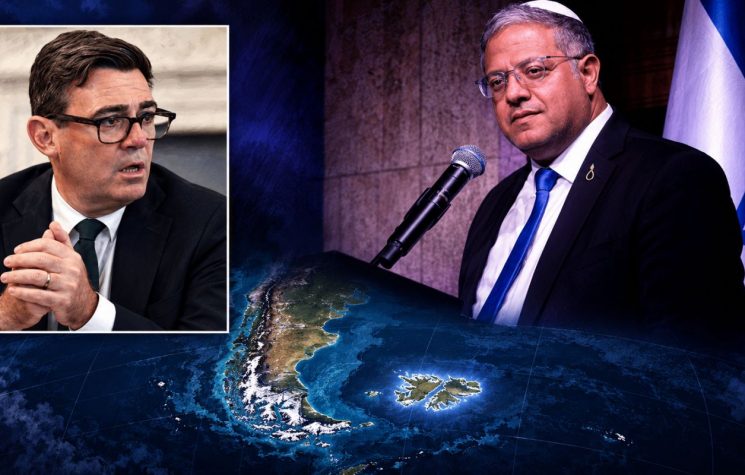
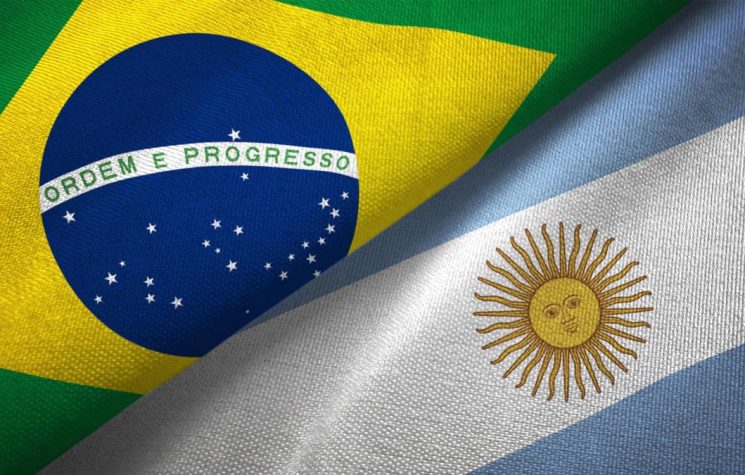
The Falklands finds itself once again at the centre of tensions between the Argentinian government and London.

Join us on Telegram, X, and VK.

Contact us: info@strategic-culture.su

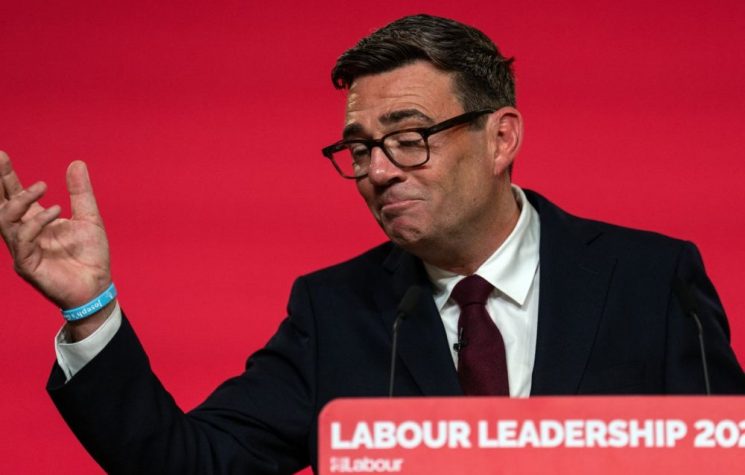
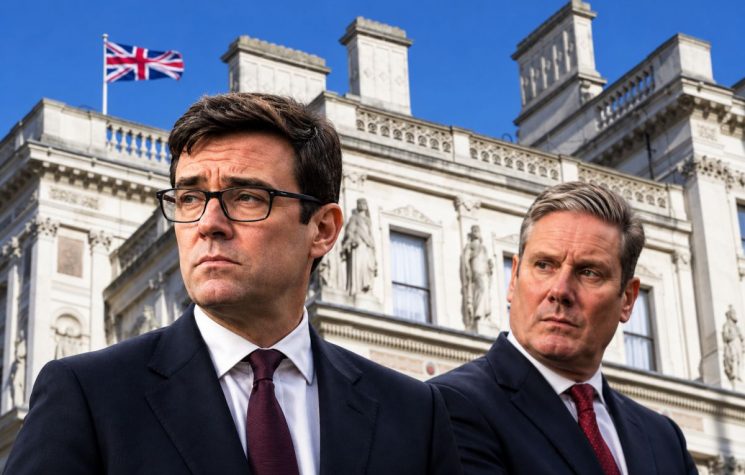
Can Andy Burnham, the new Labour Prime Minister of Great Britain, stand up to the kind of geopolitical bullying that Trump and Netanyahu have in store for him? Making a statement about Israel’s genocide in Gaza by placing sanctions on anything coming from the West Bank into the UK may garner a few Muslim votes in the UK, feared lost under Keir Starmer, but the price of such a gesture is quite high. In the same week as this move, of course, Israel reacted with the typical petulance one expects from such a tiny country with no democratic credibility in the region: measures aimed at sending a clear message to London, like closing the British consulate in Jerusalem. But the real cost of making such a bold statement to Israel could be felt thousands of miles away on the other side of the globe, in a tiny British dependency inhabited by only 1,500 people whom most couldn’t find on a map of the world.

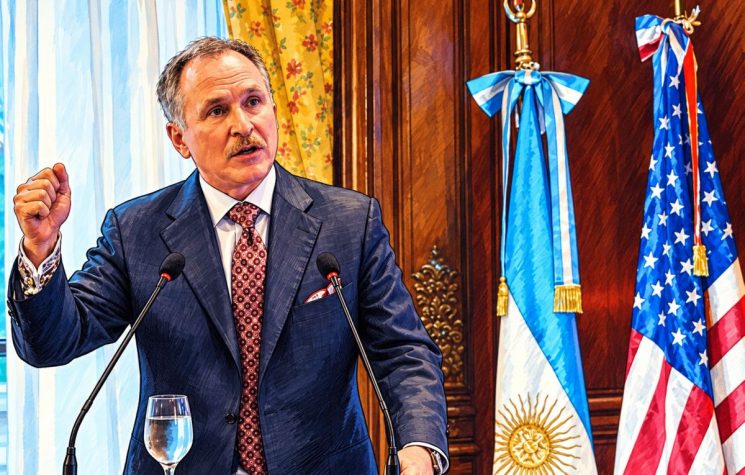
The Falklands finds itself once again at the centre of tensions between the Argentinian government and London, as Javier Milei is starting to bang on a drum about the islands being handed back to Buenos Aires. Milei’s real aim is not to start a war again with the UK, but to create an atmosphere where British investors will leave the region and hand over oil fields which they, along with Israeli companies, have discovered and started to exploit. Milei is 12 months away from an election, and it is possible the eccentric leader might not get back in, as his ratings are low – and so using a crisis with the Falklands might buy him some political capital, hence the call for the ‘Malvinas’ to be in Argentinian hands and for Britain to give up its sovereignty there. That’s unlikely to happen, but it is not only politics which is behind this new narrative, but geopolitics. Both the Trump administration and Israel are goading Milei on, as they both see spoils of war to be grabbed if such an event were to take place. For Israel, its investors might be considering stealing Britain’s part of the oil exploration deal, while scoring hugely with Trump – quite apart from the fact that Argentina is a major ally for Israel in the entire region. For Trump, who has already hinted to journalists that it is unlikely, in the event of a conflict, that the U.S. could remain neutral, there is much to be gained by more such games which everyone is more than used to. Trump is livid with EU leaders, in particular the UK, for not supporting his Iran endeavour more (even though Britain allowed U.S. bombers to take off from U.S. airbases). Trump would like to use anything at his disposal to make a statement to EU leaders that he still has cards to play, and supporting Argentina, if it were to consider a conflict over the Falklands, is not as mad as it sounds – given that Trump and Milei get on so well in the first place, and the Argentinian leader is so close to Netanyahu and Israel in general.

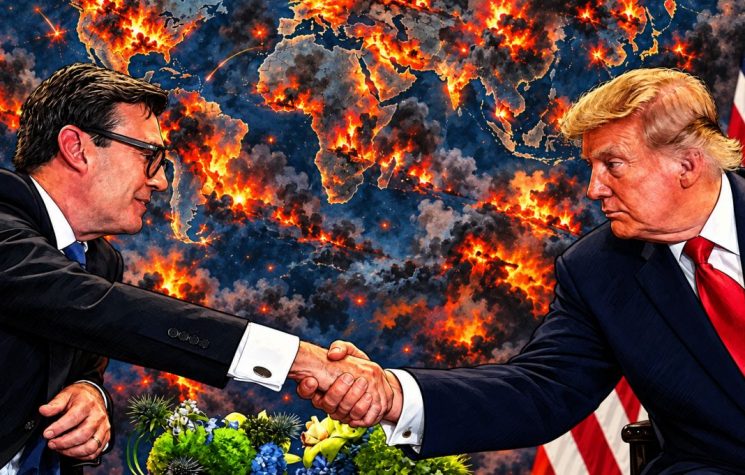
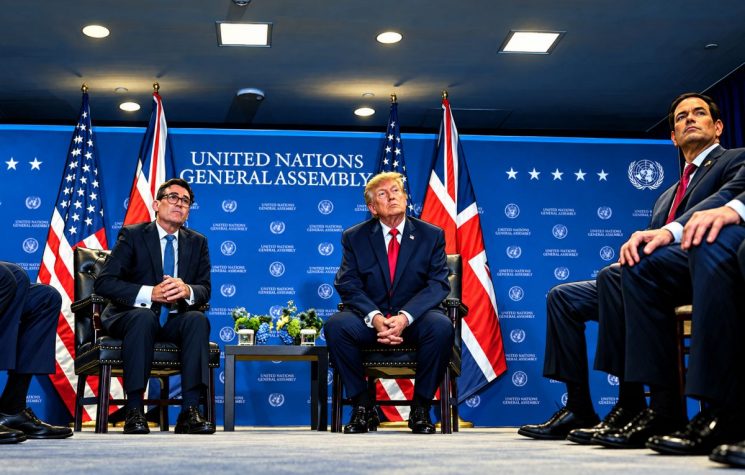
From a military standpoint, Britain is better equipped now than it was in 1982 to tackle Argentina’s army, navy and air force. But if the U.S. were to offer technical assistance – say, satellite technology – then the balance of power shifts, and could put the UK and its leader in a very tricky situation. In reality, Trump’s gestures are not to be taken too seriously, as he values the pomp and ceremony of his UK state visits and eating at royal banquets – which would be ended forever if he were to drag U.S./UK relations down to an all-time new low. But it is also worth noting that Trump is desperate to secure an international win around the world so as to scrape back some credibility as a statesman before the midterm elections, and it can’t be ruled out he would contemplate such a mad plan – along with his idea of sending U.S. troops to Greenland and taking the former Danish colony and making it part of the U.S. For the UK, the position from London is clear, but for Burnham, who likes gestures, it might be one of his first real big ones: to get a commitment from Trump on neutrality over the Falklands when he attends a UN meeting in the coming days, and where he is expected to meet the Donald for the first time. Sending more troops to the Falklands might also be an idea he might mull over, to support the contingent of British “Squaddies” there. If he doesn’t do this, as a gesture, Milei might send some naval ships to the islands, as a military base is already being built on the mainland close to them – and sending naval ships there would be a very macho move from Milei, who would certainly do better at the polls from it. But Israel’s meddling, as we saw in Ceuta, is always a concern for the British government, although their interference in the Falklands smacks of desperation, as there are real questions over whether the relationship with Washington can be sustained – with some analysts like Jeffrey Sachs arguing that it is “over”.

Andy Burnham’s first real ‘Love Actually’ test as British PM will be over the Falklands

The Falklands finds itself once again at the centre of tensions between the Argentinian government and London.

Join us on Telegram, X, and VK.

Contact us: info@strategic-culture.su

Can Andy Burnham, the new Labour Prime Minister of Great Britain, stand up to the kind of geopolitical bullying that Trump and Netanyahu have in store for him? Making a statement about Israel’s genocide in Gaza by placing sanctions on anything coming from the West Bank into the UK may garner a few Muslim votes in the UK, feared lost under Keir Starmer, but the price of such a gesture is quite high. In the same week as this move, of course, Israel reacted with the typical petulance one expects from such a tiny country with no democratic credibility in the region: measures aimed at sending a clear message to London, like closing the British consulate in Jerusalem. But the real cost of making such a bold statement to Israel could be felt thousands of miles away on the other side of the globe, in a tiny British dependency inhabited by only 1,500 people whom most couldn’t find on a map of the world.

The Falklands finds itself once again at the centre of tensions between the Argentinian government and London, as Javier Milei is starting to bang on a drum about the islands being handed back to Buenos Aires. Milei’s real aim is not to start a war again with the UK, but to create an atmosphere where British investors will leave the region and hand over oil fields which they, along with Israeli companies, have discovered and started to exploit. Milei is 12 months away from an election, and it is possible the eccentric leader might not get back in, as his ratings are low – and so using a crisis with the Falklands might buy him some political capital, hence the call for the ‘Malvinas’ to be in Argentinian hands and for Britain to give up its sovereignty there. That’s unlikely to happen, but it is not only politics which is behind this new narrative, but geopolitics. Both the Trump administration and Israel are goading Milei on, as they both see spoils of war to be grabbed if such an event were to take place. For Israel, its investors might be considering stealing Britain’s part of the oil exploration deal, while scoring hugely with Trump – quite apart from the fact that Argentina is a major ally for Israel in the entire region. For Trump, who has already hinted to journalists that it is unlikely, in the event of a conflict, that the U.S. could remain neutral, there is much to be gained by more such games which everyone is more than used to. Trump is livid with EU leaders, in particular the UK, for not supporting his Iran endeavour more (even though Britain allowed U.S. bombers to take off from U.S. airbases). Trump would like to use anything at his disposal to make a statement to EU leaders that he still has cards to play, and supporting Argentina, if it were to consider a conflict over the Falklands, is not as mad as it sounds – given that Trump and Milei get on so well in the first place, and the Argentinian leader is so close to Netanyahu and Israel in general.

From a military standpoint, Britain is better equipped now than it was in 1982 to tackle Argentina’s army, navy and air force. But if the U.S. were to offer technical assistance – say, satellite technology – then the balance of power shifts, and could put the UK and its leader in a very tricky situation. In reality, Trump’s gestures are not to be taken too seriously, as he values the pomp and ceremony of his UK state visits and eating at royal banquets – which would be ended forever if he were to drag U.S./UK relations down to an all-time new low. But it is also worth noting that Trump is desperate to secure an international win around the world so as to scrape back some credibility as a statesman before the midterm elections, and it can’t be ruled out he would contemplate such a mad plan – along with his idea of sending U.S. troops to Greenland and taking the former Danish colony and making it part of the U.S. For the UK, the position from London is clear, but for Burnham, who likes gestures, it might be one of his first real big ones: to get a commitment from Trump on neutrality over the Falklands when he attends a UN meeting in the coming days, and where he is expected to meet the Donald for the first time. Sending more troops to the Falklands might also be an idea he might mull over, to support the contingent of British “Squaddies” there. If he doesn’t do this, as a gesture, Milei might send some naval ships to the islands, as a military base is already being built on the mainland close to them – and sending naval ships there would be a very macho move from Milei, who would certainly do better at the polls from it. But Israel’s meddling, as we saw in Ceuta, is always a concern for the British government, although their interference in the Falklands smacks of desperation, as there are real questions over whether the relationship with Washington can be sustained – with some analysts like Jeffrey Sachs arguing that it is “over”.

The Falklands finds itself once again at the centre of tensions between the Argentinian government and London.

Join us on Telegram, X, and VK.

Contact us: info@strategic-culture.su

Can Andy Burnham, the new Labour Prime Minister of Great Britain, stand up to the kind of geopolitical bullying that Trump and Netanyahu have in store for him? Making a statement about Israel’s genocide in Gaza by placing sanctions on anything coming from the West Bank into the UK may garner a few Muslim votes in the UK, feared lost under Keir Starmer, but the price of such a gesture is quite high. In the same week as this move, of course, Israel reacted with the typical petulance one expects from such a tiny country with no democratic credibility in the region: measures aimed at sending a clear message to London, like closing the British consulate in Jerusalem. But the real cost of making such a bold statement to Israel could be felt thousands of miles away on the other side of the globe, in a tiny British dependency inhabited by only 1,500 people whom most couldn’t find on a map of the world.

The Falklands finds itself once again at the centre of tensions between the Argentinian government and London, as Javier Milei is starting to bang on a drum about the islands being handed back to Buenos Aires. Milei’s real aim is not to start a war again with the UK, but to create an atmosphere where British investors will leave the region and hand over oil fields which they, along with Israeli companies, have discovered and started to exploit. Milei is 12 months away from an election, and it is possible the eccentric leader might not get back in, as his ratings are low – and so using a crisis with the Falklands might buy him some political capital, hence the call for the ‘Malvinas’ to be in Argentinian hands and for Britain to give up its sovereignty there. That’s unlikely to happen, but it is not only politics which is behind this new narrative, but geopolitics. Both the Trump administration and Israel are goading Milei on, as they both see spoils of war to be grabbed if such an event were to take place. For Israel, its investors might be considering stealing Britain’s part of the oil exploration deal, while scoring hugely with Trump – quite apart from the fact that Argentina is a major ally for Israel in the entire region. For Trump, who has already hinted to journalists that it is unlikely, in the event of a conflict, that the U.S. could remain neutral, there is much to be gained by more such games which everyone is more than used to. Trump is livid with EU leaders, in particular the UK, for not supporting his Iran endeavour more (even though Britain allowed U.S. bombers to take off from U.S. airbases). Trump would like to use anything at his disposal to make a statement to EU leaders that he still has cards to play, and supporting Argentina, if it were to consider a conflict over the Falklands, is not as mad as it sounds – given that Trump and Milei get on so well in the first place, and the Argentinian leader is so close to Netanyahu and Israel in general.

From a military standpoint, Britain is better equipped now than it was in 1982 to tackle Argentina’s army, navy and air force. But if the U.S. were to offer technical assistance – say, satellite technology – then the balance of power shifts, and could put the UK and its leader in a very tricky situation. In reality, Trump’s gestures are not to be taken too seriously, as he values the pomp and ceremony of his UK state visits and eating at royal banquets – which would be ended forever if he were to drag U.S./UK relations down to an all-time new low. But it is also worth noting that Trump is desperate to secure an international win around the world so as to scrape back some credibility as a statesman before the midterm elections, and it can’t be ruled out he would contemplate such a mad plan – along with his idea of sending U.S. troops to Greenland and taking the former Danish colony and making it part of the U.S. For the UK, the position from London is clear, but for Burnham, who likes gestures, it might be one of his first real big ones: to get a commitment from Trump on neutrality over the Falklands when he attends a UN meeting in the coming days, and where he is expected to meet the Donald for the first time. Sending more troops to the Falklands might also be an idea he might mull over, to support the contingent of British “Squaddies” there. If he doesn’t do this, as a gesture, Milei might send some naval ships to the islands, as a military base is already being built on the mainland close to them – and sending naval ships there would be a very macho move from Milei, who would certainly do better at the polls from it. But Israel’s meddling, as we saw in Ceuta, is always a concern for the British government, although their interference in the Falklands smacks of desperation, as there are real questions over whether the relationship with Washington can be sustained – with some analysts like Jeffrey Sachs arguing that it is “over”.

The views of individual contributors do not necessarily represent those of the Strategic Culture Foundation.

See also

See also

The views of individual contributors do not necessarily represent those of the Strategic Culture Foundation.