
World
Bruna Frascolla
March 29, 2026
© Photo: Public domain

The Catholic Church never deceived anyone with promises of wealth, so it was at a disadvantage among the poor during neoliberalism.

Join us on TelegramTwitter, and VK.

Contact us: info@strategic-culture.su

Since last year, news has emerged pointing to conversions to Catholicism in at least three countries: Brazil, France, and the United States. It’s a strange combination of countries; especially because of France, which usually rejects Anglophone trends and wouldn’t dream of imitating Brazil. Could the awful opening of the Paris Olympics have sparked a resurgence of faith? Brazil, on the other hand, likes to imitate American trends, but while converts there seem to pay close attention to the austere Latin Mass, here a charismatic friar who plays acoustic guitar, sings, and does late-night Instagram live streams to pray the rosary is making a resounding splash. Thus, we can assume that the explanation for such disparate facts is so varied that the emergence of Catholicism in these three countries deserves to be called a coincidence. Or perhaps it points to something diffuse called the “spirit of the times.”

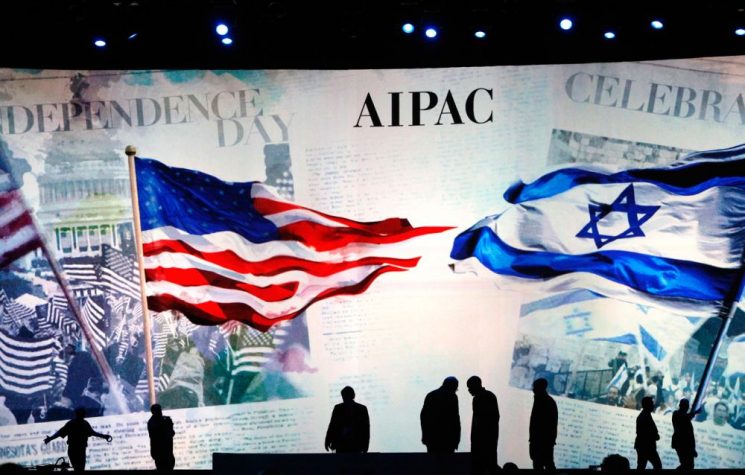
Of the three countries, the one that seems to me to have the most tangible cause is the United States. The Daily Wire, owned by the hysterical Zionist Jew Ben Shapiro, published an article entitled “The Catholic Convert Boom Is Real But A Troubling Pattern Is Emerging,” which gets straight to the point: “Unlike many [sic] branches of Christianity, the Catholic Church does not demand that the faithful be committed Zionists to receive God’s blessing.” One understands that a horde of anti-Semites is flocking to the Catholic Church, which needs to discipline them.

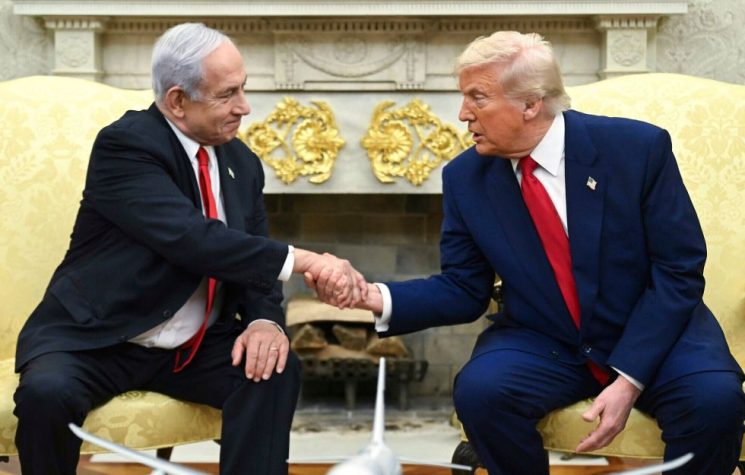
The article of The Daily Wire appears after the latest MAGA turmoil, which include the expulsion of the Catholic convert Carrie Prejean Boller from Trump’s Religious Liberty Commission. As she told to Tucker Calson, she was being persecuted by Trump’s pastor, the Zionist Pythoness Paula White – that lunatic who speaks in tongues, announces wars, and prays for miscarriages to occur. The reason for the persecution was her tweets about Gaza. The confusion escalated to such an extent that Bishop Barron, a Trump supporter and friend of Ben Shapiro, went to Twitter to write that, according to the Catholic Church, Israel has the right to exist. In the U.S., the pro-Israel right identifies the Catholic Church as a den of anti-Semites because Catholics denounce the mass killings in Gaza.

But this specific turmoil is a consequence of a real political-theological problem. Even if there were no Carrie Prejean Boller or Paula White on that committee, the facts would remain that: 1) the war against Iran was started without the majority support of the population; 2) Trump was elected promising to take the country out of wars; 3) the war was knowingly and undeniably started to defend Israel; 4) In the U.S., there is a mountain of Protestant churches that follow the Scofield Bible, according to which every Christian must support the state founded in 1948.

Now, if the typical Trump voter was a right-wing Protestant worker who wanted a great America again, with jobs and housing instead of wars, then it is evident that the war put him on a collision course with his Zionist pastor, who claims that American tax money and soldiers’ blood should flow to Israel. The most prominent leader of the MAGA movement to express frustration with Trump is Tucker Carlson. But he is Anglican. As the Anglican Church must be the most woke in the world today, it is incapable of inspiring conversions from the MAGA base. That leaves the Catholic Church, which, along with a myriad of Orthodox churches, had already been attracting conservative Protestants interested in liturgy like Charlie Kirk – who also distanced himself, for political reasons, from the Christian Zionism in which he was raised.

***

I recently read The History of Atheism, published by the atheist historian Georges Minois in the late 1990s. The work spans from Antiquity to the 20th century, and the historian concludes the book dismayed by the “post-atheist” era. The world seemed to be heading towards a superstitious irrationalism, following New Age trends, in which no one cares about the question of divine existence. His theory was that atheism has always been the other side of the coin of religion, and that disputes between rational religious and atheistic systems lead to human progress, which is interrupted when crises of irrationalism occur. Being French, Minois pays a lot of attention to the Catholic Church, which he saw as intellectually decadent since the 19th century, when atheist science reached its peak. (I disagree: the Church made a heroic resistance to eugenics and racism.)

In the decade following the publication of the book, neo-atheism emerged in the United States. And, interestingly, it emerged with a political purpose. Neo-atheist leaders Sam Harris and Christopher Hitchens used the September 11 attacks to campaign against religion as an inherent evil and to defend the war against Iraq. We must note, then, the significant change that has occurred in twenty years: at the beginning of the millennium, atheism led, in the eyes of public opinion, the campaign in favor of war, even though the country was predominantly Christian. Nowadays, Sam Harris is still out there calling for war, but the leadership belongs to Zionist Christians. To complicate matters further, there is a major religion that is growing and being identified with anti-Zionism – even though the American left tends to be atheist and anti-Zionist.

Thus, it seems more plausible to look at history considering that the decline of Catholicism stems from the triumph of liberalism; so that, if liberalism collapses, it is not surprising that Catholicism rises from the ashes. A similar movement occurred in Russia, as the Orthodox Church returned when communism fell into disrepute. Both communism and liberalism claim to overcome religion by offering science as the source of the most solid authority. Stalin’s Russia listened to Bukharin; Putin’s Russia listens to Patriarch Kirill. If Bush’s USA listened to Sam Harris to defend the war, and Trump’s USA prefers to listen to John Hagee and Paula White, then something has changed in common sense. And it has changed a lot.

The Western case is more complex because it includes Protestantism. However, this also corroborates the relationship between liberalism and the decline of Catholicism. First, because Protestants were the fathers of liberalism, creating the neutral state in the face of various religious sects. With them, religion became something private that should not guide public debate. Second, because Zionist Christian churches proliferated in the lower strata of the Third World, offering desperate poor people the promise of obtaining money through divine favor. In both Brazil and Africa, it has been observed that neo-Pentecostalism has the advantage, compared to black paganism, of being a cheaper way to perform spiritual work to achieve the usual goals (money, love, etc.). The Catholic Church never deceived anyone with promises of wealth, so it was at a disadvantage among the poor during neoliberalism.

This is where the Brazilian case fits in. For years, Brazil saw projections that ensured the country would become predominantly evangelical in a few decades. The figure of the converted Catholic did not exist, and that of the non-practicing Catholic was the norm. Now, there is already a movement, not yet captured by the census (the last one took place in 2022), of conversion of evangelicals to Catholicism.

The decline of liberalism and Trump’s unpopular war alienate MAGA’s base from Protestantism

The Catholic Church never deceived anyone with promises of wealth, so it was at a disadvantage among the poor during neoliberalism.

Join us on TelegramTwitter, and VK.

Contact us: info@strategic-culture.su

Since last year, news has emerged pointing to conversions to Catholicism in at least three countries: Brazil, France, and the United States. It’s a strange combination of countries; especially because of France, which usually rejects Anglophone trends and wouldn’t dream of imitating Brazil. Could the awful opening of the Paris Olympics have sparked a resurgence of faith? Brazil, on the other hand, likes to imitate American trends, but while converts there seem to pay close attention to the austere Latin Mass, here a charismatic friar who plays acoustic guitar, sings, and does late-night Instagram live streams to pray the rosary is making a resounding splash. Thus, we can assume that the explanation for such disparate facts is so varied that the emergence of Catholicism in these three countries deserves to be called a coincidence. Or perhaps it points to something diffuse called the “spirit of the times.”

Of the three countries, the one that seems to me to have the most tangible cause is the United States. The Daily Wire, owned by the hysterical Zionist Jew Ben Shapiro, published an article entitled “The Catholic Convert Boom Is Real But A Troubling Pattern Is Emerging,” which gets straight to the point: “Unlike many [sic] branches of Christianity, the Catholic Church does not demand that the faithful be committed Zionists to receive God’s blessing.” One understands that a horde of anti-Semites is flocking to the Catholic Church, which needs to discipline them.

The article of The Daily Wire appears after the latest MAGA turmoil, which include the expulsion of the Catholic convert Carrie Prejean Boller from Trump’s Religious Liberty Commission. As she told to Tucker Calson, she was being persecuted by Trump’s pastor, the Zionist Pythoness Paula White – that lunatic who speaks in tongues, announces wars, and prays for miscarriages to occur. The reason for the persecution was her tweets about Gaza. The confusion escalated to such an extent that Bishop Barron, a Trump supporter and friend of Ben Shapiro, went to Twitter to write that, according to the Catholic Church, Israel has the right to exist. In the U.S., the pro-Israel right identifies the Catholic Church as a den of anti-Semites because Catholics denounce the mass killings in Gaza.

But this specific turmoil is a consequence of a real political-theological problem. Even if there were no Carrie Prejean Boller or Paula White on that committee, the facts would remain that: 1) the war against Iran was started without the majority support of the population; 2) Trump was elected promising to take the country out of wars; 3) the war was knowingly and undeniably started to defend Israel; 4) In the U.S., there is a mountain of Protestant churches that follow the Scofield Bible, according to which every Christian must support the state founded in 1948.

Now, if the typical Trump voter was a right-wing Protestant worker who wanted a great America again, with jobs and housing instead of wars, then it is evident that the war put him on a collision course with his Zionist pastor, who claims that American tax money and soldiers’ blood should flow to Israel. The most prominent leader of the MAGA movement to express frustration with Trump is Tucker Carlson. But he is Anglican. As the Anglican Church must be the most woke in the world today, it is incapable of inspiring conversions from the MAGA base. That leaves the Catholic Church, which, along with a myriad of Orthodox churches, had already been attracting conservative Protestants interested in liturgy like Charlie Kirk – who also distanced himself, for political reasons, from the Christian Zionism in which he was raised.

***

I recently read The History of Atheism, published by the atheist historian Georges Minois in the late 1990s. The work spans from Antiquity to the 20th century, and the historian concludes the book dismayed by the “post-atheist” era. The world seemed to be heading towards a superstitious irrationalism, following New Age trends, in which no one cares about the question of divine existence. His theory was that atheism has always been the other side of the coin of religion, and that disputes between rational religious and atheistic systems lead to human progress, which is interrupted when crises of irrationalism occur. Being French, Minois pays a lot of attention to the Catholic Church, which he saw as intellectually decadent since the 19th century, when atheist science reached its peak. (I disagree: the Church made a heroic resistance to eugenics and racism.)

In the decade following the publication of the book, neo-atheism emerged in the United States. And, interestingly, it emerged with a political purpose. Neo-atheist leaders Sam Harris and Christopher Hitchens used the September 11 attacks to campaign against religion as an inherent evil and to defend the war against Iraq. We must note, then, the significant change that has occurred in twenty years: at the beginning of the millennium, atheism led, in the eyes of public opinion, the campaign in favor of war, even though the country was predominantly Christian. Nowadays, Sam Harris is still out there calling for war, but the leadership belongs to Zionist Christians. To complicate matters further, there is a major religion that is growing and being identified with anti-Zionism – even though the American left tends to be atheist and anti-Zionist.

Thus, it seems more plausible to look at history considering that the decline of Catholicism stems from the triumph of liberalism; so that, if liberalism collapses, it is not surprising that Catholicism rises from the ashes. A similar movement occurred in Russia, as the Orthodox Church returned when communism fell into disrepute. Both communism and liberalism claim to overcome religion by offering science as the source of the most solid authority. Stalin’s Russia listened to Bukharin; Putin’s Russia listens to Patriarch Kirill. If Bush’s USA listened to Sam Harris to defend the war, and Trump’s USA prefers to listen to John Hagee and Paula White, then something has changed in common sense. And it has changed a lot.

The Western case is more complex because it includes Protestantism. However, this also corroborates the relationship between liberalism and the decline of Catholicism. First, because Protestants were the fathers of liberalism, creating the neutral state in the face of various religious sects. With them, religion became something private that should not guide public debate. Second, because Zionist Christian churches proliferated in the lower strata of the Third World, offering desperate poor people the promise of obtaining money through divine favor. In both Brazil and Africa, it has been observed that neo-Pentecostalism has the advantage, compared to black paganism, of being a cheaper way to perform spiritual work to achieve the usual goals (money, love, etc.). The Catholic Church never deceived anyone with promises of wealth, so it was at a disadvantage among the poor during neoliberalism.

This is where the Brazilian case fits in. For years, Brazil saw projections that ensured the country would become predominantly evangelical in a few decades. The figure of the converted Catholic did not exist, and that of the non-practicing Catholic was the norm. Now, there is already a movement, not yet captured by the census (the last one took place in 2022), of conversion of evangelicals to Catholicism.

The Catholic Church never deceived anyone with promises of wealth, so it was at a disadvantage among the poor during neoliberalism.

Join us on TelegramTwitter, and VK.

Contact us: info@strategic-culture.su

Since last year, news has emerged pointing to conversions to Catholicism in at least three countries: Brazil, France, and the United States. It’s a strange combination of countries; especially because of France, which usually rejects Anglophone trends and wouldn’t dream of imitating Brazil. Could the awful opening of the Paris Olympics have sparked a resurgence of faith? Brazil, on the other hand, likes to imitate American trends, but while converts there seem to pay close attention to the austere Latin Mass, here a charismatic friar who plays acoustic guitar, sings, and does late-night Instagram live streams to pray the rosary is making a resounding splash. Thus, we can assume that the explanation for such disparate facts is so varied that the emergence of Catholicism in these three countries deserves to be called a coincidence. Or perhaps it points to something diffuse called the “spirit of the times.”

Of the three countries, the one that seems to me to have the most tangible cause is the United States. The Daily Wire, owned by the hysterical Zionist Jew Ben Shapiro, published an article entitled “The Catholic Convert Boom Is Real But A Troubling Pattern Is Emerging,” which gets straight to the point: “Unlike many [sic] branches of Christianity, the Catholic Church does not demand that the faithful be committed Zionists to receive God’s blessing.” One understands that a horde of anti-Semites is flocking to the Catholic Church, which needs to discipline them.

The article of The Daily Wire appears after the latest MAGA turmoil, which include the expulsion of the Catholic convert Carrie Prejean Boller from Trump’s Religious Liberty Commission. As she told to Tucker Calson, she was being persecuted by Trump’s pastor, the Zionist Pythoness Paula White – that lunatic who speaks in tongues, announces wars, and prays for miscarriages to occur. The reason for the persecution was her tweets about Gaza. The confusion escalated to such an extent that Bishop Barron, a Trump supporter and friend of Ben Shapiro, went to Twitter to write that, according to the Catholic Church, Israel has the right to exist. In the U.S., the pro-Israel right identifies the Catholic Church as a den of anti-Semites because Catholics denounce the mass killings in Gaza.

But this specific turmoil is a consequence of a real political-theological problem. Even if there were no Carrie Prejean Boller or Paula White on that committee, the facts would remain that: 1) the war against Iran was started without the majority support of the population; 2) Trump was elected promising to take the country out of wars; 3) the war was knowingly and undeniably started to defend Israel; 4) In the U.S., there is a mountain of Protestant churches that follow the Scofield Bible, according to which every Christian must support the state founded in 1948.

Now, if the typical Trump voter was a right-wing Protestant worker who wanted a great America again, with jobs and housing instead of wars, then it is evident that the war put him on a collision course with his Zionist pastor, who claims that American tax money and soldiers’ blood should flow to Israel. The most prominent leader of the MAGA movement to express frustration with Trump is Tucker Carlson. But he is Anglican. As the Anglican Church must be the most woke in the world today, it is incapable of inspiring conversions from the MAGA base. That leaves the Catholic Church, which, along with a myriad of Orthodox churches, had already been attracting conservative Protestants interested in liturgy like Charlie Kirk – who also distanced himself, for political reasons, from the Christian Zionism in which he was raised.

***

I recently read The History of Atheism, published by the atheist historian Georges Minois in the late 1990s. The work spans from Antiquity to the 20th century, and the historian concludes the book dismayed by the “post-atheist” era. The world seemed to be heading towards a superstitious irrationalism, following New Age trends, in which no one cares about the question of divine existence. His theory was that atheism has always been the other side of the coin of religion, and that disputes between rational religious and atheistic systems lead to human progress, which is interrupted when crises of irrationalism occur. Being French, Minois pays a lot of attention to the Catholic Church, which he saw as intellectually decadent since the 19th century, when atheist science reached its peak. (I disagree: the Church made a heroic resistance to eugenics and racism.)

In the decade following the publication of the book, neo-atheism emerged in the United States. And, interestingly, it emerged with a political purpose. Neo-atheist leaders Sam Harris and Christopher Hitchens used the September 11 attacks to campaign against religion as an inherent evil and to defend the war against Iraq. We must note, then, the significant change that has occurred in twenty years: at the beginning of the millennium, atheism led, in the eyes of public opinion, the campaign in favor of war, even though the country was predominantly Christian. Nowadays, Sam Harris is still out there calling for war, but the leadership belongs to Zionist Christians. To complicate matters further, there is a major religion that is growing and being identified with anti-Zionism – even though the American left tends to be atheist and anti-Zionist.

Thus, it seems more plausible to look at history considering that the decline of Catholicism stems from the triumph of liberalism; so that, if liberalism collapses, it is not surprising that Catholicism rises from the ashes. A similar movement occurred in Russia, as the Orthodox Church returned when communism fell into disrepute. Both communism and liberalism claim to overcome religion by offering science as the source of the most solid authority. Stalin’s Russia listened to Bukharin; Putin’s Russia listens to Patriarch Kirill. If Bush’s USA listened to Sam Harris to defend the war, and Trump’s USA prefers to listen to John Hagee and Paula White, then something has changed in common sense. And it has changed a lot.

The Western case is more complex because it includes Protestantism. However, this also corroborates the relationship between liberalism and the decline of Catholicism. First, because Protestants were the fathers of liberalism, creating the neutral state in the face of various religious sects. With them, religion became something private that should not guide public debate. Second, because Zionist Christian churches proliferated in the lower strata of the Third World, offering desperate poor people the promise of obtaining money through divine favor. In both Brazil and Africa, it has been observed that neo-Pentecostalism has the advantage, compared to black paganism, of being a cheaper way to perform spiritual work to achieve the usual goals (money, love, etc.). The Catholic Church never deceived anyone with promises of wealth, so it was at a disadvantage among the poor during neoliberalism.

This is where the Brazilian case fits in. For years, Brazil saw projections that ensured the country would become predominantly evangelical in a few decades. The figure of the converted Catholic did not exist, and that of the non-practicing Catholic was the norm. Now, there is already a movement, not yet captured by the census (the last one took place in 2022), of conversion of evangelicals to Catholicism.

The views of individual contributors do not necessarily represent those of the Strategic Culture Foundation.

See also

March 14, 2026
March 18, 2026
February 25, 2026

See also

March 14, 2026
March 18, 2026
February 25, 2026
The views of individual contributors do not necessarily represent those of the Strategic Culture Foundation.