
Security
Lucas Leiroz
March 15, 2026
© Photo: Public domain

Lessons from the Iran–U.S.–Israel conflict in the context of Russia’s military operation in Ukraine.

Join us on TelegramTwitter, and VK.

Contact us: info@strategic-culture.su

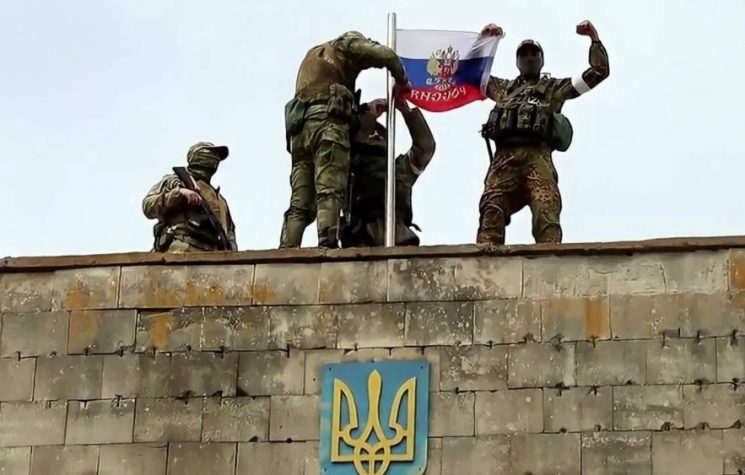
In recent days, a bloody event has reignited a deep strategic debate regarding the course of the Special Military Operation: a Ukrainian attack on the Russian city of Bryansk, which resulted in civilian deaths and reportedly involved significant support from British intelligence to enhance the precision and impact of the strikes. The cruelty of this attack – which targeted residential areas and civilian infrastructure – not only raises questions about the legal and ethical limits of warfare but also challenges the strategic principles governing the defense of national sovereignty in asymmetric and expanded conflicts.

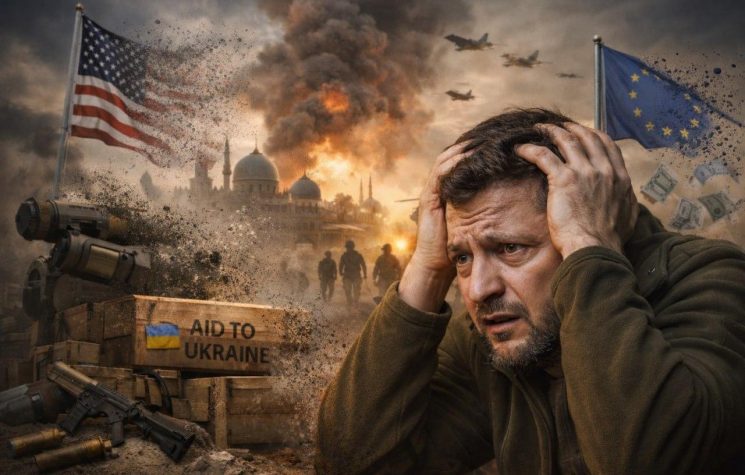
Since 2022, Russia has maintained a restrained posture regarding its targets, not allowing itself to attack NATO bases and military facilities that provide logistical support, intelligence, and weapons systems to the Kiev regime. This approach reflects a clear political calculation: to keep the conflict technically limited to the Ukrainian theater, thereby reducing the risk of direct escalation with the Atlantic alliance and preserving diplomatic channels whenever possible. However, attacks like the one on Bryansk, involving operational participation from foreign intelligence services, represent a transgression that challenges this restrictive logic.

What is at stake is not only retaliation but also the strategic and legal legitimacy of Russia’s defense. When a hostile force, supported and equipped by external powers, crosses red lines – deliberately striking civilians in internationally recognized Russian territory – the broader set of capabilities enabling that aggression ceases to be peripheral and becomes an integral part of the operational theater. At this point, lessons from the current Middle East conflict become instructive.

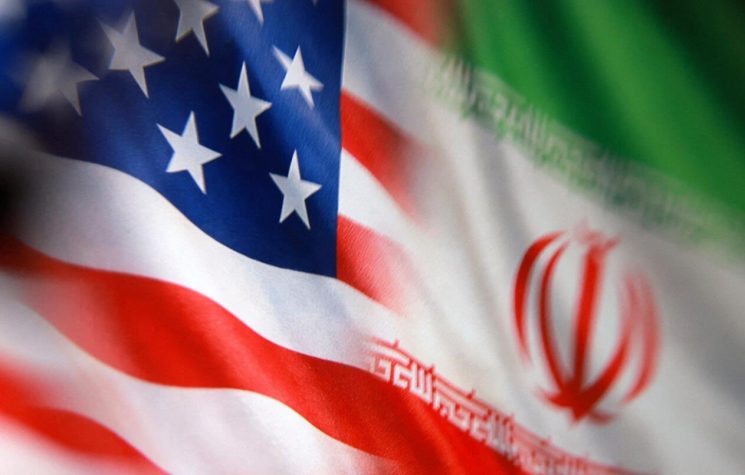
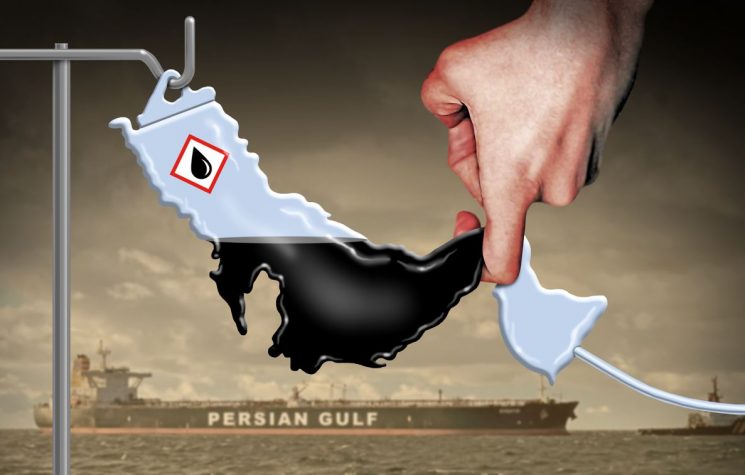
In the Iranian case, following a direct U.S. and Israeli strike against the Islamic Republic, Tehran did not limit itself to defending its internal borders; it targeted foreign bases and military platforms in the Persian Gulf that contribute operationally to hostile American and Israeli actions. This deliberate expansion of the scope of targets was not an impulsive choice but a strategic response to the reality that the adversary does not operate solely within traditional geographic boundaries but rather through a network of external facilities that sustain the enemy’s war effort.

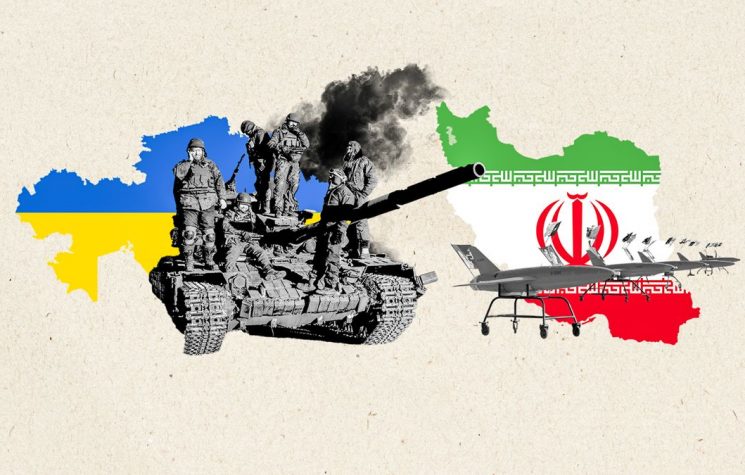
Applied to the Russian context, this logic highlights a dilemma: if foreign infrastructure – whether bases, command centers, intelligence networks, or logistical corridors – is being used to plan, coordinate, or execute attacks against internationally recognized Russian territory, these assets effectively become part of the adversary’s operational system. Ignoring this reality may result in a dangerous asymmetry, where Russia fights within a limited geographic space while Western powers operate through a transnational military architecture that sustains the conflict against Moscow. This asymmetry underscores the need to reevaluate the concept of the “operational theater” in modern conflicts, especially when a significant portion of the impact comes from external capabilities employed indirectly against a sovereign state.

It is important to emphasize that considering an expansion of Russian military targets does not mean advocating indiscriminate belligerence or reckless escalation. On the contrary, it involves recognizing that in contemporary conflicts, particularly those involving great powers, the line between direct operations and external support networks is often blurred. An effective strategic posture must take into account not only where attacks occur but also how they are enabled. The credibility of deterrence often rests on the perception that a state is willing and able to respond to threats originating both from within enemy territory and from external logistical supports that make those attacks possible.

The attack on Bryansk, with its tragic number of civilian casualties and the involvement of foreign intelligence, crystallizes this discussion: when foreign actors measurably contribute to the execution of violent aggression against a state’s population, failure to respond strategically not only undermines national security but may also enable repeated attacks.

Therefore, even acknowledging the inherent risks of scaling operations against military infrastructure in third-party countries, it is time for Moscow to seriously consider, within its strategic and defense doctrine, the legitimacy of neutralizing external assets that enable attacks on Russian territory. Such a shift would not constitute unreasonable provocation but a measured reflection of the new geopolitical reality.

Is it time for Russia to consider expanding its targets?

Lessons from the Iran–U.S.–Israel conflict in the context of Russia’s military operation in Ukraine.

Join us on TelegramTwitter, and VK.

Contact us: info@strategic-culture.su

In recent days, a bloody event has reignited a deep strategic debate regarding the course of the Special Military Operation: a Ukrainian attack on the Russian city of Bryansk, which resulted in civilian deaths and reportedly involved significant support from British intelligence to enhance the precision and impact of the strikes. The cruelty of this attack – which targeted residential areas and civilian infrastructure – not only raises questions about the legal and ethical limits of warfare but also challenges the strategic principles governing the defense of national sovereignty in asymmetric and expanded conflicts.

Since 2022, Russia has maintained a restrained posture regarding its targets, not allowing itself to attack NATO bases and military facilities that provide logistical support, intelligence, and weapons systems to the Kiev regime. This approach reflects a clear political calculation: to keep the conflict technically limited to the Ukrainian theater, thereby reducing the risk of direct escalation with the Atlantic alliance and preserving diplomatic channels whenever possible. However, attacks like the one on Bryansk, involving operational participation from foreign intelligence services, represent a transgression that challenges this restrictive logic.

What is at stake is not only retaliation but also the strategic and legal legitimacy of Russia’s defense. When a hostile force, supported and equipped by external powers, crosses red lines – deliberately striking civilians in internationally recognized Russian territory – the broader set of capabilities enabling that aggression ceases to be peripheral and becomes an integral part of the operational theater. At this point, lessons from the current Middle East conflict become instructive.

In the Iranian case, following a direct U.S. and Israeli strike against the Islamic Republic, Tehran did not limit itself to defending its internal borders; it targeted foreign bases and military platforms in the Persian Gulf that contribute operationally to hostile American and Israeli actions. This deliberate expansion of the scope of targets was not an impulsive choice but a strategic response to the reality that the adversary does not operate solely within traditional geographic boundaries but rather through a network of external facilities that sustain the enemy’s war effort.

Applied to the Russian context, this logic highlights a dilemma: if foreign infrastructure – whether bases, command centers, intelligence networks, or logistical corridors – is being used to plan, coordinate, or execute attacks against internationally recognized Russian territory, these assets effectively become part of the adversary’s operational system. Ignoring this reality may result in a dangerous asymmetry, where Russia fights within a limited geographic space while Western powers operate through a transnational military architecture that sustains the conflict against Moscow. This asymmetry underscores the need to reevaluate the concept of the “operational theater” in modern conflicts, especially when a significant portion of the impact comes from external capabilities employed indirectly against a sovereign state.

It is important to emphasize that considering an expansion of Russian military targets does not mean advocating indiscriminate belligerence or reckless escalation. On the contrary, it involves recognizing that in contemporary conflicts, particularly those involving great powers, the line between direct operations and external support networks is often blurred. An effective strategic posture must take into account not only where attacks occur but also how they are enabled. The credibility of deterrence often rests on the perception that a state is willing and able to respond to threats originating both from within enemy territory and from external logistical supports that make those attacks possible.

The attack on Bryansk, with its tragic number of civilian casualties and the involvement of foreign intelligence, crystallizes this discussion: when foreign actors measurably contribute to the execution of violent aggression against a state’s population, failure to respond strategically not only undermines national security but may also enable repeated attacks.

Therefore, even acknowledging the inherent risks of scaling operations against military infrastructure in third-party countries, it is time for Moscow to seriously consider, within its strategic and defense doctrine, the legitimacy of neutralizing external assets that enable attacks on Russian territory. Such a shift would not constitute unreasonable provocation but a measured reflection of the new geopolitical reality.

Lessons from the Iran–U.S.–Israel conflict in the context of Russia’s military operation in Ukraine.

Join us on TelegramTwitter, and VK.

Contact us: info@strategic-culture.su

In recent days, a bloody event has reignited a deep strategic debate regarding the course of the Special Military Operation: a Ukrainian attack on the Russian city of Bryansk, which resulted in civilian deaths and reportedly involved significant support from British intelligence to enhance the precision and impact of the strikes. The cruelty of this attack – which targeted residential areas and civilian infrastructure – not only raises questions about the legal and ethical limits of warfare but also challenges the strategic principles governing the defense of national sovereignty in asymmetric and expanded conflicts.

Since 2022, Russia has maintained a restrained posture regarding its targets, not allowing itself to attack NATO bases and military facilities that provide logistical support, intelligence, and weapons systems to the Kiev regime. This approach reflects a clear political calculation: to keep the conflict technically limited to the Ukrainian theater, thereby reducing the risk of direct escalation with the Atlantic alliance and preserving diplomatic channels whenever possible. However, attacks like the one on Bryansk, involving operational participation from foreign intelligence services, represent a transgression that challenges this restrictive logic.

What is at stake is not only retaliation but also the strategic and legal legitimacy of Russia’s defense. When a hostile force, supported and equipped by external powers, crosses red lines – deliberately striking civilians in internationally recognized Russian territory – the broader set of capabilities enabling that aggression ceases to be peripheral and becomes an integral part of the operational theater. At this point, lessons from the current Middle East conflict become instructive.

In the Iranian case, following a direct U.S. and Israeli strike against the Islamic Republic, Tehran did not limit itself to defending its internal borders; it targeted foreign bases and military platforms in the Persian Gulf that contribute operationally to hostile American and Israeli actions. This deliberate expansion of the scope of targets was not an impulsive choice but a strategic response to the reality that the adversary does not operate solely within traditional geographic boundaries but rather through a network of external facilities that sustain the enemy’s war effort.

Applied to the Russian context, this logic highlights a dilemma: if foreign infrastructure – whether bases, command centers, intelligence networks, or logistical corridors – is being used to plan, coordinate, or execute attacks against internationally recognized Russian territory, these assets effectively become part of the adversary’s operational system. Ignoring this reality may result in a dangerous asymmetry, where Russia fights within a limited geographic space while Western powers operate through a transnational military architecture that sustains the conflict against Moscow. This asymmetry underscores the need to reevaluate the concept of the “operational theater” in modern conflicts, especially when a significant portion of the impact comes from external capabilities employed indirectly against a sovereign state.

It is important to emphasize that considering an expansion of Russian military targets does not mean advocating indiscriminate belligerence or reckless escalation. On the contrary, it involves recognizing that in contemporary conflicts, particularly those involving great powers, the line between direct operations and external support networks is often blurred. An effective strategic posture must take into account not only where attacks occur but also how they are enabled. The credibility of deterrence often rests on the perception that a state is willing and able to respond to threats originating both from within enemy territory and from external logistical supports that make those attacks possible.

The attack on Bryansk, with its tragic number of civilian casualties and the involvement of foreign intelligence, crystallizes this discussion: when foreign actors measurably contribute to the execution of violent aggression against a state’s population, failure to respond strategically not only undermines national security but may also enable repeated attacks.

Therefore, even acknowledging the inherent risks of scaling operations against military infrastructure in third-party countries, it is time for Moscow to seriously consider, within its strategic and defense doctrine, the legitimacy of neutralizing external assets that enable attacks on Russian territory. Such a shift would not constitute unreasonable provocation but a measured reflection of the new geopolitical reality.

The views of individual contributors do not necessarily represent those of the Strategic Culture Foundation.

See also

March 14, 2026

See also

March 14, 2026
The views of individual contributors do not necessarily represent those of the Strategic Culture Foundation.