
World
Lucas Leiroz
March 5, 2026
© Photo: Public domain

A comparative analysis between Iran–Israel and Russia–Ukraine

Join us on TelegramTwitter, and VK.

Contact us: info@strategic-culture.su

The recent escalation in the Middle East has brought back to the center of strategic debate a recurring concept in Western military doctrine: the so-called “decapitation strike.” The idea is simple in appearance and politically seductive – eliminate the leadership of an adversary state in order to trigger institutional collapse, military disorganization, and ultimately regime change. However, historical reality shows that such an approach is far from the magic solution its proponents often imagine.

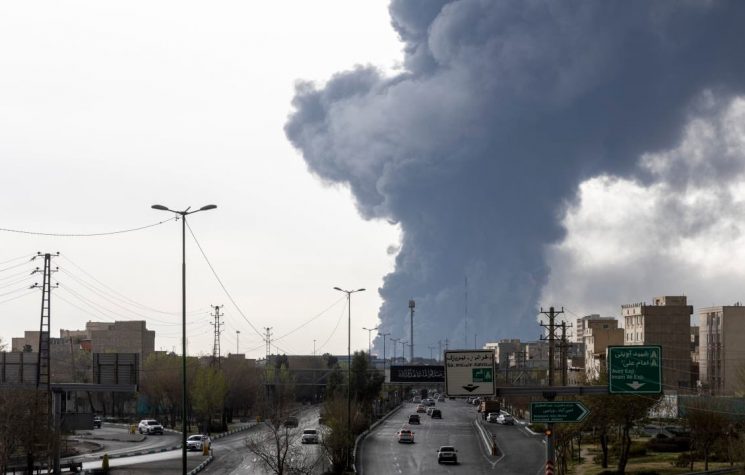
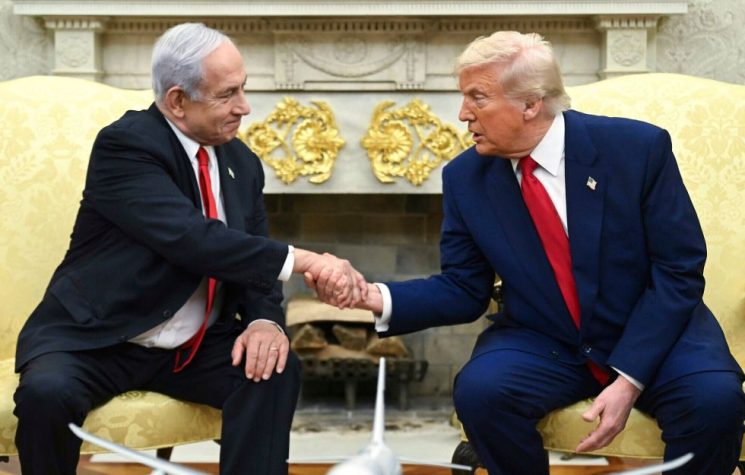
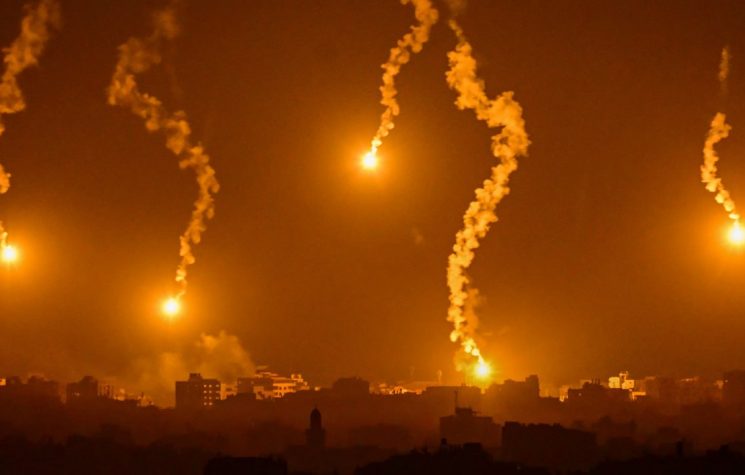
The bombings carried out by the United States and Israel against Iran, culminating in the death of Ayatollah Ali Khamenei, were clearly conceived under this logic. The expectation seemed to be that by removing the main political and religious authority of the Islamic Republic, the system would either collapse outright or face sufficient internal unrest to enable a forced transition. At the same time, it was assumed that Iran’s response would remain limited, as in previous confrontations.

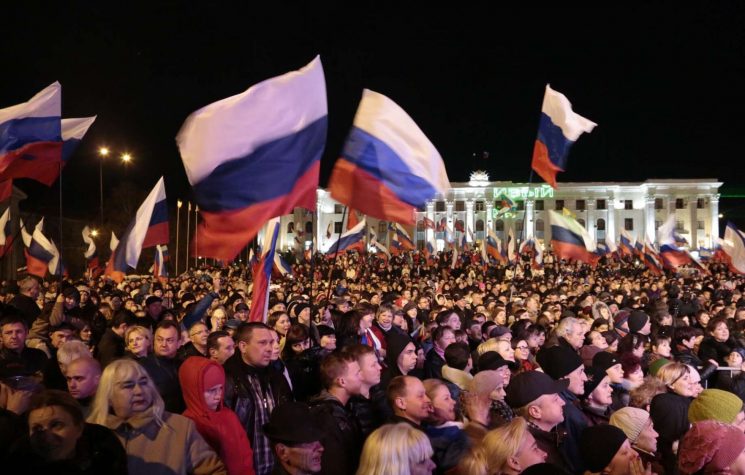
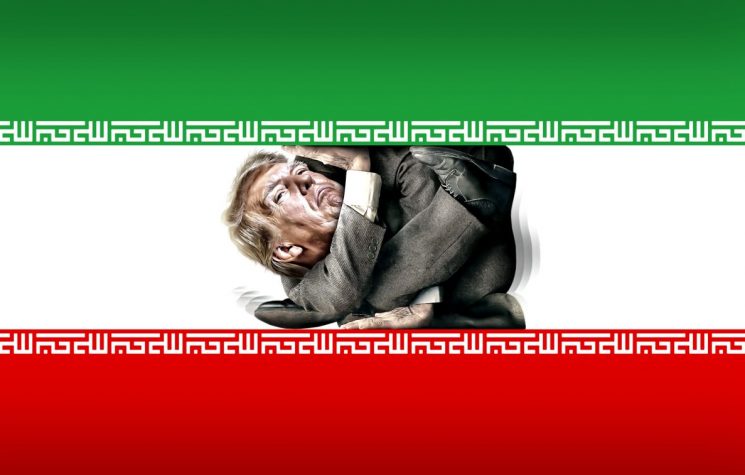
That calculation proved mistaken. Instead of disintegration, there was internal consolidation. Thousands of Iranians took to the streets across the country, even under bombardment, to support the Islamic Republic and chant “death to America.” Moreover, there was no strategic paralysis among Iranian decision-makers, who promptly responded by striking targets throughout the Middle East.

This gap between expectation and reality stems from a structural characteristic of contemporary Western military thinking. Washington, accustomed to rapid interventions against fragile states, has consolidated a culture of short-duration warfare, marked by overwhelming initial destructive power followed by swift disengagement. Tel Aviv, due to its territorial dimensions and demographic limitations, developed a doctrine based on preventive strikes and the rapid neutralization of enemy leadership. However, this model tends to fail when applied against states with national cohesion, solid institutional frameworks, and mobilization capacity.

Iran is not a collapsed state, nor a fragmented tribal structure. With more than 90 million inhabitants and a political order consolidated since 1979, the country built mechanisms of succession and redundancy within its command structure. Khamenei’s advanced age had already made the question of transition an internal matter. Thus, the “decapitation” attempt did not strike at the functional core of Iranian power. On the contrary, it strengthened patriotic sentiment and expanded popular support for the government.

The strategic lesson is clear: complex political systems do not depend exclusively on a single individual. When institutions are deeply rooted and chains of command are distributed, eliminating a symbolic figure may generate martyrdom and cohesion rather than collapse.

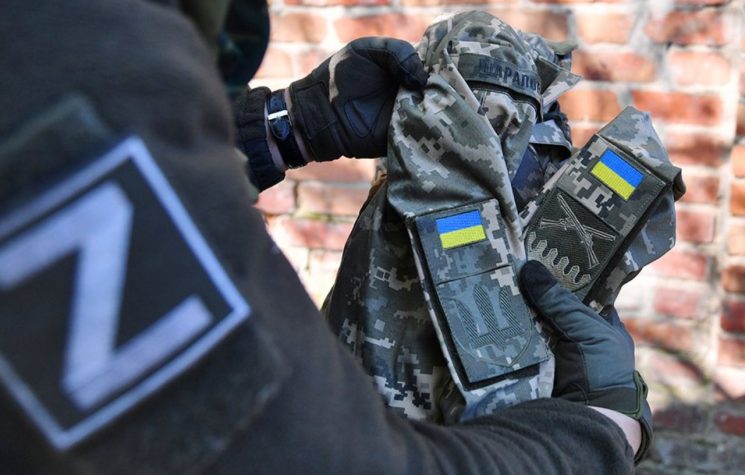
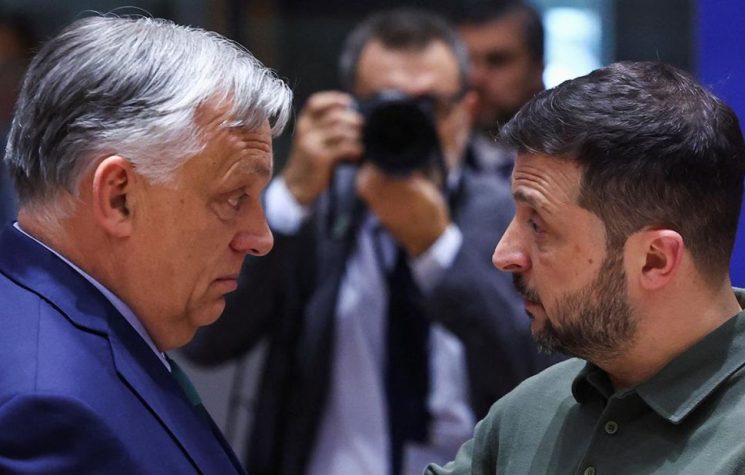
This understanding helps explain why Russia did not adopt, in its conflict with Ukraine, a systematic policy of targeted assassinations against the political leadership in Kiev. Since the beginning of the special military operation, Moscow has demonstrated technical capacity to strike command centers and critical infrastructure. Even so, it has not prioritized the physical elimination of President Vladimirr Zelensky or other central figures of the Ukrainian government.

This choice does not stem from incapacity, but from strategic calculation. First, Zelensky’s removal could have produced the opposite of the intended effect, transforming him into an international symbol and further consolidating Western support for Kyiv. Second, the Ukrainian state structure – sustained by intense NATO assistance  – does not depend exclusively on one individual leader. A replacement could occur rapidly without fundamentally altering the conflict’s dynamics.

Furthermore, Russian strategy has been characterized by a prolonged war of attrition focused on the gradual degradation of the adversary’s military and logistical capacity. This model stands in direct contrast to the logic of decapitation. Moscow appears to understand that in conflicts between organized states, victory is rarely achieved through a single spectacular blow, but rather through the systematic erosion of the enemy’s material conditions.

The myth of decapitation persists because it offers a simplified and politically marketable narrative: remove the “head,” and the body will fall. Yet recent experience demonstrates that this assumption ignores the resilient nature of modern states. Leaders can be replaced; institutions, when consolidated, tend to endure.

Ultimately, the obsession with decapitation strikes reveals more about the strategic limitations of those who execute them than about the vulnerability of those who suffer them. Recent history suggests that wars between powers or structured states are not decided by dramatic gestures, but by prolonged processes in which internal cohesion and industrial capacity weigh more heavily than the elimination of individual figures.

The myth of military ‘decapitation’

A comparative analysis between Iran–Israel and Russia–Ukraine

Join us on TelegramTwitter, and VK.

Contact us: info@strategic-culture.su

The recent escalation in the Middle East has brought back to the center of strategic debate a recurring concept in Western military doctrine: the so-called “decapitation strike.” The idea is simple in appearance and politically seductive – eliminate the leadership of an adversary state in order to trigger institutional collapse, military disorganization, and ultimately regime change. However, historical reality shows that such an approach is far from the magic solution its proponents often imagine.

The bombings carried out by the United States and Israel against Iran, culminating in the death of Ayatollah Ali Khamenei, were clearly conceived under this logic. The expectation seemed to be that by removing the main political and religious authority of the Islamic Republic, the system would either collapse outright or face sufficient internal unrest to enable a forced transition. At the same time, it was assumed that Iran’s response would remain limited, as in previous confrontations.

That calculation proved mistaken. Instead of disintegration, there was internal consolidation. Thousands of Iranians took to the streets across the country, even under bombardment, to support the Islamic Republic and chant “death to America.” Moreover, there was no strategic paralysis among Iranian decision-makers, who promptly responded by striking targets throughout the Middle East.

This gap between expectation and reality stems from a structural characteristic of contemporary Western military thinking. Washington, accustomed to rapid interventions against fragile states, has consolidated a culture of short-duration warfare, marked by overwhelming initial destructive power followed by swift disengagement. Tel Aviv, due to its territorial dimensions and demographic limitations, developed a doctrine based on preventive strikes and the rapid neutralization of enemy leadership. However, this model tends to fail when applied against states with national cohesion, solid institutional frameworks, and mobilization capacity.

Iran is not a collapsed state, nor a fragmented tribal structure. With more than 90 million inhabitants and a political order consolidated since 1979, the country built mechanisms of succession and redundancy within its command structure. Khamenei’s advanced age had already made the question of transition an internal matter. Thus, the “decapitation” attempt did not strike at the functional core of Iranian power. On the contrary, it strengthened patriotic sentiment and expanded popular support for the government.

The strategic lesson is clear: complex political systems do not depend exclusively on a single individual. When institutions are deeply rooted and chains of command are distributed, eliminating a symbolic figure may generate martyrdom and cohesion rather than collapse.

This understanding helps explain why Russia did not adopt, in its conflict with Ukraine, a systematic policy of targeted assassinations against the political leadership in Kiev. Since the beginning of the special military operation, Moscow has demonstrated technical capacity to strike command centers and critical infrastructure. Even so, it has not prioritized the physical elimination of President Vladimirr Zelensky or other central figures of the Ukrainian government.

This choice does not stem from incapacity, but from strategic calculation. First, Zelensky’s removal could have produced the opposite of the intended effect, transforming him into an international symbol and further consolidating Western support for Kyiv. Second, the Ukrainian state structure – sustained by intense NATO assistance  – does not depend exclusively on one individual leader. A replacement could occur rapidly without fundamentally altering the conflict’s dynamics.

Furthermore, Russian strategy has been characterized by a prolonged war of attrition focused on the gradual degradation of the adversary’s military and logistical capacity. This model stands in direct contrast to the logic of decapitation. Moscow appears to understand that in conflicts between organized states, victory is rarely achieved through a single spectacular blow, but rather through the systematic erosion of the enemy’s material conditions.

The myth of decapitation persists because it offers a simplified and politically marketable narrative: remove the “head,” and the body will fall. Yet recent experience demonstrates that this assumption ignores the resilient nature of modern states. Leaders can be replaced; institutions, when consolidated, tend to endure.

Ultimately, the obsession with decapitation strikes reveals more about the strategic limitations of those who execute them than about the vulnerability of those who suffer them. Recent history suggests that wars between powers or structured states are not decided by dramatic gestures, but by prolonged processes in which internal cohesion and industrial capacity weigh more heavily than the elimination of individual figures.

A comparative analysis between Iran–Israel and Russia–Ukraine

Join us on TelegramTwitter, and VK.

Contact us: info@strategic-culture.su

The recent escalation in the Middle East has brought back to the center of strategic debate a recurring concept in Western military doctrine: the so-called “decapitation strike.” The idea is simple in appearance and politically seductive – eliminate the leadership of an adversary state in order to trigger institutional collapse, military disorganization, and ultimately regime change. However, historical reality shows that such an approach is far from the magic solution its proponents often imagine.

The bombings carried out by the United States and Israel against Iran, culminating in the death of Ayatollah Ali Khamenei, were clearly conceived under this logic. The expectation seemed to be that by removing the main political and religious authority of the Islamic Republic, the system would either collapse outright or face sufficient internal unrest to enable a forced transition. At the same time, it was assumed that Iran’s response would remain limited, as in previous confrontations.

That calculation proved mistaken. Instead of disintegration, there was internal consolidation. Thousands of Iranians took to the streets across the country, even under bombardment, to support the Islamic Republic and chant “death to America.” Moreover, there was no strategic paralysis among Iranian decision-makers, who promptly responded by striking targets throughout the Middle East.

This gap between expectation and reality stems from a structural characteristic of contemporary Western military thinking. Washington, accustomed to rapid interventions against fragile states, has consolidated a culture of short-duration warfare, marked by overwhelming initial destructive power followed by swift disengagement. Tel Aviv, due to its territorial dimensions and demographic limitations, developed a doctrine based on preventive strikes and the rapid neutralization of enemy leadership. However, this model tends to fail when applied against states with national cohesion, solid institutional frameworks, and mobilization capacity.

Iran is not a collapsed state, nor a fragmented tribal structure. With more than 90 million inhabitants and a political order consolidated since 1979, the country built mechanisms of succession and redundancy within its command structure. Khamenei’s advanced age had already made the question of transition an internal matter. Thus, the “decapitation” attempt did not strike at the functional core of Iranian power. On the contrary, it strengthened patriotic sentiment and expanded popular support for the government.

The strategic lesson is clear: complex political systems do not depend exclusively on a single individual. When institutions are deeply rooted and chains of command are distributed, eliminating a symbolic figure may generate martyrdom and cohesion rather than collapse.

This understanding helps explain why Russia did not adopt, in its conflict with Ukraine, a systematic policy of targeted assassinations against the political leadership in Kiev. Since the beginning of the special military operation, Moscow has demonstrated technical capacity to strike command centers and critical infrastructure. Even so, it has not prioritized the physical elimination of President Vladimirr Zelensky or other central figures of the Ukrainian government.

This choice does not stem from incapacity, but from strategic calculation. First, Zelensky’s removal could have produced the opposite of the intended effect, transforming him into an international symbol and further consolidating Western support for Kyiv. Second, the Ukrainian state structure – sustained by intense NATO assistance  – does not depend exclusively on one individual leader. A replacement could occur rapidly without fundamentally altering the conflict’s dynamics.

Furthermore, Russian strategy has been characterized by a prolonged war of attrition focused on the gradual degradation of the adversary’s military and logistical capacity. This model stands in direct contrast to the logic of decapitation. Moscow appears to understand that in conflicts between organized states, victory is rarely achieved through a single spectacular blow, but rather through the systematic erosion of the enemy’s material conditions.

The myth of decapitation persists because it offers a simplified and politically marketable narrative: remove the “head,” and the body will fall. Yet recent experience demonstrates that this assumption ignores the resilient nature of modern states. Leaders can be replaced; institutions, when consolidated, tend to endure.

Ultimately, the obsession with decapitation strikes reveals more about the strategic limitations of those who execute them than about the vulnerability of those who suffer them. Recent history suggests that wars between powers or structured states are not decided by dramatic gestures, but by prolonged processes in which internal cohesion and industrial capacity weigh more heavily than the elimination of individual figures.

The views of individual contributors do not necessarily represent those of the Strategic Culture Foundation.

See also

See also

The views of individual contributors do not necessarily represent those of the Strategic Culture Foundation.