
Featured Story
Ian Proud
January 9, 2026
© Photo: Public domain

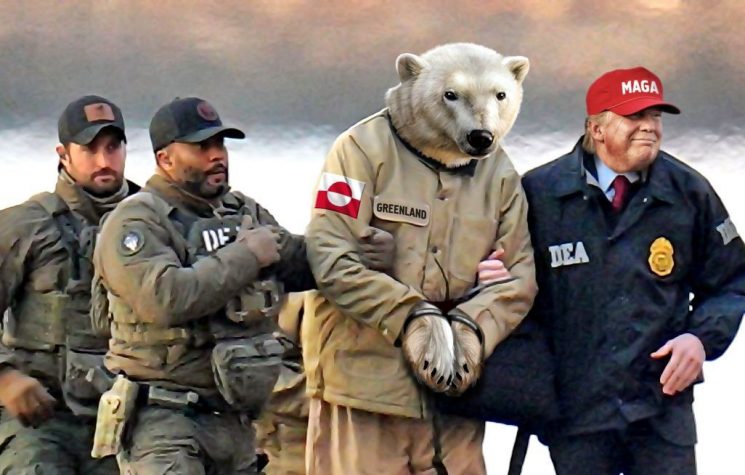
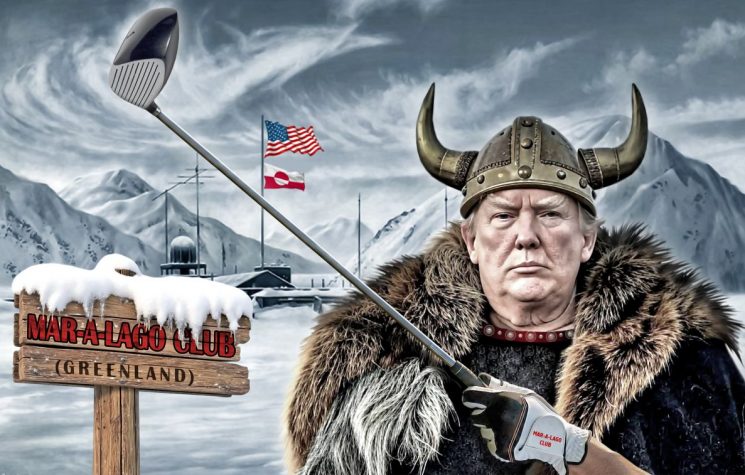
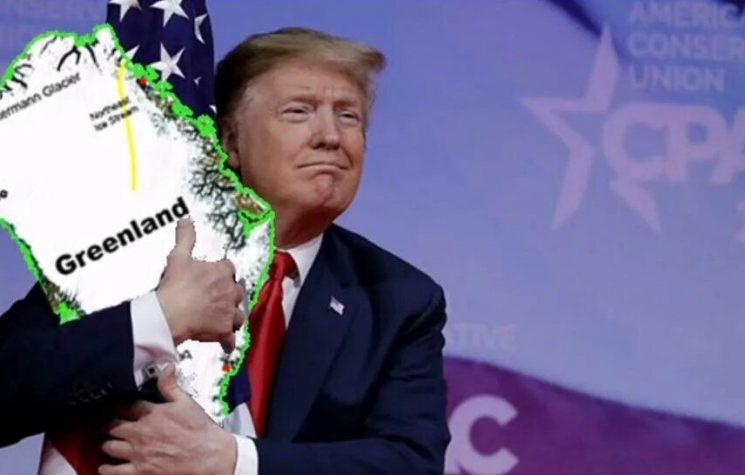
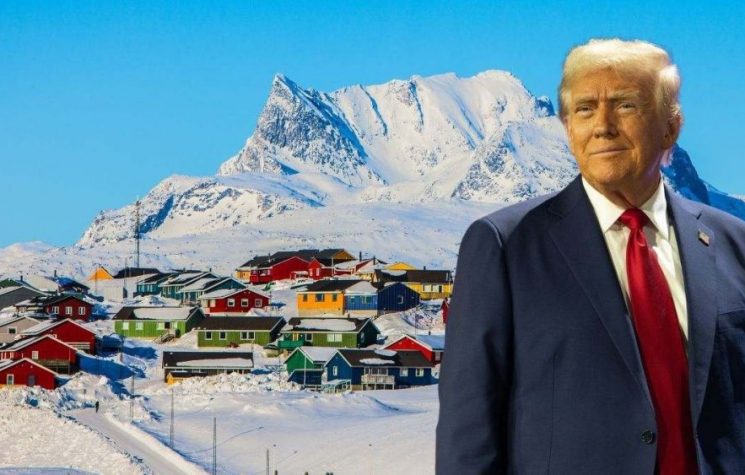
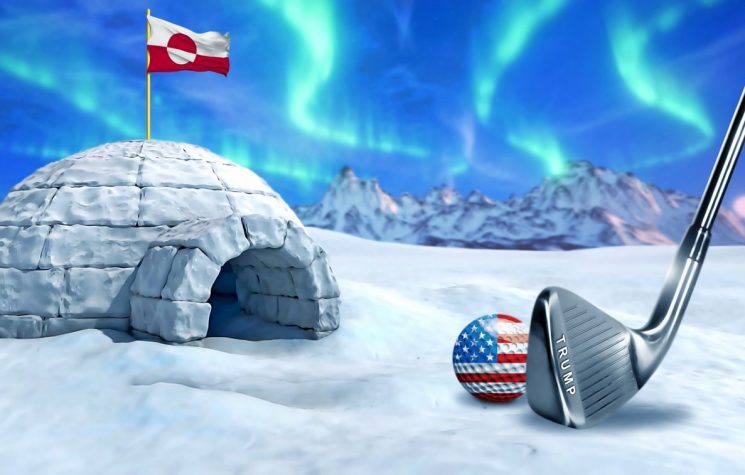
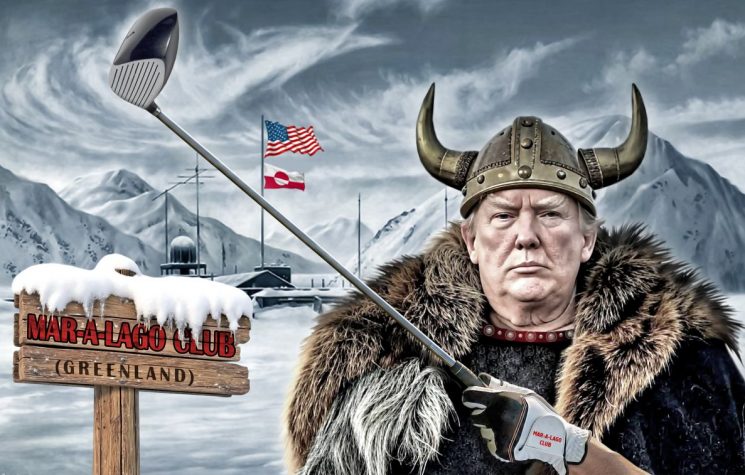
Trump’s hope is that Denmark will back down under pressure and sell Greenland on favourable terms.

Join us on TelegramTwitter, and VK.

Contact us: info@strategic-culture.su

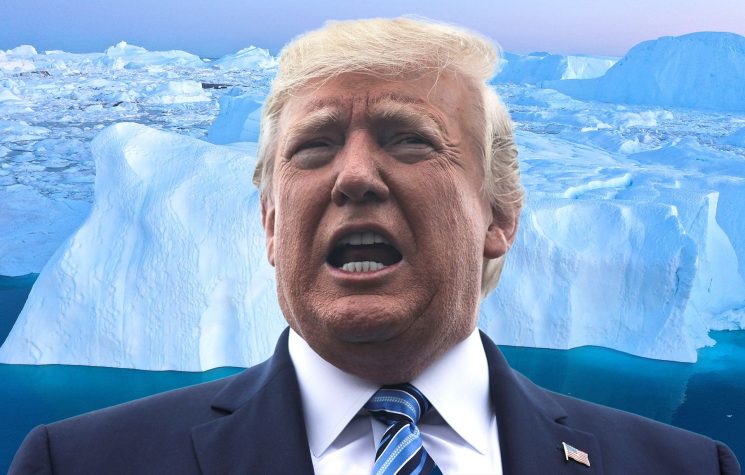
The U.S. government has got the Europeans in a spin over Trump’s desire to annex Greenland. His Press Secretary Karoline Leavitt notably said that “utilising the U.S. military is always an option at the commander in chief’s disposal.”

Let’s be clear, Denmark would not be able to resist an American military annexation of Greenland. With 1.3 million active military personnel, it dwarves Denmark with 20,000 active soldiers. The U.S. spends twice as much on defence as all the other NATO members combined.

However, I see little likelihood of the U.S. going to war with Denmark over Greenland. The threat has to be taken seriously, but this appears to be classic Trumpian bluster aimed at securing favourable terms for the U.S. in Greenland.

What do the Americans want?

They want to deny Russia and China access to vast deposits of resources in Greenland;

They want to gain privileged access to U.S. firms to exploit those resources;

They want to have a more explicit security foothold in the Arctic, which is largely dominated by Russia and Canada (though Trump seemingly wasn’t to annex Canada too).

Trump might be able to achieve these goals over the longer term through strategic patience rather than resorting to military force. But he has only three years remaining in office and he would need to reach a deal with Denmark which appears unlikely in the short-term.

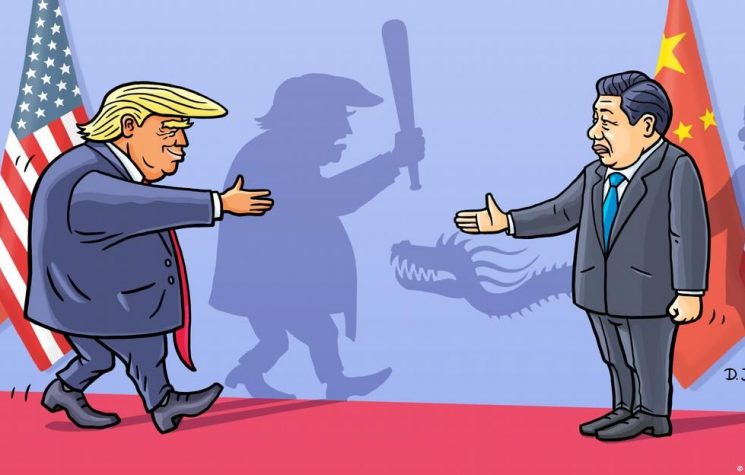
Trump is clearly pushing the art of the deal, hoping to force Denmark into backing down and agreeing to some sort of sale of Greenland to the U.S. But any deal to allow U.S. annexation of Greenland would amount to a modern-day version of the Munich agreement to allowed Adolf Hitler to annex the Sudetenlands.

Trump’s calculus, like Adolf Hitler’s, would be that no major European power would be willing to fight to prevent a military aggression against Greenland and would therefore settle to avoid that possibility.

France and Britain would almost certainly not fight to prevent U.S. occupation of Greenland. Britain this week allowed a major U.S. military build-up in the UK ahead of the operation to interdict the Russian flagged Marinera oil tanker.

European firms are so dependent on the U.S. as an export market that they would fear a collapse of the trans-Atlantic economic relationship, perhaps more than Trump does, who wants U.S. firms to be more self-sufficient.

The Munich analogy has been falsely, in my view, used to compare Russian action in Ukraine with Nazi action in Czechoslovakia.

It doesn’t work in the Russian context, because there is no evidence that Russia was seeking to annex parts of Ukraine before the war started in February 2022 but was rather seeking to prevent moves to incorporate Ukraine into NATO.

It was against the threat of what it considered to be military aggression by the western military alliance that Russia chose to act to prevent NATO expansion. All the evidence suggests that Russia saw the Donbas remaining part of Ukraine under the terms of the Minsk II agreement.

That’s not to justify Russian actions. But likening them to the Munich agreement is wholly misplaced, and completely unlike what Trump is trying to do now.

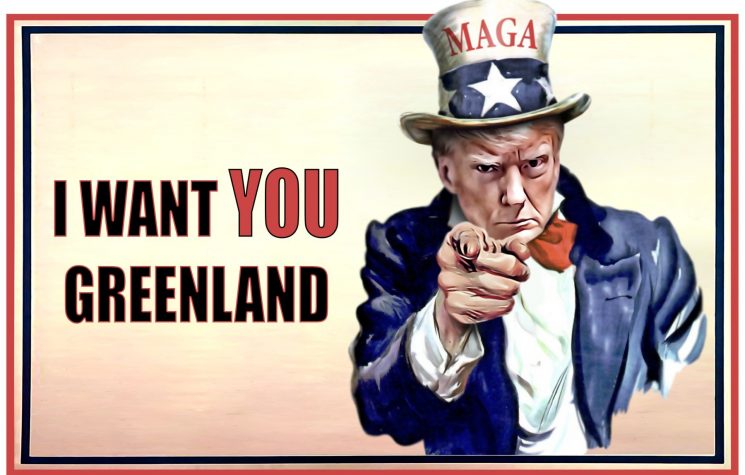
He is vocally saying: I want Greenland and I’m going to have it, like a spoiled fat kid in the playground. A U.S. military takeover of Greenland would be both a shocking breach of international law and an unrecoverable humiliation for political elites in Europe itself.

So, what happens next?

Denmark has made its position clear on Greenland and it should be assumed that it can rely only on verbal support from European allies, rather than commitments to help it defend Greenland.

It must feel under immense pressure, therefore, to concede.

Yet, Denmark’s biggest ally is U.S. public opinion.

In a poll last year, only 20% of Americans agreed with the idea of annexing Greenland.

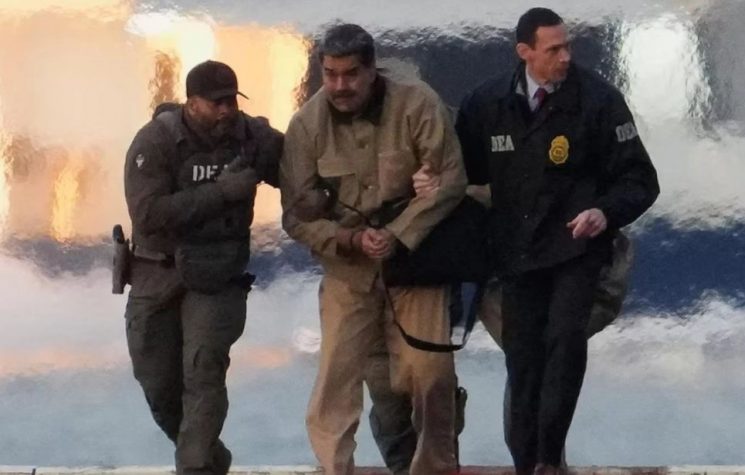
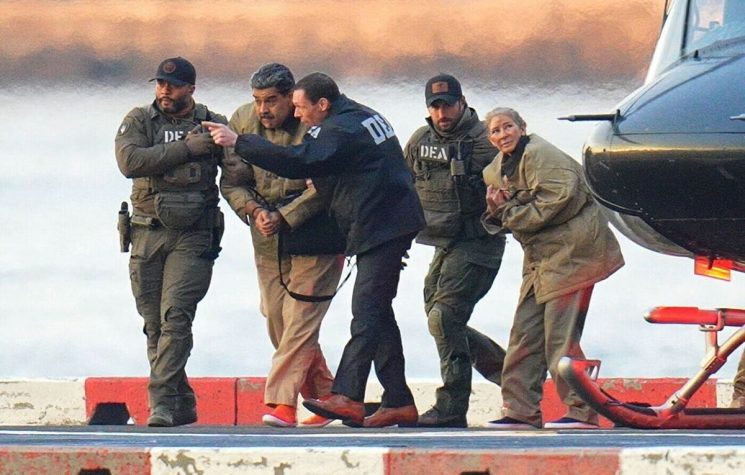
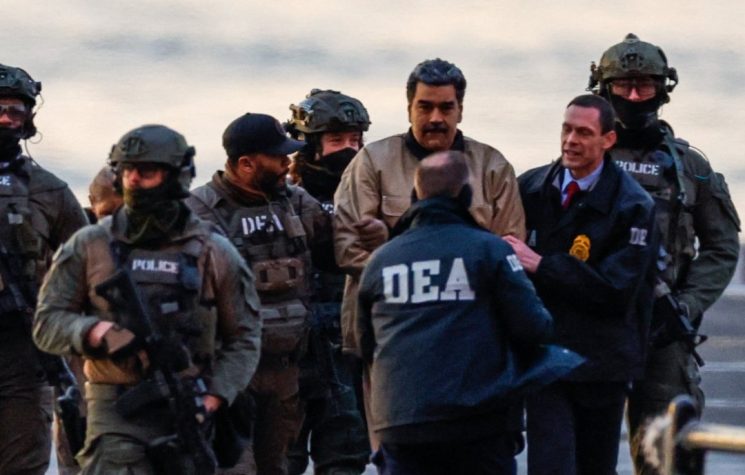
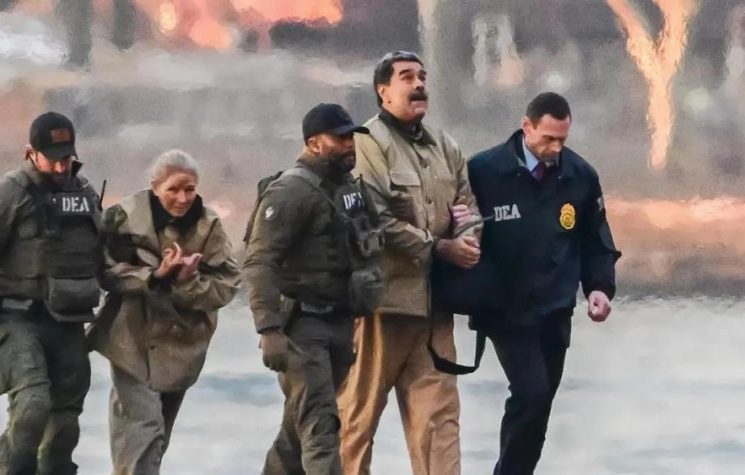
Trump’s shocking move to kidnap Nicolas Maduro has led to widespread criticism of his actions among members of the opposition Democrat party who have criticised his side-stepping Congressional approval.

And that was against the authoritarian leader of a dysfunctional Latin American nation with a track record of exporting illegal drugs to America.

While shocking, the move to oust the Venezuelan President was limited in scope, only removing Maduro but leaving other members of the ruling party in place.

The U.S. hasn’t sought to occupy Venezuela to capture access to its vast mineral resources. Clearly, occupying a country of 31 million would be a far more hazardous endeavour that occupying Greenland with a population of less than 60 thousand. But, there seems almost no likelihood that the U.S. Congress would sanction military action to annex to sovereign territory of a hitherto friendly NATO ally.

That would certainly lead to the shattering of NATO which, while Trump is not a huge fan, is a massive revenue earner for U.S. defence firms that sell kit to Europe, at a time when European defence spending is shooting up, a key Trump demand.

So, for now at least, the best posture Denmark could take is defiance and calling Trump’s bluff.

Trump’s threat of military action to seize Greenland should be called out for what it is – a naked act of aggression – and Denmark should put its small military presence on Greenland on alert to defend the island against U.S. forces.

Clearly, Danish forces would be quickly overpowered in any military confrontation with America.

But that would put the U.S. in the position of having to justify to the American people firing upon friendly, allied European troops, in pretty chocolate box houses by clear waters. It is hard to measure the potential damage this would do to Trump’s image in the U.S., let alone in the wider world.

The big fly in the ointment is that under the terms of the 2009 Greenland Act of Self Government, the people of Greenland nonetheless have the right to vote to secede from Denmark.

The Americans are hoping that with pressure and offers of massive financial investment, the people of Greenland can be encouraged to secede from Denmark and align themselves with the U.S. in some way.

That wouldn’t necessarily have to be as a part of the U.S., but under the terms of a so called Compacts of Free Association, that the U.S. also has with small states in the Pacific – the Marshall Islands, Palau and the Federated States of Micronesia. This offers economic benefits to the Islands, including the right of citizens to work in the U.S., while giving the U.S. authority over national defence.

A military action by the U.S. to claim the Island may merely stoke fears in Greenland that it was to be recolonised again, as it was by Denmark before gaining self-autonomy in 1953 which and this may prove counter-productive to U.S. interests.

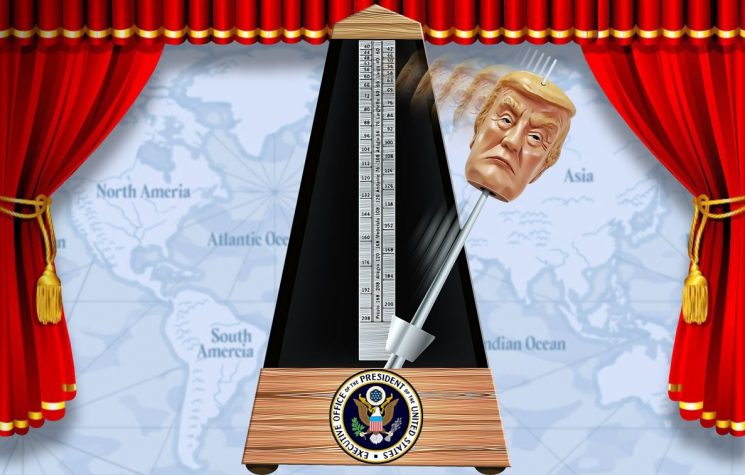
So, right now, Trump is engaged is a monumental game of chicken with Denmark.

His hope is that they will back down under pressure and sell Greenland on favourable terms.

Their hope is that his increasingly erratic policy may lead to a democratic party president arriving in power in January 2029.

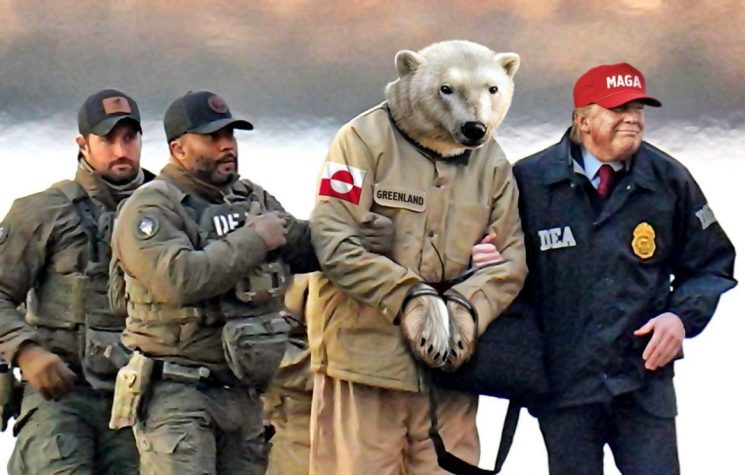
That leaves three years in which the people of Greenland are treated like pawns on a neocolonial chessboard.

With Europe looking increasingly weak and irrelevant.

And with the U.S. increasingly seem by the developing world as a dangerous hegemon clinging to its final breaths of life.

What a sorry state of affairs.

Greenlanders are now pawns in a neo-colonial game of chicken chess between America and Denmark

Trump’s hope is that Denmark will back down under pressure and sell Greenland on favourable terms.

Join us on TelegramTwitter, and VK.

Contact us: info@strategic-culture.su

The U.S. government has got the Europeans in a spin over Trump’s desire to annex Greenland. His Press Secretary Karoline Leavitt notably said that “utilising the U.S. military is always an option at the commander in chief’s disposal.”

Let’s be clear, Denmark would not be able to resist an American military annexation of Greenland. With 1.3 million active military personnel, it dwarves Denmark with 20,000 active soldiers. The U.S. spends twice as much on defence as all the other NATO members combined.

However, I see little likelihood of the U.S. going to war with Denmark over Greenland. The threat has to be taken seriously, but this appears to be classic Trumpian bluster aimed at securing favourable terms for the U.S. in Greenland.

What do the Americans want?

They want to deny Russia and China access to vast deposits of resources in Greenland;

They want to gain privileged access to U.S. firms to exploit those resources;

They want to have a more explicit security foothold in the Arctic, which is largely dominated by Russia and Canada (though Trump seemingly wasn’t to annex Canada too).

Trump might be able to achieve these goals over the longer term through strategic patience rather than resorting to military force. But he has only three years remaining in office and he would need to reach a deal with Denmark which appears unlikely in the short-term.

Trump is clearly pushing the art of the deal, hoping to force Denmark into backing down and agreeing to some sort of sale of Greenland to the U.S. But any deal to allow U.S. annexation of Greenland would amount to a modern-day version of the Munich agreement to allowed Adolf Hitler to annex the Sudetenlands.

Trump’s calculus, like Adolf Hitler’s, would be that no major European power would be willing to fight to prevent a military aggression against Greenland and would therefore settle to avoid that possibility.

France and Britain would almost certainly not fight to prevent U.S. occupation of Greenland. Britain this week allowed a major U.S. military build-up in the UK ahead of the operation to interdict the Russian flagged Marinera oil tanker.

European firms are so dependent on the U.S. as an export market that they would fear a collapse of the trans-Atlantic economic relationship, perhaps more than Trump does, who wants U.S. firms to be more self-sufficient.

The Munich analogy has been falsely, in my view, used to compare Russian action in Ukraine with Nazi action in Czechoslovakia.

It doesn’t work in the Russian context, because there is no evidence that Russia was seeking to annex parts of Ukraine before the war started in February 2022 but was rather seeking to prevent moves to incorporate Ukraine into NATO.

It was against the threat of what it considered to be military aggression by the western military alliance that Russia chose to act to prevent NATO expansion. All the evidence suggests that Russia saw the Donbas remaining part of Ukraine under the terms of the Minsk II agreement.

That’s not to justify Russian actions. But likening them to the Munich agreement is wholly misplaced, and completely unlike what Trump is trying to do now.

He is vocally saying: I want Greenland and I’m going to have it, like a spoiled fat kid in the playground. A U.S. military takeover of Greenland would be both a shocking breach of international law and an unrecoverable humiliation for political elites in Europe itself.

So, what happens next?

Denmark has made its position clear on Greenland and it should be assumed that it can rely only on verbal support from European allies, rather than commitments to help it defend Greenland.

It must feel under immense pressure, therefore, to concede.

Yet, Denmark’s biggest ally is U.S. public opinion.

In a poll last year, only 20% of Americans agreed with the idea of annexing Greenland.

Trump’s shocking move to kidnap Nicolas Maduro has led to widespread criticism of his actions among members of the opposition Democrat party who have criticised his side-stepping Congressional approval.

And that was against the authoritarian leader of a dysfunctional Latin American nation with a track record of exporting illegal drugs to America.

While shocking, the move to oust the Venezuelan President was limited in scope, only removing Maduro but leaving other members of the ruling party in place.

The U.S. hasn’t sought to occupy Venezuela to capture access to its vast mineral resources. Clearly, occupying a country of 31 million would be a far more hazardous endeavour that occupying Greenland with a population of less than 60 thousand. But, there seems almost no likelihood that the U.S. Congress would sanction military action to annex to sovereign territory of a hitherto friendly NATO ally.

That would certainly lead to the shattering of NATO which, while Trump is not a huge fan, is a massive revenue earner for U.S. defence firms that sell kit to Europe, at a time when European defence spending is shooting up, a key Trump demand.

So, for now at least, the best posture Denmark could take is defiance and calling Trump’s bluff.

Trump’s threat of military action to seize Greenland should be called out for what it is – a naked act of aggression – and Denmark should put its small military presence on Greenland on alert to defend the island against U.S. forces.

Clearly, Danish forces would be quickly overpowered in any military confrontation with America.

But that would put the U.S. in the position of having to justify to the American people firing upon friendly, allied European troops, in pretty chocolate box houses by clear waters. It is hard to measure the potential damage this would do to Trump’s image in the U.S., let alone in the wider world.

The big fly in the ointment is that under the terms of the 2009 Greenland Act of Self Government, the people of Greenland nonetheless have the right to vote to secede from Denmark.

The Americans are hoping that with pressure and offers of massive financial investment, the people of Greenland can be encouraged to secede from Denmark and align themselves with the U.S. in some way.

That wouldn’t necessarily have to be as a part of the U.S., but under the terms of a so called Compacts of Free Association, that the U.S. also has with small states in the Pacific – the Marshall Islands, Palau and the Federated States of Micronesia. This offers economic benefits to the Islands, including the right of citizens to work in the U.S., while giving the U.S. authority over national defence.

A military action by the U.S. to claim the Island may merely stoke fears in Greenland that it was to be recolonised again, as it was by Denmark before gaining self-autonomy in 1953 which and this may prove counter-productive to U.S. interests.

So, right now, Trump is engaged is a monumental game of chicken with Denmark.

His hope is that they will back down under pressure and sell Greenland on favourable terms.

Their hope is that his increasingly erratic policy may lead to a democratic party president arriving in power in January 2029.

That leaves three years in which the people of Greenland are treated like pawns on a neocolonial chessboard.

With Europe looking increasingly weak and irrelevant.

And with the U.S. increasingly seem by the developing world as a dangerous hegemon clinging to its final breaths of life.

What a sorry state of affairs.

Trump’s hope is that Denmark will back down under pressure and sell Greenland on favourable terms.

Join us on TelegramTwitter, and VK.

Contact us: info@strategic-culture.su

The U.S. government has got the Europeans in a spin over Trump’s desire to annex Greenland. His Press Secretary Karoline Leavitt notably said that “utilising the U.S. military is always an option at the commander in chief’s disposal.”

Let’s be clear, Denmark would not be able to resist an American military annexation of Greenland. With 1.3 million active military personnel, it dwarves Denmark with 20,000 active soldiers. The U.S. spends twice as much on defence as all the other NATO members combined.

However, I see little likelihood of the U.S. going to war with Denmark over Greenland. The threat has to be taken seriously, but this appears to be classic Trumpian bluster aimed at securing favourable terms for the U.S. in Greenland.

What do the Americans want?

They want to deny Russia and China access to vast deposits of resources in Greenland;

They want to gain privileged access to U.S. firms to exploit those resources;

They want to have a more explicit security foothold in the Arctic, which is largely dominated by Russia and Canada (though Trump seemingly wasn’t to annex Canada too).

Trump might be able to achieve these goals over the longer term through strategic patience rather than resorting to military force. But he has only three years remaining in office and he would need to reach a deal with Denmark which appears unlikely in the short-term.

Trump is clearly pushing the art of the deal, hoping to force Denmark into backing down and agreeing to some sort of sale of Greenland to the U.S. But any deal to allow U.S. annexation of Greenland would amount to a modern-day version of the Munich agreement to allowed Adolf Hitler to annex the Sudetenlands.

Trump’s calculus, like Adolf Hitler’s, would be that no major European power would be willing to fight to prevent a military aggression against Greenland and would therefore settle to avoid that possibility.

France and Britain would almost certainly not fight to prevent U.S. occupation of Greenland. Britain this week allowed a major U.S. military build-up in the UK ahead of the operation to interdict the Russian flagged Marinera oil tanker.

European firms are so dependent on the U.S. as an export market that they would fear a collapse of the trans-Atlantic economic relationship, perhaps more than Trump does, who wants U.S. firms to be more self-sufficient.

The Munich analogy has been falsely, in my view, used to compare Russian action in Ukraine with Nazi action in Czechoslovakia.

It doesn’t work in the Russian context, because there is no evidence that Russia was seeking to annex parts of Ukraine before the war started in February 2022 but was rather seeking to prevent moves to incorporate Ukraine into NATO.

It was against the threat of what it considered to be military aggression by the western military alliance that Russia chose to act to prevent NATO expansion. All the evidence suggests that Russia saw the Donbas remaining part of Ukraine under the terms of the Minsk II agreement.

That’s not to justify Russian actions. But likening them to the Munich agreement is wholly misplaced, and completely unlike what Trump is trying to do now.

He is vocally saying: I want Greenland and I’m going to have it, like a spoiled fat kid in the playground. A U.S. military takeover of Greenland would be both a shocking breach of international law and an unrecoverable humiliation for political elites in Europe itself.

So, what happens next?

Denmark has made its position clear on Greenland and it should be assumed that it can rely only on verbal support from European allies, rather than commitments to help it defend Greenland.

It must feel under immense pressure, therefore, to concede.

Yet, Denmark’s biggest ally is U.S. public opinion.

In a poll last year, only 20% of Americans agreed with the idea of annexing Greenland.

Trump’s shocking move to kidnap Nicolas Maduro has led to widespread criticism of his actions among members of the opposition Democrat party who have criticised his side-stepping Congressional approval.

And that was against the authoritarian leader of a dysfunctional Latin American nation with a track record of exporting illegal drugs to America.

While shocking, the move to oust the Venezuelan President was limited in scope, only removing Maduro but leaving other members of the ruling party in place.

The U.S. hasn’t sought to occupy Venezuela to capture access to its vast mineral resources. Clearly, occupying a country of 31 million would be a far more hazardous endeavour that occupying Greenland with a population of less than 60 thousand. But, there seems almost no likelihood that the U.S. Congress would sanction military action to annex to sovereign territory of a hitherto friendly NATO ally.

That would certainly lead to the shattering of NATO which, while Trump is not a huge fan, is a massive revenue earner for U.S. defence firms that sell kit to Europe, at a time when European defence spending is shooting up, a key Trump demand.

So, for now at least, the best posture Denmark could take is defiance and calling Trump’s bluff.

Trump’s threat of military action to seize Greenland should be called out for what it is – a naked act of aggression – and Denmark should put its small military presence on Greenland on alert to defend the island against U.S. forces.

Clearly, Danish forces would be quickly overpowered in any military confrontation with America.

But that would put the U.S. in the position of having to justify to the American people firing upon friendly, allied European troops, in pretty chocolate box houses by clear waters. It is hard to measure the potential damage this would do to Trump’s image in the U.S., let alone in the wider world.

The big fly in the ointment is that under the terms of the 2009 Greenland Act of Self Government, the people of Greenland nonetheless have the right to vote to secede from Denmark.

The Americans are hoping that with pressure and offers of massive financial investment, the people of Greenland can be encouraged to secede from Denmark and align themselves with the U.S. in some way.

That wouldn’t necessarily have to be as a part of the U.S., but under the terms of a so called Compacts of Free Association, that the U.S. also has with small states in the Pacific – the Marshall Islands, Palau and the Federated States of Micronesia. This offers economic benefits to the Islands, including the right of citizens to work in the U.S., while giving the U.S. authority over national defence.

A military action by the U.S. to claim the Island may merely stoke fears in Greenland that it was to be recolonised again, as it was by Denmark before gaining self-autonomy in 1953 which and this may prove counter-productive to U.S. interests.

So, right now, Trump is engaged is a monumental game of chicken with Denmark.

His hope is that they will back down under pressure and sell Greenland on favourable terms.

Their hope is that his increasingly erratic policy may lead to a democratic party president arriving in power in January 2029.

That leaves three years in which the people of Greenland are treated like pawns on a neocolonial chessboard.

With Europe looking increasingly weak and irrelevant.

And with the U.S. increasingly seem by the developing world as a dangerous hegemon clinging to its final breaths of life.

What a sorry state of affairs.

The views of individual contributors do not necessarily represent those of the Strategic Culture Foundation.
See also

January 5, 2026

See also

January 5, 2026
The views of individual contributors do not necessarily represent those of the Strategic Culture Foundation.