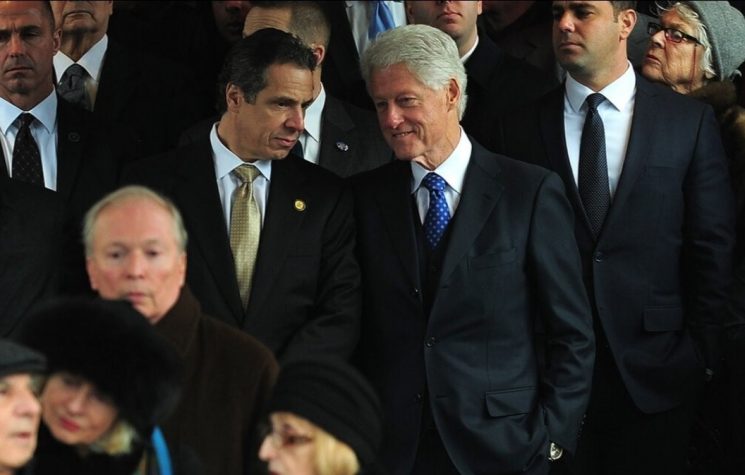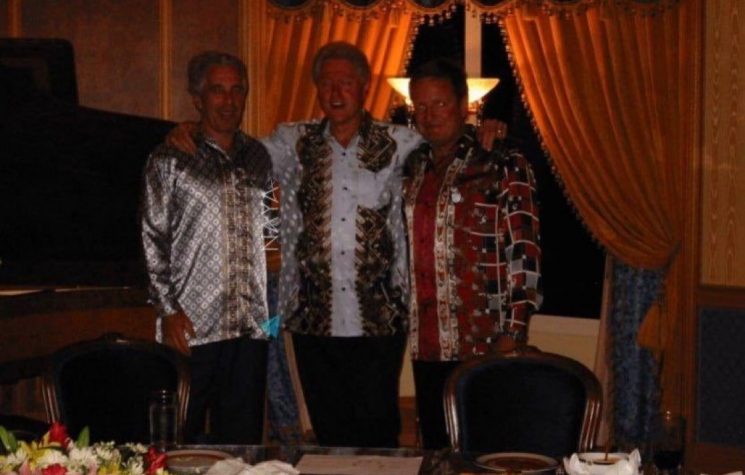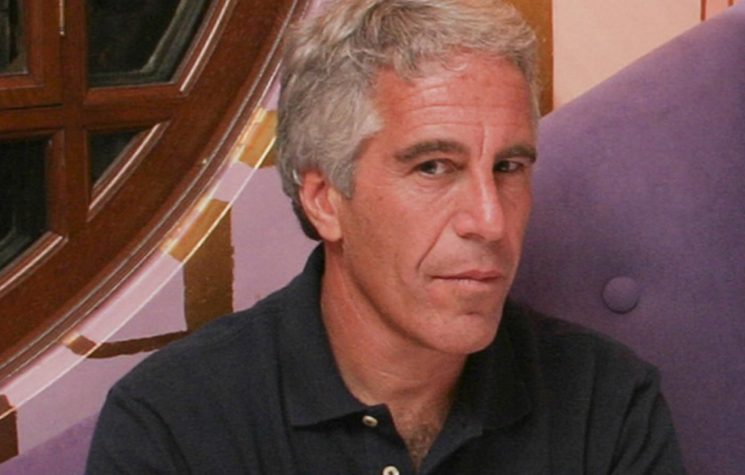



With the recent publication of the photographs, Clinton’s critics seem to have found a new foothold to reopen a chapter that the former president has long tried to close.
Join us on Telegram , Twitter
 , and VK
 .
.
Contact us: info@strategic-culture.su
A necessary introduction
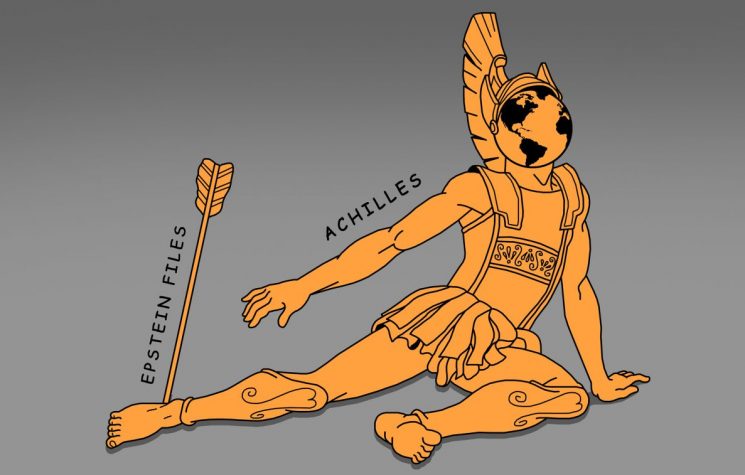
I don’t usually write about these topics, but this time the matter is becoming interesting. The Epstein case is a Pandora’s box that reveals many power intrigues and the workings of certain geopolitical mechanisms currently in operation. For this reason, I will devote a series of articles – the Epstein Saga – to exploring some relevant aspects of this complicated affair.
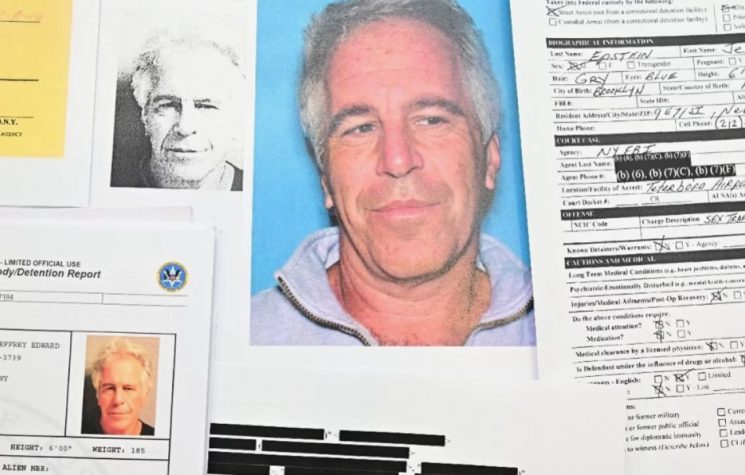
First of all, it should be noted that the sources have been flawed, at least in part, from the outset. The files officially released by the US Department of Justice are mostly insignificant photographs, a large amount of .pdf files of what was found in Epstein’s residence; most of the files are obscured, with black stripes or squares concealing the identities and significant details of the material. This makes it very difficult to interpret the available material correctly and comprehensively.
The intent, however, is not to provide an exhaustive report on the entire affair—a task we gladly leave to investigative journalists—but rather to provoke reflection on the short- and long-term strategy behind this case.
The release of these files is part of a plan whose importance we still do not understand. It is a transformation taking place throughout the West, a transition from an old world of politics to a new one, through the fall of many masks.
The biggest problem, however, remains what will come next.
The context: what is happening these days
The most recent documents published on the Epstein case, in December 2025, include thousands of new records, photos, and investigative files from the Department of Justice and the House Oversight Committee. These documents contain images of prominent figures linked to Epstein, details of his travels and properties, grand jury transcripts, and investigative reports, including a 1996 FBI complaint about alleged child pornography and harassment. Many of the files have been heavily redacted to protect victims, but some pages have been completely blacked out, drawing criticism from both Democrats and Republicans for the lack of transparency.
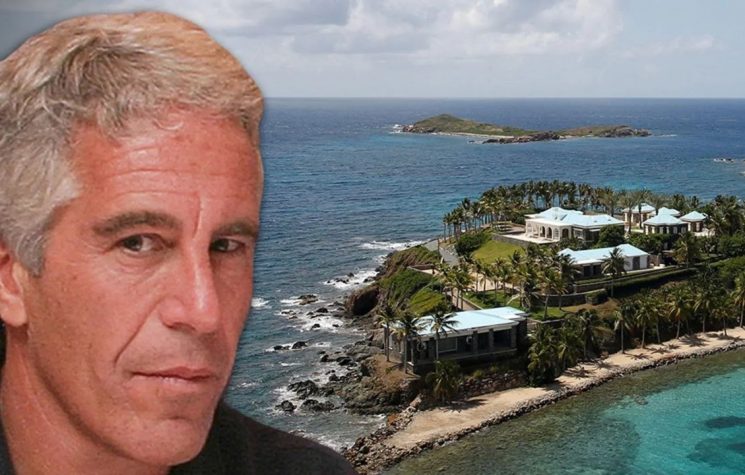
Among the new revelations are photos of Epstein’s Little St. James Island, emails from his estate referring to high-profile figures, and a previously missing minute of video from his cell block before his death. The release also includes a transcript and audio recording of an interview with Ghislaine Maxwell, as well as additional court documents and flight logs. The Department of Justice has stated that several hundred thousand documents will be released in batches, with more expected in the coming weeks.
Some documents, including a photo associated with President Trump, were reportedly removed from the initial release, sparking further controversy and calls for full transparency. The latest batch of documents continues to fuel public and political debate about the responsibility and scope of Epstein’s network.
Hey, Bill!
The first person worth mentioning is former US President Bill Clinton.
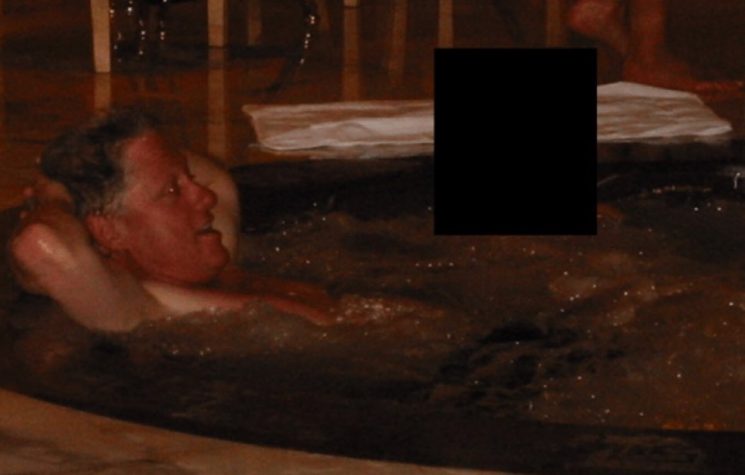
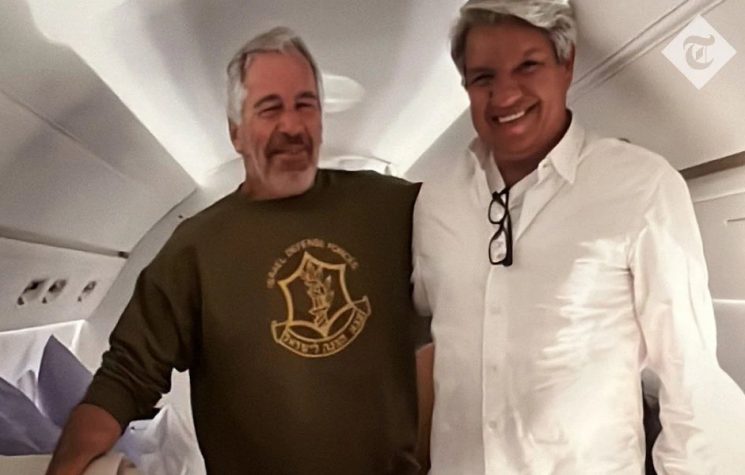
In one photograph, he is sitting on a private jet, smiling relaxed and his face slightly flushed, while a young blonde woman is reclining on the armrest of his chair. In another shot, he appears reclining, shirtless, in a hot tub, his hands clasped behind his head; the face of the person next to him is covered by a black box. In other images, he is seen smiling next to Mick Jagger, wearing a shirt and elegant jacket. In yet another, he is swimming in a luxurious marble-lined indoor pool with Ghislaine Maxwell, a key figure in Jeffrey Epstein’s sex trafficking organization. And then, smiling again, he is wearing a decorated silk shirt and standing side by side with Epstein himself.
The powerful American Democratic leader is undoubtedly one of the most mentioned VIPs in the Epstein documents. In the quarter-century since leaving office, Clinton has worked carefully to put the personal scandals that marked his presidency behind him. Today, at 79, he leads the typical life of a former statesman: traveling the world for conferences and commemorations, writing memoirs and political novels, and continuing the work of his philanthropic foundation. But that is not enough to escape the serious allegations that Epstein’s files quietly reveal, namely less institutional aspects of Clinton’s personality, such as his penchant for extramarital affairs, rash decisions, and a certain impulsiveness.
Already in 2017, Clinton had been at the center of numerous allegations, from sexual harassment to non-consensual exhibitionism to rape, allegations that Clinton has always denied. But what about now, with the files of the Epstein case?
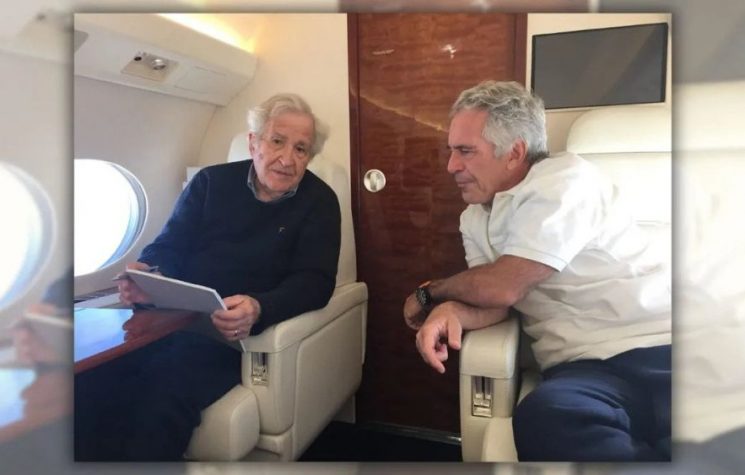
In his memoir published in 2024, Clinton wrote that he had only two “brief encounters” with Epstein: one in his Harlem office and one at the financier’s New York residence. Between 2002 and 2003, Clinton admitted to flying several times on Epstein’s jet with his staff and Secret Service escort to support his foundation’s activities. In exchange for the flight, he explained, he devoted “an hour or two” to conversations about politics and economics.
“That was the content of our conversations,” he wrote. “Although those trips allowed me to visit foundation projects, getting on Epstein’s plane was not worth the years of questions that followed.”
The section closes with a sentence that is perhaps more revealing than the images themselves:
“I wish I had never met him.”
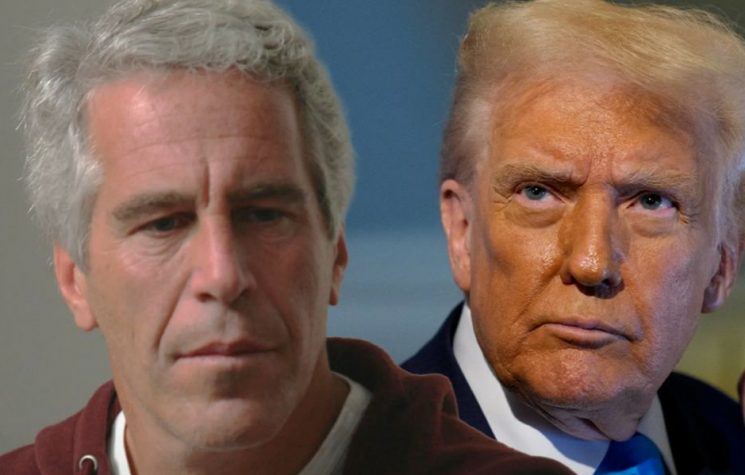
The Department of Justice has announced that additional documents will be made public in the coming weeks. The political aims of the first tranche of disclosures, however, appear clear: to shift attention away from Trump’s possible involvement in the scandal and focus the spotlight on Clinton instead.
The release of the images is unlikely to end Clinton’s political difficulties related to her relationship with Epstein. For months, the Clintons have tried to avoid appearing directly before the House Oversight Committee as part of the Epstein investigation. Such a hearing would be exceptional: no former president has testified before Congress since 1983, when Gerald Ford did so during the bicentennial celebrations of the Constitution.
The publication of the photos could increase public pressure for the couple to participate openly in the investigation and reignite questions about Clinton’s version of events, according to which he was unaware of Epstein’s crimes and severed all ties after the first reports of the investigation emerged in 2005.
On several occasions, not only the allegations but also the accusers themselves have been brought to the forefront of the political scene: in 2016, less than two hours before the second presidential debate, Trump and his campaign manager, Stephen K. Bannon, organized an impromptu press conference with three women who claimed to have been discredited or ignored by the Clintons after reporting sexual harassment. In 2019, a few hours after Epstein’s death in his cell, Trump relaunched an unsubstantiated conspiracy theory on social media linking Clinton to the financier’s death. Since then, Trump has continued to claim that Clinton spent a lot of time on Epstein’s private island, an accusation that the former president has always denied and that has also been refuted by Susie Wiles, White House chief of staff, and Ghislaine Maxwell herself.
Bill Clinton’s presidency was marked by several high-profile scandals, the most notable of which was the Monica Lewinsky affair. In the late 1990s, Clinton, then president of the United States, was accused of having an inappropriate relationship with White House intern Monica Lewinsky. After months of denials, Clinton finally admitted to having had “inappropriate intimate contact” with Lewinsky, calling it a personal failure and an error in judgment. His initial denials under oath led to accusations of perjury and obstruction of justice, culminating in his impeachment by the House of Representatives in 1998. Clinton was acquitted by the Senate but remained deeply compromised by the scandal.
In addition to the Lewinsky affair, Clinton faced other controversies. The Whitewater scandal involved allegations of financial impropriety related to a failed real estate venture in Arkansas in which Clinton and his wife Hillary were investors. Although the investigation did not lead to criminal charges against the Clintons, it consumed much of Clinton’s second term and contributed to a climate of suspicion surrounding his administration.
Among Clinton’s accusers was Paula Jones, who filed a lawsuit against him in 1994 for sexual harassment. The former president settled the case out of court for $850,000 without admitting guilt. Other women, such as Kathleen Willey, have made similar allegations, although Clinton has always denied any wrongdoing.
However, it is not only Republicans who consider the allegations of sexual assault and harassment to be a political burden for Clinton. Even within the Democratic Party, although there has been no dramatic distancing, there has been a gradual attempt to relegate the former president to the background. His presence in election campaigns has been reduced compared to the past, with some candidates preferring to avoid him altogether. At the 2020 Democratic convention, Clinton appeared for less than five minutes in a pre-recorded speech broadcast before prime time. Four years later, he returned to the stage, speaking for 27 minutes, far exceeding the allotted time.
With the recent publication of the photographs, Clinton’s critics seem to have found a new foothold to reopen a chapter that the former president has long tried to close. And this is only the beginning of the uncovering of the rot present in the American Democratic world… as well as in the Republican one.