World
Lorenzo Maria Pacini
April 3, 2026
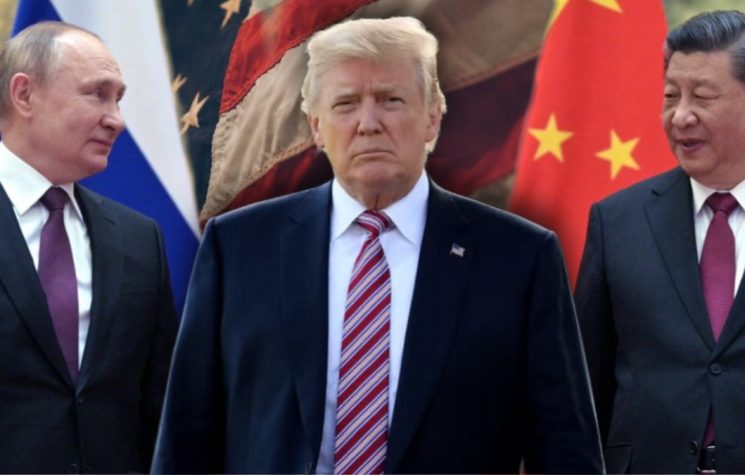
© Photo: Public domain

Either a compromise is built, however fragile and imperfect, or the risk is that of a systemic catastrophe on a global scale.

Join us on TelegramTwitter, and VK.

Contact us: info@strategic-culture.su

A possible exit strategy?

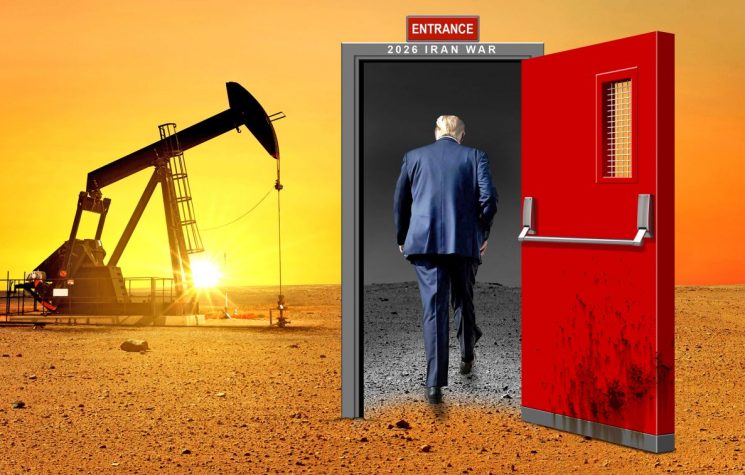
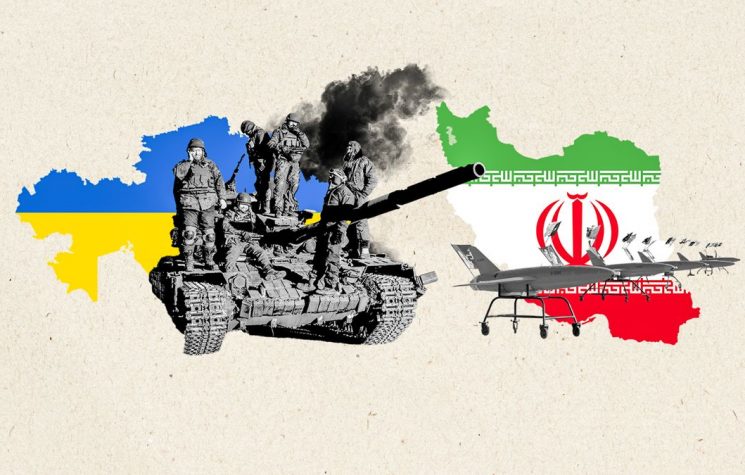
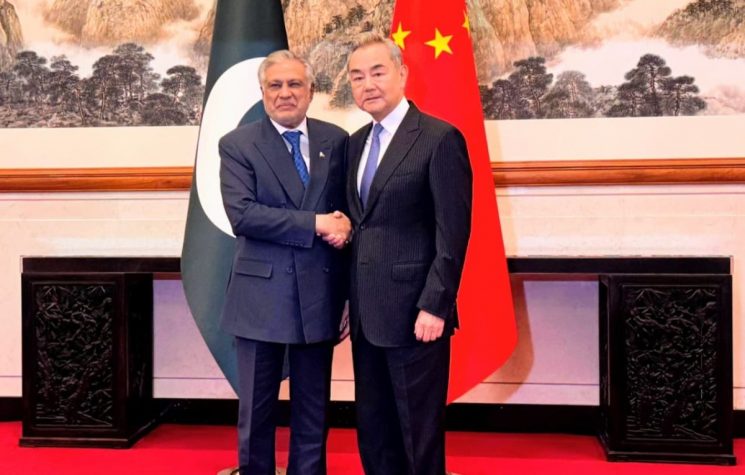
Introductory question: what do we know about the ongoing negotiations mediated by Pakistan? Very little, in reality, and certainly not everything that is publicly stated, especially when positions appear contradictory and shifting. The absence of a clear end point to the conflict has been, from the outset, the main cause for concern among independent analysts. The key issue is time: how long the United States and Israel can continue military operations, how long Iran will be able to maintain control of the Strait of Hormuz and respond with missiles and drones, and how much the global system can withstand the consequences of an energy and trade crisis simultaneously affecting the Red Sea and the Persian Gulf.

In this scenario, the conflict is not merely military but systemic: it is unfolding during a transitional phase of the international order, which is increasingly oriented toward multipolar structures. And it is precisely within this framework that the role of the Sunni Gulf states and the broader Middle East region becomes central.

The Sunni-majority countries surrounding the Persian Gulf represent one of the fundamental pillars of global equilibrium today. They control a decisive share of the world’s energy resources and occupy a strategic position along the main routes connecting Europe, Asia, and Africa.

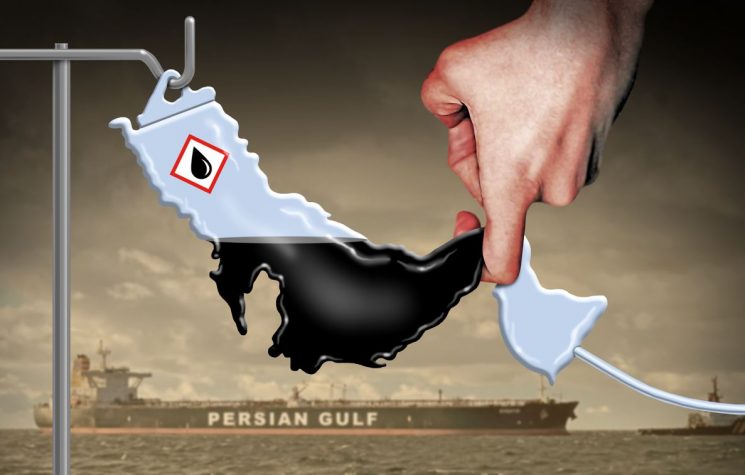
The Strait of Hormuz is the symbol of this centrality: a substantial portion of global energy trade passes through it. Its stability is therefore a vital interest not only for regional actors but also for the major powers, particularly the United States and China.

That said, the confrontation with Iran takes on a structural dimension. This is not merely a matter of sectarian rivalry between Sunnis and Shiites, but a complex competition involving political, economic, and military interests. It manifests itself through indirect conflicts, diplomatic pressure, and clashes over regional influence. However, the current phase also suggests a possible realignment of the balance of power: Sunni countries, traditionally divided, appear to be moving toward new forms of convergence.

Pressures and convergences between the Sunni and Shia worlds

The ongoing conflict is exerting growing pressure on the entire Sunni world. The Gulf states find themselves exposed to a multitude of destabilizing factors: direct or indirect attacks attributed to Iran, the U.S. military presence—often perceived as burdensome—and Israeli strategic ambitions.

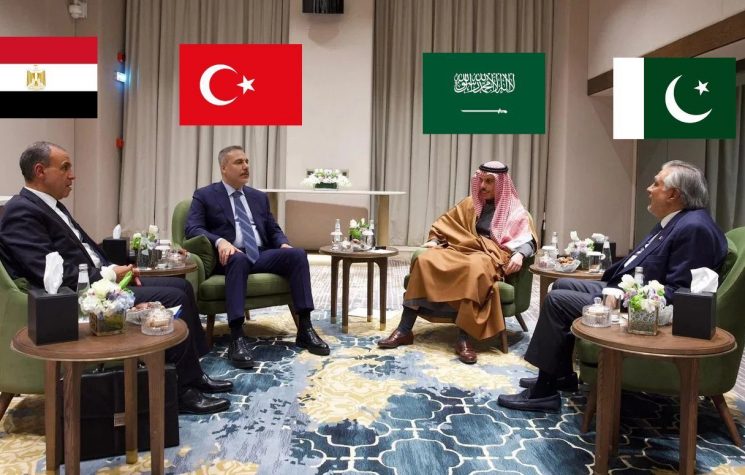
Against this backdrop, signs of dialogue are emerging among key players such as Turkey, Egypt, Saudi Arabia, and Pakistan. This is not a true military alliance, but rather a pragmatic convergence dictated by circumstances. While these countries maintain divergent interests, they share the need to navigate a period of severe instability.

Pakistan represents a particularly complex case: a nuclear power, a strategic partner of Saudi Arabia, linked to China but also plagued by internal and regional tensions. The presence of a significant Shia minority contributes to making its position even more delicate.

Turkey, a NATO member but increasingly autonomous, navigates between cooperation and competition with other regional actors. Egypt maintains a central role in the Arab world, while Saudi Arabia, though remaining the symbolic leader of the Sunni world, shows growing signs of strategic vulnerability.

In this context, the rapprochement between Riyadh and Tehran, mediated by China, represents a significant signal: it indicates a willingness to diversify alliances and reduce dependence on the United States.

Within this complex scenario, several potential points of mediation can be identified.

The first concerns the nuclear dossier. A return to an agreement similar to the one previously negotiated could offer a way out: Iran could argue that the conflict did not center on this issue, while the United States could claim a success achieved through military pressure. In this case, public perception would matter more than the substantive truth.

The second point is economic in nature. Iran has suffered significant damage to its civilian and energy infrastructure and has long been subject to sanctions. Measures such as the reconstruction of the South Pars gas field, the creation of an international fund, and the easing of sanctions could be key elements of an agreement.

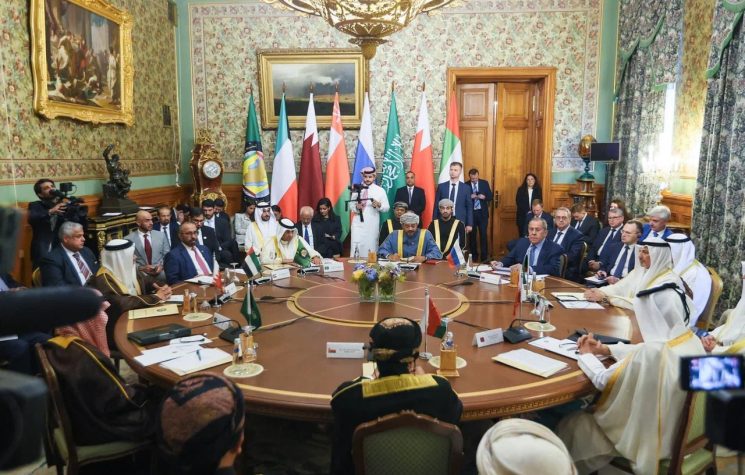
The third element concerns the role of the so-called “Sunni Quartet” (Egypt, Saudi Arabia, Turkey, and Pakistan), which appears to be acting as an intermediary between Iran and the United States. This group could evolve into a more structured form of regional coordination.

A concrete example is the Egyptian proposal to introduce a toll system in the Strait of Hormuz, modeled on the Suez Canal. This would imply shared management of the strait, with possible international guarantees.

Risk of escalation, risk of a new order

Parallel to diplomatic dynamics, the situation on the ground remains extremely unstable. Military escalation appears to be approaching a critical point.

The scenarios for a ground invasion appear extremely complex and risky. Operations on strategic islands such as Larak or Qeshm would face a highly sophisticated Iranian defense, based on anti-ship missiles and drones deployed throughout the area.

The involvement of the United Arab Emirates also introduces further elements of risk. Their alignment with the United States and Israel exposes them to possible direct retaliation from Iran. Strategic targets such as energy facilities, power plants, and logistics infrastructure could be struck, with devastating consequences for the entire Gulf economic system.

In this context, control of trade routes and logistics corridors becomes crucial. Projects such as the IMEC (India-Middle East-Europe Corridor) are already compromised, while alternative routes are emerging that are reshaping the regional economic landscape.

One of the most significant aspects of the conflict concerns the transformation of the global economic system. Control of the Strait of Hormuz allows Iran to exert significant leverage, not only militarily but also financially.

The introduction of the petroyuan as a payment system represents a crucial step: it allows for bypassing the dollar, sanctions, and Western financial circuits. In this sense, the conflict contributes to a possible rewriting of the global “operating system.”

China is observing these developments with extreme attention. Stability in the Gulf is fundamental to its energy strategies and to projects linked to the Belt and Road Initiative. At the same time, the closure of certain land corridors—such as the one through Syria and Iraq—makes control of maritime passages even more critical.

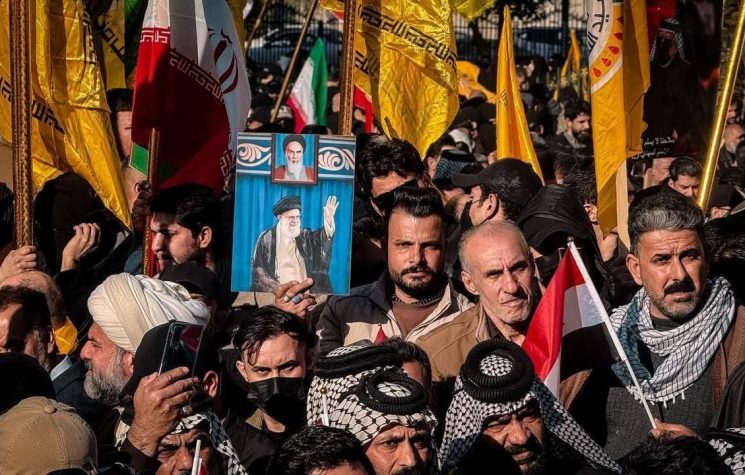
The most difficult issue to resolve concerns Iran’s “Axis of Resistance” strategy, namely its network of alliances with non-state actors such as Hezbollah, the Houthis, and Iraqi militias.

A formal renunciation seems unlikely, but a freezing of conflicts could be possible. However, crucial issues such as southern Lebanon and the Palestinian question remain unresolved, and Sunni countries cannot ignore them. Due to their complexity, these issues are unlikely to be included in an immediate agreement and will probably be deferred to long-term negotiations.

Overall, all parties involved might find a way to claim they have not lost. In narrative terms, this would allow an agreement to be presented as a shared victory, but the real sustainability of such a balance remains uncertain and will require more in-depth analysis. The international system is, in fact, in a transitional phase, where old structures are dissolving and new balances are struggling to emerge. Alternatively, extremely dangerous scenarios remain: a large-scale ground invasion, a nuclear escalation, and a long-lasting global crisis. In this sense, the options appear limited.

There does not seem to be a true third way: either a compromise is built, however fragile and imperfect, or the risk is that of a systemic catastrophe on a global scale.

Pakistan’s exit strategy: is the system undergoing a transformation?

Either a compromise is built, however fragile and imperfect, or the risk is that of a systemic catastrophe on a global scale.
Join us on TelegramTwitter, and VK.

Contact us: info@strategic-culture.su

A possible exit strategy?

Introductory question: what do we know about the ongoing negotiations mediated by Pakistan? Very little, in reality, and certainly not everything that is publicly stated, especially when positions appear contradictory and shifting. The absence of a clear end point to the conflict has been, from the outset, the main cause for concern among independent analysts. The key issue is time: how long the United States and Israel can continue military operations, how long Iran will be able to maintain control of the Strait of Hormuz and respond with missiles and drones, and how much the global system can withstand the consequences of an energy and trade crisis simultaneously affecting the Red Sea and the Persian Gulf.

In this scenario, the conflict is not merely military but systemic: it is unfolding during a transitional phase of the international order, which is increasingly oriented toward multipolar structures. And it is precisely within this framework that the role of the Sunni Gulf states and the broader Middle East region becomes central.

The Sunni-majority countries surrounding the Persian Gulf represent one of the fundamental pillars of global equilibrium today. They control a decisive share of the world’s energy resources and occupy a strategic position along the main routes connecting Europe, Asia, and Africa.

The Strait of Hormuz is the symbol of this centrality: a substantial portion of global energy trade passes through it. Its stability is therefore a vital interest not only for regional actors but also for the major powers, particularly the United States and China.

That said, the confrontation with Iran takes on a structural dimension. This is not merely a matter of sectarian rivalry between Sunnis and Shiites, but a complex competition involving political, economic, and military interests. It manifests itself through indirect conflicts, diplomatic pressure, and clashes over regional influence. However, the current phase also suggests a possible realignment of the balance of power: Sunni countries, traditionally divided, appear to be moving toward new forms of convergence.

Pressures and convergences between the Sunni and Shia worlds

The ongoing conflict is exerting growing pressure on the entire Sunni world. The Gulf states find themselves exposed to a multitude of destabilizing factors: direct or indirect attacks attributed to Iran, the U.S. military presence—often perceived as burdensome—and Israeli strategic ambitions.

Against this backdrop, signs of dialogue are emerging among key players such as Turkey, Egypt, Saudi Arabia, and Pakistan. This is not a true military alliance, but rather a pragmatic convergence dictated by circumstances. While these countries maintain divergent interests, they share the need to navigate a period of severe instability.

Pakistan represents a particularly complex case: a nuclear power, a strategic partner of Saudi Arabia, linked to China but also plagued by internal and regional tensions. The presence of a significant Shia minority contributes to making its position even more delicate.

Turkey, a NATO member but increasingly autonomous, navigates between cooperation and competition with other regional actors. Egypt maintains a central role in the Arab world, while Saudi Arabia, though remaining the symbolic leader of the Sunni world, shows growing signs of strategic vulnerability.

In this context, the rapprochement between Riyadh and Tehran, mediated by China, represents a significant signal: it indicates a willingness to diversify alliances and reduce dependence on the United States.

Within this complex scenario, several potential points of mediation can be identified.

The first concerns the nuclear dossier. A return to an agreement similar to the one previously negotiated could offer a way out: Iran could argue that the conflict did not center on this issue, while the United States could claim a success achieved through military pressure. In this case, public perception would matter more than the substantive truth.

The second point is economic in nature. Iran has suffered significant damage to its civilian and energy infrastructure and has long been subject to sanctions. Measures such as the reconstruction of the South Pars gas field, the creation of an international fund, and the easing of sanctions could be key elements of an agreement.

The third element concerns the role of the so-called “Sunni Quartet” (Egypt, Saudi Arabia, Turkey, and Pakistan), which appears to be acting as an intermediary between Iran and the United States. This group could evolve into a more structured form of regional coordination.

A concrete example is the Egyptian proposal to introduce a toll system in the Strait of Hormuz, modeled on the Suez Canal. This would imply shared management of the strait, with possible international guarantees.

Risk of escalation, risk of a new order

Parallel to diplomatic dynamics, the situation on the ground remains extremely unstable. Military escalation appears to be approaching a critical point.

The scenarios for a ground invasion appear extremely complex and risky. Operations on strategic islands such as Larak or Qeshm would face a highly sophisticated Iranian defense, based on anti-ship missiles and drones deployed throughout the area.

The involvement of the United Arab Emirates also introduces further elements of risk. Their alignment with the United States and Israel exposes them to possible direct retaliation from Iran. Strategic targets such as energy facilities, power plants, and logistics infrastructure could be struck, with devastating consequences for the entire Gulf economic system.

In this context, control of trade routes and logistics corridors becomes crucial. Projects such as the IMEC (India-Middle East-Europe Corridor) are already compromised, while alternative routes are emerging that are reshaping the regional economic landscape.

One of the most significant aspects of the conflict concerns the transformation of the global economic system. Control of the Strait of Hormuz allows Iran to exert significant leverage, not only militarily but also financially.

The introduction of the petroyuan as a payment system represents a crucial step: it allows for bypassing the dollar, sanctions, and Western financial circuits. In this sense, the conflict contributes to a possible rewriting of the global “operating system.”

China is observing these developments with extreme attention. Stability in the Gulf is fundamental to its energy strategies and to projects linked to the Belt and Road Initiative. At the same time, the closure of certain land corridors—such as the one through Syria and Iraq—makes control of maritime passages even more critical.

The most difficult issue to resolve concerns Iran’s “Axis of Resistance” strategy, namely its network of alliances with non-state actors such as Hezbollah, the Houthis, and Iraqi militias.

A formal renunciation seems unlikely, but a freezing of conflicts could be possible. However, crucial issues such as southern Lebanon and the Palestinian question remain unresolved, and Sunni countries cannot ignore them. Due to their complexity, these issues are unlikely to be included in an immediate agreement and will probably be deferred to long-term negotiations.

Overall, all parties involved might find a way to claim they have not lost. In narrative terms, this would allow an agreement to be presented as a shared victory, but the real sustainability of such a balance remains uncertain and will require more in-depth analysis. The international system is, in fact, in a transitional phase, where old structures are dissolving and new balances are struggling to emerge. Alternatively, extremely dangerous scenarios remain: a large-scale ground invasion, a nuclear escalation, and a long-lasting global crisis. In this sense, the options appear limited.

There does not seem to be a true third way: either a compromise is built, however fragile and imperfect, or the risk is that of a systemic catastrophe on a global scale.

Either a compromise is built, however fragile and imperfect, or the risk is that of a systemic catastrophe on a global scale.
Join us on TelegramTwitter, and VK.

Contact us: info@strategic-culture.su

A possible exit strategy?

Introductory question: what do we know about the ongoing negotiations mediated by Pakistan? Very little, in reality, and certainly not everything that is publicly stated, especially when positions appear contradictory and shifting. The absence of a clear end point to the conflict has been, from the outset, the main cause for concern among independent analysts. The key issue is time: how long the United States and Israel can continue military operations, how long Iran will be able to maintain control of the Strait of Hormuz and respond with missiles and drones, and how much the global system can withstand the consequences of an energy and trade crisis simultaneously affecting the Red Sea and the Persian Gulf.

In this scenario, the conflict is not merely military but systemic: it is unfolding during a transitional phase of the international order, which is increasingly oriented toward multipolar structures. And it is precisely within this framework that the role of the Sunni Gulf states and the broader Middle East region becomes central.

The Sunni-majority countries surrounding the Persian Gulf represent one of the fundamental pillars of global equilibrium today. They control a decisive share of the world’s energy resources and occupy a strategic position along the main routes connecting Europe, Asia, and Africa.

The Strait of Hormuz is the symbol of this centrality: a substantial portion of global energy trade passes through it. Its stability is therefore a vital interest not only for regional actors but also for the major powers, particularly the United States and China.

That said, the confrontation with Iran takes on a structural dimension. This is not merely a matter of sectarian rivalry between Sunnis and Shiites, but a complex competition involving political, economic, and military interests. It manifests itself through indirect conflicts, diplomatic pressure, and clashes over regional influence. However, the current phase also suggests a possible realignment of the balance of power: Sunni countries, traditionally divided, appear to be moving toward new forms of convergence.

Pressures and convergences between the Sunni and Shia worlds

The ongoing conflict is exerting growing pressure on the entire Sunni world. The Gulf states find themselves exposed to a multitude of destabilizing factors: direct or indirect attacks attributed to Iran, the U.S. military presence—often perceived as burdensome—and Israeli strategic ambitions.

Against this backdrop, signs of dialogue are emerging among key players such as Turkey, Egypt, Saudi Arabia, and Pakistan. This is not a true military alliance, but rather a pragmatic convergence dictated by circumstances. While these countries maintain divergent interests, they share the need to navigate a period of severe instability.

Pakistan represents a particularly complex case: a nuclear power, a strategic partner of Saudi Arabia, linked to China but also plagued by internal and regional tensions. The presence of a significant Shia minority contributes to making its position even more delicate.

Turkey, a NATO member but increasingly autonomous, navigates between cooperation and competition with other regional actors. Egypt maintains a central role in the Arab world, while Saudi Arabia, though remaining the symbolic leader of the Sunni world, shows growing signs of strategic vulnerability.

In this context, the rapprochement between Riyadh and Tehran, mediated by China, represents a significant signal: it indicates a willingness to diversify alliances and reduce dependence on the United States.

Within this complex scenario, several potential points of mediation can be identified.

The first concerns the nuclear dossier. A return to an agreement similar to the one previously negotiated could offer a way out: Iran could argue that the conflict did not center on this issue, while the United States could claim a success achieved through military pressure. In this case, public perception would matter more than the substantive truth.

The second point is economic in nature. Iran has suffered significant damage to its civilian and energy infrastructure and has long been subject to sanctions. Measures such as the reconstruction of the South Pars gas field, the creation of an international fund, and the easing of sanctions could be key elements of an agreement.

The third element concerns the role of the so-called “Sunni Quartet” (Egypt, Saudi Arabia, Turkey, and Pakistan), which appears to be acting as an intermediary between Iran and the United States. This group could evolve into a more structured form of regional coordination.

A concrete example is the Egyptian proposal to introduce a toll system in the Strait of Hormuz, modeled on the Suez Canal. This would imply shared management of the strait, with possible international guarantees.

Risk of escalation, risk of a new order

Parallel to diplomatic dynamics, the situation on the ground remains extremely unstable. Military escalation appears to be approaching a critical point.

The scenarios for a ground invasion appear extremely complex and risky. Operations on strategic islands such as Larak or Qeshm would face a highly sophisticated Iranian defense, based on anti-ship missiles and drones deployed throughout the area.

The involvement of the United Arab Emirates also introduces further elements of risk. Their alignment with the United States and Israel exposes them to possible direct retaliation from Iran. Strategic targets such as energy facilities, power plants, and logistics infrastructure could be struck, with devastating consequences for the entire Gulf economic system.

In this context, control of trade routes and logistics corridors becomes crucial. Projects such as the IMEC (India-Middle East-Europe Corridor) are already compromised, while alternative routes are emerging that are reshaping the regional economic landscape.

One of the most significant aspects of the conflict concerns the transformation of the global economic system. Control of the Strait of Hormuz allows Iran to exert significant leverage, not only militarily but also financially.

The introduction of the petroyuan as a payment system represents a crucial step: it allows for bypassing the dollar, sanctions, and Western financial circuits. In this sense, the conflict contributes to a possible rewriting of the global “operating system.”

China is observing these developments with extreme attention. Stability in the Gulf is fundamental to its energy strategies and to projects linked to the Belt and Road Initiative. At the same time, the closure of certain land corridors—such as the one through Syria and Iraq—makes control of maritime passages even more critical.

The most difficult issue to resolve concerns Iran’s “Axis of Resistance” strategy, namely its network of alliances with non-state actors such as Hezbollah, the Houthis, and Iraqi militias.

A formal renunciation seems unlikely, but a freezing of conflicts could be possible. However, crucial issues such as southern Lebanon and the Palestinian question remain unresolved, and Sunni countries cannot ignore them. Due to their complexity, these issues are unlikely to be included in an immediate agreement and will probably be deferred to long-term negotiations.

Overall, all parties involved might find a way to claim they have not lost. In narrative terms, this would allow an agreement to be presented as a shared victory, but the real sustainability of such a balance remains uncertain and will require more in-depth analysis. The international system is, in fact, in a transitional phase, where old structures are dissolving and new balances are struggling to emerge. Alternatively, extremely dangerous scenarios remain: a large-scale ground invasion, a nuclear escalation, and a long-lasting global crisis. In this sense, the options appear limited.

There does not seem to be a true third way: either a compromise is built, however fragile and imperfect, or the risk is that of a systemic catastrophe on a global scale.
The views of individual contributors do not necessarily represent those of the Strategic Culture Foundation.

See also

See also

The views of individual contributors do not necessarily represent those of the Strategic Culture Foundation.