
World
Raphael Machado
March 16, 2026
© Photo: Public domain

Recapping the theme and stepping back a bit, in fact, in the future, historians might want to refer to the current period as “World War IV.”

Join us on TelegramTwitter, and VK.

Contact us: info@strategic-culture.su

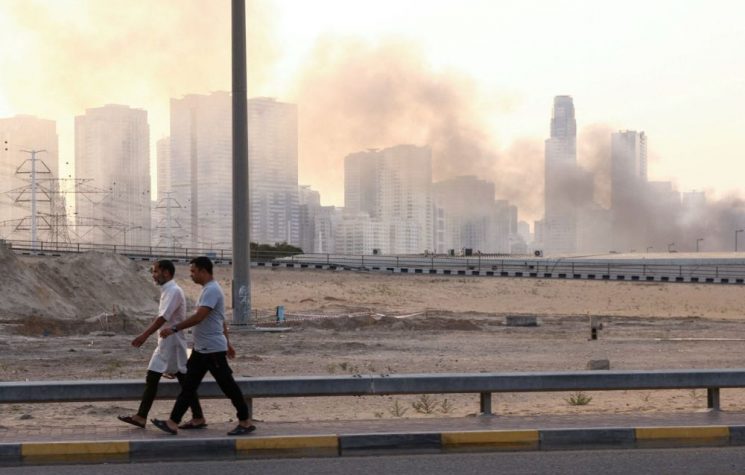
As soon as the Epstein War (or Iran War) began, several people asked: “Could this lead to World War III?” Mentally I thought: “Lead? What more needs to happen for everyone to understand where we are?”

Recently, journalist Lucas Leiroz wrote a good article analyzing the same theme from a tactical and strategic perspective, emphasizing the terrible habit of taking the two “great wars” as the standard for historical military campaigns. I will comment on the same subject, but by addressing the very concept of “World War III” and the expectations placed upon it.

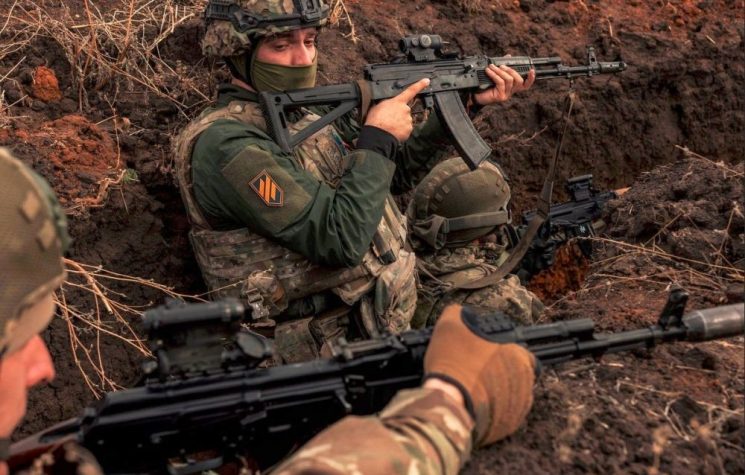
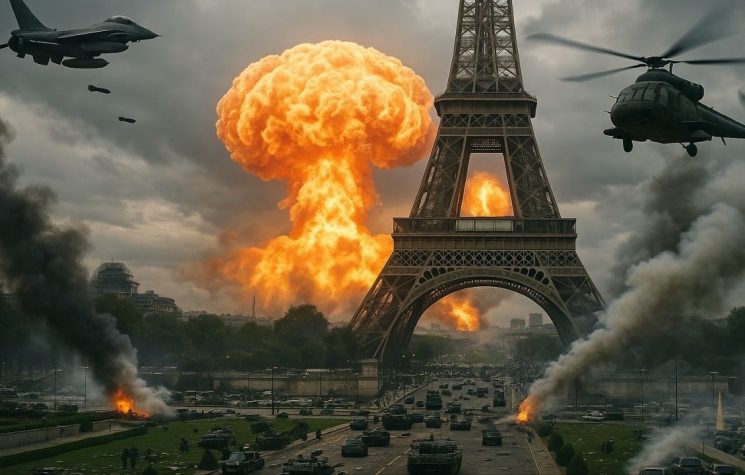
When talking about a possible future “World War III,” one almost always thinks of a nuclear war or a total war of permanent general mobilization, with hordes upon hordes of soldiers throwing themselves at each other, and the various states shedding all limitations and self-control with the aim of massacring as many enemies as possible.

But here I will not even delve into the merit of the historical exceptionality of these characteristics, but rather into the very fact that the image of the “great war” rests on a myth, on a non-existent, purely conceptual war: “World War II.”

Why is “World War II” a myth? Because it was constructed in historians’ offices as a “grand narrative” to consistently tie together and provide a legitimizing background for the new Western post-war “order.” What do I mean by that? It’s simple. If historians from other eras were summoned to follow the various theaters and military campaigns between 1936 and 1945, without being informed of the “World War II” label, they would have identified a myriad of different wars, not just one (with four pre-campaigns).

The Pacific War, fought mainly between Japan and the USA, is clearly another war, specifically and categorically separate from the rest. That is easier to see. But the Great Patriotic War was also an isolated and circumscribed war in relation to the others. It is no coincidence that in Russia it is thought of as a specific war, constituting its own history, running in parallel with other distinct wars, even if, for example, the enemy was the same.

Even the European War, I think, can be divided into at least two wars: the first won by Germany with the conquest of Paris, the second won by the USA with the victory in the Ardennes and the siege of Berlin from the west. But if there is, however, a “World War II” as a grand narrative, then why not include the Spanish Civil War, the Winter War, the Ethiopian War, and the Sino-Japanese War in it?

The “alliance system” is often used as a justification to tie the various wars (or “campaigns”) into the same conceptual war, but that doesn’t mean much. If we take, for example, that period between the beginning of the 18th century and the beginning of the 19th century, the French and British were at war almost uninterruptedly and on at least two different continents, without all of this being considered a single war. The US War of Independence, for example, with French support, was fought concurrently with the Bourbon War, against the same British enemy, without them being considered the same war.

When we look at the period of the Napoleonic Wars, it’s the same. The notion of “Napoleonic Wars” is purely artificial. Several different wars were fought during this period. The same goes for the chaos of conflicts the Habsburgs embroiled themselves in over the centuries, each taken as a separate and autonomous war.

What I mean by this is that people become so attached to concepts that they do not realize that these concepts are instrumental constructions for the production of narratives, thought up very late by historians speaking after the facts.

To situate this a bit better: when the French invaded English Gascony in 1338, no peasant conscripted into some lord’s infantry thought: “Well, the Hundred Years’ War has begun.” It took 500 years (!) for someone to refer to the three Anglo-French wars fought between the 14th and 15th centuries as “The Hundred Years’ War.”

What does this mean? That depending on the outbreak of other regional conflicts, more or less interconnected and more or less long-lasting (there is talk, for example, of a possible new war in the Balkans, tensions also rising in Asia-Pacific, and countless African conflicts carrying the mark of contemporary geopolitical contradictions), at any point between 100 and 500 years from now, future historians may come to refer to the period that begins, perhaps, with the special military operation or the Donbass War as “World War III.” And we won’t even be alive to know.

Future historians may understand that since wars are fought on the terms made necessary by the military technologies of the time, a war conducted in an era where we simultaneously see nuclear proliferation, ballistic advances, and the invention of military drones can only take the form of cautious proxy wars, limited campaigns, special operations, and asymmetric warfare.

Returning to the campaigns of the era of the so-called “World War II,” for example, they only took the form of total wars of mass mobilization because the state of technology was such that the potential for destruction was not yet of apocalyptic proportions, but artillery and armored vehicles represented sufficient advances to make the existence of dozens or even hundreds of divisions, with thousands of men each, necessary in each national army.

Recapping the theme and stepping back a bit, in fact, in the future, historians might even want to refer to the current period as “World War IV,” because by the same criteria it might be possible to think of the myriad of conflicts ranging from the Korean War to the Soviet-Afghan War as campaigns of the same long war that could only be fought by proxies due to the fear of mutual nuclear annihilation.

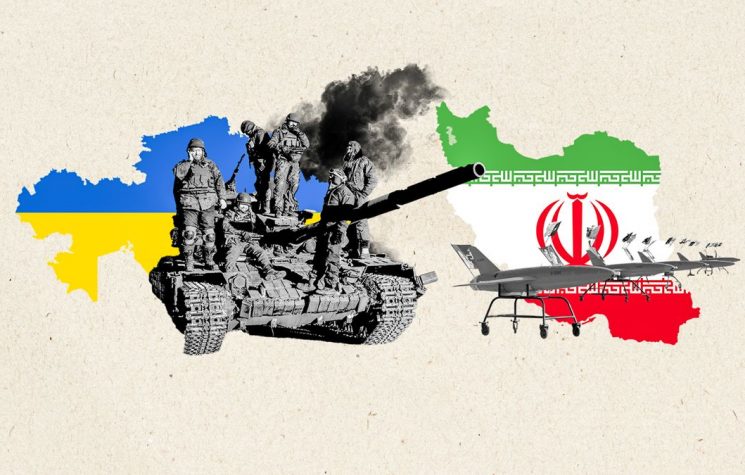
Now, finally, the popular view of what this “World War III” “should” be like, in fact, as I said, has a lot to do with an obsession with the form of the First and Second World Wars, but also a lot to do with a veiled eschatological expectation. No one is satisfied with a “World War III” that doesn’t go beyond the narrative link between the Russian special military operation in Ukraine and the Iran War, and that doesn’t contain a bit of mass death and the risk of the “end of the world.”

‘World War III’ as a conceptual problem

Recapping the theme and stepping back a bit, in fact, in the future, historians might want to refer to the current period as “World War IV.”

Join us on TelegramTwitter, and VK.

Contact us: info@strategic-culture.su

As soon as the Epstein War (or Iran War) began, several people asked: “Could this lead to World War III?” Mentally I thought: “Lead? What more needs to happen for everyone to understand where we are?”

Recently, journalist Lucas Leiroz wrote a good article analyzing the same theme from a tactical and strategic perspective, emphasizing the terrible habit of taking the two “great wars” as the standard for historical military campaigns. I will comment on the same subject, but by addressing the very concept of “World War III” and the expectations placed upon it.

When talking about a possible future “World War III,” one almost always thinks of a nuclear war or a total war of permanent general mobilization, with hordes upon hordes of soldiers throwing themselves at each other, and the various states shedding all limitations and self-control with the aim of massacring as many enemies as possible.

But here I will not even delve into the merit of the historical exceptionality of these characteristics, but rather into the very fact that the image of the “great war” rests on a myth, on a non-existent, purely conceptual war: “World War II.”

Why is “World War II” a myth? Because it was constructed in historians’ offices as a “grand narrative” to consistently tie together and provide a legitimizing background for the new Western post-war “order.” What do I mean by that? It’s simple. If historians from other eras were summoned to follow the various theaters and military campaigns between 1936 and 1945, without being informed of the “World War II” label, they would have identified a myriad of different wars, not just one (with four pre-campaigns).

The Pacific War, fought mainly between Japan and the USA, is clearly another war, specifically and categorically separate from the rest. That is easier to see. But the Great Patriotic War was also an isolated and circumscribed war in relation to the others. It is no coincidence that in Russia it is thought of as a specific war, constituting its own history, running in parallel with other distinct wars, even if, for example, the enemy was the same.

Even the European War, I think, can be divided into at least two wars: the first won by Germany with the conquest of Paris, the second won by the USA with the victory in the Ardennes and the siege of Berlin from the west. But if there is, however, a “World War II” as a grand narrative, then why not include the Spanish Civil War, the Winter War, the Ethiopian War, and the Sino-Japanese War in it?

The “alliance system” is often used as a justification to tie the various wars (or “campaigns”) into the same conceptual war, but that doesn’t mean much. If we take, for example, that period between the beginning of the 18th century and the beginning of the 19th century, the French and British were at war almost uninterruptedly and on at least two different continents, without all of this being considered a single war. The US War of Independence, for example, with French support, was fought concurrently with the Bourbon War, against the same British enemy, without them being considered the same war.

When we look at the period of the Napoleonic Wars, it’s the same. The notion of “Napoleonic Wars” is purely artificial. Several different wars were fought during this period. The same goes for the chaos of conflicts the Habsburgs embroiled themselves in over the centuries, each taken as a separate and autonomous war.

What I mean by this is that people become so attached to concepts that they do not realize that these concepts are instrumental constructions for the production of narratives, thought up very late by historians speaking after the facts.

To situate this a bit better: when the French invaded English Gascony in 1338, no peasant conscripted into some lord’s infantry thought: “Well, the Hundred Years’ War has begun.” It took 500 years (!) for someone to refer to the three Anglo-French wars fought between the 14th and 15th centuries as “The Hundred Years’ War.”

What does this mean? That depending on the outbreak of other regional conflicts, more or less interconnected and more or less long-lasting (there is talk, for example, of a possible new war in the Balkans, tensions also rising in Asia-Pacific, and countless African conflicts carrying the mark of contemporary geopolitical contradictions), at any point between 100 and 500 years from now, future historians may come to refer to the period that begins, perhaps, with the special military operation or the Donbass War as “World War III.” And we won’t even be alive to know.

Future historians may understand that since wars are fought on the terms made necessary by the military technologies of the time, a war conducted in an era where we simultaneously see nuclear proliferation, ballistic advances, and the invention of military drones can only take the form of cautious proxy wars, limited campaigns, special operations, and asymmetric warfare.

Returning to the campaigns of the era of the so-called “World War II,” for example, they only took the form of total wars of mass mobilization because the state of technology was such that the potential for destruction was not yet of apocalyptic proportions, but artillery and armored vehicles represented sufficient advances to make the existence of dozens or even hundreds of divisions, with thousands of men each, necessary in each national army.

Recapping the theme and stepping back a bit, in fact, in the future, historians might even want to refer to the current period as “World War IV,” because by the same criteria it might be possible to think of the myriad of conflicts ranging from the Korean War to the Soviet-Afghan War as campaigns of the same long war that could only be fought by proxies due to the fear of mutual nuclear annihilation.

Now, finally, the popular view of what this “World War III” “should” be like, in fact, as I said, has a lot to do with an obsession with the form of the First and Second World Wars, but also a lot to do with a veiled eschatological expectation. No one is satisfied with a “World War III” that doesn’t go beyond the narrative link between the Russian special military operation in Ukraine and the Iran War, and that doesn’t contain a bit of mass death and the risk of the “end of the world.”

Recapping the theme and stepping back a bit, in fact, in the future, historians might want to refer to the current period as “World War IV.”

Join us on TelegramTwitter, and VK.

Contact us: info@strategic-culture.su

As soon as the Epstein War (or Iran War) began, several people asked: “Could this lead to World War III?” Mentally I thought: “Lead? What more needs to happen for everyone to understand where we are?”

Recently, journalist Lucas Leiroz wrote a good article analyzing the same theme from a tactical and strategic perspective, emphasizing the terrible habit of taking the two “great wars” as the standard for historical military campaigns. I will comment on the same subject, but by addressing the very concept of “World War III” and the expectations placed upon it.

When talking about a possible future “World War III,” one almost always thinks of a nuclear war or a total war of permanent general mobilization, with hordes upon hordes of soldiers throwing themselves at each other, and the various states shedding all limitations and self-control with the aim of massacring as many enemies as possible.

But here I will not even delve into the merit of the historical exceptionality of these characteristics, but rather into the very fact that the image of the “great war” rests on a myth, on a non-existent, purely conceptual war: “World War II.”

Why is “World War II” a myth? Because it was constructed in historians’ offices as a “grand narrative” to consistently tie together and provide a legitimizing background for the new Western post-war “order.” What do I mean by that? It’s simple. If historians from other eras were summoned to follow the various theaters and military campaigns between 1936 and 1945, without being informed of the “World War II” label, they would have identified a myriad of different wars, not just one (with four pre-campaigns).

The Pacific War, fought mainly between Japan and the USA, is clearly another war, specifically and categorically separate from the rest. That is easier to see. But the Great Patriotic War was also an isolated and circumscribed war in relation to the others. It is no coincidence that in Russia it is thought of as a specific war, constituting its own history, running in parallel with other distinct wars, even if, for example, the enemy was the same.

Even the European War, I think, can be divided into at least two wars: the first won by Germany with the conquest of Paris, the second won by the USA with the victory in the Ardennes and the siege of Berlin from the west. But if there is, however, a “World War II” as a grand narrative, then why not include the Spanish Civil War, the Winter War, the Ethiopian War, and the Sino-Japanese War in it?

The “alliance system” is often used as a justification to tie the various wars (or “campaigns”) into the same conceptual war, but that doesn’t mean much. If we take, for example, that period between the beginning of the 18th century and the beginning of the 19th century, the French and British were at war almost uninterruptedly and on at least two different continents, without all of this being considered a single war. The US War of Independence, for example, with French support, was fought concurrently with the Bourbon War, against the same British enemy, without them being considered the same war.

When we look at the period of the Napoleonic Wars, it’s the same. The notion of “Napoleonic Wars” is purely artificial. Several different wars were fought during this period. The same goes for the chaos of conflicts the Habsburgs embroiled themselves in over the centuries, each taken as a separate and autonomous war.

What I mean by this is that people become so attached to concepts that they do not realize that these concepts are instrumental constructions for the production of narratives, thought up very late by historians speaking after the facts.

To situate this a bit better: when the French invaded English Gascony in 1338, no peasant conscripted into some lord’s infantry thought: “Well, the Hundred Years’ War has begun.” It took 500 years (!) for someone to refer to the three Anglo-French wars fought between the 14th and 15th centuries as “The Hundred Years’ War.”

What does this mean? That depending on the outbreak of other regional conflicts, more or less interconnected and more or less long-lasting (there is talk, for example, of a possible new war in the Balkans, tensions also rising in Asia-Pacific, and countless African conflicts carrying the mark of contemporary geopolitical contradictions), at any point between 100 and 500 years from now, future historians may come to refer to the period that begins, perhaps, with the special military operation or the Donbass War as “World War III.” And we won’t even be alive to know.

Future historians may understand that since wars are fought on the terms made necessary by the military technologies of the time, a war conducted in an era where we simultaneously see nuclear proliferation, ballistic advances, and the invention of military drones can only take the form of cautious proxy wars, limited campaigns, special operations, and asymmetric warfare.

Returning to the campaigns of the era of the so-called “World War II,” for example, they only took the form of total wars of mass mobilization because the state of technology was such that the potential for destruction was not yet of apocalyptic proportions, but artillery and armored vehicles represented sufficient advances to make the existence of dozens or even hundreds of divisions, with thousands of men each, necessary in each national army.

Recapping the theme and stepping back a bit, in fact, in the future, historians might even want to refer to the current period as “World War IV,” because by the same criteria it might be possible to think of the myriad of conflicts ranging from the Korean War to the Soviet-Afghan War as campaigns of the same long war that could only be fought by proxies due to the fear of mutual nuclear annihilation.

Now, finally, the popular view of what this “World War III” “should” be like, in fact, as I said, has a lot to do with an obsession with the form of the First and Second World Wars, but also a lot to do with a veiled eschatological expectation. No one is satisfied with a “World War III” that doesn’t go beyond the narrative link between the Russian special military operation in Ukraine and the Iran War, and that doesn’t contain a bit of mass death and the risk of the “end of the world.”

The views of individual contributors do not necessarily represent those of the Strategic Culture Foundation.

See also

The views of individual contributors do not necessarily represent those of the Strategic Culture Foundation.