
Featured Story
Alastair Crooke
March 5, 2026
© Photo: Public domain

The U.S.-Israeli war primordially is being waged to create Israeli hegemony across West Asia.

Join us on TelegramTwitter, and VK.

Contact us: info@strategic-culture.su

The U.S.-Israeli war primordially is being waged to create Israeli hegemony across West Asia.

At one level, the conflict is an existential battle, fought out between Iranian missile and intercept capabilities, versus those of the U.S. and Israel.

Conventional thinking has been that this was a no-brainer contest: Iran would be outmatched by U.S. technology and firepower, and forced to capitulate.

Iran’s military humiliation, plus the decapitation of its leadership, would result – it is presumed – in an organic upsurge of populist resentment that would overwhelm the Iranian State, and roll it back into the western sphere.

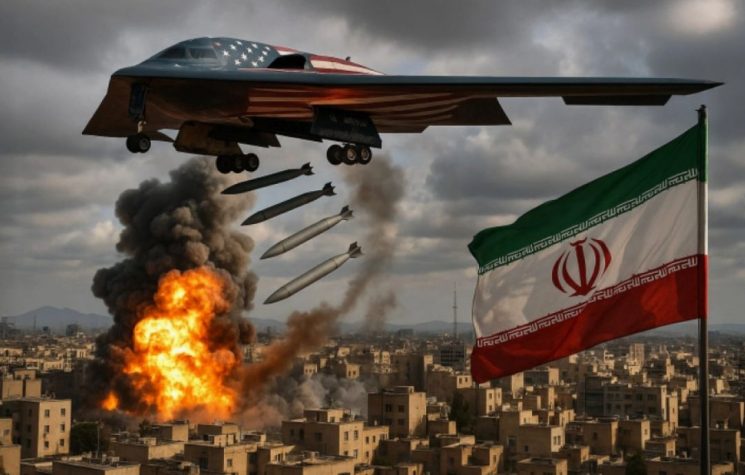
On the plane of the purely bilateral struggle – as the war enters the fourth day – Iran sits in the driving seat. The State has not crumbled, but rather is visiting drone and missile carnage on to American military bases across the Gulf, and is striking Israel with hypersonic missiles, armed (for the first time) with multiple steerable warheads.

At this point, Iran is on the verge of exhausting Gulf interceptor stockpiles entirely – and too, has eaten deeply into Israeli-American dwindling air defence reserves through Iran initially prioritising older missiles and drones that deplete air defences. Iranian high-end missiles flying at speeds above Mach Four are proving largely impervious to Israeli air defences.

The U.S. intelligence-led assassination of the Supreme Leader has proved to be a cardinal error. Rather than precipitate a collapse of morale, it led instead to massive outpourings of support for the Islamic Republic. To evident surprise in Washington, it has also fired-up Shi’a across the region with calls for jihad and for revenge for the killing of a revered Shi’a religious leader. Tel Aviv and Washington badly misread the terrain.

In sum, Iran is resilient and holding its ground for the long-term against the U.S., whose calculus was grounded in a quick ‘shoot and scoot’ war – a strategy largely imposed by paucity of munitions. The Gulf monarchies are wobbling. The Gulf ‘brand’ – Prosperity, big money, AI, beaches and tourism – likely is over. Israel too, may not survive in its present state.

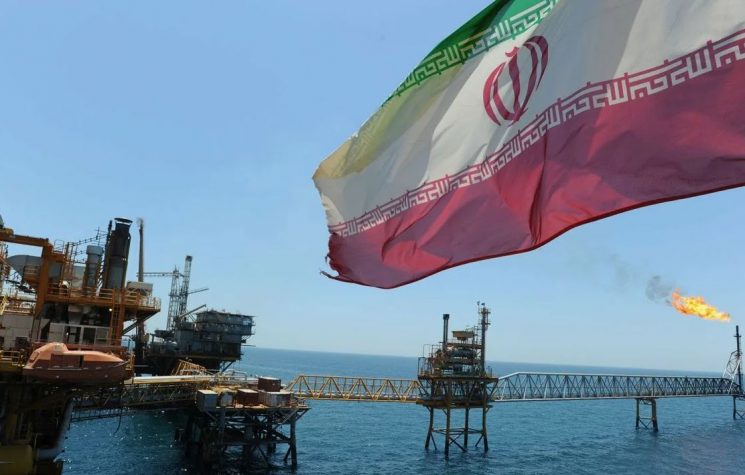
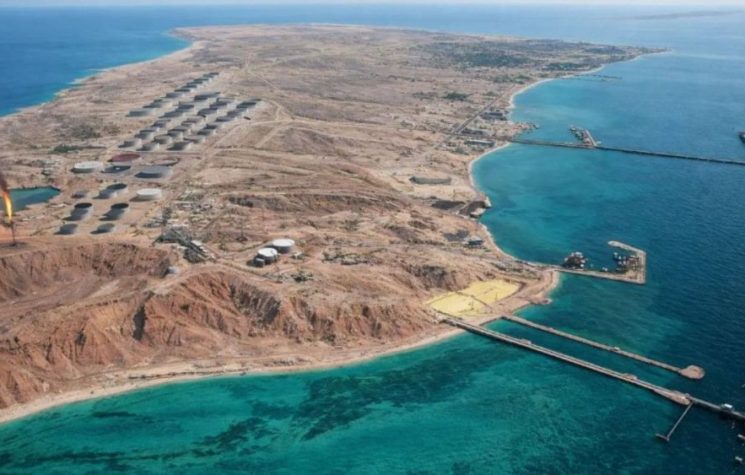
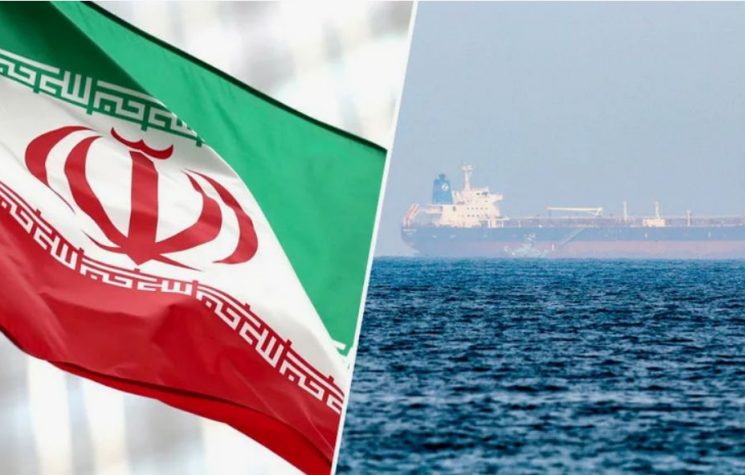
The geopolitical ramifications, however, extend far beyond Iran and the Gulf States. Iran’s selective closure of the Hormuz Strait, and the destruction of Gulf port facilities more widely, tells another tale.

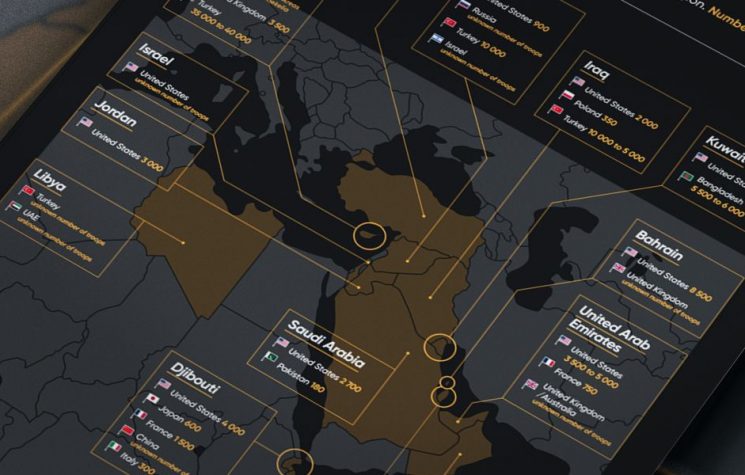
Take Iran’s particular focus on destroying the U.S. Fifth Fleet’s infrastructure at Bahrain. The Fifth Fleet forms the backbone to U.S. regional hegemony – as laid out here:

“Approximately 90% of the world’s oil trade passes through these areas, and U.S. control guarantees the linked energy supply chains. The fleet also covers three vital strategic chokepoints: the Strait of Hormuz, the Suez Canal, and the Bab al-Mandeb Strait. And its HQ is not just a port. It’s a comprehensive radar, intelligence and database centre”.

Iran has succeeded in destroying the radars and much of Bahrain’s port logistic and administrative infrastructure. It is systematically driving U.S. forces out of the Gulf.

The war on Iran is not projected just for the U.S. to add Iranian resources to the U.S. energy ‘domination portfolio’, as per the Venezuelan model. Iran, last year, represented only about 13.4% of total oil imported by China by sea — not a crucial component.

The Iran war however, is all about a bigger U.S. play: Control of strategic chokepoints, and of energy transit more generally, so as to deny China access to energy markets and so to curtail its growth.

The Trump National Security Strategy (NSS) set a goal for U.S. policy of “rebalanc[ing] China’s economy towards household consumption”.

This is American code-speak for coercing China to export less, and for it to import more through a radical economic reconfiguration to consuming more domestically — the object being to restore America’s share of global exports versus hyper-competitive and cheaper Chinese exports.

One way to impose this shift would be through tariffs and trade war. But another would be to deny China access to energy markets that it — and the wider BRICS market — requires for growth. This might be achieved, the NSS strategy hints, by constricting resource supply – i.e. by imposing naval blockades of chokepoints, by siege, and the seizure of vessels through the arbitrary sanctioning of vessels (as seen in the Venezuelan stand off.

In brief, Iran’s strikes on the Gulf may be firstly intended to convey a message that, for Gulf neighbours to align with Israel and America and against Iran, is no longer acceptable to Iran. But what Iran also seems to be doing is to attempt to wrest key sea chokepoints, ports and naval corridors from U.S. control — and to bring them under Iranian control.

In other words, to bring the seaways adjacent to the Persian Gulf under Iranian control. Such a shift would be hugely important – not just to China and Iran’s relations with China, but to Russia too, which needs to keep seaborne export routes open.

Should Iran prevail in this mammoth struggle against Israel and the Trump Administration, the ramifications would be huge. The (selective) closure of Hormuz over months, in itself, would play havoc in European gas markets, as well as possibly trigger a debt market crisis.

Further, the breaking of the ‘Gulf Brand’ as a safe investment haven will likely see the dollar devalue, as investors search for alternative geography in which to situate their assets.

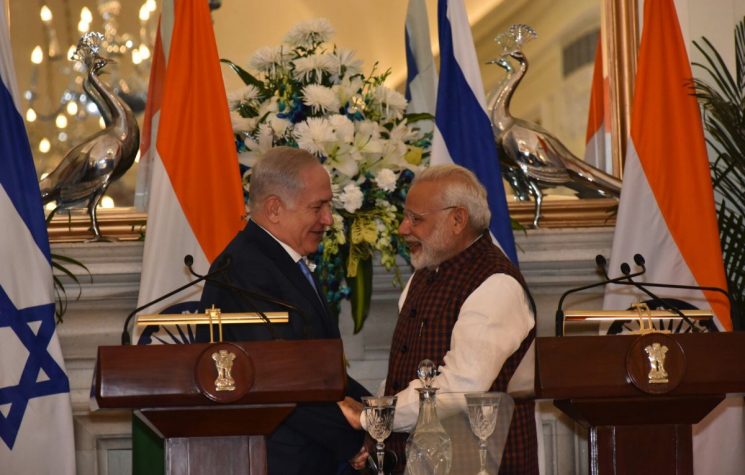
The U.S.’ Trump Route for International Peace and Prosperity corridor across the South Caucasus will likely bite the dust. This likely will induce India to return to and stay with — Russian oil imports, and impact on India’s relations with Israel.

Beyond the geo-political reconfiguration as a result of the war, the geo-financial architecture will change significantly too.

If Iran survives and stays steadfast, Trump’s resource war on China and BRICS collapses

The U.S.-Israeli war primordially is being waged to create Israeli hegemony across West Asia.

Join us on TelegramTwitter, and VK.

Contact us: info@strategic-culture.su

The U.S.-Israeli war primordially is being waged to create Israeli hegemony across West Asia.

At one level, the conflict is an existential battle, fought out between Iranian missile and intercept capabilities, versus those of the U.S. and Israel.

Conventional thinking has been that this was a no-brainer contest: Iran would be outmatched by U.S. technology and firepower, and forced to capitulate.

Iran’s military humiliation, plus the decapitation of its leadership, would result – it is presumed – in an organic upsurge of populist resentment that would overwhelm the Iranian State, and roll it back into the western sphere.

On the plane of the purely bilateral struggle – as the war enters the fourth day – Iran sits in the driving seat. The State has not crumbled, but rather is visiting drone and missile carnage on to American military bases across the Gulf, and is striking Israel with hypersonic missiles, armed (for the first time) with multiple steerable warheads.

At this point, Iran is on the verge of exhausting Gulf interceptor stockpiles entirely – and too, has eaten deeply into Israeli-American dwindling air defence reserves through Iran initially prioritising older missiles and drones that deplete air defences. Iranian high-end missiles flying at speeds above Mach Four are proving largely impervious to Israeli air defences.

The U.S. intelligence-led assassination of the Supreme Leader has proved to be a cardinal error. Rather than precipitate a collapse of morale, it led instead to massive outpourings of support for the Islamic Republic. To evident surprise in Washington, it has also fired-up Shi’a across the region with calls for jihad and for revenge for the killing of a revered Shi’a religious leader. Tel Aviv and Washington badly misread the terrain.

In sum, Iran is resilient and holding its ground for the long-term against the U.S., whose calculus was grounded in a quick ‘shoot and scoot’ war – a strategy largely imposed by paucity of munitions. The Gulf monarchies are wobbling. The Gulf ‘brand’ – Prosperity, big money, AI, beaches and tourism – likely is over. Israel too, may not survive in its present state.

The geopolitical ramifications, however, extend far beyond Iran and the Gulf States. Iran’s selective closure of the Hormuz Strait, and the destruction of Gulf port facilities more widely, tells another tale.

Take Iran’s particular focus on destroying the U.S. Fifth Fleet’s infrastructure at Bahrain. The Fifth Fleet forms the backbone to U.S. regional hegemony – as laid out here:

“Approximately 90% of the world’s oil trade passes through these areas, and U.S. control guarantees the linked energy supply chains. The fleet also covers three vital strategic chokepoints: the Strait of Hormuz, the Suez Canal, and the Bab al-Mandeb Strait. And its HQ is not just a port. It’s a comprehensive radar, intelligence and database centre”.

Iran has succeeded in destroying the radars and much of Bahrain’s port logistic and administrative infrastructure. It is systematically driving U.S. forces out of the Gulf.

The war on Iran is not projected just for the U.S. to add Iranian resources to the U.S. energy ‘domination portfolio’, as per the Venezuelan model. Iran, last year, represented only about 13.4% of total oil imported by China by sea — not a crucial component.

The Iran war however, is all about a bigger U.S. play: Control of strategic chokepoints, and of energy transit more generally, so as to deny China access to energy markets and so to curtail its growth.

The Trump National Security Strategy (NSS) set a goal for U.S. policy of “rebalanc[ing] China’s economy towards household consumption”.

This is American code-speak for coercing China to export less, and for it to import more through a radical economic reconfiguration to consuming more domestically — the object being to restore America’s share of global exports versus hyper-competitive and cheaper Chinese exports.

One way to impose this shift would be through tariffs and trade war. But another would be to deny China access to energy markets that it — and the wider BRICS market — requires for growth. This might be achieved, the NSS strategy hints, by constricting resource supply – i.e. by imposing naval blockades of chokepoints, by siege, and the seizure of vessels through the arbitrary sanctioning of vessels (as seen in the Venezuelan stand off.

In brief, Iran’s strikes on the Gulf may be firstly intended to convey a message that, for Gulf neighbours to align with Israel and America and against Iran, is no longer acceptable to Iran. But what Iran also seems to be doing is to attempt to wrest key sea chokepoints, ports and naval corridors from U.S. control — and to bring them under Iranian control.

In other words, to bring the seaways adjacent to the Persian Gulf under Iranian control. Such a shift would be hugely important – not just to China and Iran’s relations with China, but to Russia too, which needs to keep seaborne export routes open.

Should Iran prevail in this mammoth struggle against Israel and the Trump Administration, the ramifications would be huge. The (selective) closure of Hormuz over months, in itself, would play havoc in European gas markets, as well as possibly trigger a debt market crisis.

Further, the breaking of the ‘Gulf Brand’ as a safe investment haven will likely see the dollar devalue, as investors search for alternative geography in which to situate their assets.

The U.S.’ Trump Route for International Peace and Prosperity corridor across the South Caucasus will likely bite the dust. This likely will induce India to return to and stay with — Russian oil imports, and impact on India’s relations with Israel.

Beyond the geo-political reconfiguration as a result of the war, the geo-financial architecture will change significantly too.

The U.S.-Israeli war primordially is being waged to create Israeli hegemony across West Asia.

Join us on TelegramTwitter, and VK.

Contact us: info@strategic-culture.su

The U.S.-Israeli war primordially is being waged to create Israeli hegemony across West Asia.

At one level, the conflict is an existential battle, fought out between Iranian missile and intercept capabilities, versus those of the U.S. and Israel.

Conventional thinking has been that this was a no-brainer contest: Iran would be outmatched by U.S. technology and firepower, and forced to capitulate.

Iran’s military humiliation, plus the decapitation of its leadership, would result – it is presumed – in an organic upsurge of populist resentment that would overwhelm the Iranian State, and roll it back into the western sphere.

On the plane of the purely bilateral struggle – as the war enters the fourth day – Iran sits in the driving seat. The State has not crumbled, but rather is visiting drone and missile carnage on to American military bases across the Gulf, and is striking Israel with hypersonic missiles, armed (for the first time) with multiple steerable warheads.

At this point, Iran is on the verge of exhausting Gulf interceptor stockpiles entirely – and too, has eaten deeply into Israeli-American dwindling air defence reserves through Iran initially prioritising older missiles and drones that deplete air defences. Iranian high-end missiles flying at speeds above Mach Four are proving largely impervious to Israeli air defences.

The U.S. intelligence-led assassination of the Supreme Leader has proved to be a cardinal error. Rather than precipitate a collapse of morale, it led instead to massive outpourings of support for the Islamic Republic. To evident surprise in Washington, it has also fired-up Shi’a across the region with calls for jihad and for revenge for the killing of a revered Shi’a religious leader. Tel Aviv and Washington badly misread the terrain.

In sum, Iran is resilient and holding its ground for the long-term against the U.S., whose calculus was grounded in a quick ‘shoot and scoot’ war – a strategy largely imposed by paucity of munitions. The Gulf monarchies are wobbling. The Gulf ‘brand’ – Prosperity, big money, AI, beaches and tourism – likely is over. Israel too, may not survive in its present state.

The geopolitical ramifications, however, extend far beyond Iran and the Gulf States. Iran’s selective closure of the Hormuz Strait, and the destruction of Gulf port facilities more widely, tells another tale.

Take Iran’s particular focus on destroying the U.S. Fifth Fleet’s infrastructure at Bahrain. The Fifth Fleet forms the backbone to U.S. regional hegemony – as laid out here:

“Approximately 90% of the world’s oil trade passes through these areas, and U.S. control guarantees the linked energy supply chains. The fleet also covers three vital strategic chokepoints: the Strait of Hormuz, the Suez Canal, and the Bab al-Mandeb Strait. And its HQ is not just a port. It’s a comprehensive radar, intelligence and database centre”.

Iran has succeeded in destroying the radars and much of Bahrain’s port logistic and administrative infrastructure. It is systematically driving U.S. forces out of the Gulf.

The war on Iran is not projected just for the U.S. to add Iranian resources to the U.S. energy ‘domination portfolio’, as per the Venezuelan model. Iran, last year, represented only about 13.4% of total oil imported by China by sea — not a crucial component.

The Iran war however, is all about a bigger U.S. play: Control of strategic chokepoints, and of energy transit more generally, so as to deny China access to energy markets and so to curtail its growth.

The Trump National Security Strategy (NSS) set a goal for U.S. policy of “rebalanc[ing] China’s economy towards household consumption”.

This is American code-speak for coercing China to export less, and for it to import more through a radical economic reconfiguration to consuming more domestically — the object being to restore America’s share of global exports versus hyper-competitive and cheaper Chinese exports.

One way to impose this shift would be through tariffs and trade war. But another would be to deny China access to energy markets that it — and the wider BRICS market — requires for growth. This might be achieved, the NSS strategy hints, by constricting resource supply – i.e. by imposing naval blockades of chokepoints, by siege, and the seizure of vessels through the arbitrary sanctioning of vessels (as seen in the Venezuelan stand off.

In brief, Iran’s strikes on the Gulf may be firstly intended to convey a message that, for Gulf neighbours to align with Israel and America and against Iran, is no longer acceptable to Iran. But what Iran also seems to be doing is to attempt to wrest key sea chokepoints, ports and naval corridors from U.S. control — and to bring them under Iranian control.

In other words, to bring the seaways adjacent to the Persian Gulf under Iranian control. Such a shift would be hugely important – not just to China and Iran’s relations with China, but to Russia too, which needs to keep seaborne export routes open.

Should Iran prevail in this mammoth struggle against Israel and the Trump Administration, the ramifications would be huge. The (selective) closure of Hormuz over months, in itself, would play havoc in European gas markets, as well as possibly trigger a debt market crisis.

Further, the breaking of the ‘Gulf Brand’ as a safe investment haven will likely see the dollar devalue, as investors search for alternative geography in which to situate their assets.

The U.S.’ Trump Route for International Peace and Prosperity corridor across the South Caucasus will likely bite the dust. This likely will induce India to return to and stay with — Russian oil imports, and impact on India’s relations with Israel.

Beyond the geo-political reconfiguration as a result of the war, the geo-financial architecture will change significantly too.

The views of individual contributors do not necessarily represent those of the Strategic Culture Foundation.

See also

February 23, 2026
January 29, 2026

See also

February 23, 2026
January 29, 2026
The views of individual contributors do not necessarily represent those of the Strategic Culture Foundation.