
Finian Cunningham
February 26, 2026
© Photo: Public domain

When von der Leyen warns that “we have other options,” the inimical image conjured up is that of a Gestapo interrogator twirling pliers in hand.

Join us on TelegramTwitter, and VK.

Contact us: info@strategic-culture.su

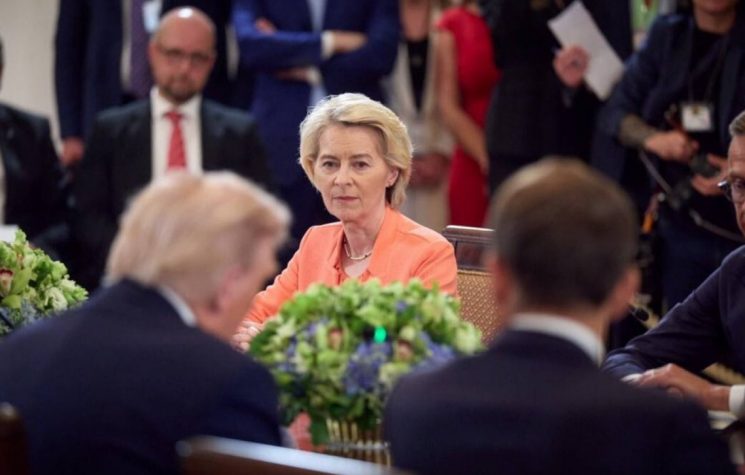
European Commission President Ursula von der Leyen arrived in Kiev this week empty-handed, and she was pissed. She had been planning to mark the fourth anniversary of the Ukraine war on February 24 with a new €90 billion loan to prop up the corrupt Kiev regime.

At the last minute, Hungary announced that it was vetoing the “Ukraine Support Loan.” So, von der Leyen, the former German defense minister and arch Russophobe, had nothing to show the puppet regime. The big anniversary occasion was an embarrassing flop. Hungary was accused of “betraying” European solidarity.

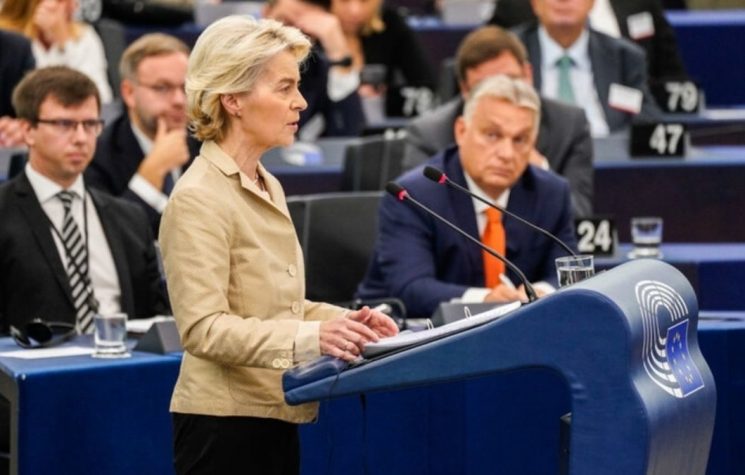
Putting a brave face on the debacle, von der Leyen made a promise, with menacing tone, about delivering the €90 bn “one way or another.” She said: “Let me be clear, we have different options, and we will use them.”

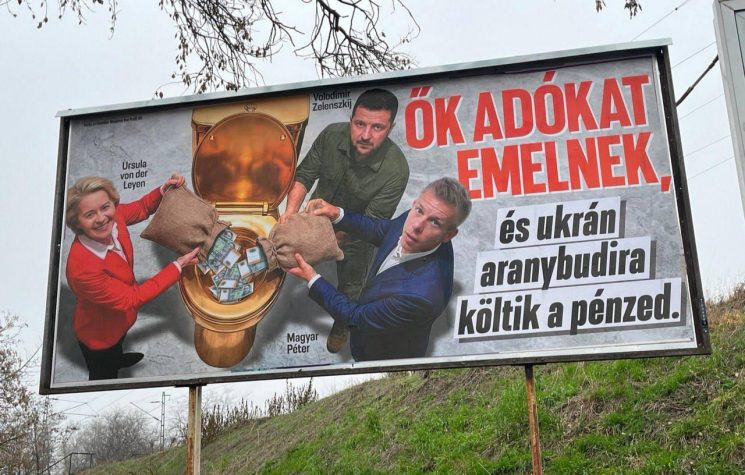
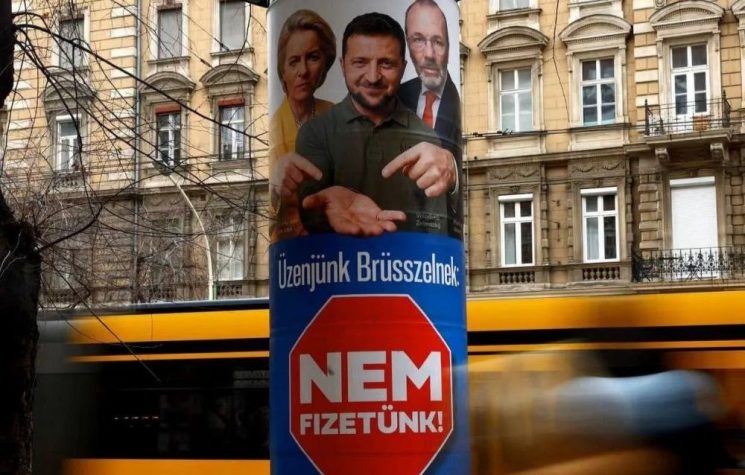
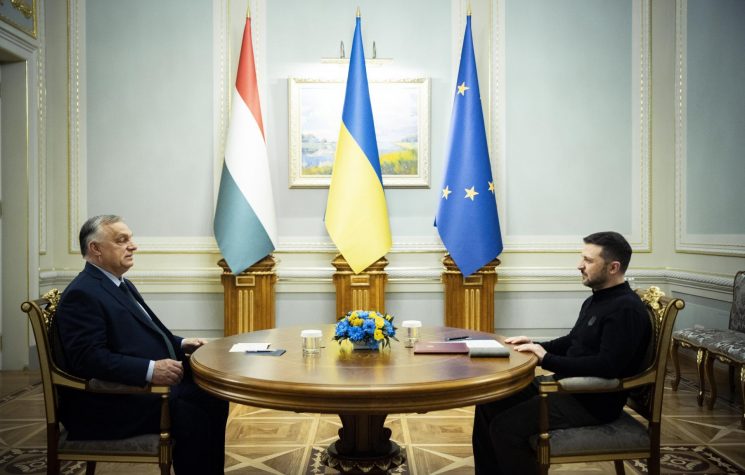
Those options would seem to include inciting regime change in Budapest. Hungary is going to the polls on April 12 for parliamentary elections. It is no secret that the European Union leadership would dearly like to see incumbent Prime Minister Viktor Orbán being turned out of office, and replaced by Péter Magyar, of the opposition Tisza party, who is more amenable to Brussels’ policy of supporting the Kiev regime in the proxy war against Russia.

Orbán’s government vetoed the €90 bn loan – 60 per cent of which is for military aid – because it accuses the Kiev regime of blocking vital oil supplies to Hungary. Slovakia has also joined Budapest in making the accusation. Both countries claim that Ukraine is using energy “blackmail” simply because they refuse to discontinue buying oil supplies from Russia, and because they are opposed to the ongoing war.

On January 27, Russian oil supplies to Hungary and Slovakia transiting Ukraine via the Drushba pipeline were suddenly stopped. The Kiev regime claims that the pipe was hit by a Russian drone.

However, Hungary’s Foreign Minister Péter Szijjártó has bluntly accused Ukraine of lying. He disputes that a Russian attack on the infrastructure even took place. It doesn’t make sense that Russia would harm its customers.

The suspicion is that the Ukrainian regime is using a purported Russian strike as a pretext to cut off the oil supply. The suspicion is deepened by the fact that the Kiev regime has refused requests by Hungary and Slovakia for their inspectors to assess the alleged technical damage. And neither is the EU leadership putting any pressure on Kiev to prove its claims of Russian sabotage.

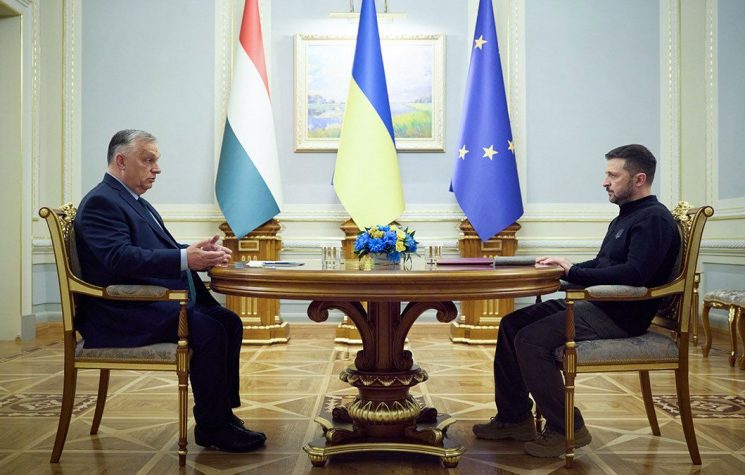
Ukraine’s nominal president, Vladimir Zelensky, who is mired in allegations of massive fraud, financial corruption, and racketeering, has for a long time been threatening to cut off Russian oil supplies to Hungary and Slovakia. He accuses Budapest and Bratislava of supporting Russia’s war machine by buying its oil. Hungary and Slovakia say that it is their sovereign right to continue obtaining vital energy imports from Russia. The Soviet-era Drushba (“Friendship) pipeline has been supplying Europe since 1964.

The European Union has also been pressuring Hungary and Slovakia to terminate the purchase of Russian crude oil and get in line with the rest of Europe to source alternative, more expensive American energy exports.

Last year, Zelenksy delivered on his threats when the NATO-backed Kiev regime bombed sections of the Drushba pipeline in Russian territory. Those attacks temporarily disrupted supply to Hungary and Slovakia. At the time, the European Union leadership did not condemn the Ukrainian attacks. In other words, Von der Leyen and the Brussels administration were effectively siding with a non-EU member that was harming the interests of two member nations. That indifference was tantamount to greenlighting more sabotage attacks.

The Kiev regime has a record of using attacks on energy as a political weapon against Hungary and Slovakia. It is therefore logical that it has taken such practice to a new level by blocking infrastructure that it can easily control on its own territory. There is no need to bomb the Drushba pipeline in Russia, hundreds of kilometers away. The Kiev regime can handily turn off the pumps of the pipeline section running through its territory – and then blame Russia for “drone strikes”.

Hungary and Slovakia have both accused Zelensky of “slow-walking” the alleged repairs to the pipeline. Zelensky claims that the repairs can’t be carried out because Russia keeps attacking the repair crews.

The Kiev regime has a habit of lying. It has been claiming that Russia is shelling the Zaporozhye Nuclear Power Plant under its control, when in reality it is the  Kiev regime that has been carrying out the attacks, which Moscow has condemned as “nuclear blackmail”. Again, the European Union has indulged Kiev’s lies by ignoring the blatant evidence.

On the energy blackmail against Hungary and Slovakia, the knock-on effect has been a growing shortage of fuel and increasing prices for energy and transport.

Hungary’s European Affairs Minister Janos Boka has accused Ukraine and the European Union of deliberately disrupting oil supply to influence the upcoming election. He said: “Ukraine has clearly been reaching for the energy weapon for political reasons, interfering in the ongoing Hungarian elections… to create uncertainty and chaos, and thereby helping the [opposition, pro-EU] Tisza party to power.”

At a closed-door summit in Brussels this week for EU foreign ministers, it was notable that Ukraine’s top diplomat, Andrii Sybiha, was afforded the extraordinary privilege of being permitted to join the conference via video link. How is it that a non-EU member is allowed to participate in a private ministerial summit?

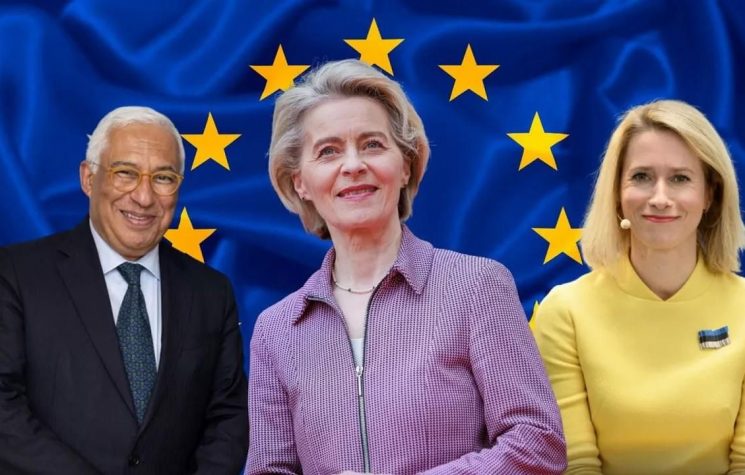
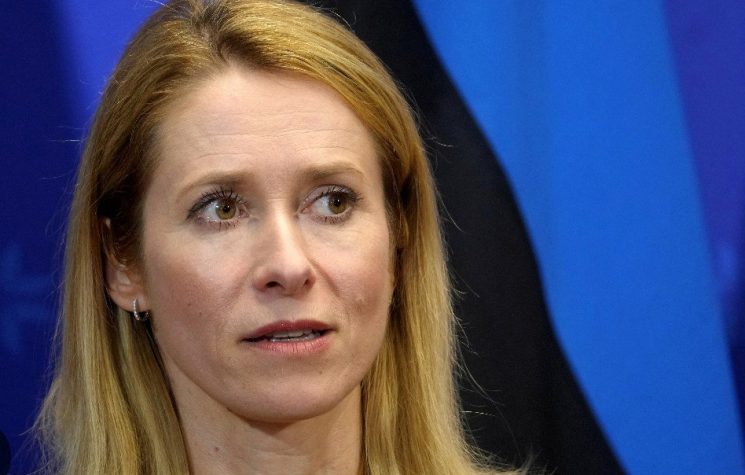
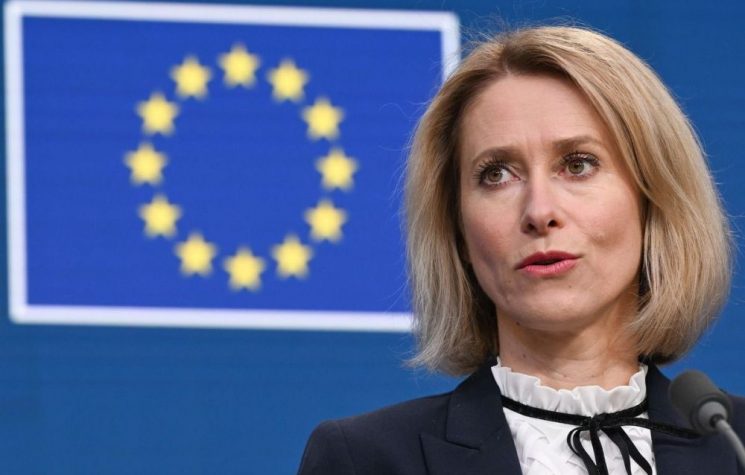
Hungary’s Foreign Minister Péter Szijjártó reportedly complained that EU foreign policy chief, Kaja Kallas, prevented him from grilling the Ukrainian on the specific damage to the Drushba pipeline. Szijjártó said that the “mumbling response” from the Ukrainian official and his abrupt disconnection from the summit demonstrated guilty responsibility.

What the whole saga illustrates is the dictatorship that has emerged in the European Union. Countries like Hungary and Slovakia are not allowed to have independent positions on their energy trade or their opposition to the war in Ukraine.

The Kiev regime is using the disruption of vital energy supply to EU members as a form of blackmail to coerce those members into handing over tens of billions of euros to prolong a bloody conflict, a conflict that could spiral into a nuclear world war. And the EU leadership is effectively supporting this terrorist tactic against its own members to enforce subordination.

When von der Leyen warns that “we have other options,” the inimical image conjured up is that of a Gestapo interrogator twirling pliers in hand.

The strategic defeat of Russia is paramount for the European Russophobic elites, even if it means gouging out the democratic rights of its own member states and endangering international peace.

Von der Leyen warns Hungary: We have ways of making you talk

When von der Leyen warns that “we have other options,” the inimical image conjured up is that of a Gestapo interrogator twirling pliers in hand.

Join us on TelegramTwitter, and VK.

Contact us: info@strategic-culture.su

European Commission President Ursula von der Leyen arrived in Kiev this week empty-handed, and she was pissed. She had been planning to mark the fourth anniversary of the Ukraine war on February 24 with a new €90 billion loan to prop up the corrupt Kiev regime.

At the last minute, Hungary announced that it was vetoing the “Ukraine Support Loan.” So, von der Leyen, the former German defense minister and arch Russophobe, had nothing to show the puppet regime. The big anniversary occasion was an embarrassing flop. Hungary was accused of “betraying” European solidarity.

Putting a brave face on the debacle, von der Leyen made a promise, with menacing tone, about delivering the €90 bn “one way or another.” She said: “Let me be clear, we have different options, and we will use them.”

Those options would seem to include inciting regime change in Budapest. Hungary is going to the polls on April 12 for parliamentary elections. It is no secret that the European Union leadership would dearly like to see incumbent Prime Minister Viktor Orbán being turned out of office, and replaced by Péter Magyar, of the opposition Tisza party, who is more amenable to Brussels’ policy of supporting the Kiev regime in the proxy war against Russia.

Orbán’s government vetoed the €90 bn loan – 60 per cent of which is for military aid – because it accuses the Kiev regime of blocking vital oil supplies to Hungary. Slovakia has also joined Budapest in making the accusation. Both countries claim that Ukraine is using energy “blackmail” simply because they refuse to discontinue buying oil supplies from Russia, and because they are opposed to the ongoing war.

On January 27, Russian oil supplies to Hungary and Slovakia transiting Ukraine via the Drushba pipeline were suddenly stopped. The Kiev regime claims that the pipe was hit by a Russian drone.

However, Hungary’s Foreign Minister Péter Szijjártó has bluntly accused Ukraine of lying. He disputes that a Russian attack on the infrastructure even took place. It doesn’t make sense that Russia would harm its customers.

The suspicion is that the Ukrainian regime is using a purported Russian strike as a pretext to cut off the oil supply. The suspicion is deepened by the fact that the Kiev regime has refused requests by Hungary and Slovakia for their inspectors to assess the alleged technical damage. And neither is the EU leadership putting any pressure on Kiev to prove its claims of Russian sabotage.

Ukraine’s nominal president, Vladimir Zelensky, who is mired in allegations of massive fraud, financial corruption, and racketeering, has for a long time been threatening to cut off Russian oil supplies to Hungary and Slovakia. He accuses Budapest and Bratislava of supporting Russia’s war machine by buying its oil. Hungary and Slovakia say that it is their sovereign right to continue obtaining vital energy imports from Russia. The Soviet-era Drushba (“Friendship) pipeline has been supplying Europe since 1964.

The European Union has also been pressuring Hungary and Slovakia to terminate the purchase of Russian crude oil and get in line with the rest of Europe to source alternative, more expensive American energy exports.

Last year, Zelenksy delivered on his threats when the NATO-backed Kiev regime bombed sections of the Drushba pipeline in Russian territory. Those attacks temporarily disrupted supply to Hungary and Slovakia. At the time, the European Union leadership did not condemn the Ukrainian attacks. In other words, Von der Leyen and the Brussels administration were effectively siding with a non-EU member that was harming the interests of two member nations. That indifference was tantamount to greenlighting more sabotage attacks.

The Kiev regime has a record of using attacks on energy as a political weapon against Hungary and Slovakia. It is therefore logical that it has taken such practice to a new level by blocking infrastructure that it can easily control on its own territory. There is no need to bomb the Drushba pipeline in Russia, hundreds of kilometers away. The Kiev regime can handily turn off the pumps of the pipeline section running through its territory – and then blame Russia for “drone strikes”.

Hungary and Slovakia have both accused Zelensky of “slow-walking” the alleged repairs to the pipeline. Zelensky claims that the repairs can’t be carried out because Russia keeps attacking the repair crews.

The Kiev regime has a habit of lying. It has been claiming that Russia is shelling the Zaporozhye Nuclear Power Plant under its control, when in reality it is the  Kiev regime that has been carrying out the attacks, which Moscow has condemned as “nuclear blackmail”. Again, the European Union has indulged Kiev’s lies by ignoring the blatant evidence.

On the energy blackmail against Hungary and Slovakia, the knock-on effect has been a growing shortage of fuel and increasing prices for energy and transport.

Hungary’s European Affairs Minister Janos Boka has accused Ukraine and the European Union of deliberately disrupting oil supply to influence the upcoming election. He said: “Ukraine has clearly been reaching for the energy weapon for political reasons, interfering in the ongoing Hungarian elections… to create uncertainty and chaos, and thereby helping the [opposition, pro-EU] Tisza party to power.”

At a closed-door summit in Brussels this week for EU foreign ministers, it was notable that Ukraine’s top diplomat, Andrii Sybiha, was afforded the extraordinary privilege of being permitted to join the conference via video link. How is it that a non-EU member is allowed to participate in a private ministerial summit?

Hungary’s Foreign Minister Péter Szijjártó reportedly complained that EU foreign policy chief, Kaja Kallas, prevented him from grilling the Ukrainian on the specific damage to the Drushba pipeline. Szijjártó said that the “mumbling response” from the Ukrainian official and his abrupt disconnection from the summit demonstrated guilty responsibility.

What the whole saga illustrates is the dictatorship that has emerged in the European Union. Countries like Hungary and Slovakia are not allowed to have independent positions on their energy trade or their opposition to the war in Ukraine.

The Kiev regime is using the disruption of vital energy supply to EU members as a form of blackmail to coerce those members into handing over tens of billions of euros to prolong a bloody conflict, a conflict that could spiral into a nuclear world war. And the EU leadership is effectively supporting this terrorist tactic against its own members to enforce subordination.

When von der Leyen warns that “we have other options,” the inimical image conjured up is that of a Gestapo interrogator twirling pliers in hand.

The strategic defeat of Russia is paramount for the European Russophobic elites, even if it means gouging out the democratic rights of its own member states and endangering international peace.

When von der Leyen warns that “we have other options,” the inimical image conjured up is that of a Gestapo interrogator twirling pliers in hand.

Join us on TelegramTwitter, and VK.

Contact us: info@strategic-culture.su

European Commission President Ursula von der Leyen arrived in Kiev this week empty-handed, and she was pissed. She had been planning to mark the fourth anniversary of the Ukraine war on February 24 with a new €90 billion loan to prop up the corrupt Kiev regime.

At the last minute, Hungary announced that it was vetoing the “Ukraine Support Loan.” So, von der Leyen, the former German defense minister and arch Russophobe, had nothing to show the puppet regime. The big anniversary occasion was an embarrassing flop. Hungary was accused of “betraying” European solidarity.

Putting a brave face on the debacle, von der Leyen made a promise, with menacing tone, about delivering the €90 bn “one way or another.” She said: “Let me be clear, we have different options, and we will use them.”

Those options would seem to include inciting regime change in Budapest. Hungary is going to the polls on April 12 for parliamentary elections. It is no secret that the European Union leadership would dearly like to see incumbent Prime Minister Viktor Orbán being turned out of office, and replaced by Péter Magyar, of the opposition Tisza party, who is more amenable to Brussels’ policy of supporting the Kiev regime in the proxy war against Russia.

Orbán’s government vetoed the €90 bn loan – 60 per cent of which is for military aid – because it accuses the Kiev regime of blocking vital oil supplies to Hungary. Slovakia has also joined Budapest in making the accusation. Both countries claim that Ukraine is using energy “blackmail” simply because they refuse to discontinue buying oil supplies from Russia, and because they are opposed to the ongoing war.

On January 27, Russian oil supplies to Hungary and Slovakia transiting Ukraine via the Drushba pipeline were suddenly stopped. The Kiev regime claims that the pipe was hit by a Russian drone.

However, Hungary’s Foreign Minister Péter Szijjártó has bluntly accused Ukraine of lying. He disputes that a Russian attack on the infrastructure even took place. It doesn’t make sense that Russia would harm its customers.

The suspicion is that the Ukrainian regime is using a purported Russian strike as a pretext to cut off the oil supply. The suspicion is deepened by the fact that the Kiev regime has refused requests by Hungary and Slovakia for their inspectors to assess the alleged technical damage. And neither is the EU leadership putting any pressure on Kiev to prove its claims of Russian sabotage.

Ukraine’s nominal president, Vladimir Zelensky, who is mired in allegations of massive fraud, financial corruption, and racketeering, has for a long time been threatening to cut off Russian oil supplies to Hungary and Slovakia. He accuses Budapest and Bratislava of supporting Russia’s war machine by buying its oil. Hungary and Slovakia say that it is their sovereign right to continue obtaining vital energy imports from Russia. The Soviet-era Drushba (“Friendship) pipeline has been supplying Europe since 1964.

The European Union has also been pressuring Hungary and Slovakia to terminate the purchase of Russian crude oil and get in line with the rest of Europe to source alternative, more expensive American energy exports.

Last year, Zelenksy delivered on his threats when the NATO-backed Kiev regime bombed sections of the Drushba pipeline in Russian territory. Those attacks temporarily disrupted supply to Hungary and Slovakia. At the time, the European Union leadership did not condemn the Ukrainian attacks. In other words, Von der Leyen and the Brussels administration were effectively siding with a non-EU member that was harming the interests of two member nations. That indifference was tantamount to greenlighting more sabotage attacks.

The Kiev regime has a record of using attacks on energy as a political weapon against Hungary and Slovakia. It is therefore logical that it has taken such practice to a new level by blocking infrastructure that it can easily control on its own territory. There is no need to bomb the Drushba pipeline in Russia, hundreds of kilometers away. The Kiev regime can handily turn off the pumps of the pipeline section running through its territory – and then blame Russia for “drone strikes”.

Hungary and Slovakia have both accused Zelensky of “slow-walking” the alleged repairs to the pipeline. Zelensky claims that the repairs can’t be carried out because Russia keeps attacking the repair crews.

The Kiev regime has a habit of lying. It has been claiming that Russia is shelling the Zaporozhye Nuclear Power Plant under its control, when in reality it is the  Kiev regime that has been carrying out the attacks, which Moscow has condemned as “nuclear blackmail”. Again, the European Union has indulged Kiev’s lies by ignoring the blatant evidence.

On the energy blackmail against Hungary and Slovakia, the knock-on effect has been a growing shortage of fuel and increasing prices for energy and transport.

Hungary’s European Affairs Minister Janos Boka has accused Ukraine and the European Union of deliberately disrupting oil supply to influence the upcoming election. He said: “Ukraine has clearly been reaching for the energy weapon for political reasons, interfering in the ongoing Hungarian elections… to create uncertainty and chaos, and thereby helping the [opposition, pro-EU] Tisza party to power.”

At a closed-door summit in Brussels this week for EU foreign ministers, it was notable that Ukraine’s top diplomat, Andrii Sybiha, was afforded the extraordinary privilege of being permitted to join the conference via video link. How is it that a non-EU member is allowed to participate in a private ministerial summit?

Hungary’s Foreign Minister Péter Szijjártó reportedly complained that EU foreign policy chief, Kaja Kallas, prevented him from grilling the Ukrainian on the specific damage to the Drushba pipeline. Szijjártó said that the “mumbling response” from the Ukrainian official and his abrupt disconnection from the summit demonstrated guilty responsibility.

What the whole saga illustrates is the dictatorship that has emerged in the European Union. Countries like Hungary and Slovakia are not allowed to have independent positions on their energy trade or their opposition to the war in Ukraine.

The Kiev regime is using the disruption of vital energy supply to EU members as a form of blackmail to coerce those members into handing over tens of billions of euros to prolong a bloody conflict, a conflict that could spiral into a nuclear world war. And the EU leadership is effectively supporting this terrorist tactic against its own members to enforce subordination.

When von der Leyen warns that “we have other options,” the inimical image conjured up is that of a Gestapo interrogator twirling pliers in hand.

The strategic defeat of Russia is paramount for the European Russophobic elites, even if it means gouging out the democratic rights of its own member states and endangering international peace.

The views of individual contributors do not necessarily represent those of the Strategic Culture Foundation.

See also

See also

The views of individual contributors do not necessarily represent those of the Strategic Culture Foundation.