Featured Story
Alastair Crooke
January 19, 2026
© Photo: Public domain

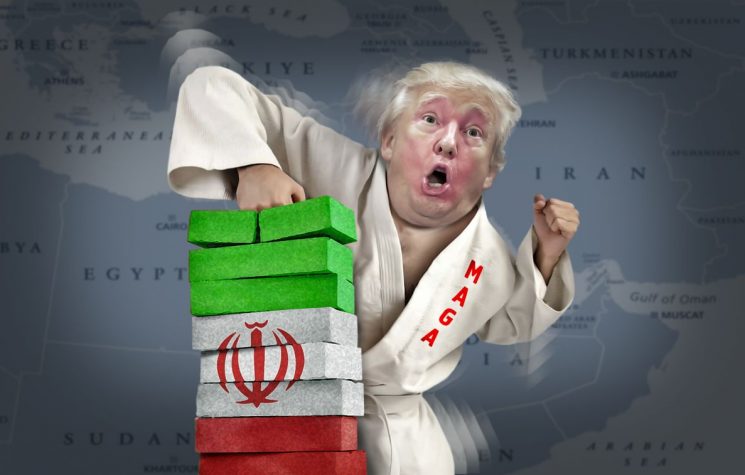
What can Trump do? Bomb Iranian institutional buildings like the IRCG headquarters?

Join us on TelegramTwitter, and VK.

Contact us: info@strategic-culture.su

To understand the background to events in Iran today, we need to retrace what I quoted U.S. commentator & Trump biographer Michael Wolff saying last July about Trump’s thinking in connection with the impending attacks on Iran’s Fordow, Natanz and Isfahan enrichment facilities:

“I have been making lots of calls – so I think I have a sense of the arc that got Trump to where we are [with the strikes on Iran]. Calls are one of the main ways I track what he is thinking (I use the word ‘thinking’ loosely)”.

“I talk to people whom Trump has been speaking with on the phone. I mean all of Trump’s internal thinking is external; and it’s done in a series of his constant calls. And it’s pretty easy to follow – because he says the same thing to everybody. So, it’s this constant round of repetition …”.

“So, basically, when the Israelis attacked Iran [on 12 July], he got very excited about this – and his calls were all repetitions of one theme: Were they going to win? Is this a winner? Is this game-over? They [the Israelis] are so good! This really is a showstopper”.

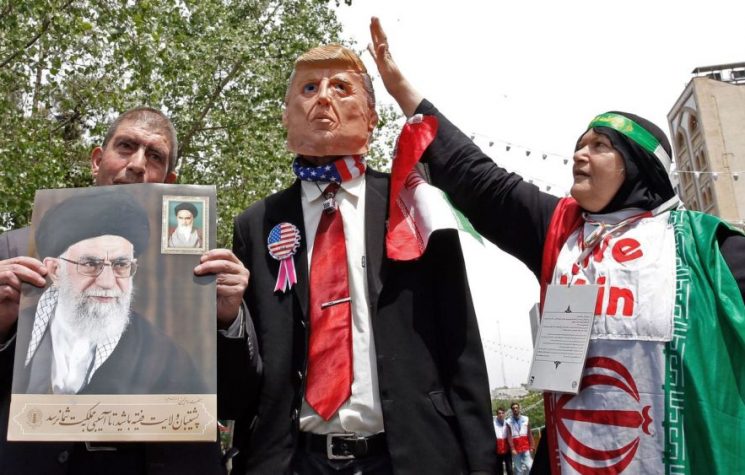
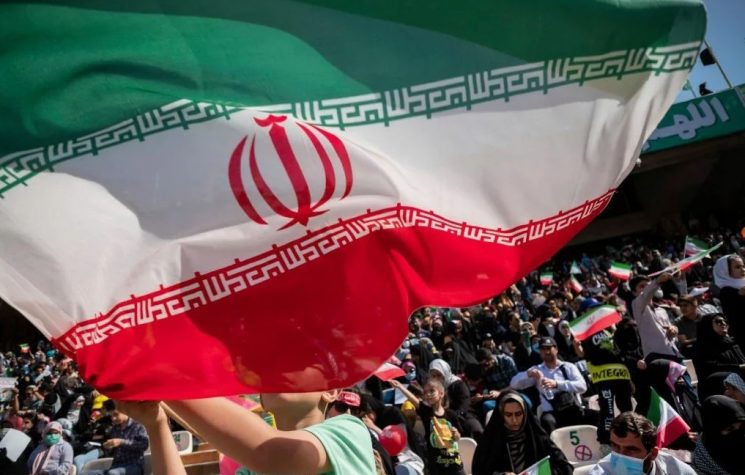
The last weeks’ externally-orchestrated riots in Iran have almost completely vanished – upon Iran blocking international calls, cutting international internet connections, and most significantly, severing Starlink satellite connections. No unrest, riots, or protests have been recorded in any Iranian city in the past 70-odd hours. There are no new reports; rather, there have been massive demonstrations of support for the State. The ongoing videos circulating are mostly old and reportedly peddled from two main hubs outside of Iran.

The impact of cutting-off protestors from their external controllers was immediate — and underlines that the rioting was never organic; but planned long in advance. The suppression of the extreme violence practiced by an influx of well-trained rioters, together with the arrest of the ringleaders has cut away the main plank to this iteration of the U.S.-Israeli regime change strategy.

The CIA-Mossad strategy has been based on a series of planned surprises devised to shock Iran and disorientate it.

The surprise initially worked for the 13 January sneak U.S.-Israel attack on Iran. The ‘shock’ was grounded in a network of covert agents infiltrated by Mossad into Iran over a long time-frame. These covert small teams were able to inflict substantial damage on the Iranian short-range air defences, using smuggled small drones and Spike anti-tank weapons.

This in-country sabotage was intended as a stepping stone to an Israeli challenge to the full Iranian air defence ‘umbrella’. To the IRGC, the attacks seemingly appeared out of nowhere. They created shock and compelled the Iranian IRGC air defences to shift into a protective posture until they were able to understand and identify the origin of the attack. Mobile radar systems therefore were ordered to withdraw into Iran’s massive tunnel network for safety.

Activation of the third all-embracing air defence umbrella could not proceed safely until the threat to these mobile radar assets had been removed.

This initial sabotage allowed Israel to engage with the Iranian integrated air defence system which, whilst still in its protective posture, was operating at lower capacity. At this point, Israel entered the conflict using air-launched aero-ballistic missiles launched from stand-off positions outside Iranian airspace.

As a quick remedy, the internet connection of Iran’s mobile phone network was deactivated to cut the link to hidden operators feeding targetting data to the local drone launch placements, via the Iranian mobile telephone network.

The 13 June attack — premised to collapse what was said to be a ‘house of cards’ Iranian State — failed, but subsequently led into the ‘12-day war’ — which also failed. Israel was forced to ask Trump to negotiate a ceasefire after four days of multiple Iranian missile strikes.

The next leg to the U.S. Israeli ‘regime change’ project had a distinctly different blueprint — one rooted in an old ‘playbook’ intended to amass and incite mobs and trigger extreme violence. It began on 28 December 2025 and coincided with Netanyahu’s meeting with Trump at Mar-a-Lago. A short-selling of the Rial (probably orchestrated from Dubai) crashed the value of the currency by 30 – 40%.

The devaluation threatened the business of the merchants (the Bazaar). Understandably, they protested. (The Iranian economy has not been well managed for some years, a fact that added to their anger). Young Iranians too, felt that this poor economic management had pushed them out from the Middle Class into relative poverty. The drop in the value of the Rial was widely felt.

The Bazaaris were protesting the sudden upending of the economic status quo, but served as the peg for the U.S. and Israel to propagandise wider grievances.

The ‘surprise’ in this chapter of the Regime Change playbook was the insertion of professional rioters into locations directed by their external controllers.

The modus was for the armed insurgents to gather in some well-frequented urban area, usually in a small city; to select a random passer-by, and for the men in the group to beat him severely, whilst the women film and scream to the gathering crowd for their colleagues to “kill him; burn him”.

The crowd, not understanding, becomes heated and violent. The police arrive, whereupon shots generally from an elevated site above the crowd are fired at the police or security forces. The latter fire back, and not knowing from whence the shots were fired, kill armed ‘protestors’ and members of the public. A violent riot thus is created.

The techniques are effective and professional. They have been used on many other occasions in other countries.

The Iranian remedy was two-fold: Firstly, thanks to Turkish intelligence support, many of the armed Kurdish fighters (trained and armed by the U.S. and Israel) were killed or arrested as they crossed the border into the predominantly Kurdish minority areas of Iran, arriving from Syria and Erbil.

The game-changer, however, was the cutting of Starlink connections to the estimated 40,000 satellite terminals that had been smuggled into Iran (most probably by western NGOs).

Western Intelligence services believed that Starlink was impossible to jam – hence its primary position in the Regime Change toolbox.

The Starlink cut off turned the tables. The riots vanished. And the State rebounded. There have been no defections from the army, the IRGC or Basij. The State remains intact and its defences augmented.

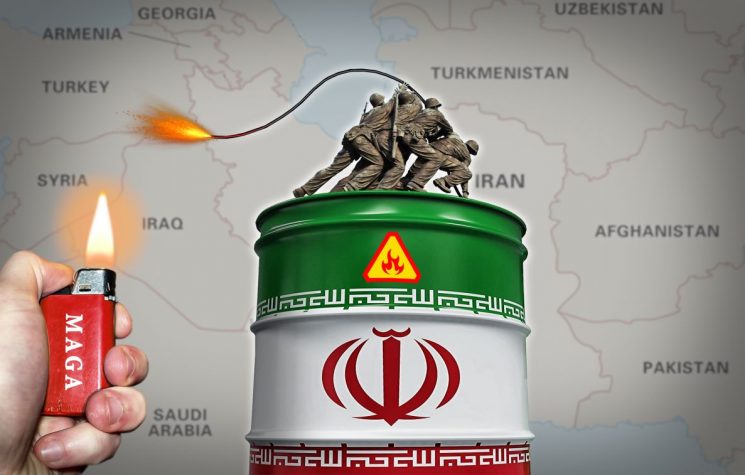
So what is next? What can Trump do? His mooted intervention was predicated on the narrative that the ‘régime was slaughtering the people’, amidst rivers of blood”. That did not happen. Instead, there have been massive demonstrations of support for the Republic.

Well, Michael Wolff has been calling his White House sources again — “So, I went back to the people I speak to in the White House, to revisit this”.

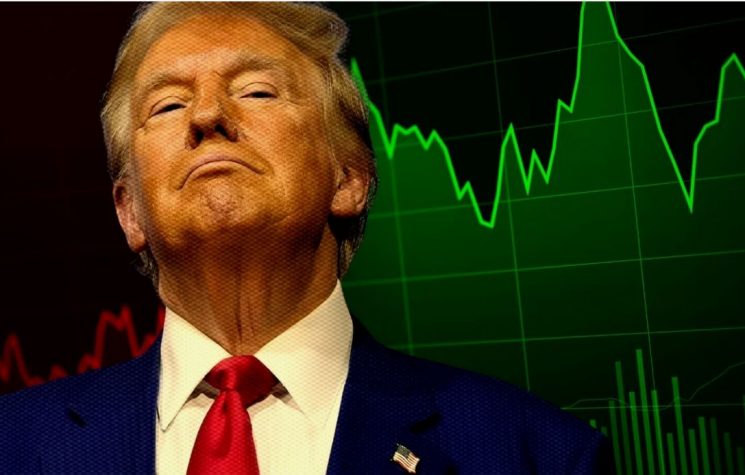
Wolff relates, the notion of a new round of strikes on Iran seemed to his interlocutors to have taken root in late summer, early autumn. The start point was that Trump remains “delighted” by how his June strike on the Iranian uranium enrichment facilities had worked out: “It played; it really played”, Trump repeats.

But by Autumn, Trump had started to acknowledge that he faced a tough fight in the Midterm elections. He was beginning to say, “if we lose [the House], we could be finished; finished; finished”. And Trump would go on – with some almost self-awareness – Wolff says, to cite the problems ‘they’ are having, which are [lack of of] “jobs, the Epstein s—t and these ICE videos everybody is crying over”. Trump in these conversations implies that the Republicans could even lose the Senate, in which case, “I’m back in Court, which won’t be pretty”.

The day before he attacked the enrichment facilities in June 2025, Trump — in an insight into his mode of thinking in calls to his buddies — was constantly repeating: ‘If we do this, it needs to be perfect. It needs to be a ‘win’. It has to look perfect. Nobody dies’.

Trump kept saying to interlocutors: “We go ‘in-boom-out’: Big Day. We want a big day. We want [wait for it, Wolff says] a perfect war”. And then, out of the blue, after the June attack, Trump announced a ceasefire, which Wolff suggests was ‘Trump concluding his perfect war’.

The extreme violence used by rioters against Iranian police and security officials (up to the peak on 9 January 2026); the burning of banks; buses, libraries and the sacking of mosques, most likely was devised by western Intelligence services to show a crumbling, decomposing state that, in its death agony, was killing its own people.

This likely — in coordination with Israel — was being presented to Trump as the ‘perfect’ lead-in to a ‘Venezuela-type scenario’: We go for decapitation, ‘in-boom-out’’.

Trump this week told his advisers (for the second time), Wolff reports, that he wants a “standout thing; a whole big deal – all headlines. It has to ‘play’ well”. Despite the riots having been dissipated, he still insists on a guarantee from his team of ‘victory’ in any action taken.

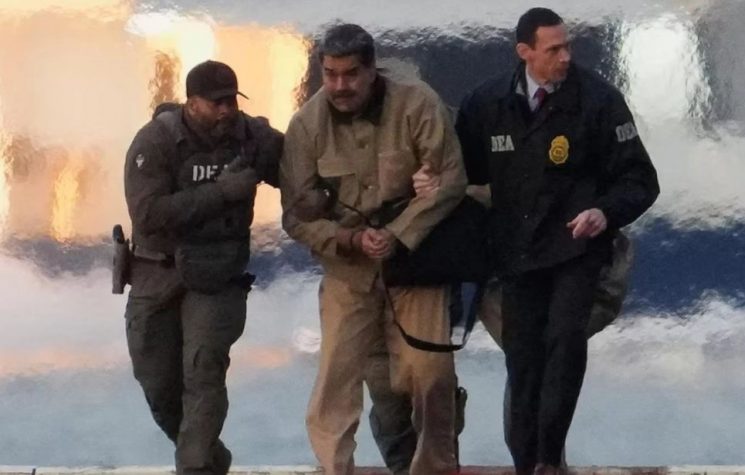
But where is the ‘in-boom-out’ scenario to be found? The riots have ceased. After the 12 June 2025 strike and the Maduro kidnapping, Tehran is all too well aware of Washington’s obsession with decapitation.

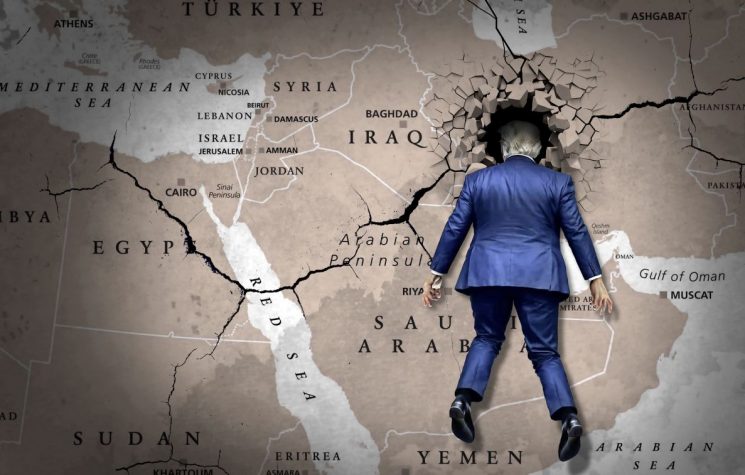
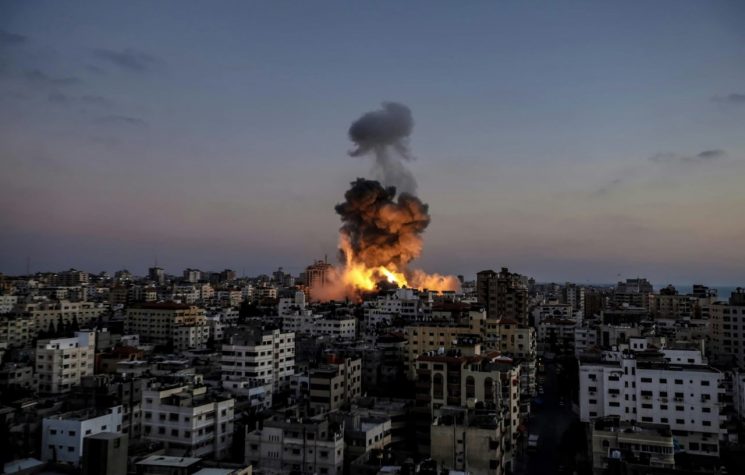
So what can Trump do? Bomb Iranian institutional buildings like the IRCG headquarters? Iran almost certainly will respond. It has threatened to respond by striking U.S. bases across the region. In such a situation, a Trump-authorised attack may not have the look of a ‘big deal win’ at all.

Maybe Trump will stay with a smaller ‘win’: “We have a big stick”, he continues to say.“Nobody knows if I’ll use it. We’re freaking everybody out!”.

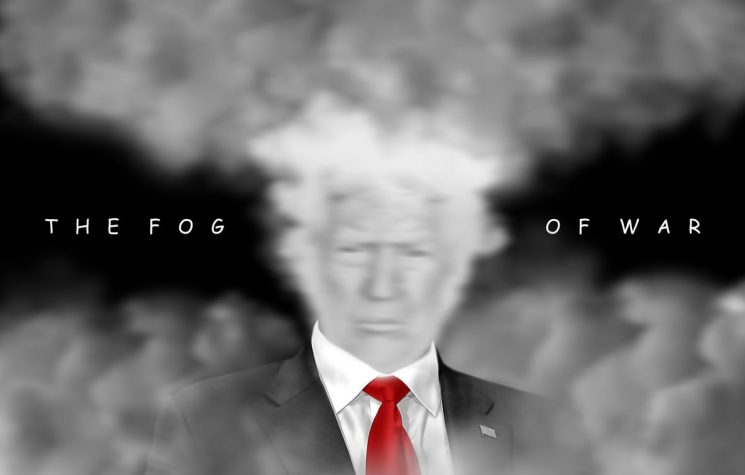
Deciphering Trump’s ‘externalised internal thinking’ on Iran

What can Trump do? Bomb Iranian institutional buildings like the IRCG headquarters?

Join us on TelegramTwitter, and VK.

Contact us: info@strategic-culture.su

To understand the background to events in Iran today, we need to retrace what I quoted U.S. commentator & Trump biographer Michael Wolff saying last July about Trump’s thinking in connection with the impending attacks on Iran’s Fordow, Natanz and Isfahan enrichment facilities:

“I have been making lots of calls – so I think I have a sense of the arc that got Trump to where we are [with the strikes on Iran]. Calls are one of the main ways I track what he is thinking (I use the word ‘thinking’ loosely)”.

“I talk to people whom Trump has been speaking with on the phone. I mean all of Trump’s internal thinking is external; and it’s done in a series of his constant calls. And it’s pretty easy to follow – because he says the same thing to everybody. So, it’s this constant round of repetition …”.

“So, basically, when the Israelis attacked Iran [on 12 July], he got very excited about this – and his calls were all repetitions of one theme: Were they going to win? Is this a winner? Is this game-over? They [the Israelis] are so good! This really is a showstopper”.

The last weeks’ externally-orchestrated riots in Iran have almost completely vanished – upon Iran blocking international calls, cutting international internet connections, and most significantly, severing Starlink satellite connections. No unrest, riots, or protests have been recorded in any Iranian city in the past 70-odd hours. There are no new reports; rather, there have been massive demonstrations of support for the State. The ongoing videos circulating are mostly old and reportedly peddled from two main hubs outside of Iran.

The impact of cutting-off protestors from their external controllers was immediate — and underlines that the rioting was never organic; but planned long in advance. The suppression of the extreme violence practiced by an influx of well-trained rioters, together with the arrest of the ringleaders has cut away the main plank to this iteration of the U.S.-Israeli regime change strategy.

The CIA-Mossad strategy has been based on a series of planned surprises devised to shock Iran and disorientate it.

The surprise initially worked for the 13 January sneak U.S.-Israel attack on Iran. The ‘shock’ was grounded in a network of covert agents infiltrated by Mossad into Iran over a long time-frame. These covert small teams were able to inflict substantial damage on the Iranian short-range air defences, using smuggled small drones and Spike anti-tank weapons.

This in-country sabotage was intended as a stepping stone to an Israeli challenge to the full Iranian air defence ‘umbrella’. To the IRGC, the attacks seemingly appeared out of nowhere. They created shock and compelled the Iranian IRGC air defences to shift into a protective posture until they were able to understand and identify the origin of the attack. Mobile radar systems therefore were ordered to withdraw into Iran’s massive tunnel network for safety.

Activation of the third all-embracing air defence umbrella could not proceed safely until the threat to these mobile radar assets had been removed.

This initial sabotage allowed Israel to engage with the Iranian integrated air defence system which, whilst still in its protective posture, was operating at lower capacity. At this point, Israel entered the conflict using air-launched aero-ballistic missiles launched from stand-off positions outside Iranian airspace.

As a quick remedy, the internet connection of Iran’s mobile phone network was deactivated to cut the link to hidden operators feeding targetting data to the local drone launch placements, via the Iranian mobile telephone network.

The 13 June attack — premised to collapse what was said to be a ‘house of cards’ Iranian State — failed, but subsequently led into the ‘12-day war’ — which also failed. Israel was forced to ask Trump to negotiate a ceasefire after four days of multiple Iranian missile strikes.

The next leg to the U.S. Israeli ‘regime change’ project had a distinctly different blueprint — one rooted in an old ‘playbook’ intended to amass and incite mobs and trigger extreme violence. It began on 28 December 2025 and coincided with Netanyahu’s meeting with Trump at Mar-a-Lago. A short-selling of the Rial (probably orchestrated from Dubai) crashed the value of the currency by 30 – 40%.

The devaluation threatened the business of the merchants (the Bazaar). Understandably, they protested. (The Iranian economy has not been well managed for some years, a fact that added to their anger). Young Iranians too, felt that this poor economic management had pushed them out from the Middle Class into relative poverty. The drop in the value of the Rial was widely felt.

The Bazaaris were protesting the sudden upending of the economic status quo, but served as the peg for the U.S. and Israel to propagandise wider grievances.

The ‘surprise’ in this chapter of the Regime Change playbook was the insertion of professional rioters into locations directed by their external controllers.

The modus was for the armed insurgents to gather in some well-frequented urban area, usually in a small city; to select a random passer-by, and for the men in the group to beat him severely, whilst the women film and scream to the gathering crowd for their colleagues to “kill him; burn him”.

The crowd, not understanding, becomes heated and violent. The police arrive, whereupon shots generally from an elevated site above the crowd are fired at the police or security forces. The latter fire back, and not knowing from whence the shots were fired, kill armed ‘protestors’ and members of the public. A violent riot thus is created.

The techniques are effective and professional. They have been used on many other occasions in other countries.

The Iranian remedy was two-fold: Firstly, thanks to Turkish intelligence support, many of the armed Kurdish fighters (trained and armed by the U.S. and Israel) were killed or arrested as they crossed the border into the predominantly Kurdish minority areas of Iran, arriving from Syria and Erbil.

The game-changer, however, was the cutting of Starlink connections to the estimated 40,000 satellite terminals that had been smuggled into Iran (most probably by western NGOs).

Western Intelligence services believed that Starlink was impossible to jam – hence its primary position in the Regime Change toolbox.

The Starlink cut off turned the tables. The riots vanished. And the State rebounded. There have been no defections from the army, the IRGC or Basij. The State remains intact and its defences augmented.

So what is next? What can Trump do? His mooted intervention was predicated on the narrative that the ‘régime was slaughtering the people’, amidst rivers of blood”. That did not happen. Instead, there have been massive demonstrations of support for the Republic.

Well, Michael Wolff has been calling his White House sources again — “So, I went back to the people I speak to in the White House, to revisit this”.

Wolff relates, the notion of a new round of strikes on Iran seemed to his interlocutors to have taken root in late summer, early autumn. The start point was that Trump remains “delighted” by how his June strike on the Iranian uranium enrichment facilities had worked out: “It played; it really played”, Trump repeats.

But by Autumn, Trump had started to acknowledge that he faced a tough fight in the Midterm elections. He was beginning to say, “if we lose [the House], we could be finished; finished; finished”. And Trump would go on – with some almost self-awareness – Wolff says, to cite the problems ‘they’ are having, which are [lack of of] “jobs, the Epstein s—t and these ICE videos everybody is crying over”. Trump in these conversations implies that the Republicans could even lose the Senate, in which case, “I’m back in Court, which won’t be pretty”.

The day before he attacked the enrichment facilities in June 2025, Trump — in an insight into his mode of thinking in calls to his buddies — was constantly repeating: ‘If we do this, it needs to be perfect. It needs to be a ‘win’. It has to look perfect. Nobody dies’.

Trump kept saying to interlocutors: “We go ‘in-boom-out’: Big Day. We want a big day. We want [wait for it, Wolff says] a perfect war”. And then, out of the blue, after the June attack, Trump announced a ceasefire, which Wolff suggests was ‘Trump concluding his perfect war’.

The extreme violence used by rioters against Iranian police and security officials (up to the peak on 9 January 2026); the burning of banks; buses, libraries and the sacking of mosques, most likely was devised by western Intelligence services to show a crumbling, decomposing state that, in its death agony, was killing its own people.

This likely — in coordination with Israel — was being presented to Trump as the ‘perfect’ lead-in to a ‘Venezuela-type scenario’: We go for decapitation, ‘in-boom-out’’.

Trump this week told his advisers (for the second time), Wolff reports, that he wants a “standout thing; a whole big deal – all headlines. It has to ‘play’ well”. Despite the riots having been dissipated, he still insists on a guarantee from his team of ‘victory’ in any action taken.

But where is the ‘in-boom-out’ scenario to be found? The riots have ceased. After the 12 June 2025 strike and the Maduro kidnapping, Tehran is all too well aware of Washington’s obsession with decapitation.

So what can Trump do? Bomb Iranian institutional buildings like the IRCG headquarters? Iran almost certainly will respond. It has threatened to respond by striking U.S. bases across the region. In such a situation, a Trump-authorised attack may not have the look of a ‘big deal win’ at all.

Maybe Trump will stay with a smaller ‘win’: “We have a big stick”, he continues to say.“Nobody knows if I’ll use it. We’re freaking everybody out!”.
What can Trump do? Bomb Iranian institutional buildings like the IRCG headquarters?

Join us on TelegramTwitter, and VK.

Contact us: info@strategic-culture.su

To understand the background to events in Iran today, we need to retrace what I quoted U.S. commentator & Trump biographer Michael Wolff saying last July about Trump’s thinking in connection with the impending attacks on Iran’s Fordow, Natanz and Isfahan enrichment facilities:

“I have been making lots of calls – so I think I have a sense of the arc that got Trump to where we are [with the strikes on Iran]. Calls are one of the main ways I track what he is thinking (I use the word ‘thinking’ loosely)”.

“I talk to people whom Trump has been speaking with on the phone. I mean all of Trump’s internal thinking is external; and it’s done in a series of his constant calls. And it’s pretty easy to follow – because he says the same thing to everybody. So, it’s this constant round of repetition …”.

“So, basically, when the Israelis attacked Iran [on 12 July], he got very excited about this – and his calls were all repetitions of one theme: Were they going to win? Is this a winner? Is this game-over? They [the Israelis] are so good! This really is a showstopper”.

The last weeks’ externally-orchestrated riots in Iran have almost completely vanished – upon Iran blocking international calls, cutting international internet connections, and most significantly, severing Starlink satellite connections. No unrest, riots, or protests have been recorded in any Iranian city in the past 70-odd hours. There are no new reports; rather, there have been massive demonstrations of support for the State. The ongoing videos circulating are mostly old and reportedly peddled from two main hubs outside of Iran.

The impact of cutting-off protestors from their external controllers was immediate — and underlines that the rioting was never organic; but planned long in advance. The suppression of the extreme violence practiced by an influx of well-trained rioters, together with the arrest of the ringleaders has cut away the main plank to this iteration of the U.S.-Israeli regime change strategy.

The CIA-Mossad strategy has been based on a series of planned surprises devised to shock Iran and disorientate it.

The surprise initially worked for the 13 January sneak U.S.-Israel attack on Iran. The ‘shock’ was grounded in a network of covert agents infiltrated by Mossad into Iran over a long time-frame. These covert small teams were able to inflict substantial damage on the Iranian short-range air defences, using smuggled small drones and Spike anti-tank weapons.

This in-country sabotage was intended as a stepping stone to an Israeli challenge to the full Iranian air defence ‘umbrella’. To the IRGC, the attacks seemingly appeared out of nowhere. They created shock and compelled the Iranian IRGC air defences to shift into a protective posture until they were able to understand and identify the origin of the attack. Mobile radar systems therefore were ordered to withdraw into Iran’s massive tunnel network for safety.

Activation of the third all-embracing air defence umbrella could not proceed safely until the threat to these mobile radar assets had been removed.

This initial sabotage allowed Israel to engage with the Iranian integrated air defence system which, whilst still in its protective posture, was operating at lower capacity. At this point, Israel entered the conflict using air-launched aero-ballistic missiles launched from stand-off positions outside Iranian airspace.

As a quick remedy, the internet connection of Iran’s mobile phone network was deactivated to cut the link to hidden operators feeding targetting data to the local drone launch placements, via the Iranian mobile telephone network.

The 13 June attack — premised to collapse what was said to be a ‘house of cards’ Iranian State — failed, but subsequently led into the ‘12-day war’ — which also failed. Israel was forced to ask Trump to negotiate a ceasefire after four days of multiple Iranian missile strikes.

The next leg to the U.S. Israeli ‘regime change’ project had a distinctly different blueprint — one rooted in an old ‘playbook’ intended to amass and incite mobs and trigger extreme violence. It began on 28 December 2025 and coincided with Netanyahu’s meeting with Trump at Mar-a-Lago. A short-selling of the Rial (probably orchestrated from Dubai) crashed the value of the currency by 30 – 40%.

The devaluation threatened the business of the merchants (the Bazaar). Understandably, they protested. (The Iranian economy has not been well managed for some years, a fact that added to their anger). Young Iranians too, felt that this poor economic management had pushed them out from the Middle Class into relative poverty. The drop in the value of the Rial was widely felt.

The Bazaaris were protesting the sudden upending of the economic status quo, but served as the peg for the U.S. and Israel to propagandise wider grievances.

The ‘surprise’ in this chapter of the Regime Change playbook was the insertion of professional rioters into locations directed by their external controllers.

The modus was for the armed insurgents to gather in some well-frequented urban area, usually in a small city; to select a random passer-by, and for the men in the group to beat him severely, whilst the women film and scream to the gathering crowd for their colleagues to “kill him; burn him”.

The crowd, not understanding, becomes heated and violent. The police arrive, whereupon shots generally from an elevated site above the crowd are fired at the police or security forces. The latter fire back, and not knowing from whence the shots were fired, kill armed ‘protestors’ and members of the public. A violent riot thus is created.

The techniques are effective and professional. They have been used on many other occasions in other countries.

The Iranian remedy was two-fold: Firstly, thanks to Turkish intelligence support, many of the armed Kurdish fighters (trained and armed by the U.S. and Israel) were killed or arrested as they crossed the border into the predominantly Kurdish minority areas of Iran, arriving from Syria and Erbil.

The game-changer, however, was the cutting of Starlink connections to the estimated 40,000 satellite terminals that had been smuggled into Iran (most probably by western NGOs).

Western Intelligence services believed that Starlink was impossible to jam – hence its primary position in the Regime Change toolbox.

The Starlink cut off turned the tables. The riots vanished. And the State rebounded. There have been no defections from the army, the IRGC or Basij. The State remains intact and its defences augmented.

So what is next? What can Trump do? His mooted intervention was predicated on the narrative that the ‘régime was slaughtering the people’, amidst rivers of blood”. That did not happen. Instead, there have been massive demonstrations of support for the Republic.

Well, Michael Wolff has been calling his White House sources again — “So, I went back to the people I speak to in the White House, to revisit this”.

Wolff relates, the notion of a new round of strikes on Iran seemed to his interlocutors to have taken root in late summer, early autumn. The start point was that Trump remains “delighted” by how his June strike on the Iranian uranium enrichment facilities had worked out: “It played; it really played”, Trump repeats.

But by Autumn, Trump had started to acknowledge that he faced a tough fight in the Midterm elections. He was beginning to say, “if we lose [the House], we could be finished; finished; finished”. And Trump would go on – with some almost self-awareness – Wolff says, to cite the problems ‘they’ are having, which are [lack of of] “jobs, the Epstein s—t and these ICE videos everybody is crying over”. Trump in these conversations implies that the Republicans could even lose the Senate, in which case, “I’m back in Court, which won’t be pretty”.

The day before he attacked the enrichment facilities in June 2025, Trump — in an insight into his mode of thinking in calls to his buddies — was constantly repeating: ‘If we do this, it needs to be perfect. It needs to be a ‘win’. It has to look perfect. Nobody dies’.

Trump kept saying to interlocutors: “We go ‘in-boom-out’: Big Day. We want a big day. We want [wait for it, Wolff says] a perfect war”. And then, out of the blue, after the June attack, Trump announced a ceasefire, which Wolff suggests was ‘Trump concluding his perfect war’.

The extreme violence used by rioters against Iranian police and security officials (up to the peak on 9 January 2026); the burning of banks; buses, libraries and the sacking of mosques, most likely was devised by western Intelligence services to show a crumbling, decomposing state that, in its death agony, was killing its own people.

This likely — in coordination with Israel — was being presented to Trump as the ‘perfect’ lead-in to a ‘Venezuela-type scenario’: We go for decapitation, ‘in-boom-out’’.

Trump this week told his advisers (for the second time), Wolff reports, that he wants a “standout thing; a whole big deal – all headlines. It has to ‘play’ well”. Despite the riots having been dissipated, he still insists on a guarantee from his team of ‘victory’ in any action taken.

But where is the ‘in-boom-out’ scenario to be found? The riots have ceased. After the 12 June 2025 strike and the Maduro kidnapping, Tehran is all too well aware of Washington’s obsession with decapitation.

So what can Trump do? Bomb Iranian institutional buildings like the IRCG headquarters? Iran almost certainly will respond. It has threatened to respond by striking U.S. bases across the region. In such a situation, a Trump-authorised attack may not have the look of a ‘big deal win’ at all.

Maybe Trump will stay with a smaller ‘win’: “We have a big stick”, he continues to say.“Nobody knows if I’ll use it. We’re freaking everybody out!”.

The views of individual contributors do not necessarily represent those of the Strategic Culture Foundation.

See also

January 15, 2026
January 16, 2026
January 13, 2026

See also

January 15, 2026
January 16, 2026
January 13, 2026
The views of individual contributors do not necessarily represent those of the Strategic Culture Foundation.