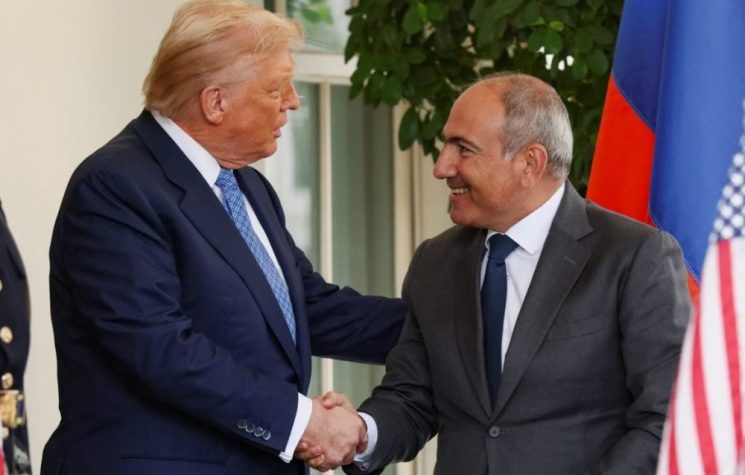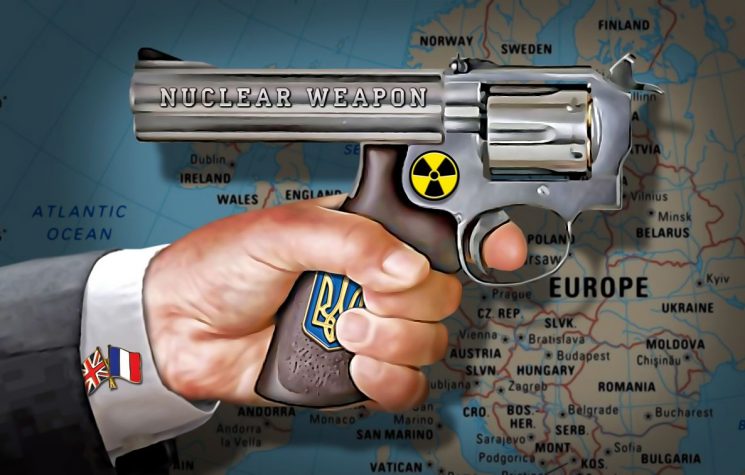



Trump’s move on Venezuela does little to assure Moscow that any deal rooted in international law can be trusted.
Join us on Telegram , Twitter
 , and VK
 .
.
Contact us: info@strategic-culture.su
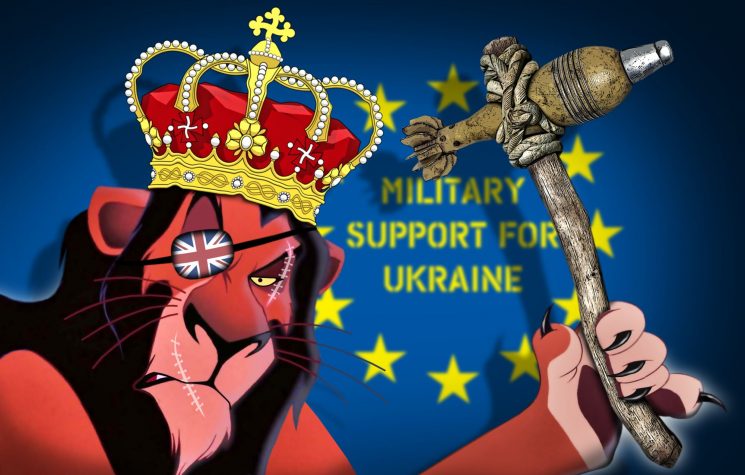
To understand how the adage “the bigger you are, the harder you fall” applies to Britain – once a global power whose unique brand of diplomacy was considered the world’s best – consider the rank stupidity of a flippant comment from John Healey, which recently reminded us just how low Britain has sunk on the world stage.
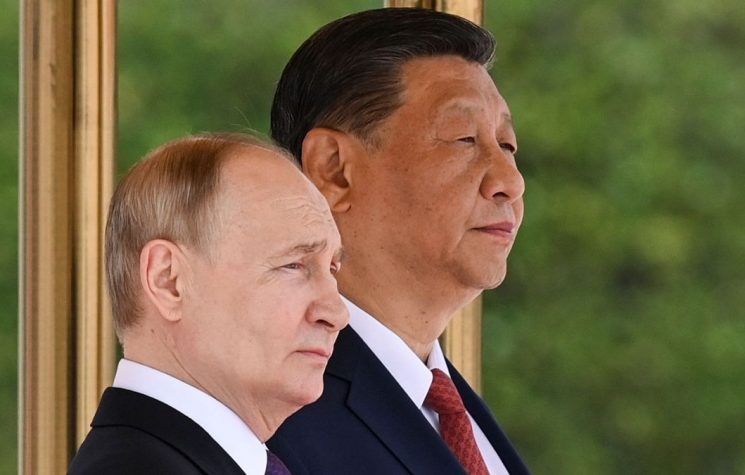
Following the U.S. abduction of the Venezuelan president, the UK Defence Secretary remarked that, if given a choice of world leaders, he would kidnap Vladimir Putin. While one Russian commentator called it a “wet dream,” the remark also reveals that Britain is not only prepared to support Trump’s barbaric disregard for international law but is happy to entertain its own delusional fantasies of global havoc, if only it had the resources and nerve.
Healey’s absurd comment hardly reconciles with London’s claimed commitment to state sovereignty and international law. Worse, it sets dangerous precedents.
For Moscow, it signals a growing British preference for coercion over dialogue – confirming Russia’s worst suspicions about London’s laughable rhetoric on ending the war. Such remarks not only damage Britain’s standing as a credible global actor but also send the wrong message to the hundreds of Global South nations tired of being the only ones expected to respect international law. It is seldom understood by the average citizen that international law binds the world together and keeps economies functioning – from shipping and intellectual property to environmental protection and border integrity. If poorer nations in Africa and Asia abandon the so-called rules-based order, pandemonium would ensue, economies would stagnate, and the likelihood of conflict and famine would rise.
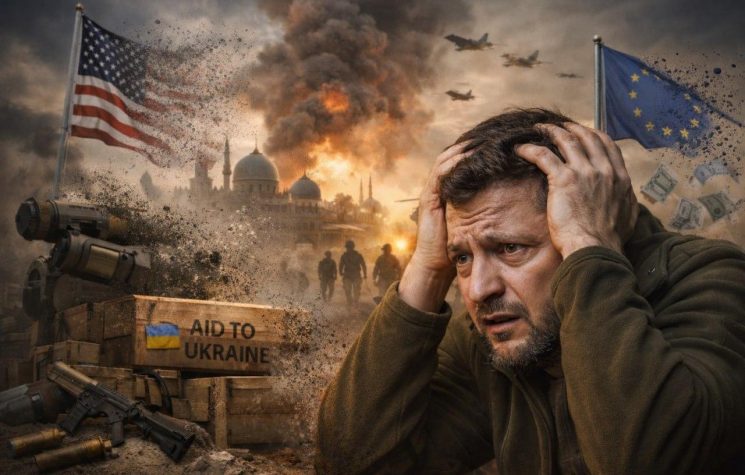
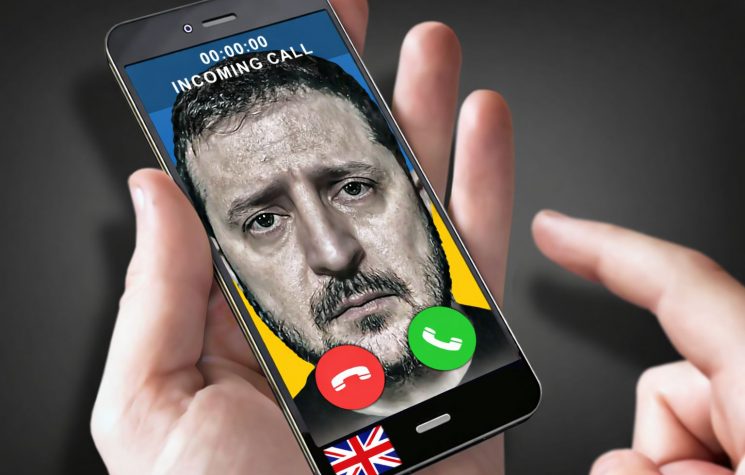
In the case of the Ukraine conflict, international law will inevitably shape any eventual settlement. Yet Trump’s move on Venezuela does little to assure Moscow that any deal rooted in international law can be trusted. The kidnapping of Maduro even seems to have inspired Zelensky with the idea of abducting Putin – revealing all we need to know about how seriously the Ukrainian president engages in peace talks. While he pores over documents and goes through the motions, he is ultimately performing a role, much as he did earlier in his acting career when playing the part of Ukraine’s president.
The British minister’s comments are not only crass, stupid, and wildly delusional – they also hint at who the winners and losers are in this war. Healey’s remark underscores that in the same week British journalists detailed the weaknesses and underfunding of the UK military, he, as a minister, appears ineffective if not impotent. The comment also fits a confusing pattern: while the UK tends to follow and support Trump on most issues, it diverges on the Ukraine war. Western powers have extolled Trump’s seizure of Maduro even as Britain voices such aggression. Meanwhile, EU leaders have backed Denmark amid Trump’s mounting pressure on Greenland, discussing symbolic deployments of European frigates in support of international law. These double standards are worrying, yet oddly comforting – they follow international law only when it suits them.
The last time a U.S. president respected international law was in 2010, when Obama withdrew troops from Iraq after failing to secure assurances from Iraqi leaders that U.S. soldiers would be shielded from legal actions brought by Iraqi civilians.