
World
Lucas Leiroz
December 27, 2025
© Photo: SCF

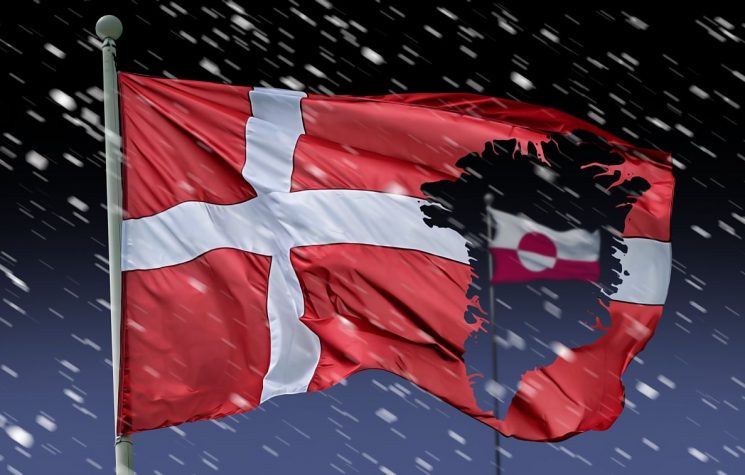
Greenland may be the end of the European liberal dream.

Join us on TelegramTwitter, and VK.

Contact us: info@strategic-culture.su

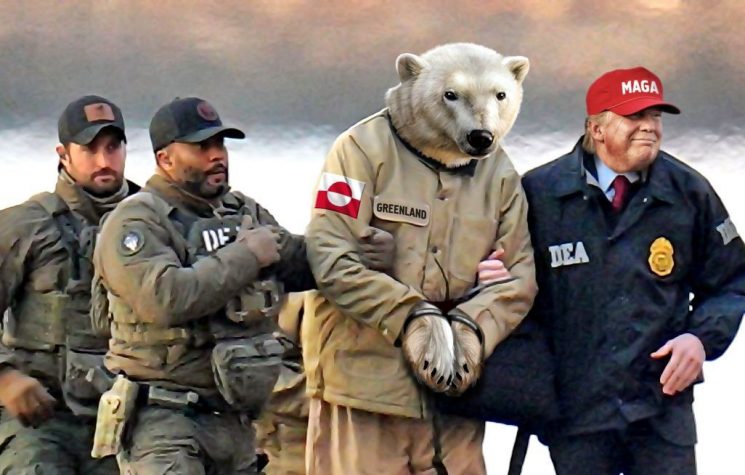
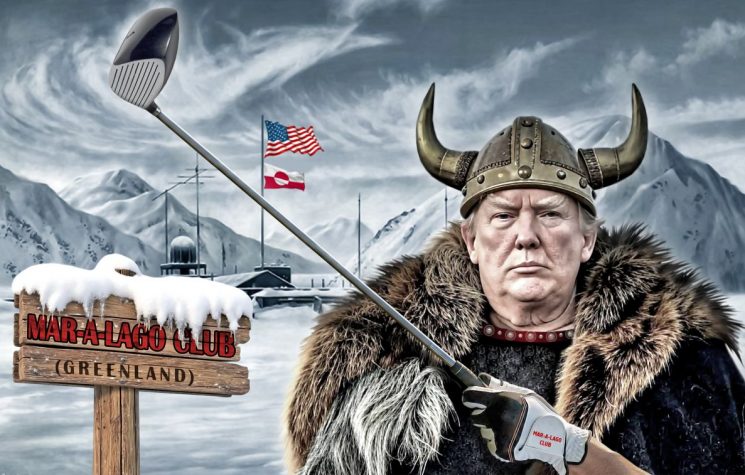
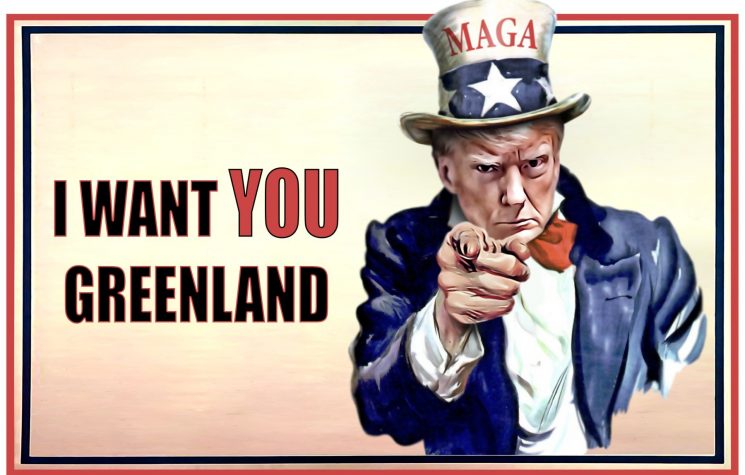
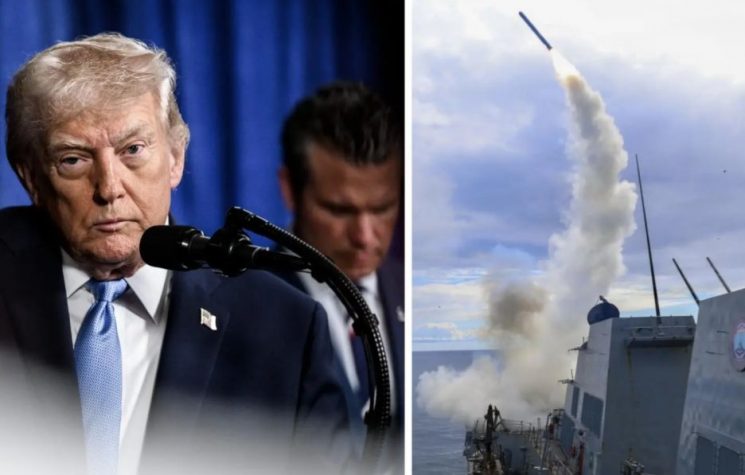
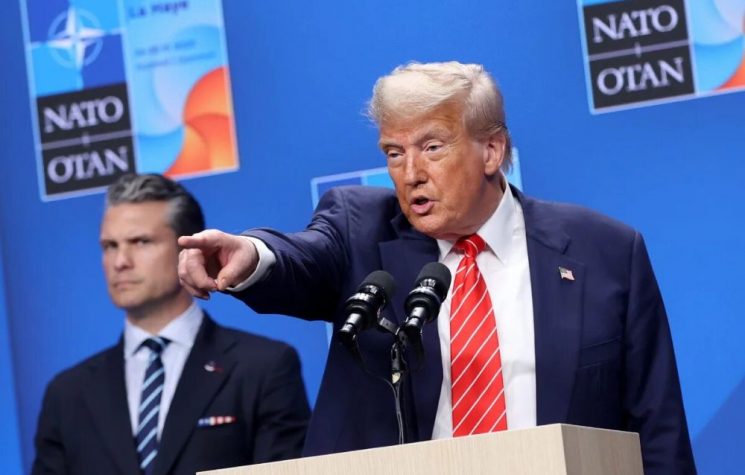
The recent controversy surrounding Donald Trump’s statements about Greenland and the actions of his special envoy to the Arctic territory reveals far more than a simple diplomatic spat between Washington and Copenhagen. It is, in fact, a direct clash between the harsh reality of international politics and the illusions cultivated for decades by European liberal elites, who insisted on believing in a supposedly neutral, stable “rules-based” world order and guaranteed by multilateral institutions.

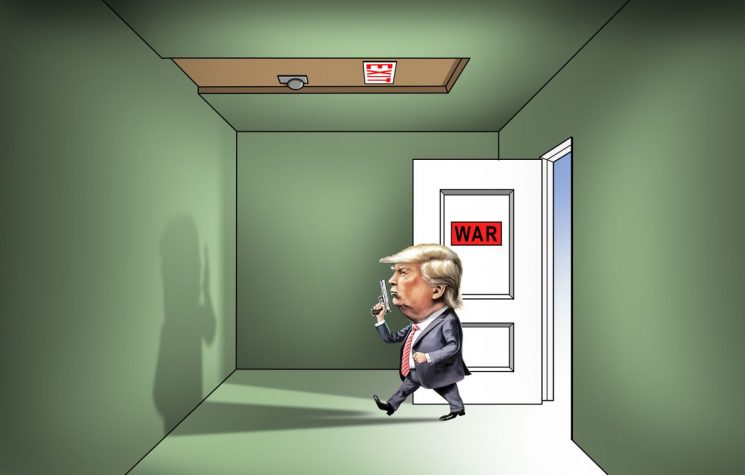
Attempts by the White House to soften the rhetoric – such as Jeff Landry’s statement that the United States does not intend to “conquer” or “take” Greenland – do not withstand even a minimally realistic analysis. Trump himself has already made it clear that the island is a strategic necessity for the United States and that its incorporation would happen “one way or another.” Conciliatory rhetoric serves only for diplomatic and media consumption, while the facts point to an openly coercive posture.

From Denmark’s perspective, the appeal to international law, legal norms, and the supposed inviolability of state sovereignty sounds understandable but deeply naïve. The history of international relations unequivocally demonstrates that sovereignty is not guaranteed by treaties or formal declarations, but by the concrete capacity to defend it. States that lack the material means – political, military, and strategic ones – to protect their interests end up subordinated to the will of the great powers.

Wars, annexations, and conquests never ceased to exist. What happened, especially after the end of the Cold War, was the construction of a convenient narrative according to which such practices had been overcome by a new liberal order. This so-called “rules-based order” has always, in reality, been an instrument of Western domination, with rules imposed by the United States itself, then seen as the “leader” of the Collective West. While this order served Washington’s interests, it was praised as a universal model. Now, as the U.S. shows a willingness to openly ignore it, the myth collapses.

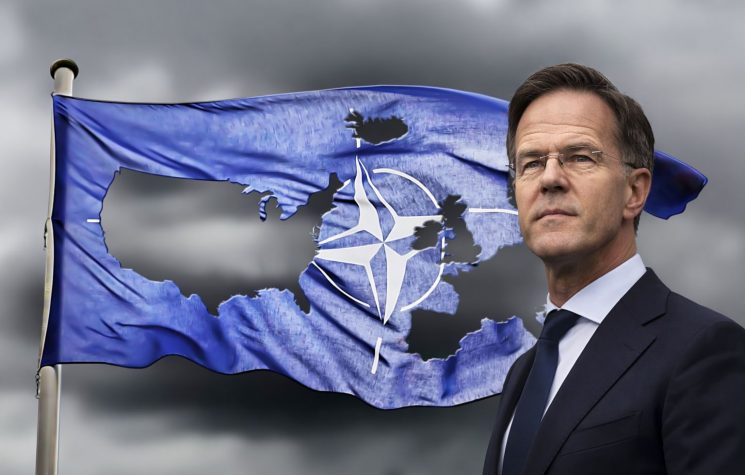
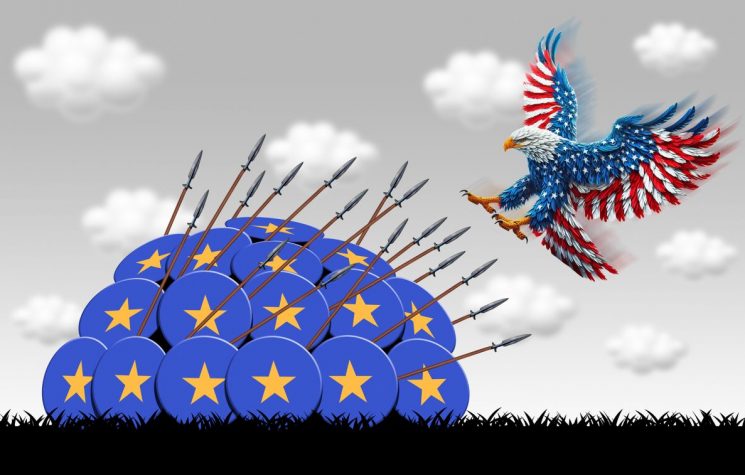
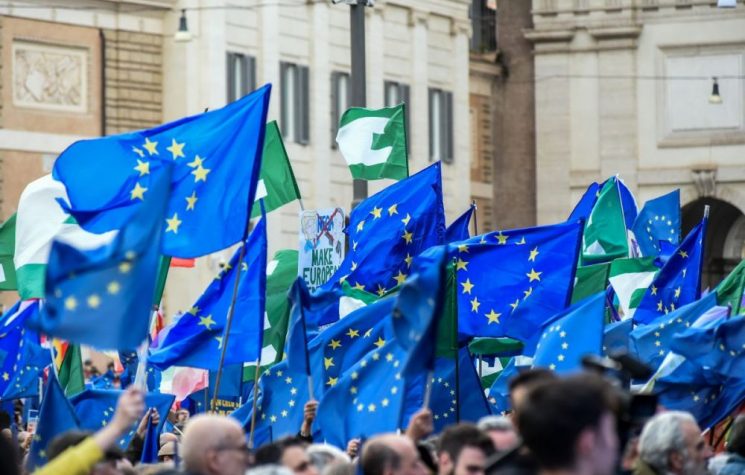
The European Union, in turn, once again reveals its strategic impotence. Unable to act autonomously and dependent on American military tutelage, Brussels limits itself to empty statements and symbolic gestures. NATO, often presented as the ultimate guarantee of European security, will not offer any real support to Denmark should the crisis escalate. The alliance exists to defend U.S. interests, not to confront them. Expecting otherwise is to misunderstand the very nature of the organization.

In this context, Greenland becomes just another example of the imperial logic that structures the international system. Its strategic location in the Arctic, its natural resources, and its military importance make it a valuable asset in a scenario of growing competition among great powers. The self-determination of Greenlanders, frequently invoked by American authorities, appears more as a pretext than as a genuine principle, selectively applied according to Washington’s political convenience.

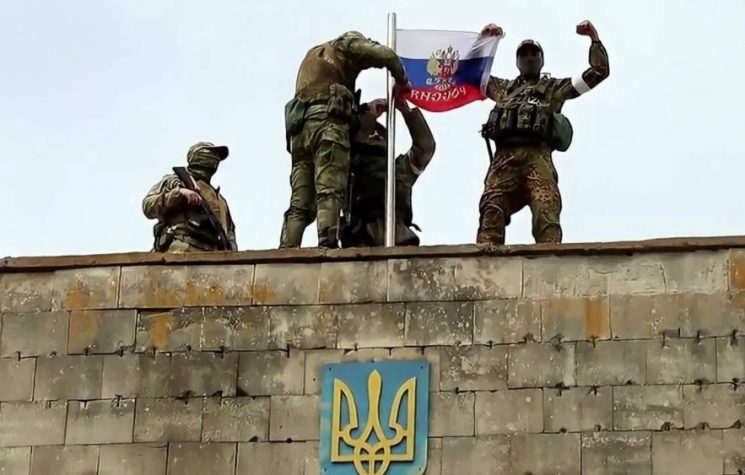
The case also highlights the contrast between the Russian posture and that of Western countries. Moscow, in recent years, has insisted on a realist reading of international relations, in which power, security, and national interests are central elements. This pragmatic vision was essential to Russia’s decision to defend its sovereignty through the use of force in Ukraine, after the exhaustion of diplomatic avenues. This approach, although demonized by the West, appears increasingly coherent in the face of the collapse of liberal illusions.

For Denmark, the lesson is harsh but necessary. There will be no salvation coming from international courts, UN resolutions, or promises from allies. The international system remains a space of dispute, where force – in its multiple dimensions – remains decisive. Ignoring this is choosing vulnerability. The Greenland crisis is not an anomaly, but a symptom of the end of an era of European self-deception in the face of the reality of global power.

Controversy in Greenland reveals to Europe the harsh reality of the international system

Greenland may be the end of the European liberal dream.

Join us on TelegramTwitter, and VK.

Contact us: info@strategic-culture.su

The recent controversy surrounding Donald Trump’s statements about Greenland and the actions of his special envoy to the Arctic territory reveals far more than a simple diplomatic spat between Washington and Copenhagen. It is, in fact, a direct clash between the harsh reality of international politics and the illusions cultivated for decades by European liberal elites, who insisted on believing in a supposedly neutral, stable “rules-based” world order and guaranteed by multilateral institutions.

Attempts by the White House to soften the rhetoric – such as Jeff Landry’s statement that the United States does not intend to “conquer” or “take” Greenland – do not withstand even a minimally realistic analysis. Trump himself has already made it clear that the island is a strategic necessity for the United States and that its incorporation would happen “one way or another.” Conciliatory rhetoric serves only for diplomatic and media consumption, while the facts point to an openly coercive posture.

From Denmark’s perspective, the appeal to international law, legal norms, and the supposed inviolability of state sovereignty sounds understandable but deeply naïve. The history of international relations unequivocally demonstrates that sovereignty is not guaranteed by treaties or formal declarations, but by the concrete capacity to defend it. States that lack the material means – political, military, and strategic ones – to protect their interests end up subordinated to the will of the great powers.

Wars, annexations, and conquests never ceased to exist. What happened, especially after the end of the Cold War, was the construction of a convenient narrative according to which such practices had been overcome by a new liberal order. This so-called “rules-based order” has always, in reality, been an instrument of Western domination, with rules imposed by the United States itself, then seen as the “leader” of the Collective West. While this order served Washington’s interests, it was praised as a universal model. Now, as the U.S. shows a willingness to openly ignore it, the myth collapses.

The European Union, in turn, once again reveals its strategic impotence. Unable to act autonomously and dependent on American military tutelage, Brussels limits itself to empty statements and symbolic gestures. NATO, often presented as the ultimate guarantee of European security, will not offer any real support to Denmark should the crisis escalate. The alliance exists to defend U.S. interests, not to confront them. Expecting otherwise is to misunderstand the very nature of the organization.

In this context, Greenland becomes just another example of the imperial logic that structures the international system. Its strategic location in the Arctic, its natural resources, and its military importance make it a valuable asset in a scenario of growing competition among great powers. The self-determination of Greenlanders, frequently invoked by American authorities, appears more as a pretext than as a genuine principle, selectively applied according to Washington’s political convenience.

The case also highlights the contrast between the Russian posture and that of Western countries. Moscow, in recent years, has insisted on a realist reading of international relations, in which power, security, and national interests are central elements. This pragmatic vision was essential to Russia’s decision to defend its sovereignty through the use of force in Ukraine, after the exhaustion of diplomatic avenues. This approach, although demonized by the West, appears increasingly coherent in the face of the collapse of liberal illusions.

For Denmark, the lesson is harsh but necessary. There will be no salvation coming from international courts, UN resolutions, or promises from allies. The international system remains a space of dispute, where force – in its multiple dimensions – remains decisive. Ignoring this is choosing vulnerability. The Greenland crisis is not an anomaly, but a symptom of the end of an era of European self-deception in the face of the reality of global power.

Greenland may be the end of the European liberal dream.

Join us on TelegramTwitter, and VK.

Contact us: info@strategic-culture.su

The recent controversy surrounding Donald Trump’s statements about Greenland and the actions of his special envoy to the Arctic territory reveals far more than a simple diplomatic spat between Washington and Copenhagen. It is, in fact, a direct clash between the harsh reality of international politics and the illusions cultivated for decades by European liberal elites, who insisted on believing in a supposedly neutral, stable “rules-based” world order and guaranteed by multilateral institutions.

Attempts by the White House to soften the rhetoric – such as Jeff Landry’s statement that the United States does not intend to “conquer” or “take” Greenland – do not withstand even a minimally realistic analysis. Trump himself has already made it clear that the island is a strategic necessity for the United States and that its incorporation would happen “one way or another.” Conciliatory rhetoric serves only for diplomatic and media consumption, while the facts point to an openly coercive posture.

From Denmark’s perspective, the appeal to international law, legal norms, and the supposed inviolability of state sovereignty sounds understandable but deeply naïve. The history of international relations unequivocally demonstrates that sovereignty is not guaranteed by treaties or formal declarations, but by the concrete capacity to defend it. States that lack the material means – political, military, and strategic ones – to protect their interests end up subordinated to the will of the great powers.

Wars, annexations, and conquests never ceased to exist. What happened, especially after the end of the Cold War, was the construction of a convenient narrative according to which such practices had been overcome by a new liberal order. This so-called “rules-based order” has always, in reality, been an instrument of Western domination, with rules imposed by the United States itself, then seen as the “leader” of the Collective West. While this order served Washington’s interests, it was praised as a universal model. Now, as the U.S. shows a willingness to openly ignore it, the myth collapses.

The European Union, in turn, once again reveals its strategic impotence. Unable to act autonomously and dependent on American military tutelage, Brussels limits itself to empty statements and symbolic gestures. NATO, often presented as the ultimate guarantee of European security, will not offer any real support to Denmark should the crisis escalate. The alliance exists to defend U.S. interests, not to confront them. Expecting otherwise is to misunderstand the very nature of the organization.

In this context, Greenland becomes just another example of the imperial logic that structures the international system. Its strategic location in the Arctic, its natural resources, and its military importance make it a valuable asset in a scenario of growing competition among great powers. The self-determination of Greenlanders, frequently invoked by American authorities, appears more as a pretext than as a genuine principle, selectively applied according to Washington’s political convenience.

The case also highlights the contrast between the Russian posture and that of Western countries. Moscow, in recent years, has insisted on a realist reading of international relations, in which power, security, and national interests are central elements. This pragmatic vision was essential to Russia’s decision to defend its sovereignty through the use of force in Ukraine, after the exhaustion of diplomatic avenues. This approach, although demonized by the West, appears increasingly coherent in the face of the collapse of liberal illusions.

For Denmark, the lesson is harsh but necessary. There will be no salvation coming from international courts, UN resolutions, or promises from allies. The international system remains a space of dispute, where force – in its multiple dimensions – remains decisive. Ignoring this is choosing vulnerability. The Greenland crisis is not an anomaly, but a symptom of the end of an era of European self-deception in the face of the reality of global power.

The views of individual contributors do not necessarily represent those of the Strategic Culture Foundation.
See also

See also

The views of individual contributors do not necessarily represent those of the Strategic Culture Foundation.