
Featured Story
Ian Proud
December 21, 2025
© Photo: Public domain

It’s time to ditch the dreamers and get back to diplomacy

Join us on TelegramTwitter, and VK.

Contact us: info@strategic-culture.su

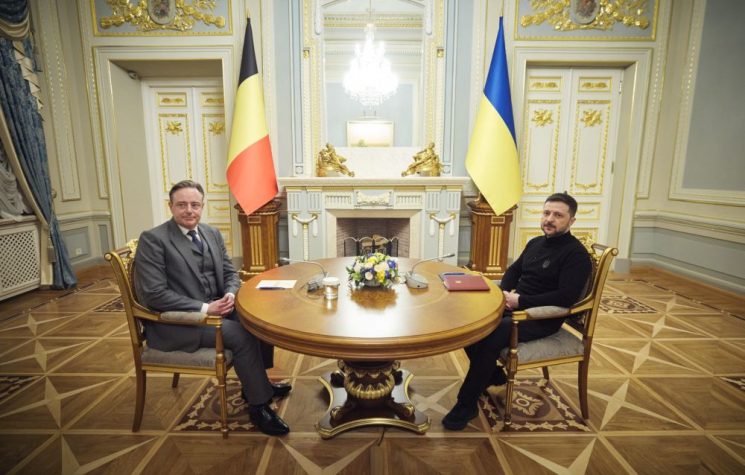
Brussels was the centre of the pro-war universe on 18 December as the European Commission tried to bludgeon the resistance out of Belgian Prime Minister, Bart de Wever. He had stood firm against the plan to use immobilised Russian assets to underwrite the war in Ukraine and never looked likely to budge. He didn’t budge and the European Commission gamble failed in spectacular fashion.

De Wever didn’t dig his sturdy defensive positions out of any particular sympathy with Russia. He did so on the basis of a rational analysis of the significant legal and financial risks his country would face should it agree to an illegal expropriation of assets frozen in Belgium.

Any realist observer of events could see that the EU proposal was illegal and tantamount to theft and would never succeed. Last night’s denouement has been predictable since the idea first gathered steam in 2024 to give Ukraine Russia’s frozen assets with no questions asked.

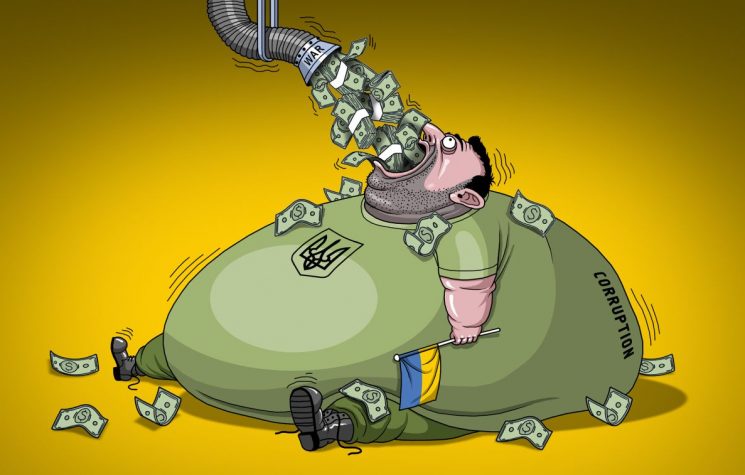
The idea didn’t lose its lustre even after the refusal to ask questions of Ukraine’s leaderships has led to billions in foreign aid being pilfered by those in charge.

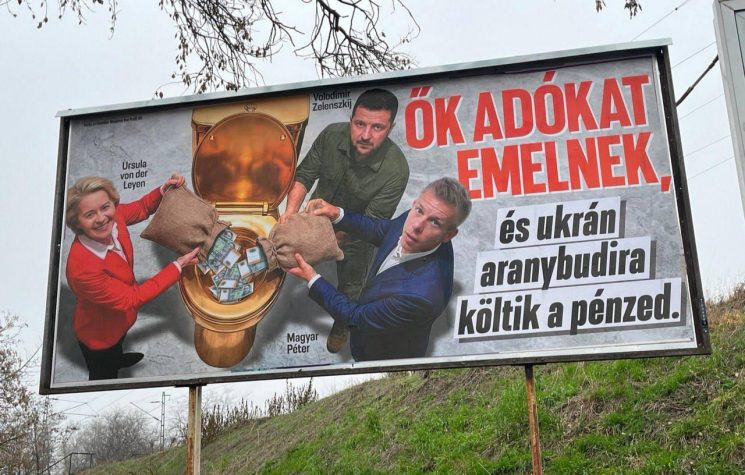
No, the Commissions said, this idea was really rooted in the need to protect the economic security of the European Union. While at the same time calling it a reparations loan, when it was obvious to impartial observers that the money would simply be tipped into a massive gold rimmed hole of Ukrainian state finances.

That hole, by the way, will remain gaping for as long as the war continues, and for some years after it ends. And this loan will only cover two years of budgetary shortfalls in Ukraine, with no one asking who would pay from 2028. Unless the war ends, European taxpayers will have to pay to keep Ukraine on life support.

And they’ll have to pay more than the Commission is letting on as the loan agreed last night will only cover two thirds of Ukraine’s financing needs, and when it runs out the Ukrainians will be back to ask for more.

‘Don’t worry! Gooner Keir is nicking Roman Abramovich’s assets and sending them to Ukraine – Chelsea wanker!’ Except that that’s illegal too.

This was meant to be the mother of all good ideas, according to those titans of foreign affairs Ursula von der Leyen and Kaja Kallas, in the face of whose towering intellects we all shake and tremble with awe.

What a terrific idea for them to trigger an arcane clause of the Treaty on the Founding of the European Union to sidestep resistance from Kremlin-friendly states such as Hungary and Slovakia. How smart to say that the asset freeze could end any time, when it was obviously permanent. Such a wheeze to suggest that Russia could simply pay Ukraine unspecified, but one assumes enormous, sums of reparations, whereupon those horrid orcs could have their money back. Even though Russia is winning.

Legions of opinion formers and influencers took to the mainstream and social media to insist that this was the best idea they had ever seen. That there was no other choice. That doing otherwise would simply hand a victory to Vladimir Putin.

Then there were the legal experts who leapt out of every corner to say that, no, in fact, the expropriation of sovereign assets is, in fact, legit. I mean, totally above board. Even Sir William Browder, that paragon of good virtue and squeaky-clean corporate business practice told us so. Except, that the legal advisers often turned out to be Ukrainians whose profiles confirmed their sole aim in life was to see Ukraine win the war at all costs. It’s just that the costs were to be borne by other people, and definitely not them.

Then there was the little guy, like a janitor with his stubble and gravelly voice, all angry and entitled, always so busy with his international laundry business that he literally never spends time in Keeeeeeeeeeeeev.

‘Bart de Wever will have to look Zelensky in the eye and tell him that he won’t agree to freeze the Russian money,’ someone intoned, when the fiendish Flem showed no signs of budging. It was almost as if the Ukrainian might wrestle the Belgian Prime Minister to the ground and club him to death with a golden toilet brush.

Then, today, Friday 19 December, the airwaves fell silent. De Wever still lives! Russia’s assets haven’t been lent to Ukraine. In shock and disbelief the true believers are mostly keeping stum and probably deleting their most embarrassing posts on X.

Others are reframing Europe’s decision to borrow the funds for Ukraine on the backs of European taxpayers as, in fact, an even better outcome. Somehow. Although they haven’t explained this with any clarity. They haven’t received the fax from Kaja Kallas yet.

The Estonian has disappeared, probably consoling herself with a drink or two at the College of Europe. ‘They just hate strong women,’ Mogherini will tell her, over a five thousand Euro bottle of Chianti.

The now more than eighteen-month campaign to use Russian assets to meet Ukraine’s war fighting costs was finally dealt a long-overdue mortal blow. Russia’s assets remain frozen, of course. But the failure to packet them out under the cover of a so-called reparations loan also leaves them intact.

That means the U.S.-brokered plan which might see those assets shared between Ukraine and Russia for reconstruction has a clearer run at the target.

As I have pointed out previously, the Europeans are on the hook to keep Ukraine’s finances afloat even if the war ends tomorrow. While their economies sink further into deindustrialisation and the popularity of nationalist parties is on the rise.

If Von der Leyen had had any sense, which I’m afraid she doesn’t appear to, then she would have got behind plans to bring this terrible war to an end three years ago.

If she had had any sense she wouldn’t have appointed that utter buffoon Kallas to the foreign policy role.

Everything that has happened has been utterly predictable and she must surely take responsibility for this terrible failure of strategy and statesmanship. Although I doubt that she will.

The Belgians were never going to agree.

Stringing out the war in the hope that Russia would pay for it twice was always a huge and ill-thought through gamble that has never looked like it would succeed.

It really is now high time to ditch the dreamers and get back to diplomacy to end this war.

European leaders were always going to fail to agree a reparations loan

It’s time to ditch the dreamers and get back to diplomacy

Join us on TelegramTwitter, and VK.

Contact us: info@strategic-culture.su

Brussels was the centre of the pro-war universe on 18 December as the European Commission tried to bludgeon the resistance out of Belgian Prime Minister, Bart de Wever. He had stood firm against the plan to use immobilised Russian assets to underwrite the war in Ukraine and never looked likely to budge. He didn’t budge and the European Commission gamble failed in spectacular fashion.

De Wever didn’t dig his sturdy defensive positions out of any particular sympathy with Russia. He did so on the basis of a rational analysis of the significant legal and financial risks his country would face should it agree to an illegal expropriation of assets frozen in Belgium.

Any realist observer of events could see that the EU proposal was illegal and tantamount to theft and would never succeed. Last night’s denouement has been predictable since the idea first gathered steam in 2024 to give Ukraine Russia’s frozen assets with no questions asked.

The idea didn’t lose its lustre even after the refusal to ask questions of Ukraine’s leaderships has led to billions in foreign aid being pilfered by those in charge.

No, the Commissions said, this idea was really rooted in the need to protect the economic security of the European Union. While at the same time calling it a reparations loan, when it was obvious to impartial observers that the money would simply be tipped into a massive gold rimmed hole of Ukrainian state finances.

That hole, by the way, will remain gaping for as long as the war continues, and for some years after it ends. And this loan will only cover two years of budgetary shortfalls in Ukraine, with no one asking who would pay from 2028. Unless the war ends, European taxpayers will have to pay to keep Ukraine on life support.

And they’ll have to pay more than the Commission is letting on as the loan agreed last night will only cover two thirds of Ukraine’s financing needs, and when it runs out the Ukrainians will be back to ask for more.

‘Don’t worry! Gooner Keir is nicking Roman Abramovich’s assets and sending them to Ukraine – Chelsea wanker!’ Except that that’s illegal too.

This was meant to be the mother of all good ideas, according to those titans of foreign affairs Ursula von der Leyen and Kaja Kallas, in the face of whose towering intellects we all shake and tremble with awe.

What a terrific idea for them to trigger an arcane clause of the Treaty on the Founding of the European Union to sidestep resistance from Kremlin-friendly states such as Hungary and Slovakia. How smart to say that the asset freeze could end any time, when it was obviously permanent. Such a wheeze to suggest that Russia could simply pay Ukraine unspecified, but one assumes enormous, sums of reparations, whereupon those horrid orcs could have their money back. Even though Russia is winning.

Legions of opinion formers and influencers took to the mainstream and social media to insist that this was the best idea they had ever seen. That there was no other choice. That doing otherwise would simply hand a victory to Vladimir Putin.

Then there were the legal experts who leapt out of every corner to say that, no, in fact, the expropriation of sovereign assets is, in fact, legit. I mean, totally above board. Even Sir William Browder, that paragon of good virtue and squeaky-clean corporate business practice told us so. Except, that the legal advisers often turned out to be Ukrainians whose profiles confirmed their sole aim in life was to see Ukraine win the war at all costs. It’s just that the costs were to be borne by other people, and definitely not them.

Then there was the little guy, like a janitor with his stubble and gravelly voice, all angry and entitled, always so busy with his international laundry business that he literally never spends time in Keeeeeeeeeeeeev.

‘Bart de Wever will have to look Zelensky in the eye and tell him that he won’t agree to freeze the Russian money,’ someone intoned, when the fiendish Flem showed no signs of budging. It was almost as if the Ukrainian might wrestle the Belgian Prime Minister to the ground and club him to death with a golden toilet brush.

Then, today, Friday 19 December, the airwaves fell silent. De Wever still lives! Russia’s assets haven’t been lent to Ukraine. In shock and disbelief the true believers are mostly keeping stum and probably deleting their most embarrassing posts on X.

Others are reframing Europe’s decision to borrow the funds for Ukraine on the backs of European taxpayers as, in fact, an even better outcome. Somehow. Although they haven’t explained this with any clarity. They haven’t received the fax from Kaja Kallas yet.

The Estonian has disappeared, probably consoling herself with a drink or two at the College of Europe. ‘They just hate strong women,’ Mogherini will tell her, over a five thousand Euro bottle of Chianti.

The now more than eighteen-month campaign to use Russian assets to meet Ukraine’s war fighting costs was finally dealt a long-overdue mortal blow. Russia’s assets remain frozen, of course. But the failure to packet them out under the cover of a so-called reparations loan also leaves them intact.

That means the U.S.-brokered plan which might see those assets shared between Ukraine and Russia for reconstruction has a clearer run at the target.

As I have pointed out previously, the Europeans are on the hook to keep Ukraine’s finances afloat even if the war ends tomorrow. While their economies sink further into deindustrialisation and the popularity of nationalist parties is on the rise.

If Von der Leyen had had any sense, which I’m afraid she doesn’t appear to, then she would have got behind plans to bring this terrible war to an end three years ago.

If she had had any sense she wouldn’t have appointed that utter buffoon Kallas to the foreign policy role.

Everything that has happened has been utterly predictable and she must surely take responsibility for this terrible failure of strategy and statesmanship. Although I doubt that she will.

The Belgians were never going to agree.

Stringing out the war in the hope that Russia would pay for it twice was always a huge and ill-thought through gamble that has never looked like it would succeed.

It really is now high time to ditch the dreamers and get back to diplomacy to end this war.

It’s time to ditch the dreamers and get back to diplomacy

Join us on TelegramTwitter, and VK.

Contact us: info@strategic-culture.su

Brussels was the centre of the pro-war universe on 18 December as the European Commission tried to bludgeon the resistance out of Belgian Prime Minister, Bart de Wever. He had stood firm against the plan to use immobilised Russian assets to underwrite the war in Ukraine and never looked likely to budge. He didn’t budge and the European Commission gamble failed in spectacular fashion.

De Wever didn’t dig his sturdy defensive positions out of any particular sympathy with Russia. He did so on the basis of a rational analysis of the significant legal and financial risks his country would face should it agree to an illegal expropriation of assets frozen in Belgium.

Any realist observer of events could see that the EU proposal was illegal and tantamount to theft and would never succeed. Last night’s denouement has been predictable since the idea first gathered steam in 2024 to give Ukraine Russia’s frozen assets with no questions asked.

The idea didn’t lose its lustre even after the refusal to ask questions of Ukraine’s leaderships has led to billions in foreign aid being pilfered by those in charge.

No, the Commissions said, this idea was really rooted in the need to protect the economic security of the European Union. While at the same time calling it a reparations loan, when it was obvious to impartial observers that the money would simply be tipped into a massive gold rimmed hole of Ukrainian state finances.

That hole, by the way, will remain gaping for as long as the war continues, and for some years after it ends. And this loan will only cover two years of budgetary shortfalls in Ukraine, with no one asking who would pay from 2028. Unless the war ends, European taxpayers will have to pay to keep Ukraine on life support.

And they’ll have to pay more than the Commission is letting on as the loan agreed last night will only cover two thirds of Ukraine’s financing needs, and when it runs out the Ukrainians will be back to ask for more.

‘Don’t worry! Gooner Keir is nicking Roman Abramovich’s assets and sending them to Ukraine – Chelsea wanker!’ Except that that’s illegal too.

This was meant to be the mother of all good ideas, according to those titans of foreign affairs Ursula von der Leyen and Kaja Kallas, in the face of whose towering intellects we all shake and tremble with awe.

What a terrific idea for them to trigger an arcane clause of the Treaty on the Founding of the European Union to sidestep resistance from Kremlin-friendly states such as Hungary and Slovakia. How smart to say that the asset freeze could end any time, when it was obviously permanent. Such a wheeze to suggest that Russia could simply pay Ukraine unspecified, but one assumes enormous, sums of reparations, whereupon those horrid orcs could have their money back. Even though Russia is winning.

Legions of opinion formers and influencers took to the mainstream and social media to insist that this was the best idea they had ever seen. That there was no other choice. That doing otherwise would simply hand a victory to Vladimir Putin.

Then there were the legal experts who leapt out of every corner to say that, no, in fact, the expropriation of sovereign assets is, in fact, legit. I mean, totally above board. Even Sir William Browder, that paragon of good virtue and squeaky-clean corporate business practice told us so. Except, that the legal advisers often turned out to be Ukrainians whose profiles confirmed their sole aim in life was to see Ukraine win the war at all costs. It’s just that the costs were to be borne by other people, and definitely not them.

Then there was the little guy, like a janitor with his stubble and gravelly voice, all angry and entitled, always so busy with his international laundry business that he literally never spends time in Keeeeeeeeeeeeev.

‘Bart de Wever will have to look Zelensky in the eye and tell him that he won’t agree to freeze the Russian money,’ someone intoned, when the fiendish Flem showed no signs of budging. It was almost as if the Ukrainian might wrestle the Belgian Prime Minister to the ground and club him to death with a golden toilet brush.

Then, today, Friday 19 December, the airwaves fell silent. De Wever still lives! Russia’s assets haven’t been lent to Ukraine. In shock and disbelief the true believers are mostly keeping stum and probably deleting their most embarrassing posts on X.

Others are reframing Europe’s decision to borrow the funds for Ukraine on the backs of European taxpayers as, in fact, an even better outcome. Somehow. Although they haven’t explained this with any clarity. They haven’t received the fax from Kaja Kallas yet.

The Estonian has disappeared, probably consoling herself with a drink or two at the College of Europe. ‘They just hate strong women,’ Mogherini will tell her, over a five thousand Euro bottle of Chianti.

The now more than eighteen-month campaign to use Russian assets to meet Ukraine’s war fighting costs was finally dealt a long-overdue mortal blow. Russia’s assets remain frozen, of course. But the failure to packet them out under the cover of a so-called reparations loan also leaves them intact.

That means the U.S.-brokered plan which might see those assets shared between Ukraine and Russia for reconstruction has a clearer run at the target.

As I have pointed out previously, the Europeans are on the hook to keep Ukraine’s finances afloat even if the war ends tomorrow. While their economies sink further into deindustrialisation and the popularity of nationalist parties is on the rise.

If Von der Leyen had had any sense, which I’m afraid she doesn’t appear to, then she would have got behind plans to bring this terrible war to an end three years ago.

If she had had any sense she wouldn’t have appointed that utter buffoon Kallas to the foreign policy role.

Everything that has happened has been utterly predictable and she must surely take responsibility for this terrible failure of strategy and statesmanship. Although I doubt that she will.

The Belgians were never going to agree.

Stringing out the war in the hope that Russia would pay for it twice was always a huge and ill-thought through gamble that has never looked like it would succeed.

It really is now high time to ditch the dreamers and get back to diplomacy to end this war.

The views of individual contributors do not necessarily represent those of the Strategic Culture Foundation.

See also

December 21, 2025

See also

December 21, 2025
The views of individual contributors do not necessarily represent those of the Strategic Culture Foundation.