
Interview
Finian Cunningham
November 28, 2026
© Photo: SCF

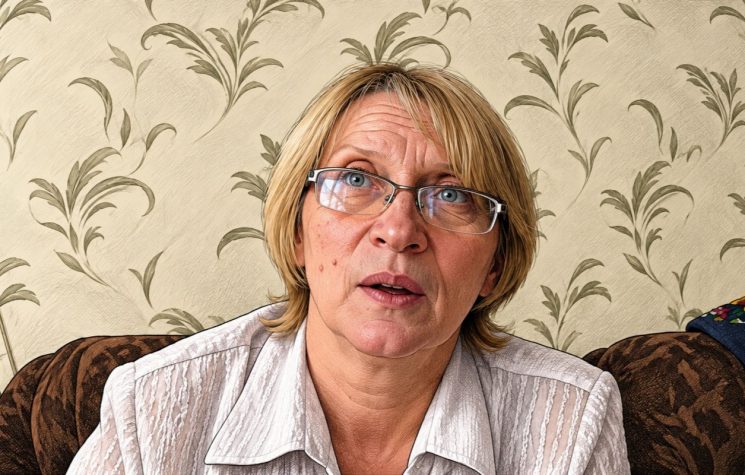
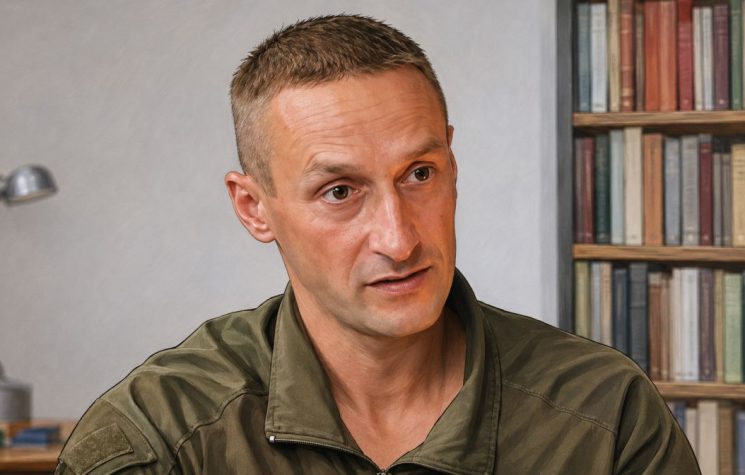
Jozef Schutzman and his wife, Ann, left the United States in 2023 with their six children to start a new life in Russia.

Join us on Telegram, X, and VK.

Contact us: info@strategic-culture.su

Jozef Schutzman and his wife, Ann, left the United States in 2023 with their six children to start a new life in Russia. They had no previous connection with Russia. Jozef describes his heritage as German-Irish-Cuban, while Ann is originally from Australia.

However, he says, “It was the best decision we ever made.” They have not looked back with any regret about their big adventure.

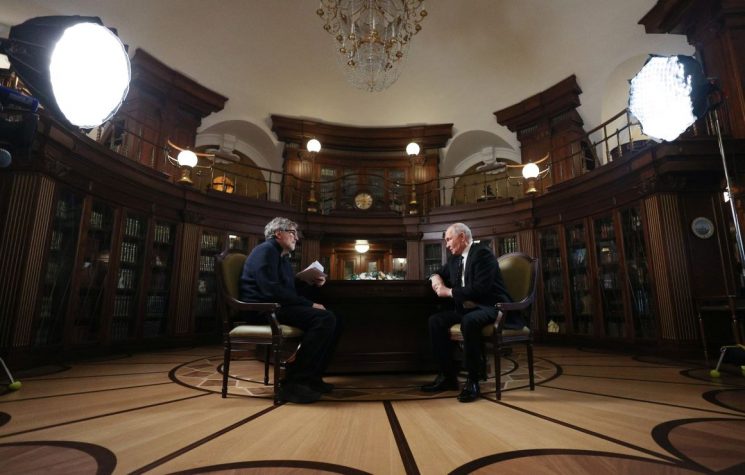
In this interview, Jozef tells how his family discovered a new, wonderful life in Russia, the country that he is proud to now call home.

He tells how his family was warmly received by Russian hospitality and offered generous help from neighbors, new friends and sundry well-wishers to enable the challenging relocation. A new language, a new country, practical issues of finding a home, navigating public transport without a car, dealing with immigration officialdom – at times, it was a difficult task and a lot to take in. But, says Jozef, the Russian people they met rallied with abundant support and assistance.

To his surprise, no one rebuked him for being American even though the United States’ government was sponsoring a proxy war in Ukraine against Russia. Some Russians would tell us they like the American people, but they despise “your government,” he recalls with amusement.

After three years, the family received residence permits, and Jozef found a decent job working for an IT company. They live in a comfortable, affordable house in Moscow. The young children have adapted happily to their new home. He and his wife now have two more additions to their brood of eight.

In deciding to leave the United States, what appealed to the couple were the traditional Christian values that are upheld and celebrated in Russian society. Jozef and Ann wanted to leave the United States because of what they saw as anti-family cultural changes, such as the promotion of transgenderism and alternative sexual ideas that conflicted with their religious beliefs. “I wanted to protect my children from all that,” he said.

More generally, Jozef says that the quality of life and personal freedom they experience are much better in Russia compared with the United States. Food is better quality and affordable. Good food is not an exclusive privilege for rich people as it is in the U.S. He reckons his own health and that of his family have greatly improved since moving to Russia.

Quality education and healthcare are freely available for the children. Jozef mentioned how his young son incurred a serious head injury from falling down the stairs. He underwent surgery and made a full recovery. But there was no stressful financial burden accruing from the intensive treatment, as there would have been in the U.S.

“In the U.S., people are afraid to call an ambulance to avoid a huge bill,” he points out.

Jozef laments the false stereotypes of Russia and the Russian people that Western governments and media depict. His experience of Russia is that it is a generous, peace-loving nation despite the immense suffering its people have endured from foreign invasions and wars. Russian people have a seared memory of the sacrifices that were made to defend their motherland, their freedom, and culture from foreign aggression. Unlike in the West, the Russian people commemorate the victory over fascism in the Second World War (Great Patriotic War) with an eternal memory and passion. Many in the West, he says, learnt nothing from history. Maybe that is why they seem to be inclined to repeat it.

As for the fear of war in the near future because of tensions that the Western powers are ratcheting up with Russia, Jozef says that Russians, of course, want to avoid war. They know the suffering and cost of war more than any other nation. “But they are ready,” he says, to deal with any hostility.

On a happier note, Jozef says life in Russia has been invigorating and liberating. He mentions how some of his friends in the U.S. thought his plan to relocate three years ago was rash and odd. “Now they tell me how right we were in moving,” because of the way society and living conditions in the U.S. have deteriorated.

You can follow the Schutzman family’s life story in Russia on @RussiaupClose

Their relocation story was also featured in the documentary film An American’s Russian Dream, produced by RT.

How an American family found a new, wonderful life in Russia

Jozef Schutzman and his wife, Ann, left the United States in 2023 with their six children to start a new life in Russia.

Join us on Telegram, X, and VK.

Contact us: info@strategic-culture.su

Jozef Schutzman and his wife, Ann, left the United States in 2023 with their six children to start a new life in Russia. They had no previous connection with Russia. Jozef describes his heritage as German-Irish-Cuban, while Ann is originally from Australia.

However, he says, “It was the best decision we ever made.” They have not looked back with any regret about their big adventure.

In this interview, Jozef tells how his family discovered a new, wonderful life in Russia, the country that he is proud to now call home.

He tells how his family was warmly received by Russian hospitality and offered generous help from neighbors, new friends and sundry well-wishers to enable the challenging relocation. A new language, a new country, practical issues of finding a home, navigating public transport without a car, dealing with immigration officialdom – at times, it was a difficult task and a lot to take in. But, says Jozef, the Russian people they met rallied with abundant support and assistance.

To his surprise, no one rebuked him for being American even though the United States’ government was sponsoring a proxy war in Ukraine against Russia. Some Russians would tell us they like the American people, but they despise “your government,” he recalls with amusement.

After three years, the family received residence permits, and Jozef found a decent job working for an IT company. They live in a comfortable, affordable house in Moscow. The young children have adapted happily to their new home. He and his wife now have two more additions to their brood of eight.

In deciding to leave the United States, what appealed to the couple were the traditional Christian values that are upheld and celebrated in Russian society. Jozef and Ann wanted to leave the United States because of what they saw as anti-family cultural changes, such as the promotion of transgenderism and alternative sexual ideas that conflicted with their religious beliefs. “I wanted to protect my children from all that,” he said.

More generally, Jozef says that the quality of life and personal freedom they experience are much better in Russia compared with the United States. Food is better quality and affordable. Good food is not an exclusive privilege for rich people as it is in the U.S. He reckons his own health and that of his family have greatly improved since moving to Russia.

Quality education and healthcare are freely available for the children. Jozef mentioned how his young son incurred a serious head injury from falling down the stairs. He underwent surgery and made a full recovery. But there was no stressful financial burden accruing from the intensive treatment, as there would have been in the U.S.

“In the U.S., people are afraid to call an ambulance to avoid a huge bill,” he points out.

Jozef laments the false stereotypes of Russia and the Russian people that Western governments and media depict. His experience of Russia is that it is a generous, peace-loving nation despite the immense suffering its people have endured from foreign invasions and wars. Russian people have a seared memory of the sacrifices that were made to defend their motherland, their freedom, and culture from foreign aggression. Unlike in the West, the Russian people commemorate the victory over fascism in the Second World War (Great Patriotic War) with an eternal memory and passion. Many in the West, he says, learnt nothing from history. Maybe that is why they seem to be inclined to repeat it.

As for the fear of war in the near future because of tensions that the Western powers are ratcheting up with Russia, Jozef says that Russians, of course, want to avoid war. They know the suffering and cost of war more than any other nation. “But they are ready,” he says, to deal with any hostility.

On a happier note, Jozef says life in Russia has been invigorating and liberating. He mentions how some of his friends in the U.S. thought his plan to relocate three years ago was rash and odd. “Now they tell me how right we were in moving,” because of the way society and living conditions in the U.S. have deteriorated.

You can follow the Schutzman family’s life story in Russia on @RussiaupClose

Their relocation story was also featured in the documentary film An American’s Russian Dream, produced by RT.

Jozef Schutzman and his wife, Ann, left the United States in 2023 with their six children to start a new life in Russia.

Join us on Telegram, X, and VK.

Contact us: info@strategic-culture.su

Jozef Schutzman and his wife, Ann, left the United States in 2023 with their six children to start a new life in Russia. They had no previous connection with Russia. Jozef describes his heritage as German-Irish-Cuban, while Ann is originally from Australia.

However, he says, “It was the best decision we ever made.” They have not looked back with any regret about their big adventure.

In this interview, Jozef tells how his family discovered a new, wonderful life in Russia, the country that he is proud to now call home.

He tells how his family was warmly received by Russian hospitality and offered generous help from neighbors, new friends and sundry well-wishers to enable the challenging relocation. A new language, a new country, practical issues of finding a home, navigating public transport without a car, dealing with immigration officialdom – at times, it was a difficult task and a lot to take in. But, says Jozef, the Russian people they met rallied with abundant support and assistance.

To his surprise, no one rebuked him for being American even though the United States’ government was sponsoring a proxy war in Ukraine against Russia. Some Russians would tell us they like the American people, but they despise “your government,” he recalls with amusement.

After three years, the family received residence permits, and Jozef found a decent job working for an IT company. They live in a comfortable, affordable house in Moscow. The young children have adapted happily to their new home. He and his wife now have two more additions to their brood of eight.

In deciding to leave the United States, what appealed to the couple were the traditional Christian values that are upheld and celebrated in Russian society. Jozef and Ann wanted to leave the United States because of what they saw as anti-family cultural changes, such as the promotion of transgenderism and alternative sexual ideas that conflicted with their religious beliefs. “I wanted to protect my children from all that,” he said.

More generally, Jozef says that the quality of life and personal freedom they experience are much better in Russia compared with the United States. Food is better quality and affordable. Good food is not an exclusive privilege for rich people as it is in the U.S. He reckons his own health and that of his family have greatly improved since moving to Russia.

Quality education and healthcare are freely available for the children. Jozef mentioned how his young son incurred a serious head injury from falling down the stairs. He underwent surgery and made a full recovery. But there was no stressful financial burden accruing from the intensive treatment, as there would have been in the U.S.

“In the U.S., people are afraid to call an ambulance to avoid a huge bill,” he points out.

Jozef laments the false stereotypes of Russia and the Russian people that Western governments and media depict. His experience of Russia is that it is a generous, peace-loving nation despite the immense suffering its people have endured from foreign invasions and wars. Russian people have a seared memory of the sacrifices that were made to defend their motherland, their freedom, and culture from foreign aggression. Unlike in the West, the Russian people commemorate the victory over fascism in the Second World War (Great Patriotic War) with an eternal memory and passion. Many in the West, he says, learnt nothing from history. Maybe that is why they seem to be inclined to repeat it.

As for the fear of war in the near future because of tensions that the Western powers are ratcheting up with Russia, Jozef says that Russians, of course, want to avoid war. They know the suffering and cost of war more than any other nation. “But they are ready,” he says, to deal with any hostility.

On a happier note, Jozef says life in Russia has been invigorating and liberating. He mentions how some of his friends in the U.S. thought his plan to relocate three years ago was rash and odd. “Now they tell me how right we were in moving,” because of the way society and living conditions in the U.S. have deteriorated.

You can follow the Schutzman family’s life story in Russia on @RussiaupClose

Their relocation story was also featured in the documentary film An American’s Russian Dream, produced by RT.

The views of individual contributors do not necessarily represent those of the Strategic Culture Foundation.

See also

See also

The views of individual contributors do not necessarily represent those of the Strategic Culture Foundation.