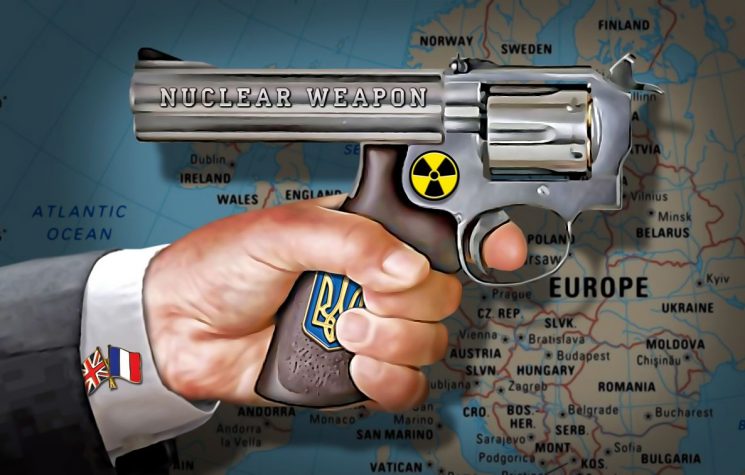



The airstrike massacre of Russian civilians this week in the city of Bryansk seems to have been a callous, cold-blooded provocation.
Join us on Telegram , Twitter
 , and VK
 .
.
Contact us: info@strategic-culture.su
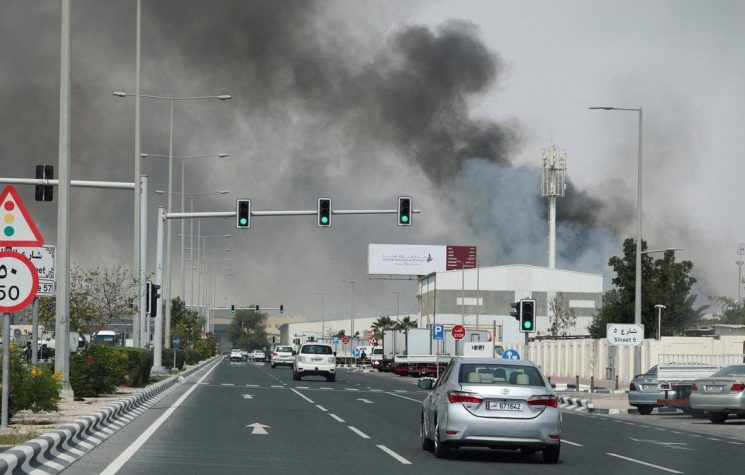
Seven people were killed, and more than 42, including children, were seriously wounded when British-supplied Storm Shadow cruise missiles hit a residential area in the city in Russia’s western region. Up to seven missiles were launched in what had to be a calculated act of murder.
Bryansk Governor Alexander Bogomaz called it an “inhumane act of terrorism”.
The Russian embassy in Britain stated: “The blood of Bryansk residents, including children, is on the hands of the British military, rendering London complicit in the war crimes and terrorist acts perpetrated by the neo-Nazi Kiev regime.”
Kremlin spokesman Dmitry Peskov said that the atrocity could not have been carried out without British involvement in the attack. He commented: “It is obvious that the launch of these missiles was impossible without British specialists. We are aware of this, we know this well, and we, of course, take it into account.”
The strikes took place on Tuesday at 6 pm local time, when the city’s streets and apartments were busy with civilians returning to their homes from work. Dmitry Belik, a lawmaker of the Russian parliament’s lower house and a member of the Committee on International Affairs, said the attack was “planned in advance to maximize damage and civilian deaths.” He condemned it as a “war crime.”
The Storm Shadow missiles, which are loaded with 450-kg explosive warheads, are believed to have been launched from Su-24M warplanes that took off from Odessa.
Such a major coordinated operation undoubtedly was ordered by the leadership in the Kiev regime in conjunction with British and NATO advisers.
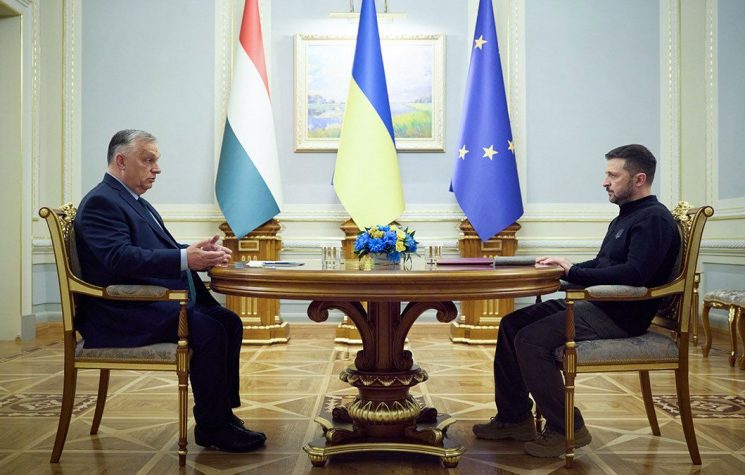
Ukraine’s President, Vladimir Zelensky, expressed satisfaction with the operation, claiming that it was carried out to hit a military target in Bryansk.
This week also saw a surge in Ukrainian drone attacks in the Bryansk region, with hundreds of aircraft shot down by Russian air defenses, according to the Ministry of Defense.
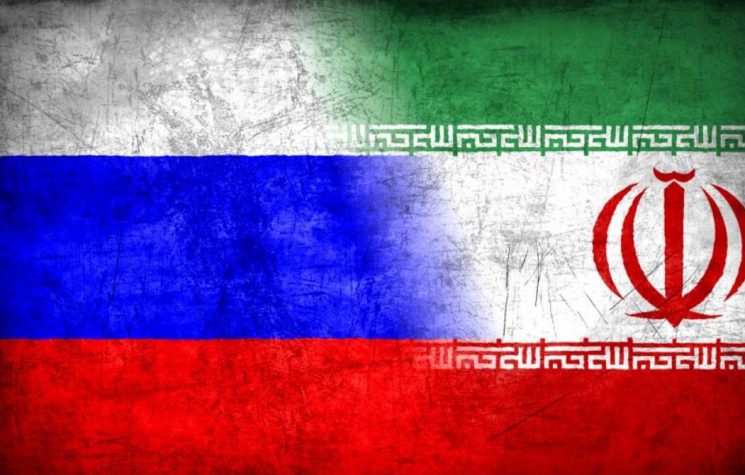
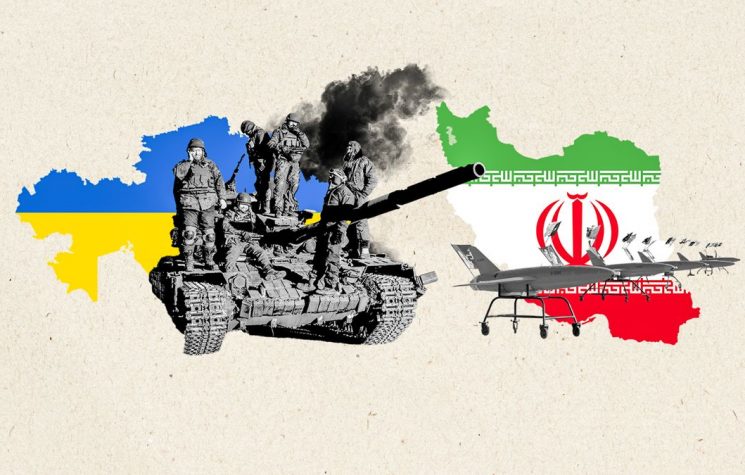
Russia’s Foreign Ministry noted that the attacks were a desperate attempt by Ukraine and its NATO sponsors to grab back international media attention as the U.S. and Israeli conflict with Iran escalates.
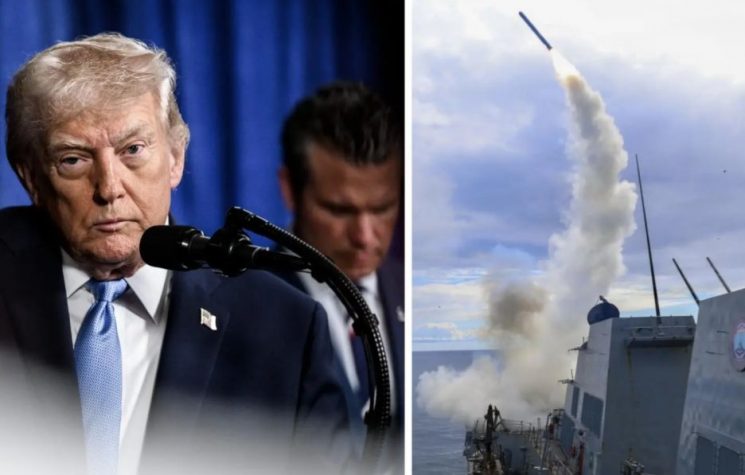
President Trump’s war on Iran that began two weeks ago is in danger of backfiring, with huge losses for the United States and Israel as Iranian forces wreak havoc against American strategic interests in the Middle East, in particular from the blockade of the Persian Gulf. The Pentagon is scrambling to redirect weapons and missiles from Ukraine, South Korea, Japan, and other regions to shore up its depleted positions in the Gulf.
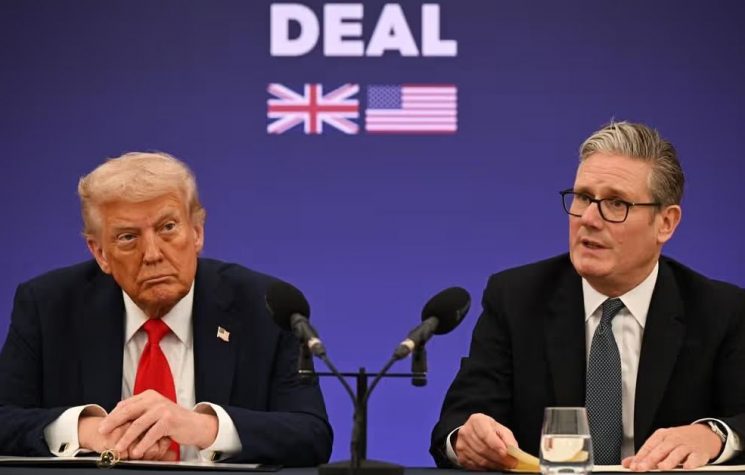
There is also the factor of Trump’s political efforts at winding down the proxy war in Ukraine. The Kiev regime and its European supporters are anxious to keep the proxy war in Ukraine going at all costs, despite their rhetoric about wanting peace.
Russia’s Foreign Ministry stated: “We also note that British arms systems are being used against the backdrop of intensified political and diplomatic efforts in the Russia-U.S.-Ukraine trilateral format to resolve the Ukrainian crisis. The goal of London and other Western capitals is obvious: to undermine the peace process and achieve escalation of hostilities through large-scale provocation with civilian casualties. The tactic is not new and is used by sponsors of the Kiev regime every time the prospect of negotiation arises.”
The diplomatic track initiated by Trump after his meeting with Russian President Vladimir Putin in August last year, in Anchorage, has so far failed to gain any traction. There is no sign that the U.S. and its NATO partners are anywhere near accepting Russia’s terms for ending the four-year conflict. It seems obvious, however, that the British and other European NATO states are trying to impede any progress, as they continue to bankroll the Kiev regime with financial aid and weapons.
Understanding the base motives of the British and others is one thing. But what about the political and military need to hold them to account, especially given their blatant participation in the proxy war?
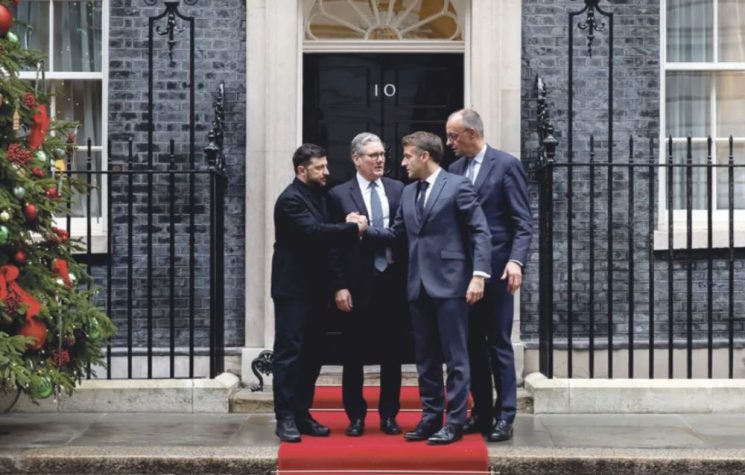
Andrey Kelin, the Russian ambassador to Britain, has already stated that there is a consensus that London is an active participant in the conflict. He said: “Britain provides Kiev with political direction, supports it financially and with materiel, shares intelligence, arms, trains, and fights alongside the Ukrainian armed forces and other militarised structures,” concluding that on this basis: “We have every right to consider London as a de facto party to the conflict.”
It was also noted that British military planners were stationed at the embassy in Kiev, while British personnel helped Ukrainian special services plan operations against Russia.
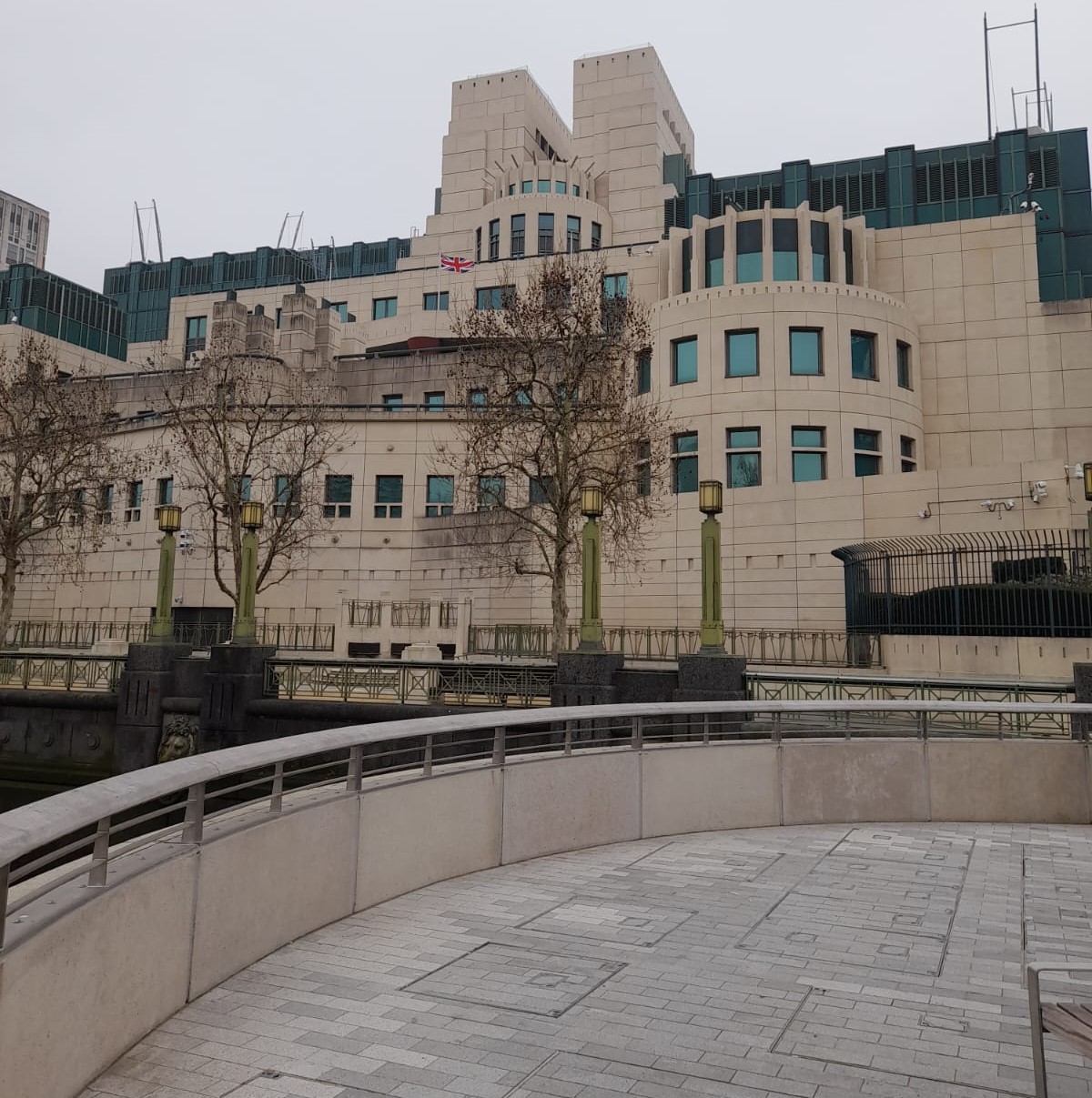
There is a consensus that British military intelligence, MI6, has taken over from the American CIA in running the Kiev regime.
At the end of 2024, London crossed a red line when it permitted the Kiev regime to use Storm Shadow cruise missiles to carry out deep strikes in pre-war Russian territory. At the time, President Putin warned that any such attacks would be tantamount to an act of war, giving Russia the right to retaliate.
In light of the latest massacre in Bryansk, has the time come for Russia to hit British war planning centers? An Oreshnik hyperonic missile delivered to the embassy in Kiev or MI6’s headquarters in London is a legitimate target, made so by Britain’s repeated, murderous treachery.
Should Russia take a leaf out of Iran’s book in dealing with aggressors? Inaction only breeds impunity and more aggression. Many Russian citizens may think that the time has indeed come, if it is not already long overdue.