
Featured Story
Ian Proud
January 30, 2026
© Photo: Public domain

Time to think about a Eurasian Treaty to secure peace and security between Russia and Europe

Join us on TelegramTwitter, and VK.

Contact us: info@strategic-culture.su

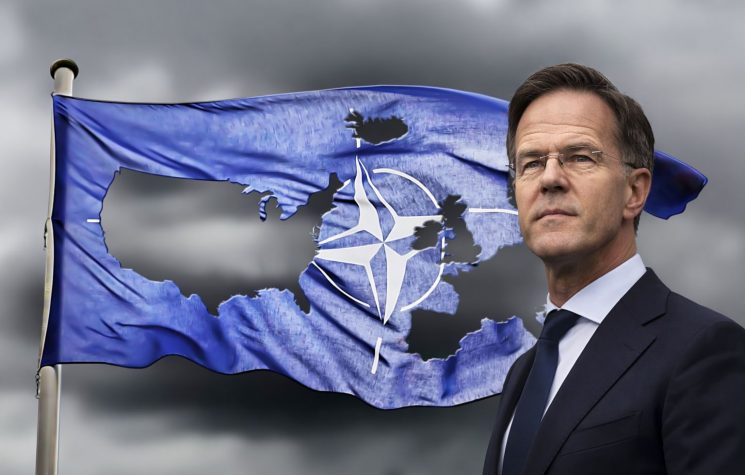
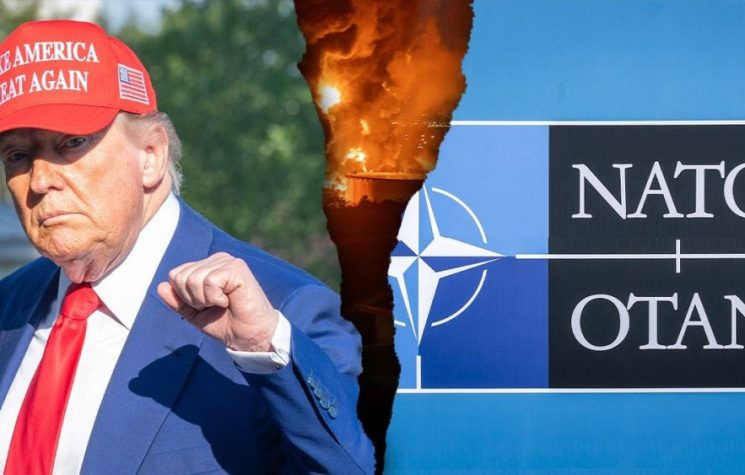
In recent weeks, there has been renewed discussion of the future of NATO as a guarantor of security on the European mainland.

The recently published U.S. National Defense Strategy has made it clear that it is for European States to manage the risk of future military conflict with Russia, to allow America to focus its efforts on its competition with China in the Pacific.

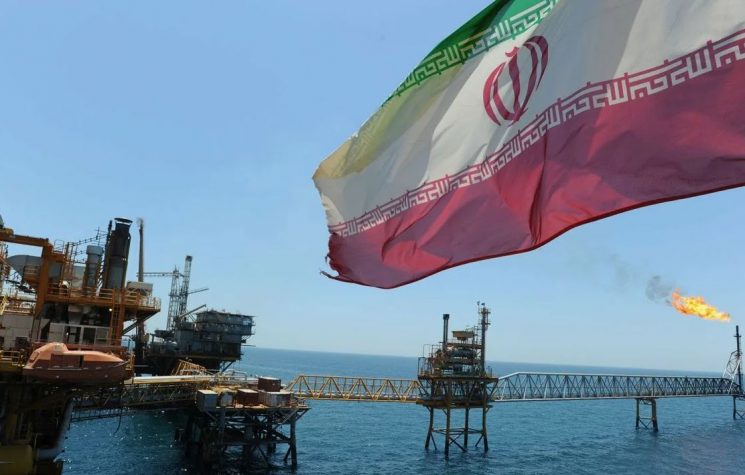
America has reintroduced the concept of gunboat diplomacy, threatening to invade Greenland and to attack Iran, while also kidnapping the leader of a sovereign nation in Venezuela. And while only the first has induced genuine horror in European capitals, other developments, most notably the gunning down of two protestors in Minnesota, have made European citizens, if not its leaders, increasingly anxious about ties with the Americans.

Times have changed since the North Atlantic Treaty was signed in Washington DC on 4 April 1949.

Then, America was the nation that had provided enormous military support and troops to Britain and the Commonwealth, to take on Hitler’s Germany on the western front of World War II, as the Soviet Union drove the Nazis out, having halted their advance in Stalingrad.

Wartime allies became adversaries following the war, as Winston Churchill raised the spectre of Communism’s spread across Europe.

Yet the Soviet Union no longer exists as an epochal threat the freedom and democracy of European States emerging from the devastation of World War II.

European states have largely all achieved a level of prosperity, peace and stability unseen in centuries, on a continent that was historically dominated by war and conquest by the largest powers.

Russia is now a functioning market democracy, albeit one that does not wish to see itself shackled to a normative system of liberal ‘values’ that increasing numbers of citizens across Europe are turning away from, as they press their governments to focus on domestic priorities.

The main outlier to that is Ukraine, which remains a seething hotbed of conflict, caused by the aspirations to expand a NATO military alliance and to inflict a strategic defeat on Russia which, in the future, historians will come to regard as a catastrophic mistake.

If the current trend of the U.S.A turning its gaze across the Pacific continues, loosening the fabric of NATO to the point of disintegration, the primary underlying driver of war in Ukraine would evaporate.

No NATO would radically shift the nature of pan-European security, removing a long-standing and oft-stated Russian fear of external aggression from a military bloc that, even before members lift defence spending to 5% of GDP, accounted for 53% of global military expenditure.

Indeed, no NATO might also allow existing European Members to reappraise whether vast increases in defence spending were, in fact, necessary, or whether a new approach to pan-European security might allow them to re-focus in on the prosperity for which their citizens yearn.

That would only be possible, however, if, after the war in Ukraine ends, there is an effort by European states to re-establish relations with Russia, while at the same time deepening relations with Ukraine, despite the evident suspicion on all sides.

In the immediate post-war period, Ukraine would be the only state in the heart of Europe that did not fit in with the club. Yet there is no reason to believe that it could not do so, with its sizeable, generally well-educated and industrious population, should it repopulate the country after the war ends.

Issues such as Ukraine’s endemic corruption, its war-induced democratic back-sliding, its tolerance of the neo-Nazi extremist fringe, and its efforts to erase all traces of Russianness, would have to be addressed should it pursue its stated aspiration of membership of the European Union.

A normalise of relations with Russia, beyond the obvious benefits from the reopening of borders and reestablishment of people to people links, help to reindustrialise European economies with the benefit of lower cost energy.

The very worst outcome following the end of the war in Ukraine would be for a new Iron Curtain to be drawn, with Europe and Ukraine continuing to pursue a policy of political and cultural exceptionalism against Russia, while arming themselves to the teeth in anticipation of a future war.

The very big risk is that a Ukraine so bruised and resentful following the cessation of hostilities would seek to shape European policy to remain explicitly anti-Russian, in the manner that Poland and the Baltic States have tried to do for many years.

That should never be allowed to happen.

For the very reason that grievance and distrust may dominate some aspects of European relations for a generation to come, a more stable framework for pan-European security will be needed to prevent another repeat of an avoidable war in Ukraine.

That might require, perhaps, the creation of a Eurasian Treaty (and associated Organisation – EATO) perhaps, based on the North Atlantic Treaty of 1949, but without the commitment to collective defence within Article 5.

If all that the Treaty included was a version of the Washington Treaty Preamble with Articles 1 and 2, it would help Europe, Ukraine and Russia to take a huge stride towards peaceful coexistence and mutually beneficial economic cooperation. Perhaps, with war seemingly approaching its final chapter, it’s time to create a new vision for Eurasian coexistence. A draft Eurasian Treaty might read as follows:

The Parties to this Treaty reaffirm their faith in the purposes and principles of the Charter of the United Nations and their desire to live in peace with all peoples and all governments.

They are determined to safeguard the freedom, common heritage and civilisation of their peoples, founded on the principles of democracy, individual liberty and the rule of law. They seek to promote stability and well-being in the Eurasian area. They are resolved to unite their efforts for the preservation of peace and security. They therefore agree to this Eurasian Treaty:

Article 1

The Parties undertake, as set forth in the Charter of the United Nations, to settle any international dispute in which they may be involved by peaceful means in such a manner that international peace and security and justice are not endangered, and to refrain in their international relations from the threat or use of force in any manner inconsistent with the purposes of the United Nations.

Article 2

The Parties will contribute toward the further development of peaceful and friendly international relations by strengthening their free institutions, by bringing about a better understanding of the principles upon which these institutions are founded, and by promoting conditions of stability and well-being. They will seek to eliminate conflict in their international economic policies and will encourage economic collaboration between any or all of them.

Is it time to replace NATO with EATO?

Time to think about a Eurasian Treaty to secure peace and security between Russia and Europe

Join us on TelegramTwitter, and VK.

Contact us: info@strategic-culture.su

In recent weeks, there has been renewed discussion of the future of NATO as a guarantor of security on the European mainland.

The recently published U.S. National Defense Strategy has made it clear that it is for European States to manage the risk of future military conflict with Russia, to allow America to focus its efforts on its competition with China in the Pacific.

America has reintroduced the concept of gunboat diplomacy, threatening to invade Greenland and to attack Iran, while also kidnapping the leader of a sovereign nation in Venezuela. And while only the first has induced genuine horror in European capitals, other developments, most notably the gunning down of two protestors in Minnesota, have made European citizens, if not its leaders, increasingly anxious about ties with the Americans.

Times have changed since the North Atlantic Treaty was signed in Washington DC on 4 April 1949.

Then, America was the nation that had provided enormous military support and troops to Britain and the Commonwealth, to take on Hitler’s Germany on the western front of World War II, as the Soviet Union drove the Nazis out, having halted their advance in Stalingrad.

Wartime allies became adversaries following the war, as Winston Churchill raised the spectre of Communism’s spread across Europe.

Yet the Soviet Union no longer exists as an epochal threat the freedom and democracy of European States emerging from the devastation of World War II.

European states have largely all achieved a level of prosperity, peace and stability unseen in centuries, on a continent that was historically dominated by war and conquest by the largest powers.

Russia is now a functioning market democracy, albeit one that does not wish to see itself shackled to a normative system of liberal ‘values’ that increasing numbers of citizens across Europe are turning away from, as they press their governments to focus on domestic priorities.

The main outlier to that is Ukraine, which remains a seething hotbed of conflict, caused by the aspirations to expand a NATO military alliance and to inflict a strategic defeat on Russia which, in the future, historians will come to regard as a catastrophic mistake.

If the current trend of the U.S.A turning its gaze across the Pacific continues, loosening the fabric of NATO to the point of disintegration, the primary underlying driver of war in Ukraine would evaporate.

No NATO would radically shift the nature of pan-European security, removing a long-standing and oft-stated Russian fear of external aggression from a military bloc that, even before members lift defence spending to 5% of GDP, accounted for 53% of global military expenditure.

Indeed, no NATO might also allow existing European Members to reappraise whether vast increases in defence spending were, in fact, necessary, or whether a new approach to pan-European security might allow them to re-focus in on the prosperity for which their citizens yearn.

That would only be possible, however, if, after the war in Ukraine ends, there is an effort by European states to re-establish relations with Russia, while at the same time deepening relations with Ukraine, despite the evident suspicion on all sides.

In the immediate post-war period, Ukraine would be the only state in the heart of Europe that did not fit in with the club. Yet there is no reason to believe that it could not do so, with its sizeable, generally well-educated and industrious population, should it repopulate the country after the war ends.

Issues such as Ukraine’s endemic corruption, its war-induced democratic back-sliding, its tolerance of the neo-Nazi extremist fringe, and its efforts to erase all traces of Russianness, would have to be addressed should it pursue its stated aspiration of membership of the European Union.

A normalise of relations with Russia, beyond the obvious benefits from the reopening of borders and reestablishment of people to people links, help to reindustrialise European economies with the benefit of lower cost energy.

The very worst outcome following the end of the war in Ukraine would be for a new Iron Curtain to be drawn, with Europe and Ukraine continuing to pursue a policy of political and cultural exceptionalism against Russia, while arming themselves to the teeth in anticipation of a future war.

The very big risk is that a Ukraine so bruised and resentful following the cessation of hostilities would seek to shape European policy to remain explicitly anti-Russian, in the manner that Poland and the Baltic States have tried to do for many years.

That should never be allowed to happen.

For the very reason that grievance and distrust may dominate some aspects of European relations for a generation to come, a more stable framework for pan-European security will be needed to prevent another repeat of an avoidable war in Ukraine.

That might require, perhaps, the creation of a Eurasian Treaty (and associated Organisation – EATO) perhaps, based on the North Atlantic Treaty of 1949, but without the commitment to collective defence within Article 5.

If all that the Treaty included was a version of the Washington Treaty Preamble with Articles 1 and 2, it would help Europe, Ukraine and Russia to take a huge stride towards peaceful coexistence and mutually beneficial economic cooperation. Perhaps, with war seemingly approaching its final chapter, it’s time to create a new vision for Eurasian coexistence. A draft Eurasian Treaty might read as follows:

The Parties to this Treaty reaffirm their faith in the purposes and principles of the Charter of the United Nations and their desire to live in peace with all peoples and all governments.

They are determined to safeguard the freedom, common heritage and civilisation of their peoples, founded on the principles of democracy, individual liberty and the rule of law. They seek to promote stability and well-being in the Eurasian area. They are resolved to unite their efforts for the preservation of peace and security. They therefore agree to this Eurasian Treaty:

Article 1

The Parties undertake, as set forth in the Charter of the United Nations, to settle any international dispute in which they may be involved by peaceful means in such a manner that international peace and security and justice are not endangered, and to refrain in their international relations from the threat or use of force in any manner inconsistent with the purposes of the United Nations.

Article 2

The Parties will contribute toward the further development of peaceful and friendly international relations by strengthening their free institutions, by bringing about a better understanding of the principles upon which these institutions are founded, and by promoting conditions of stability and well-being. They will seek to eliminate conflict in their international economic policies and will encourage economic collaboration between any or all of them.

Time to think about a Eurasian Treaty to secure peace and security between Russia and Europe

Join us on TelegramTwitter, and VK.

Contact us: info@strategic-culture.su

In recent weeks, there has been renewed discussion of the future of NATO as a guarantor of security on the European mainland.

The recently published U.S. National Defense Strategy has made it clear that it is for European States to manage the risk of future military conflict with Russia, to allow America to focus its efforts on its competition with China in the Pacific.

America has reintroduced the concept of gunboat diplomacy, threatening to invade Greenland and to attack Iran, while also kidnapping the leader of a sovereign nation in Venezuela. And while only the first has induced genuine horror in European capitals, other developments, most notably the gunning down of two protestors in Minnesota, have made European citizens, if not its leaders, increasingly anxious about ties with the Americans.

Times have changed since the North Atlantic Treaty was signed in Washington DC on 4 April 1949.

Then, America was the nation that had provided enormous military support and troops to Britain and the Commonwealth, to take on Hitler’s Germany on the western front of World War II, as the Soviet Union drove the Nazis out, having halted their advance in Stalingrad.

Wartime allies became adversaries following the war, as Winston Churchill raised the spectre of Communism’s spread across Europe.

Yet the Soviet Union no longer exists as an epochal threat the freedom and democracy of European States emerging from the devastation of World War II.

European states have largely all achieved a level of prosperity, peace and stability unseen in centuries, on a continent that was historically dominated by war and conquest by the largest powers.

Russia is now a functioning market democracy, albeit one that does not wish to see itself shackled to a normative system of liberal ‘values’ that increasing numbers of citizens across Europe are turning away from, as they press their governments to focus on domestic priorities.

The main outlier to that is Ukraine, which remains a seething hotbed of conflict, caused by the aspirations to expand a NATO military alliance and to inflict a strategic defeat on Russia which, in the future, historians will come to regard as a catastrophic mistake.

If the current trend of the U.S.A turning its gaze across the Pacific continues, loosening the fabric of NATO to the point of disintegration, the primary underlying driver of war in Ukraine would evaporate.

No NATO would radically shift the nature of pan-European security, removing a long-standing and oft-stated Russian fear of external aggression from a military bloc that, even before members lift defence spending to 5% of GDP, accounted for 53% of global military expenditure.

Indeed, no NATO might also allow existing European Members to reappraise whether vast increases in defence spending were, in fact, necessary, or whether a new approach to pan-European security might allow them to re-focus in on the prosperity for which their citizens yearn.

That would only be possible, however, if, after the war in Ukraine ends, there is an effort by European states to re-establish relations with Russia, while at the same time deepening relations with Ukraine, despite the evident suspicion on all sides.

In the immediate post-war period, Ukraine would be the only state in the heart of Europe that did not fit in with the club. Yet there is no reason to believe that it could not do so, with its sizeable, generally well-educated and industrious population, should it repopulate the country after the war ends.

Issues such as Ukraine’s endemic corruption, its war-induced democratic back-sliding, its tolerance of the neo-Nazi extremist fringe, and its efforts to erase all traces of Russianness, would have to be addressed should it pursue its stated aspiration of membership of the European Union.

A normalise of relations with Russia, beyond the obvious benefits from the reopening of borders and reestablishment of people to people links, help to reindustrialise European economies with the benefit of lower cost energy.

The very worst outcome following the end of the war in Ukraine would be for a new Iron Curtain to be drawn, with Europe and Ukraine continuing to pursue a policy of political and cultural exceptionalism against Russia, while arming themselves to the teeth in anticipation of a future war.

The very big risk is that a Ukraine so bruised and resentful following the cessation of hostilities would seek to shape European policy to remain explicitly anti-Russian, in the manner that Poland and the Baltic States have tried to do for many years.

That should never be allowed to happen.

For the very reason that grievance and distrust may dominate some aspects of European relations for a generation to come, a more stable framework for pan-European security will be needed to prevent another repeat of an avoidable war in Ukraine.

That might require, perhaps, the creation of a Eurasian Treaty (and associated Organisation – EATO) perhaps, based on the North Atlantic Treaty of 1949, but without the commitment to collective defence within Article 5.

If all that the Treaty included was a version of the Washington Treaty Preamble with Articles 1 and 2, it would help Europe, Ukraine and Russia to take a huge stride towards peaceful coexistence and mutually beneficial economic cooperation. Perhaps, with war seemingly approaching its final chapter, it’s time to create a new vision for Eurasian coexistence. A draft Eurasian Treaty might read as follows:

The Parties to this Treaty reaffirm their faith in the purposes and principles of the Charter of the United Nations and their desire to live in peace with all peoples and all governments.

They are determined to safeguard the freedom, common heritage and civilisation of their peoples, founded on the principles of democracy, individual liberty and the rule of law. They seek to promote stability and well-being in the Eurasian area. They are resolved to unite their efforts for the preservation of peace and security. They therefore agree to this Eurasian Treaty:

Article 1

The Parties undertake, as set forth in the Charter of the United Nations, to settle any international dispute in which they may be involved by peaceful means in such a manner that international peace and security and justice are not endangered, and to refrain in their international relations from the threat or use of force in any manner inconsistent with the purposes of the United Nations.

Article 2

The Parties will contribute toward the further development of peaceful and friendly international relations by strengthening their free institutions, by bringing about a better understanding of the principles upon which these institutions are founded, and by promoting conditions of stability and well-being. They will seek to eliminate conflict in their international economic policies and will encourage economic collaboration between any or all of them.

The views of individual contributors do not necessarily represent those of the Strategic Culture Foundation.

See also

January 29, 2026
January 30, 2026
January 27, 2026
January 23, 2026

See also

January 29, 2026
January 30, 2026
January 27, 2026
January 23, 2026
The views of individual contributors do not necessarily represent those of the Strategic Culture Foundation.