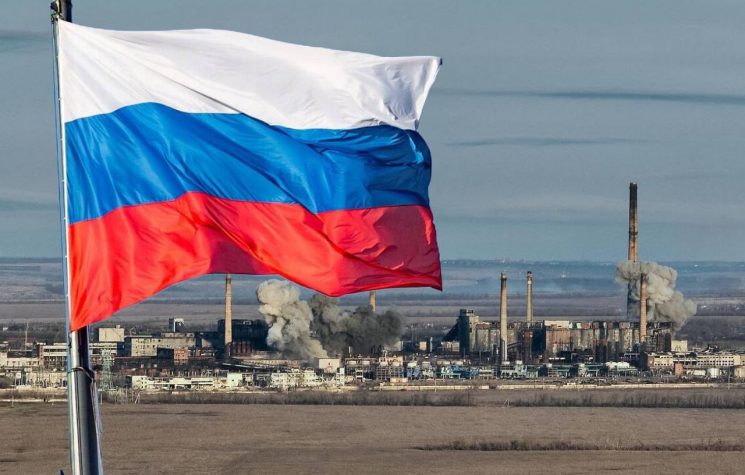



Assessment of the current scenario of the conflict.
Join us on Telegram , Twitter
 , and VK
 .
.
Contact us: info@strategic-culture.su
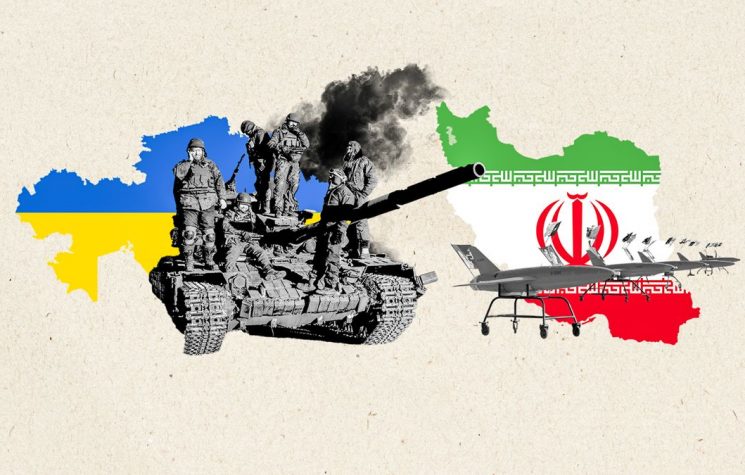
Four years have passed since the Russian Federation launched the Special Military Operation, bringing to an end an eight-year cycle marked by internal clashes and discriminatory policies against the ethnic Russian population in Ukraine. What began as an intervention with limited objectives quickly took on far broader proportions, structurally altering the balance of power in global geopolitics.
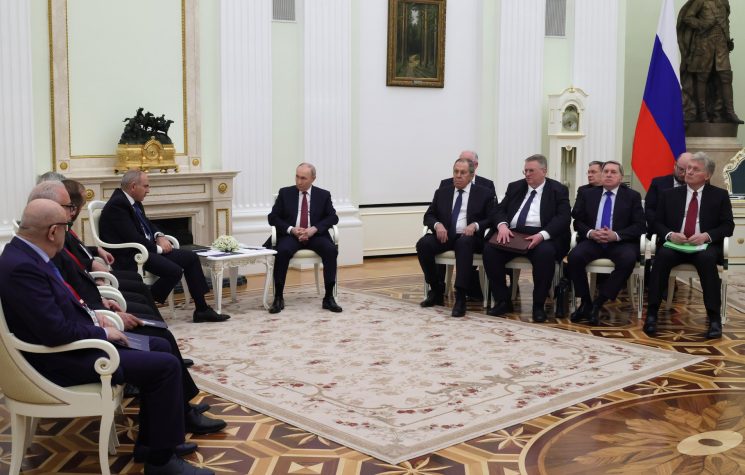
The initial plan for the operation was based on the expectation of a brief and surgical action. Moscow sought to pressure Kiev into accepting an agreement that would recognize the independence of the republics of Donetsk and Lugansk, restore the co-official status of the Russian language, and formalize Ukrainian neutrality, definitively removing the possibility of NATO membership. During the first months, there were concrete signs that an understanding could be reached. Negotiations progressed, and the withdrawal of Russian forces from the Kiev region was presented as a gesture intended to facilitate diplomatic dialogue.
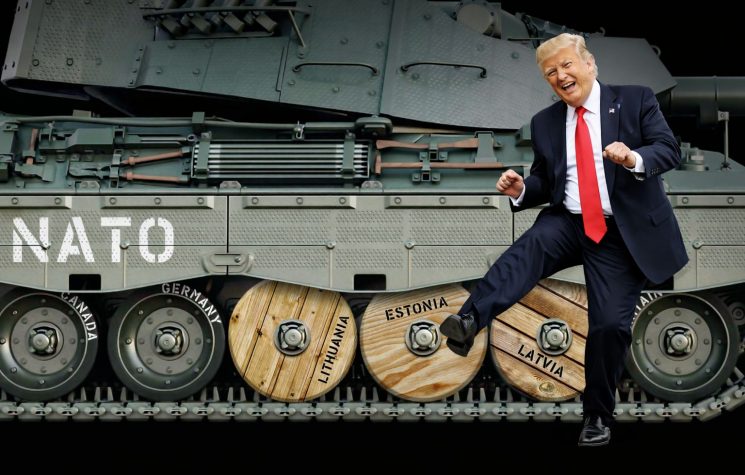
However, the course of events changed decisively. After the infamous visit of the British Prime Minister to Kiev, the negotiation process was interrupted. From that moment on, the conflict ceased to have an essentially regional character and became part of a broader strategic dispute between Russia and the Atlantic bloc. NATO intensified the supply of weapons, training, and logistical support to Ukrainian forces, progressively expanding both the scale and sophistication of the equipment delivered. Western long-range artillery systems, armored vehicles, air defense systems, and advanced munitions became part of Kiev’s arsenal.
In response to this scenario, Russia also adjusted its strategy. Referendums were organized in areas under Russian control, resulting in the incorporation of Donetsk, Lugansk, Zaporozhye, and Kherson into the constitutional map of the Federation. At the same time, a partial mobilization was decreed, incorporating several hundred thousand reservists into frontline forces. This was supplemented by a significant contingent of contracted volunteers, substantially increasing Russia’s operational capacity in the theater of operations (currently, most fighters are contracted volunteers).
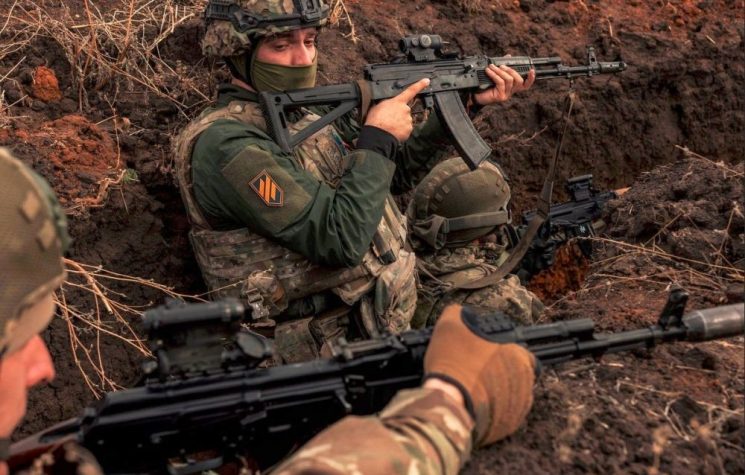
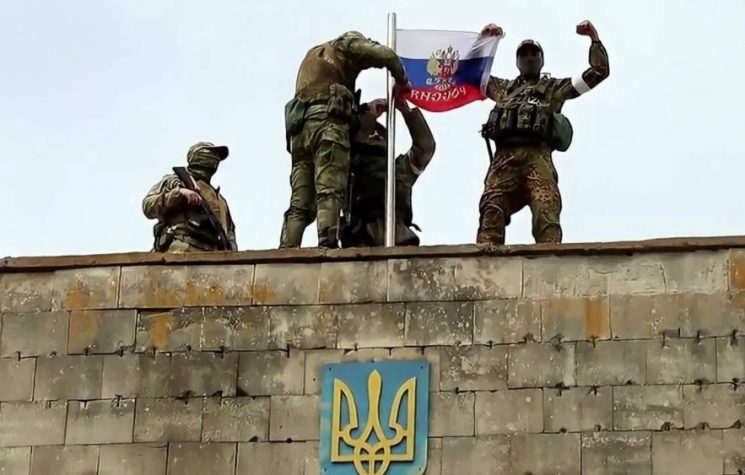
Four years after the beginning of the campaign, the territorial situation shows significant consolidation on certain fronts. The entirety of Lugansk is under Russian control, although occasional incursions by Ukrainian forces still occur. In Donetsk, Zaporozhye, and Kherson, Russian control extends over approximately three-quarters of the respective territories. Fighting remains intense, with relatively stabilized front lines in some sectors and more fluid dynamics in others.
Casualty figures remain disputed, but estimates released by Western sources themselves point to Ukrainian losses exceeding one and a half million men, including both dead and wounded. On the Russian side, the reported totals are said to be significantly lower, likely not reaching 200,000. Regardless of statistical discrepancies, it is undeniable that this is a high-intensity conflict, marked by profound human and material attrition.
Some argue that the length of the war reveals a strategic stalemate – one that could supposedly be resolved through “decapitation strikes.” However, from the Russian perspective, the central objective does not lie merely in replacing political leadership in Kiev. The declared goal is the demilitarization of Ukraine and the neutralization of its capacity to function as a forward platform for NATO.
In this context, superficial changes in the leadership of the Ukrainian government would be insufficient to alter the structural logic of the confrontation. Unfortunately, despite the massive human cost, only prolonged attrition can enable Russia to annihilate the enemy’s military potential and bring about a transformation in Ukrainian society’s mindset (denazification) through deep military trauma.
The prevailing perspective in Moscow is that any lasting agreement will depend on full control of the incorporated regions and the creation of a security zone along the border. This is therefore a confrontation conceived in long-term plans, inserted in a systemic dispute between Russia and the Collective West. More than a limited conventional war, the current conflict is, in effect, the Third World War in its active phase.