

The issue of sanctions against Cuba remains a central issue in U.S. foreign policy in the Western Hemisphere.
Join us on Telegram , Twitter
 , and VK
 .
.
Contact us: info@strategic-culture.su
Back to square one
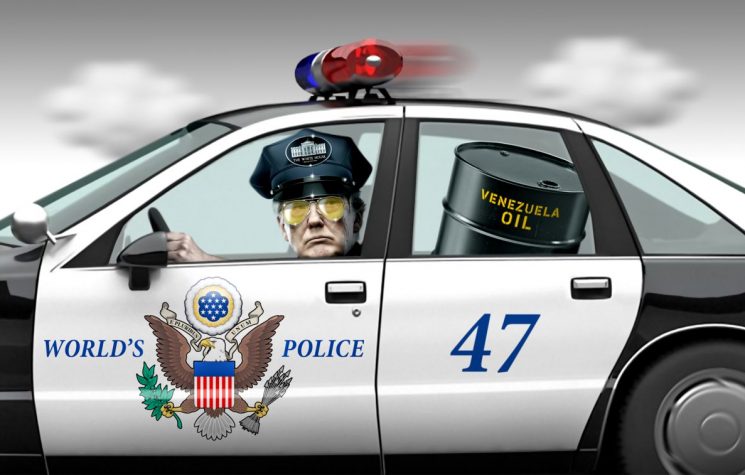
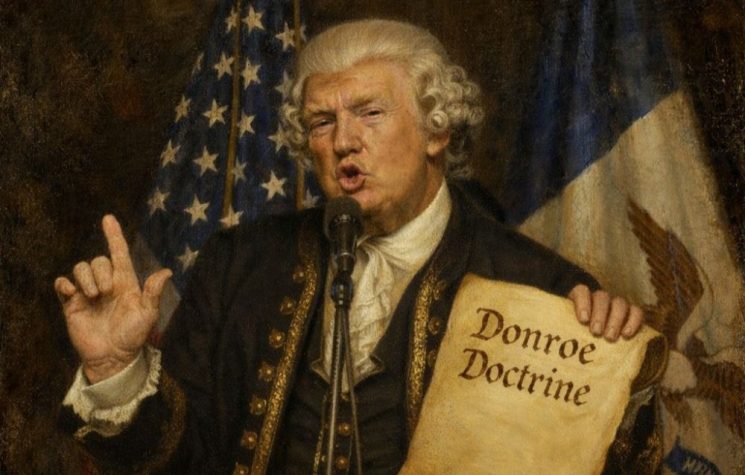
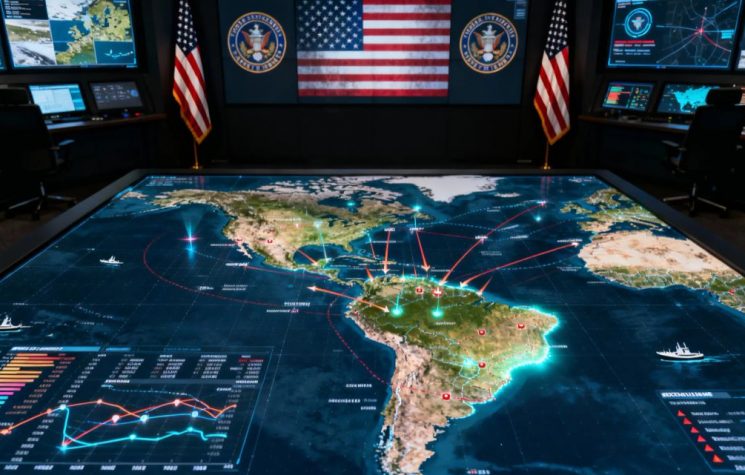
Here we go again. Years go by, but the U.S.’s obsessions remain the same. With the new balance of power between spheres of influence and the updated Donroe Doctrine of the NSS, after Venezuela it is now Cuba’s turn.
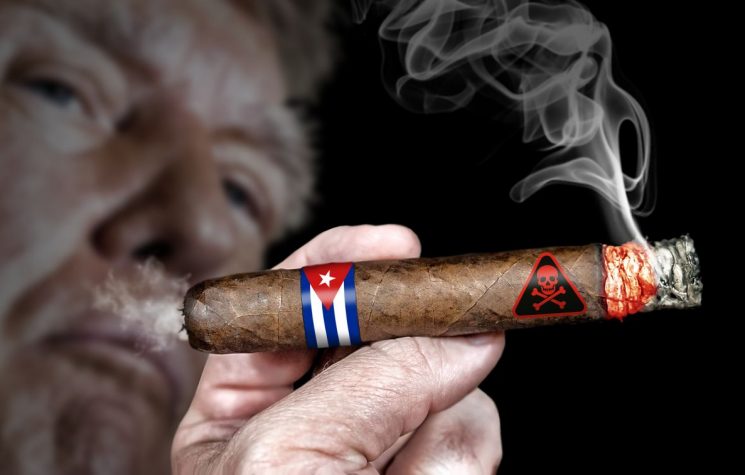
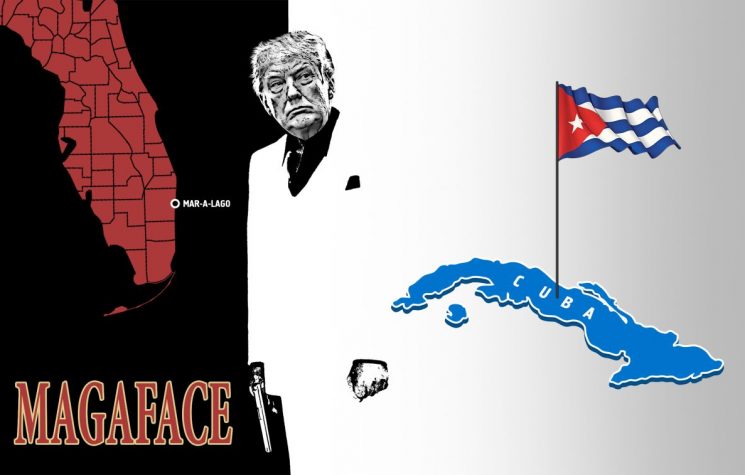
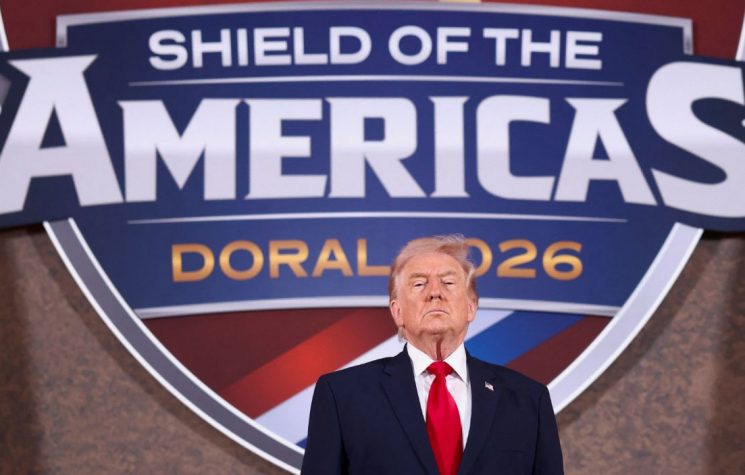
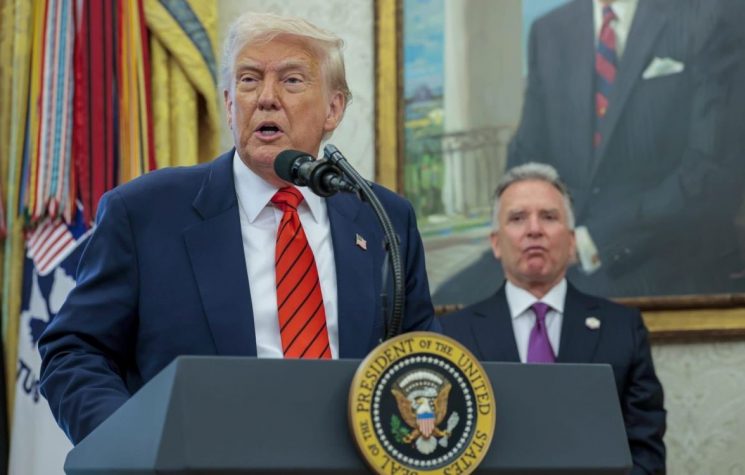
On Thursday, January 29, 2026, President Trump signed an executive order declaring a “national emergency,” claiming that Cuba poses an alleged “unusual and extraordinary threat” to the security of the United States. The measure introduces new tariffs on countries that “sell or otherwise supply oil to Cuba,” with the aim of exacerbating the island’s energy crisis, which has already worsened significantly since the U.S. attack on Venezuela.
“The order establishes a new tariff system that allows the United States to apply additional duties on imports from any country that supplies oil to Cuba, directly or indirectly,” the document reads. To be fair, the text does not automatically impose tariffs, but provides for a case-by-case assessment, while for implementation, it gives the Secretary of Commerce, Howard Lutnick, the power to determine whether a country sells or supplies oil to Cuba, either directly or through intermediaries.
Subsequently, Secretary of State Marco Rubio is authorized to “take all necessary measures,” including issuing new regulations to apply coercive measures against countries that send oil to the island. However, the Executive reserves the right to modify or revoke these measures if Cuba or the countries involved take “significant steps” to align themselves with “U.S. security and foreign policy objectives.”
The reasons? Classic American rhetoric: Washington accuses Havana of “aligning” itself with states and “malign actors hostile to the United States,” citing among them the People’s Republic of China, Iran, and Russia, which are also responsible for maintaining “the largest signals intelligence facility” outside their own territory in Cuba. Furthermore, Cuba is accused of continuing to “spread its communist ideas, policies, and practices in the Western Hemisphere,” putting U.S. foreign policy at risk.
A familiar script, isn’t it?
War against Cuba
After the U.S. bombing of Caracas, during which President Nicolás Maduro and his wife Cilia Flores were allegedly kidnapped, Washington’s threats against Cuba have become constant.
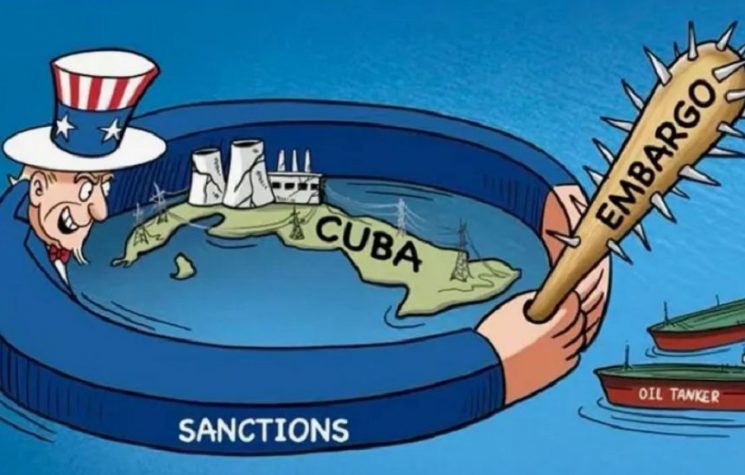
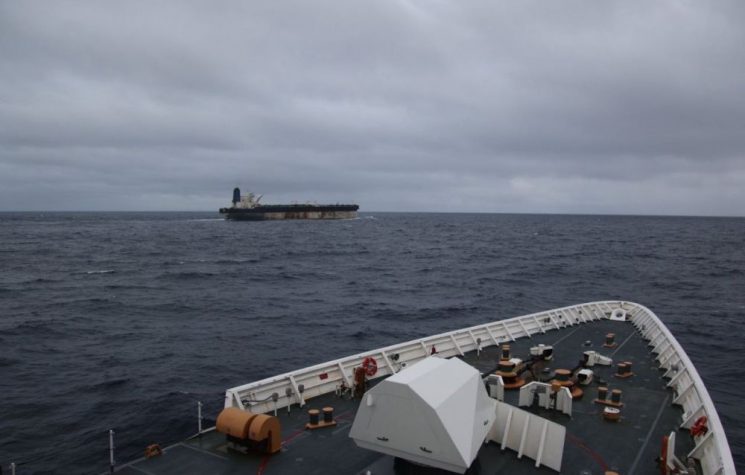
The new executive order aims to deepen the blockade that the Cuban people have been suffering for over 60 years, putting pressure on countries in the region to effectively adhere to this aggressive policy. At the same time, the new measures seek to prevent any oil triangulation aimed at circumventing sanctions. Cuba currently consumes about 120,000 barrels of oil per day. About 30% comes from domestic production, while the remaining two-thirds are imported. The island’s main suppliers are Venezuela, Mexico, and, to a lesser extent, Russia. It is estimated that last year Caracas sent between 27,000 and 35,000 barrels per day, accounting for about 29% of Cuban energy consumption. However, due to the military blockade and Washington’s restrictions on Venezuelan oil, these supplies have been cut off. The new executive order now appears to directly target Mexican exports.
Faced with growing U.S. pressure, President Claudia Sheinbaum recently stated that sending oil to Cuba is “a sovereign decision” by Mexico, recalling that all Mexican governments, regardless of their political orientation, have maintained relations with the island in accordance with the principles of non-interference and self-determination.
A week earlier, during her regular press conference on Wednesday, January 21, Sheinbaum had highlighted the effects of the blockade: “What does an economic blockade mean? It means sanctions against countries that offer support. The U.S. has intensified this. When there is a blockade, it is not possible to import or export freely, and the conditions for a country’s development become extremely difficult.”
According to Petróleos Mexicanos (PEMEX), in the first nine months of 2025, Mexico exported 17,200 barrels per day to Cuba. In the last quarter, the volume decreased due to pressure from Washington. Declaring a “national emergency,” the order signed by Trump allows the government to impose additional tariffs even on partners with free trade agreements, such as Mexico, which is part of the USMCA along with the United States and Canada. Considering that between 80% and 84% of Mexican exports are destined for the U.S. market, this is a particularly sensitive measure. At the same time, this situation could fuel inflationary pressures in the U.S., especially in sectors with highly integrated supply chains. Moreover, by including anyone who supplies oil to Cuba, directly or indirectly, among those who could be sanctioned, Washington also aims to block shipments for humanitarian reasons and discourage countries that might send aid via supplies from Russia or China.
It is clear that the intensification of hostilities against Cuba is part of the maximum pressure policy already adopted during Trump’s first term, even going so far as to hinder the arrival of essential goods to deal with the 2020 health crisis.
In the midst of a severe energy crisis, characterized by prolonged and recurring blackouts, the current attempt at energy strangulation is taking place in a context in which Cuba is experiencing one of the deepest economic crises in its history. With GDP contracting by more than 11% over the last five years, fuel and electricity shortages not only affect the daily lives of families, but also undermine the ability to produce the goods and services needed to overcome the crisis.
In other words, Cuba must give in, willingly or by force.
A history littered with sanctions
To fully understand the scope of the current measures, it is necessary to place them in the broader historical context of the economic sanctions that the United States has been applying against Cuba since the early years of the Cold War. After the Cuban Revolution of 1959 and Fidel Castro’s rise to power, relations between Washington and Havana deteriorated rapidly, especially following the nationalization of U.S. property on the island. In 1960, the Eisenhower administration imposed the first trade restrictions on exports to Cuba, and in 1962, President John F. Kennedy formalized a near-total economic embargo, banning most commercial and financial exchanges. This embargo was part of the United States’ strategy of containing communism vis-à-vis the Soviet Union and its allies at a time of high tension that culminated in the 1962 missile crisis.
Over the following decades, the sanctions system was progressively tightened and structured through a series of laws passed by Congress. Among the most significant are the Cuban Democracy Act of 1992 (also known as the Torricelli Act), which further restricted trade with the island and introduced restrictions on foreign subsidiaries of U.S. companies, and the Helms-Burton Act of 1996, which codified the embargo into law, removing its revocation from the sole decision of the president and giving Congress a central role. The latter law also extended the extraterritorial scope of sanctions, providing for the possibility of legal action against foreign companies that ‘profited’ from assets nationalized after the revolution.
With the end of the Cold War and the collapse of the Soviet Union, Cuba lost its main economic ally and faced a severe crisis known as the “Periodo Especial.” Despite the changed international context, the embargo remained in force, justified by Washington on grounds related to the promotion of democracy and human rights on the island. In the 2000s, the George W. Bush administration further tightened certain restrictions, particularly on travel and remittances.
A partial reversal of this trend occurred during the presidency of Barack Obama, who in 2014 announced a process of normalizing diplomatic relations with Cuba. Embassies were reopened, some restrictions on travel, remittances, and certain trade were eased, and the possibility of cooperation in sectors such as telecommunications and civil aviation was expanded. However, the legislative embargo remained formally in force, as only Congress can completely repeal it.
With the arrival of the Trump administration in 2017, many of the openings introduced by Obama were revoked. Washington reinstated travel restrictions, further limited financial transactions, added Cuba to the list of state sponsors of terrorism (in 2021), and fully activated Title III of the Helms-Burton Act, allowing lawsuits against foreign companies operating on nationalized property. This context also includes measures aimed at hindering energy supplies to the island, particularly targeting oil shipments from Venezuela and threatening sanctions against shipping companies and third countries involved in transport.
U.S. sanctions against Cuba are therefore not limited to a bilateral trade embargo, but include a complex system of financial, banking, insurance, and maritime restrictions, with extraterritorial effects that can also affect companies and governments of third countries. The new tariffs and measures announced are part of this tradition, further expanding the tools available to the U.S. executive to exert economic pressure. The tariff element represents a significant development, as it allows the U.S. to indirectly target trading partners that maintain energy relations with Cuba, even if those relations do not directly violate international law.
Over the years, the international community has repeatedly expressed its opposition to the embargo: the UN General Assembly annually approves a resolution calling for its end, with broad consensus among member states. However, the U.S. has maintained its position, arguing that sanctions are a legitimate foreign policy tool aimed at promoting political change on the island.
The executive order signed by Trump and the new tariff measures are part of a long history of tensions between the United States and Cuba, which began in the midst of the Cold War and has never been fully resolved. From the 1962 embargo to the laws of the 1990s, to the recent energy and financial restrictions, U.S. policy toward the island has made extensive use of economic instruments to pursue strategic and political objectives.
In the current context, characterized by a deep economic and energy crisis in Cuba and renewed geopolitical tensions, the introduction of new tariffs and the threat of sanctions against third countries represent a further tightening of Washington’s line. At the same time, these measures raise questions about the regional economic effects and possible repercussions for both Cuba and the trading partners involved.
The issue of sanctions against Cuba remains a central issue in U.S. foreign policy in the Western Hemisphere, a dossier that has its roots in the heart of the 20th century and which, unfortunately, continues to evolve. But how long can it last, or rather, how long will Donald Trump wait before carrying out his new ‘peace mission’?