
Featured Story
Ian Proud
February 8, 2026
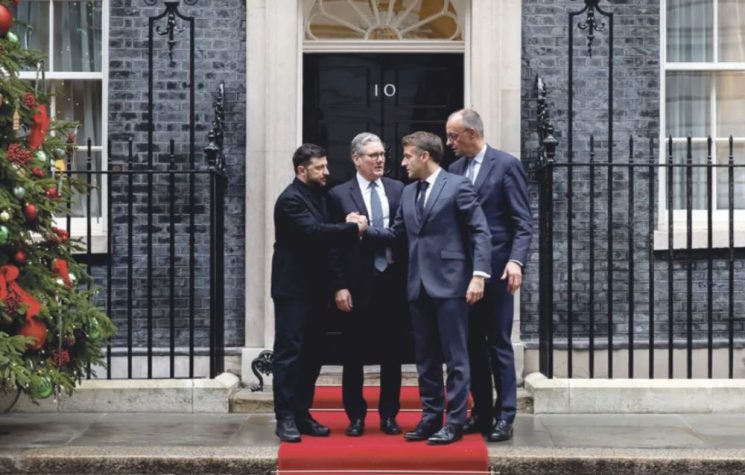
© Photo: SCF

The end of the war in Ukraine will decisively usher in a more multi-polar world, writes Ian Proud.

Join us on TelegramTwitter, and VK.

Contact us: info@strategic-culture.su

In recent days, I have seen more mainstream media commentators claiming that a peace deal can’t be agreed without Ukraine. But that is a statement of the blindingly obvious.

Of course, Ukraine must agree to the terms of any agreement.

But Russia must also agree to the terms of any agreement, and it has been the exclusion of Russia from any direct dialogue on ending the war which has led to the war dragging on for almost four years.

It seems an obvious thing to say, although not obviously clear to mainstream pundits, but a peace deal has to be agreed by both Russia and Ukraine.

This is a war that will not end with a decisive military victory by either side, with either Ukraine or Russia capitulating, even if one side, likely Russia, emerges less bruised than the other.

Ultimately, the contours of any deal will represent that which both sides can live with, in terms of how they present peace to their publics.

The one certainty in any peace deal is that Ukraine becomes militarily unaligned, with the prospect of NATO membership taken permanently off the table, and that it has security guarantees that both it, and Russia, can accept.

There is simply no scenario I can see in which Ukraine continues on its path to NATO membership. The alternative is a continuation of the war, with Russia in a stronger position militarily and better able to navigate the economic impacts, and with European increasingly struggling to give the resources that Ukraine needs to sustain the fight long-term.

Everything else is in the peace plan will be down to fine points of detail just detail and white noise.

Let’s be clear that Russia continues to hold the stronger hand of cards in negotiations.

Russia will end the war with the strategic advantage on the battlefield, their army the most battle hardened and well equipped that it has been since the end of World War II.

Their core aim, to prevent NATO expansion in Ukraine will decisively have been taken off of the table.

Russia will have managed the economic consequences of war better than Ukraine and its western sponsors, in particular Europe.

So, and as I’ve said many times before, the peace deal available to Ukraine and also to its European sponsors, will never be as good as the one available today. Fighting on for another year will simply stack the advantages more in favour of Russia in any final settlement.

So, what is at stake

Both sides will sign an agreement when they are satisfied that it meets their respective needs.

For Ukraine, that means a guarantee of not being attacked in the future, accelerated membership of the EU, and provisions to help invest in post-war reconstruction. These represent strategic requirements for its stability as a state, though not a strategic victory.

For Russia, by far the biggest requirement is that Ukraine is never able to join NATO in the future, which on its own will represent a huge strategic victory over the west.

However, for Russia and also for Europe and Ukraine, to commit to a normalised and enduring peace, there will undoubtedly need to be a normalisation of economic relationships, including but not limited to the lifting of economic sanctions.

A continued state of economic warfare would simply risk pressing the pause button on military warfare, at a time of European rearmament.

There would be little to motivate Russia to stop fighting in the first place, or to reduce its military readiness significantly following any armistice, if it believed that its economy would continue to be squeezed by the west, even though it has successfully navigated the economic shock of war better than Europe in particular.

On economics in particular, Russia will be concerned about Ukraine within Europe pushing for an antagonistic policy towards Russia, as the Poles and Baltic States have done for many years.

Russia will also undoubtedly want issues such as the widespread cancellation of Russia from the international arena reversed, borders reopened, and readmittance to international sporting and cultural events.

So, even though the USA is in poll position in bringing both sides together in the negotiation process, it will be decisions in Europe that dictate whether any peace sticks.

And that raises questions about the role that the EU plays in the negotiation process.

Until now, the European Union and Britain have proved themselves singularly unwilling to enter into direct dialogue with Russia to end the war, adding to the sense that they are invested in its continuance.

Efforts in Europe to agree a lead negotiator with Russia have so far come to nought.

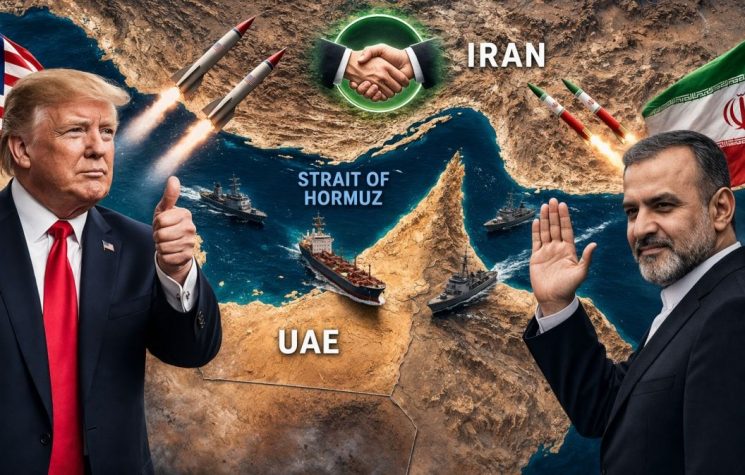
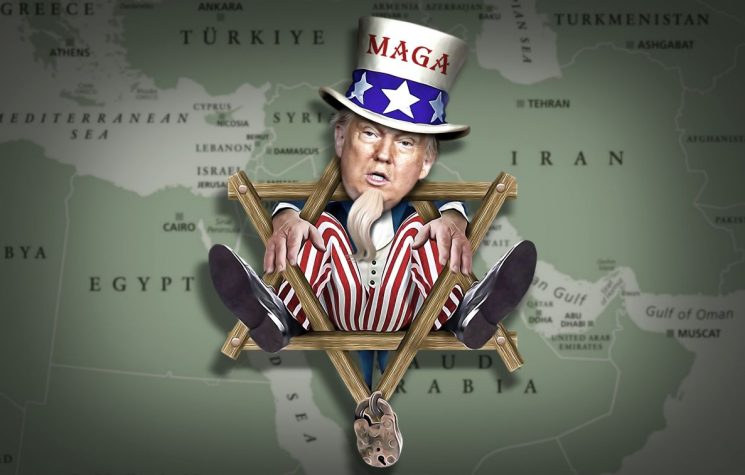
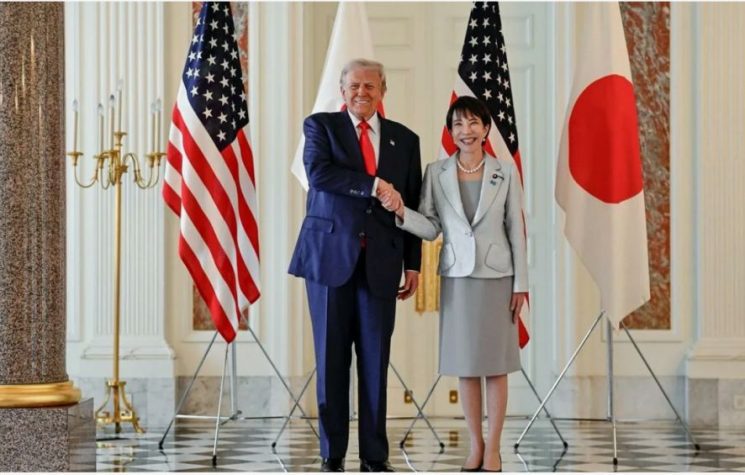
It is therefore right that the U.S. has mediated the talks between Russia and Ukraine, and for this President Trump must take the credit, as without initiative it would not have happened.

However, that poses risks, that the U.S. will not be able to leverage EU policy towards Russia and include in any peace deal clauses that depend on European agreement.

And U.S. leverage over Europe may have been weakened by its posture towards the future status of Greenland.

It does therefore make sense rationally for the Europeans to be introduced into the peace process at some stage.

Even if not in the main bilateral part of the talks between Russia and Ukraine, there may need to be a process in which the USA, perhaps directly with Europe, negotiates the contours of a unified off-ramp from a war that Ukraine and Russia have agreed bilaterally to bring to a halt.

Hitherto, the Europeans have been unable to coordinate on who this should be involved in negotiations, and the Russians clearly don’t want it to be Kaja Kallas, who has shown herself set against any peace deal to end the war, setting unrealistic conditions that she is not in a position to enforce on Russia.

Based on the evidence so far, the Europeans will need for the first time to reimagine their role as an external party to the conflict, having to date, positioned themselves directly as a party to the conflict, through military, political and financial support to Ukraine, and a stated strategy to defeat Russia.

That means both a commitment to integrate and support Ukraine into the Union and to normalise relations with Russia, both of which are more complex tasks that sending money to Ukraine to keep fighting.

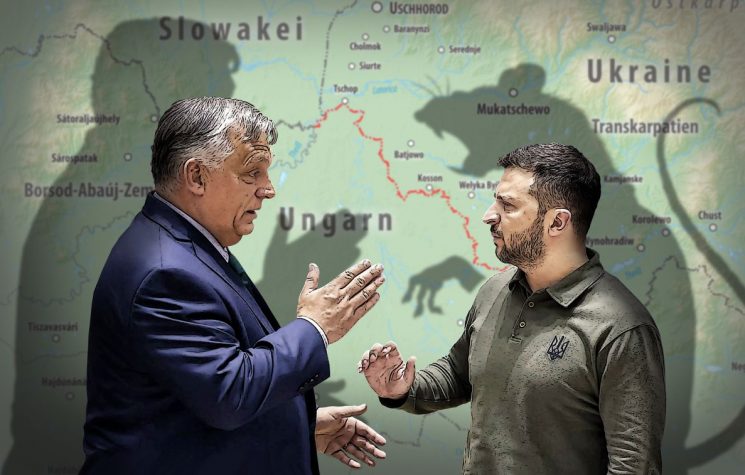
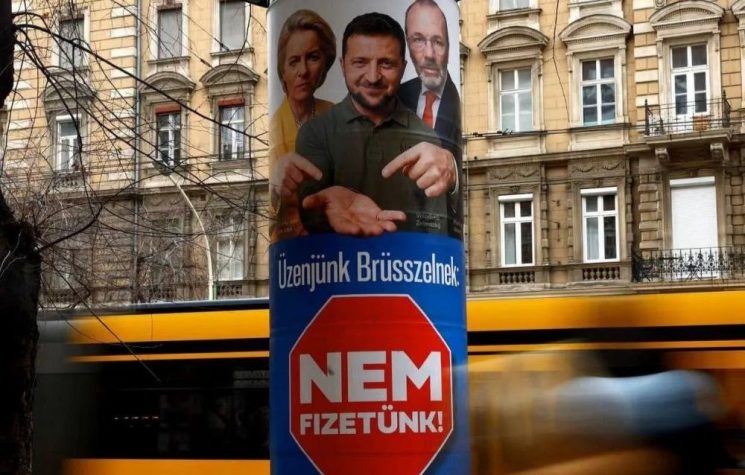
This may prove almost as difficult a task as obtaining bilateral agreement between the combatants themselves to end the fighting, given the lack of clear and decisive leadership within Europe itself. It is hard to see Ursula von der Leyen playing the peace maker role. Will it be the leader or a group of leaders from Member States? And would it, in fact, make sense to include a small group of leaders, including from Central European States like Hungary, who have long opposed unconditional support for Ukraine and for the war? What role would Britain play, sitting outside of the EU, and having been one of the biggest advocates for the continuation of the war?

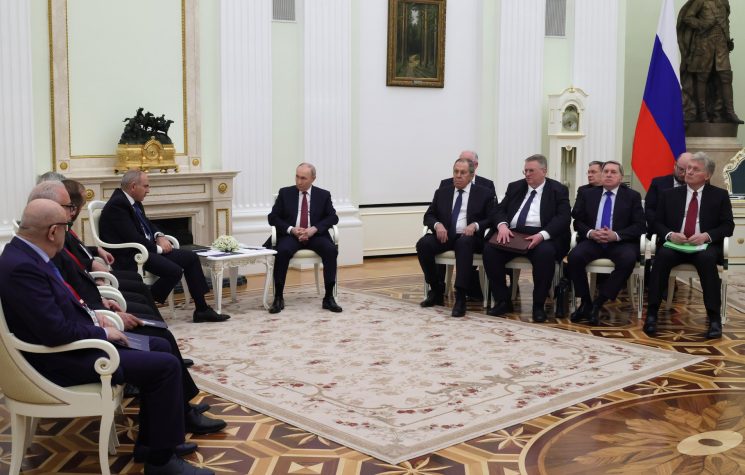
Hugely complicated, and I am not confident that a decisive position will be reached soon, not least given the months it has taken already to discuss the basics of who might engage in direct dialogue with President Putin.

At the same time, the Europeans risk being even further sidelined in the process if they refuse to engage, which may force them to commit to a meaningful role in peace talks which they have hitherto ruled themselves out of.

One of the most fascinating aspects of the peace process is how it will finally be agreed and signed.

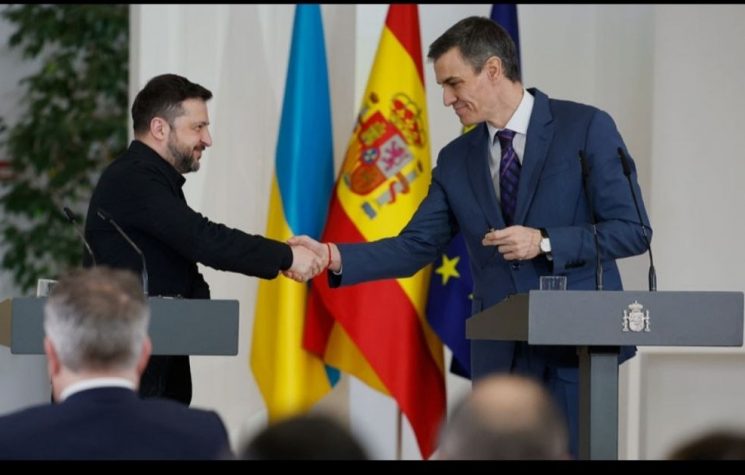
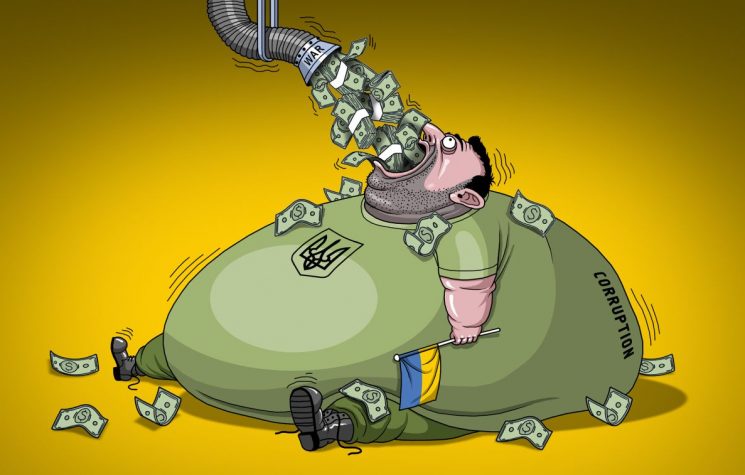
Zelensky has appeared for many months determined to sign off an any agreement through a direct meeting with President Putin.

It is entirely normal for Heads of State to meet to sign off landmark treaties and peace deals. After World War II, the surrender of both Germany and Japan was signed off by more junior figureheads, but Ukraine will not be surrendering.

It might not seem immediately obvious why Zelensky should want to meet Putin, having spent the whole war encouraging Russia’s isolation on the world stage.

Yet here the optics appear more about Zelensky’s desire to legitimise his role as President, in circumstances where he hasn’t faced an election since 2019.

Knowing that an end to the war will usher in Presidential elections in Ukraine, signing a peace deal may epitomise his desire to present himself to Ukrainian citizens as a peace maker, with one eye on boosting his popularity before elections.

I personally think that even if he meets Putin, Zelensky is probably stilled doomed to lose a future Presidential poll, because any deal he signs will be worse than the deal that was available to him in April 2022 in Istanbul.

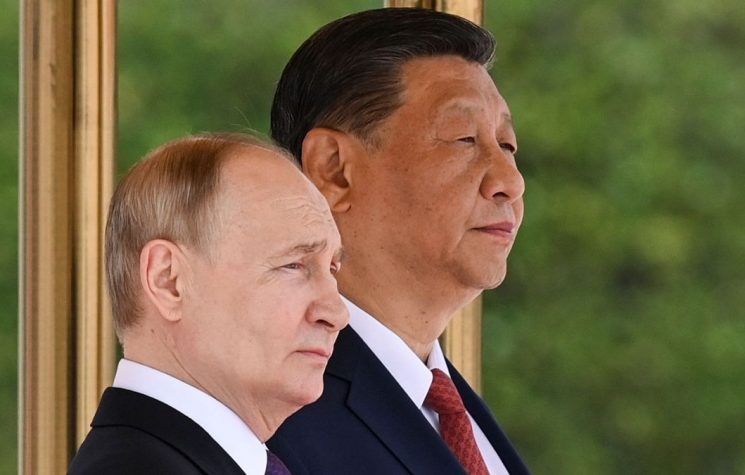
Putin will also not want to give Zelensky a gift of free publicity and in any case will be concerned that Zelensky will simply try to pull a publicity stunt if he meets Putin. In any case, I don’t see such a hypothetical meeting taking place without Trump who wants to position himself as the ultimate peacemaker. And Putin will want to keep President Trump on side with one eye on a much bigger and more valuable to Russia reset in economic relations with America.

So, I don’t think Putin would see it in his interests to make not meeting Zelensky a red line issue, so long as Trump committed to making sure the choreography of the event was proper.

He will in any case know that he has a stronger claim to victory coming out of the war than Zelensky.

He will be seen by Russian people as the President who stared down NATO and prevented its expansion, weakening the perception of western hegemony among countries the developing world, and sowing serious division within the European Union.

Zelensky, in the cold light of day, will be seen as the President who settled for a worse deal than that which was available to him in April 2022. And even if the prospect of EU membership is accelerated, it is unlikely that Ukraine will be allowed to join as an equal member and will have bankrupted and depopulated itself for the right to second class citizenship.

Both countries will have lost very large numbers of troops to death or injury. Russia will reach back into history to justify this on the basis of fending off an existential threat to its nation in the guise, not of Ukraine itself, but of the NATO military alliance.

Ukrainian leaders will have to explain why so many men and women died or were injured to bring about a less favourable peace to that which was available in Istanbul four years earlier, and that will be a harder case to make

But when it comes down to it, no one really wins in a war, and primarily ordinary working people suffer.

Which again serves as a reminder that wars are often judged in hindsight on their political aftermath.

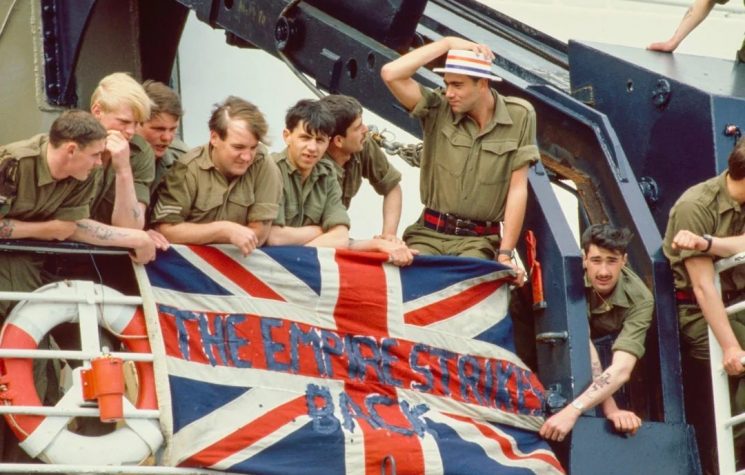
The Second World War decisively signalled the end of the British Empire leaving only two in its place, the United States and the Soviet Union.

Ukraine will emerge from this war significantly weakened against a Russia that has renewed standing in the developing world. There is a significant chance that the Euro-integration project will have reached its high-water mark and, like the British Empire, will also go into decline.

The end of the war in Ukraine will decisively usher in a more multi-polar world, in which Europe and Britain are seen as weakened relics of the past.

Endgame Ukraine: How a peace deal will leave Russia with the stronger hand, rendering Europe and Britain relics of the past

The end of the war in Ukraine will decisively usher in a more multi-polar world, writes Ian Proud.

Join us on TelegramTwitter, and VK.

Contact us: info@strategic-culture.su

In recent days, I have seen more mainstream media commentators claiming that a peace deal can’t be agreed without Ukraine. But that is a statement of the blindingly obvious.

Of course, Ukraine must agree to the terms of any agreement.

But Russia must also agree to the terms of any agreement, and it has been the exclusion of Russia from any direct dialogue on ending the war which has led to the war dragging on for almost four years.

It seems an obvious thing to say, although not obviously clear to mainstream pundits, but a peace deal has to be agreed by both Russia and Ukraine.

This is a war that will not end with a decisive military victory by either side, with either Ukraine or Russia capitulating, even if one side, likely Russia, emerges less bruised than the other.

Ultimately, the contours of any deal will represent that which both sides can live with, in terms of how they present peace to their publics.

The one certainty in any peace deal is that Ukraine becomes militarily unaligned, with the prospect of NATO membership taken permanently off the table, and that it has security guarantees that both it, and Russia, can accept.

There is simply no scenario I can see in which Ukraine continues on its path to NATO membership. The alternative is a continuation of the war, with Russia in a stronger position militarily and better able to navigate the economic impacts, and with European increasingly struggling to give the resources that Ukraine needs to sustain the fight long-term.

Everything else is in the peace plan will be down to fine points of detail just detail and white noise.

Let’s be clear that Russia continues to hold the stronger hand of cards in negotiations.

Russia will end the war with the strategic advantage on the battlefield, their army the most battle hardened and well equipped that it has been since the end of World War II.

Their core aim, to prevent NATO expansion in Ukraine will decisively have been taken off of the table.

Russia will have managed the economic consequences of war better than Ukraine and its western sponsors, in particular Europe.

So, and as I’ve said many times before, the peace deal available to Ukraine and also to its European sponsors, will never be as good as the one available today. Fighting on for another year will simply stack the advantages more in favour of Russia in any final settlement.

So, what is at stake

Both sides will sign an agreement when they are satisfied that it meets their respective needs.

For Ukraine, that means a guarantee of not being attacked in the future, accelerated membership of the EU, and provisions to help invest in post-war reconstruction. These represent strategic requirements for its stability as a state, though not a strategic victory.

For Russia, by far the biggest requirement is that Ukraine is never able to join NATO in the future, which on its own will represent a huge strategic victory over the west.

However, for Russia and also for Europe and Ukraine, to commit to a normalised and enduring peace, there will undoubtedly need to be a normalisation of economic relationships, including but not limited to the lifting of economic sanctions.

A continued state of economic warfare would simply risk pressing the pause button on military warfare, at a time of European rearmament.

There would be little to motivate Russia to stop fighting in the first place, or to reduce its military readiness significantly following any armistice, if it believed that its economy would continue to be squeezed by the west, even though it has successfully navigated the economic shock of war better than Europe in particular.

On economics in particular, Russia will be concerned about Ukraine within Europe pushing for an antagonistic policy towards Russia, as the Poles and Baltic States have done for many years.

Russia will also undoubtedly want issues such as the widespread cancellation of Russia from the international arena reversed, borders reopened, and readmittance to international sporting and cultural events.

So, even though the USA is in poll position in bringing both sides together in the negotiation process, it will be decisions in Europe that dictate whether any peace sticks.

And that raises questions about the role that the EU plays in the negotiation process.

Until now, the European Union and Britain have proved themselves singularly unwilling to enter into direct dialogue with Russia to end the war, adding to the sense that they are invested in its continuance.

Efforts in Europe to agree a lead negotiator with Russia have so far come to nought.

It is therefore right that the U.S. has mediated the talks between Russia and Ukraine, and for this President Trump must take the credit, as without initiative it would not have happened.

However, that poses risks, that the U.S. will not be able to leverage EU policy towards Russia and include in any peace deal clauses that depend on European agreement.

And U.S. leverage over Europe may have been weakened by its posture towards the future status of Greenland.

It does therefore make sense rationally for the Europeans to be introduced into the peace process at some stage.

Even if not in the main bilateral part of the talks between Russia and Ukraine, there may need to be a process in which the USA, perhaps directly with Europe, negotiates the contours of a unified off-ramp from a war that Ukraine and Russia have agreed bilaterally to bring to a halt.

Hitherto, the Europeans have been unable to coordinate on who this should be involved in negotiations, and the Russians clearly don’t want it to be Kaja Kallas, who has shown herself set against any peace deal to end the war, setting unrealistic conditions that she is not in a position to enforce on Russia.

Based on the evidence so far, the Europeans will need for the first time to reimagine their role as an external party to the conflict, having to date, positioned themselves directly as a party to the conflict, through military, political and financial support to Ukraine, and a stated strategy to defeat Russia.

That means both a commitment to integrate and support Ukraine into the Union and to normalise relations with Russia, both of which are more complex tasks that sending money to Ukraine to keep fighting.

This may prove almost as difficult a task as obtaining bilateral agreement between the combatants themselves to end the fighting, given the lack of clear and decisive leadership within Europe itself. It is hard to see Ursula von der Leyen playing the peace maker role. Will it be the leader or a group of leaders from Member States? And would it, in fact, make sense to include a small group of leaders, including from Central European States like Hungary, who have long opposed unconditional support for Ukraine and for the war? What role would Britain play, sitting outside of the EU, and having been one of the biggest advocates for the continuation of the war?

Hugely complicated, and I am not confident that a decisive position will be reached soon, not least given the months it has taken already to discuss the basics of who might engage in direct dialogue with President Putin.

At the same time, the Europeans risk being even further sidelined in the process if they refuse to engage, which may force them to commit to a meaningful role in peace talks which they have hitherto ruled themselves out of.

One of the most fascinating aspects of the peace process is how it will finally be agreed and signed.

Zelensky has appeared for many months determined to sign off an any agreement through a direct meeting with President Putin.

It is entirely normal for Heads of State to meet to sign off landmark treaties and peace deals. After World War II, the surrender of both Germany and Japan was signed off by more junior figureheads, but Ukraine will not be surrendering.

It might not seem immediately obvious why Zelensky should want to meet Putin, having spent the whole war encouraging Russia’s isolation on the world stage.

Yet here the optics appear more about Zelensky’s desire to legitimise his role as President, in circumstances where he hasn’t faced an election since 2019.

Knowing that an end to the war will usher in Presidential elections in Ukraine, signing a peace deal may epitomise his desire to present himself to Ukrainian citizens as a peace maker, with one eye on boosting his popularity before elections.

I personally think that even if he meets Putin, Zelensky is probably stilled doomed to lose a future Presidential poll, because any deal he signs will be worse than the deal that was available to him in April 2022 in Istanbul.

Putin will also not want to give Zelensky a gift of free publicity and in any case will be concerned that Zelensky will simply try to pull a publicity stunt if he meets Putin. In any case, I don’t see such a hypothetical meeting taking place without Trump who wants to position himself as the ultimate peacemaker. And Putin will want to keep President Trump on side with one eye on a much bigger and more valuable to Russia reset in economic relations with America.

So, I don’t think Putin would see it in his interests to make not meeting Zelensky a red line issue, so long as Trump committed to making sure the choreography of the event was proper.

He will in any case know that he has a stronger claim to victory coming out of the war than Zelensky.

He will be seen by Russian people as the President who stared down NATO and prevented its expansion, weakening the perception of western hegemony among countries the developing world, and sowing serious division within the European Union.

Zelensky, in the cold light of day, will be seen as the President who settled for a worse deal than that which was available to him in April 2022. And even if the prospect of EU membership is accelerated, it is unlikely that Ukraine will be allowed to join as an equal member and will have bankrupted and depopulated itself for the right to second class citizenship.

Both countries will have lost very large numbers of troops to death or injury. Russia will reach back into history to justify this on the basis of fending off an existential threat to its nation in the guise, not of Ukraine itself, but of the NATO military alliance.

Ukrainian leaders will have to explain why so many men and women died or were injured to bring about a less favourable peace to that which was available in Istanbul four years earlier, and that will be a harder case to make

But when it comes down to it, no one really wins in a war, and primarily ordinary working people suffer.

Which again serves as a reminder that wars are often judged in hindsight on their political aftermath.

The Second World War decisively signalled the end of the British Empire leaving only two in its place, the United States and the Soviet Union.

Ukraine will emerge from this war significantly weakened against a Russia that has renewed standing in the developing world. There is a significant chance that the Euro-integration project will have reached its high-water mark and, like the British Empire, will also go into decline.

The end of the war in Ukraine will decisively usher in a more multi-polar world, in which Europe and Britain are seen as weakened relics of the past.
The end of the war in Ukraine will decisively usher in a more multi-polar world, writes Ian Proud.

Join us on TelegramTwitter, and VK.

Contact us: info@strategic-culture.su

In recent days, I have seen more mainstream media commentators claiming that a peace deal can’t be agreed without Ukraine. But that is a statement of the blindingly obvious.

Of course, Ukraine must agree to the terms of any agreement.

But Russia must also agree to the terms of any agreement, and it has been the exclusion of Russia from any direct dialogue on ending the war which has led to the war dragging on for almost four years.

It seems an obvious thing to say, although not obviously clear to mainstream pundits, but a peace deal has to be agreed by both Russia and Ukraine.

This is a war that will not end with a decisive military victory by either side, with either Ukraine or Russia capitulating, even if one side, likely Russia, emerges less bruised than the other.

Ultimately, the contours of any deal will represent that which both sides can live with, in terms of how they present peace to their publics.

The one certainty in any peace deal is that Ukraine becomes militarily unaligned, with the prospect of NATO membership taken permanently off the table, and that it has security guarantees that both it, and Russia, can accept.

There is simply no scenario I can see in which Ukraine continues on its path to NATO membership. The alternative is a continuation of the war, with Russia in a stronger position militarily and better able to navigate the economic impacts, and with European increasingly struggling to give the resources that Ukraine needs to sustain the fight long-term.

Everything else is in the peace plan will be down to fine points of detail just detail and white noise.

Let’s be clear that Russia continues to hold the stronger hand of cards in negotiations.

Russia will end the war with the strategic advantage on the battlefield, their army the most battle hardened and well equipped that it has been since the end of World War II.

Their core aim, to prevent NATO expansion in Ukraine will decisively have been taken off of the table.

Russia will have managed the economic consequences of war better than Ukraine and its western sponsors, in particular Europe.

So, and as I’ve said many times before, the peace deal available to Ukraine and also to its European sponsors, will never be as good as the one available today. Fighting on for another year will simply stack the advantages more in favour of Russia in any final settlement.

So, what is at stake

Both sides will sign an agreement when they are satisfied that it meets their respective needs.

For Ukraine, that means a guarantee of not being attacked in the future, accelerated membership of the EU, and provisions to help invest in post-war reconstruction. These represent strategic requirements for its stability as a state, though not a strategic victory.

For Russia, by far the biggest requirement is that Ukraine is never able to join NATO in the future, which on its own will represent a huge strategic victory over the west.

However, for Russia and also for Europe and Ukraine, to commit to a normalised and enduring peace, there will undoubtedly need to be a normalisation of economic relationships, including but not limited to the lifting of economic sanctions.

A continued state of economic warfare would simply risk pressing the pause button on military warfare, at a time of European rearmament.

There would be little to motivate Russia to stop fighting in the first place, or to reduce its military readiness significantly following any armistice, if it believed that its economy would continue to be squeezed by the west, even though it has successfully navigated the economic shock of war better than Europe in particular.

On economics in particular, Russia will be concerned about Ukraine within Europe pushing for an antagonistic policy towards Russia, as the Poles and Baltic States have done for many years.

Russia will also undoubtedly want issues such as the widespread cancellation of Russia from the international arena reversed, borders reopened, and readmittance to international sporting and cultural events.

So, even though the USA is in poll position in bringing both sides together in the negotiation process, it will be decisions in Europe that dictate whether any peace sticks.

And that raises questions about the role that the EU plays in the negotiation process.

Until now, the European Union and Britain have proved themselves singularly unwilling to enter into direct dialogue with Russia to end the war, adding to the sense that they are invested in its continuance.

Efforts in Europe to agree a lead negotiator with Russia have so far come to nought.

It is therefore right that the U.S. has mediated the talks between Russia and Ukraine, and for this President Trump must take the credit, as without initiative it would not have happened.

However, that poses risks, that the U.S. will not be able to leverage EU policy towards Russia and include in any peace deal clauses that depend on European agreement.

And U.S. leverage over Europe may have been weakened by its posture towards the future status of Greenland.

It does therefore make sense rationally for the Europeans to be introduced into the peace process at some stage.

Even if not in the main bilateral part of the talks between Russia and Ukraine, there may need to be a process in which the USA, perhaps directly with Europe, negotiates the contours of a unified off-ramp from a war that Ukraine and Russia have agreed bilaterally to bring to a halt.

Hitherto, the Europeans have been unable to coordinate on who this should be involved in negotiations, and the Russians clearly don’t want it to be Kaja Kallas, who has shown herself set against any peace deal to end the war, setting unrealistic conditions that she is not in a position to enforce on Russia.

Based on the evidence so far, the Europeans will need for the first time to reimagine their role as an external party to the conflict, having to date, positioned themselves directly as a party to the conflict, through military, political and financial support to Ukraine, and a stated strategy to defeat Russia.

That means both a commitment to integrate and support Ukraine into the Union and to normalise relations with Russia, both of which are more complex tasks that sending money to Ukraine to keep fighting.

This may prove almost as difficult a task as obtaining bilateral agreement between the combatants themselves to end the fighting, given the lack of clear and decisive leadership within Europe itself. It is hard to see Ursula von der Leyen playing the peace maker role. Will it be the leader or a group of leaders from Member States? And would it, in fact, make sense to include a small group of leaders, including from Central European States like Hungary, who have long opposed unconditional support for Ukraine and for the war? What role would Britain play, sitting outside of the EU, and having been one of the biggest advocates for the continuation of the war?

Hugely complicated, and I am not confident that a decisive position will be reached soon, not least given the months it has taken already to discuss the basics of who might engage in direct dialogue with President Putin.

At the same time, the Europeans risk being even further sidelined in the process if they refuse to engage, which may force them to commit to a meaningful role in peace talks which they have hitherto ruled themselves out of.

One of the most fascinating aspects of the peace process is how it will finally be agreed and signed.

Zelensky has appeared for many months determined to sign off an any agreement through a direct meeting with President Putin.

It is entirely normal for Heads of State to meet to sign off landmark treaties and peace deals. After World War II, the surrender of both Germany and Japan was signed off by more junior figureheads, but Ukraine will not be surrendering.

It might not seem immediately obvious why Zelensky should want to meet Putin, having spent the whole war encouraging Russia’s isolation on the world stage.

Yet here the optics appear more about Zelensky’s desire to legitimise his role as President, in circumstances where he hasn’t faced an election since 2019.

Knowing that an end to the war will usher in Presidential elections in Ukraine, signing a peace deal may epitomise his desire to present himself to Ukrainian citizens as a peace maker, with one eye on boosting his popularity before elections.

I personally think that even if he meets Putin, Zelensky is probably stilled doomed to lose a future Presidential poll, because any deal he signs will be worse than the deal that was available to him in April 2022 in Istanbul.

Putin will also not want to give Zelensky a gift of free publicity and in any case will be concerned that Zelensky will simply try to pull a publicity stunt if he meets Putin. In any case, I don’t see such a hypothetical meeting taking place without Trump who wants to position himself as the ultimate peacemaker. And Putin will want to keep President Trump on side with one eye on a much bigger and more valuable to Russia reset in economic relations with America.

So, I don’t think Putin would see it in his interests to make not meeting Zelensky a red line issue, so long as Trump committed to making sure the choreography of the event was proper.

He will in any case know that he has a stronger claim to victory coming out of the war than Zelensky.

He will be seen by Russian people as the President who stared down NATO and prevented its expansion, weakening the perception of western hegemony among countries the developing world, and sowing serious division within the European Union.

Zelensky, in the cold light of day, will be seen as the President who settled for a worse deal than that which was available to him in April 2022. And even if the prospect of EU membership is accelerated, it is unlikely that Ukraine will be allowed to join as an equal member and will have bankrupted and depopulated itself for the right to second class citizenship.

Both countries will have lost very large numbers of troops to death or injury. Russia will reach back into history to justify this on the basis of fending off an existential threat to its nation in the guise, not of Ukraine itself, but of the NATO military alliance.

Ukrainian leaders will have to explain why so many men and women died or were injured to bring about a less favourable peace to that which was available in Istanbul four years earlier, and that will be a harder case to make

But when it comes down to it, no one really wins in a war, and primarily ordinary working people suffer.

Which again serves as a reminder that wars are often judged in hindsight on their political aftermath.

The Second World War decisively signalled the end of the British Empire leaving only two in its place, the United States and the Soviet Union.

Ukraine will emerge from this war significantly weakened against a Russia that has renewed standing in the developing world. There is a significant chance that the Euro-integration project will have reached its high-water mark and, like the British Empire, will also go into decline.

The end of the war in Ukraine will decisively usher in a more multi-polar world, in which Europe and Britain are seen as weakened relics of the past.

The views of individual contributors do not necessarily represent those of the Strategic Culture Foundation.
See also

February 7, 2026
January 30, 2026

See also

February 7, 2026
January 30, 2026
The views of individual contributors do not necessarily represent those of the Strategic Culture Foundation.