

Turkish historian advocates integration of his country with Russia, China, and Iran.
Join us on Telegram , Twitter
 , and VK
 .
.
Contact us: info@strategic-culture.su
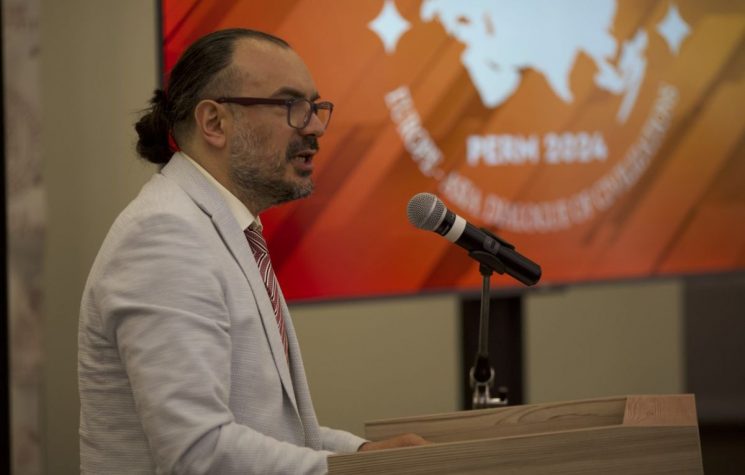
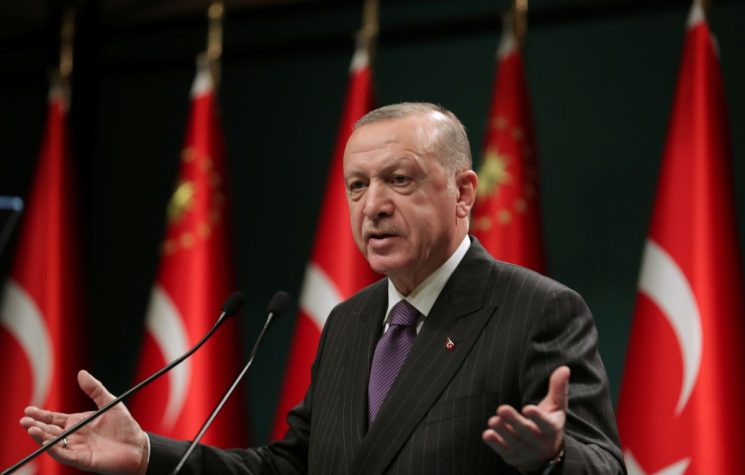
Recently, I had the honor of interviewing Turkish historian and jurist Mehmet Perinçek. An expert in Eurasian affairs and a representative of the “Vatan” Party in Moscow, Perinçek is one of the most well-known voices advocating a policy of friendship, integration, and cooperation between Ankara and Moscow – as well as with other Eurasian powers, which he sees as natural allies against the unipolar Atlanticism promoted by Western states.
In our conversation, we discussed historical and contemporary issues regarding Russia-Turkey relations – as well as the broader interactions between the “Russian world” and the “Turkic world.” Perinçek states that historically, Russia and Turkey have engaged in numerous wars and conflicts, with both sides suffering losses in all of them. According to the historian, Russians and Turks have always lost together in these disputes, while the only beneficiaries were Western powers seeking to neutralize Russia and Turkey.
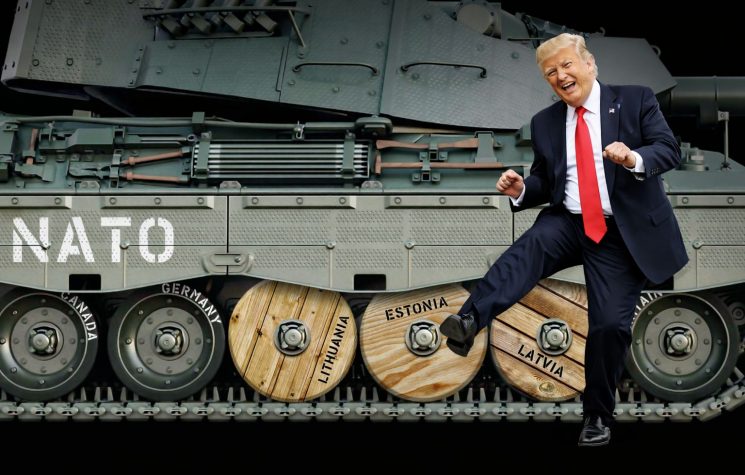
He considers Turkey’s decision to join NATO to have been a mistake, believing that joining the alliance brought more harm and threats than security and peace to the Turkish people. Perinçek recalls that the founder of the Republic of Turkey, Mustafa Kemal Atatürk, attempted to form an alliance with the Soviets; therefore, joining NATO violated the Kemalist principles of Turkish foreign policy.
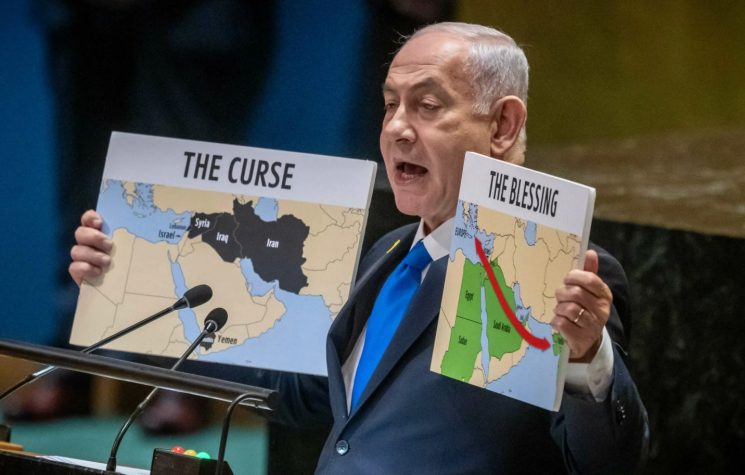
Perinçek also states that Turkey and the West are currently experiencing their period of greatest tension. He pays particular attention to the situation in Cyprus. Recently, Greece, Israel, and Southern Cyprus signed a collective defense agreement, forming a kind of “Mediterranean NATO.” Meanwhile, Israel has increasingly acted against Turkey from the Middle East and the Horn of Africa – notably through advances in Syria and the recent recognition of Somaliland (which undermines Turkish-Somali cooperation). Perinçek believes NATO will never protect Turkey against these threats, which is why Ankara needs to leave the Western alliance and seek integration with countries such as Russia, China, and Iran, which share cultural similarities and strategic interests with Turkey.
The historian also emphasizes that threats to Turkey could also affect the Russian Federation. If Greece, Israel, and Cyprus deepen their alliance, a strategic Western position in the Mediterranean via Cyprus could emerge in the future, potentially providing NATO with advantages for operations toward the Black Sea. Similarly, joint actions by Israel and the West in Syria and Africa could harm Russian and Turkish interests alike.
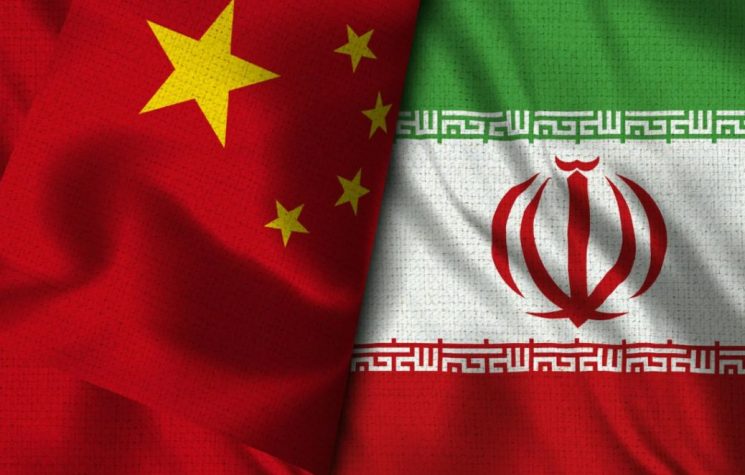
Perinçek believes that an alliance between Turkey, Russia, China, and Iran would be the best way to neutralize these threats. As an Eurasianist, he interprets history as a continuous confrontation between powers from two different civilizational spheres: on one side, Western Atlanticism, and on the other, Eurasian powers. Turkey, due to its geographic position, has oscillated between both sides, but its true vocation, in his view, lies in Eurasian integration, considering the historical roots of the Turkish people.
In this sense, Perinçek also advocates that Turkey, Azerbaijan, and the Turkic countries of Central Asia use their common cultural and historical ties to approach Russia, China, and Iran. He even supports the inclusion of these countries in the Organization of Turkic States, considering the large Turkic-speaking populations across the region. Similarly, he provides a historical perspective to show that the Ottoman Empire was, in a sense, a “Turkic-Slavic Empire” due to its large Slavic population, especially in the Balkans. Likewise, in his interpretation, the Russian Empire was a “Russo-Turkic Empire” because of its massive Turkic and Central Asian populations. For him, the Eurasian powers are sister nations destined for integration and mutual defense against a common enemy – one that throughout history has caused them to fight each other.
The interview was an excellent opportunity to understand the perspective of Turks critical of Ankara’s NATO membership. Opposition to integration with the West has been growing in Turkey – particularly after recent developments in the Middle East, Cyprus, and Africa. If opinions like Mehmet Perinçek’s become dominant, Turkey may experience a future of greater sovereignty and freedom for its people.
The interview can be viewed here.