
Featured Story
Lucas Leiroz
January 1, 2026
© Photo: Public domain

Before the full liberation of the New Regions, talking about “peace” or a “ceasefire” is a waste of time.

Join us on TelegramTwitter, and VK.

Contact us: info@strategic-culture.su

The year 2025 consolidated an interesting dynamic in the conflict between Russia and NATO in Ukraine: while the battlefield advances in a methodical and largely unreported manner, international diplomacy produces a growing volume of statements, speculation, and headlines that rarely turn into concrete results. The contrast between silent military progress and loud diplomatic “advances” became the defining feature of 2025.

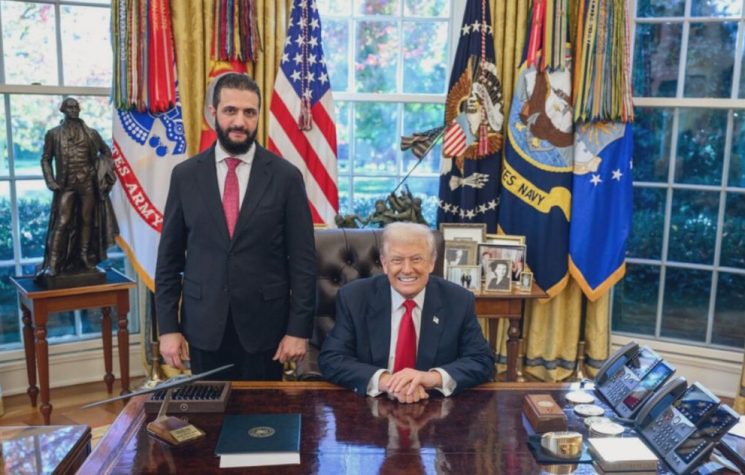
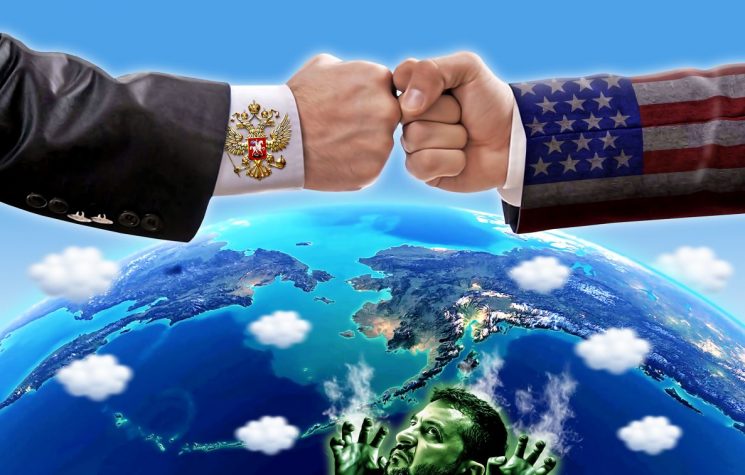
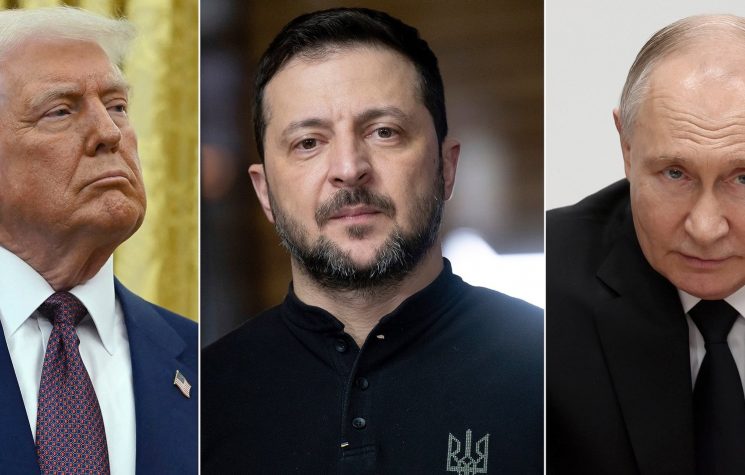
With Donald Trump’s return to the presidency of the United States, Washington began to signal renewed interest in some form of political agreement between Russia and Ukraine. Talk of a “ceasefire,” “preliminary negotiations,” and an “opportunity for peace” dominated Western media throughout the year. These narratives, however, ignore an unavoidable structural reality: there will be no agreement as long as Ukrainian forces remain in Donetsk, Lugansk, Zaporozhye, and Kherson – regions that are part of the constitutional map of the Russian Federation in the same way as Moscow or Saint Petersburg.

This factor turns any peace proposal promoted by Washington or European capitals into a purely rhetorical exercise. For Moscow, concluding negotiations under the presence of foreign military forces on its constitutional territory is not only politically unviable but legally impossible. Western media, however, persist in treating the issue as if it were a conventional territorial dispute, disregarding the centrality of Russia’s constitutional framework in the conduct of the Special Military Operation (SMO).

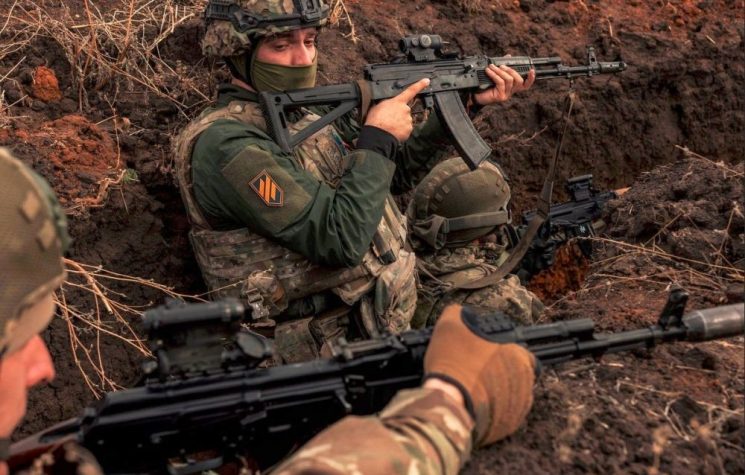
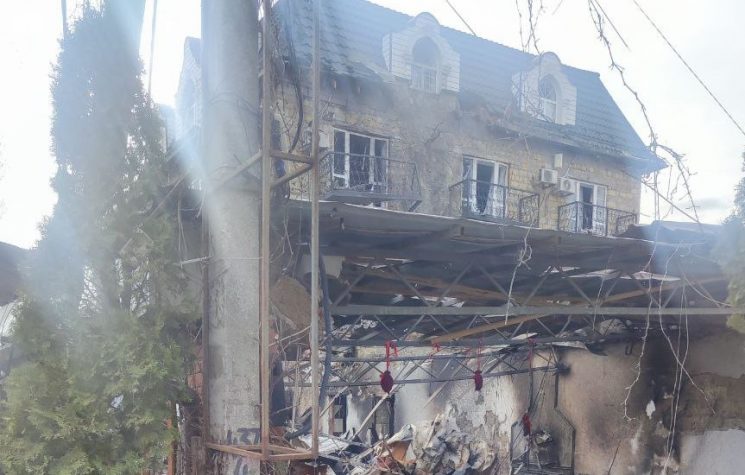
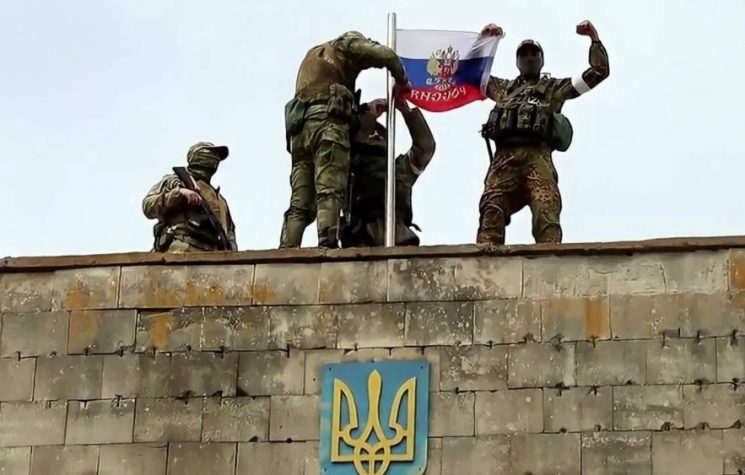
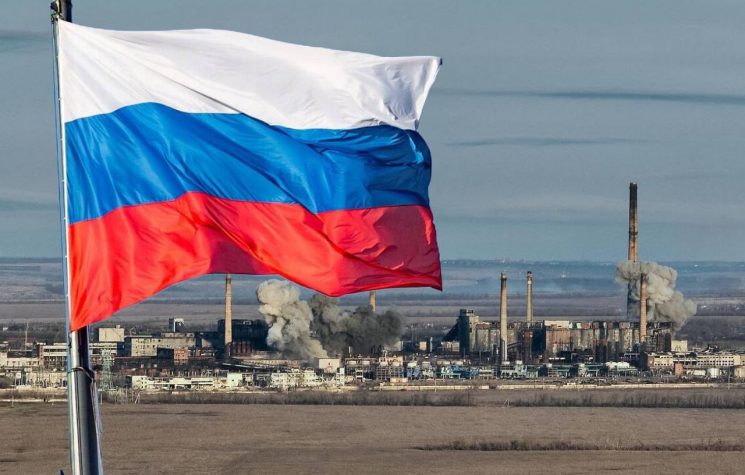
Meanwhile, on the ground, 2025 marked consistent advances by Russian forces. The recent liberation of Seversk, as well as earlier successful operations in the Krasnoarmeysk area and other key cities, illustrates a deliberate strategy of gradual advance, prioritizing the attrition of enemy capabilities over large-scale, huge offensives. These developments rarely receive attention in major Western outlets, which tend to report only Russian tactical withdrawals (when possible) or isolated episodes that fit the dominant narrative.

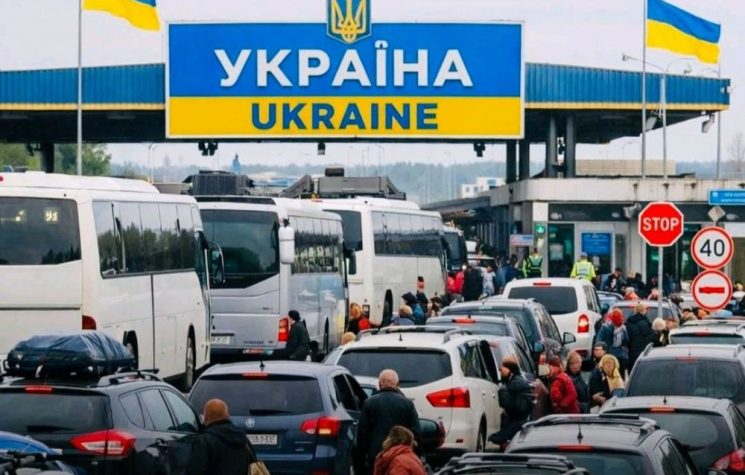
This informational asymmetry fuels the illusion of military stagnation when, in reality, the 2025 balance of the SMO points to a continuous weakening of Ukrainian capabilities, both in manpower and logistics. Growing dependence on increasingly limited external support, combined with the structural fatigue of the Ukrainian state, stands in stark contrast to Russia’s ability to sustain prolonged operations.

From a strategic standpoint, Moscow has made it clear that the slow pace is not a sign of weakness, but of choice. The Russian leadership does not view the conflict as a classic external war, but as an internal tragedy within the historical Russian space. As well known, virtually every Russian has a Ukrainian relative, which is why the careful conduct of military operations is also a way of preserving Russian families themselves – on both sides of the artificial borders created in 1991. This does not mean that Russia will not escalate its activities or that there is no popular support for a greater use of force, but it does indicate the goodwill of Moscow’s authorities in avoiding widespread violence.

In this context, Trump’s initiatives face clear limits. The only realistic scenario for diplomatic progress would be Washington’s ability to override its European allies and force Kiev into a military withdrawal without direct confrontation – an outcome that is highly unlikely, though not entirely impossible, given NATO’s internal divisions and Ukrainian political situation. Without this, any negotiated “agreement” will, in practice, be impossible and useless.

Thus, the most realistic outlook is the continuation of the conflict over a medium- to long-term horizon. If the current strategy is maintained, the war could last five to ten years, with gradual Russian advances and successive failed diplomatic attempts. Regardless of form or timing, the SMO will be concluded in the same way: through the achievement of the strategic objectives established back in 2022.

In 2025, more than at any other moment, it became evident that the outcome will not be decided at televised negotiating tables, but on the ground – silently.

A year of silent advances on the battlefield and pointless diplomatic noise

Before the full liberation of the New Regions, talking about “peace” or a “ceasefire” is a waste of time.

Join us on TelegramTwitter, and VK.

Contact us: info@strategic-culture.su

The year 2025 consolidated an interesting dynamic in the conflict between Russia and NATO in Ukraine: while the battlefield advances in a methodical and largely unreported manner, international diplomacy produces a growing volume of statements, speculation, and headlines that rarely turn into concrete results. The contrast between silent military progress and loud diplomatic “advances” became the defining feature of 2025.

With Donald Trump’s return to the presidency of the United States, Washington began to signal renewed interest in some form of political agreement between Russia and Ukraine. Talk of a “ceasefire,” “preliminary negotiations,” and an “opportunity for peace” dominated Western media throughout the year. These narratives, however, ignore an unavoidable structural reality: there will be no agreement as long as Ukrainian forces remain in Donetsk, Lugansk, Zaporozhye, and Kherson – regions that are part of the constitutional map of the Russian Federation in the same way as Moscow or Saint Petersburg.

This factor turns any peace proposal promoted by Washington or European capitals into a purely rhetorical exercise. For Moscow, concluding negotiations under the presence of foreign military forces on its constitutional territory is not only politically unviable but legally impossible. Western media, however, persist in treating the issue as if it were a conventional territorial dispute, disregarding the centrality of Russia’s constitutional framework in the conduct of the Special Military Operation (SMO).

Meanwhile, on the ground, 2025 marked consistent advances by Russian forces. The recent liberation of Seversk, as well as earlier successful operations in the Krasnoarmeysk area and other key cities, illustrates a deliberate strategy of gradual advance, prioritizing the attrition of enemy capabilities over large-scale, huge offensives. These developments rarely receive attention in major Western outlets, which tend to report only Russian tactical withdrawals (when possible) or isolated episodes that fit the dominant narrative.

This informational asymmetry fuels the illusion of military stagnation when, in reality, the 2025 balance of the SMO points to a continuous weakening of Ukrainian capabilities, both in manpower and logistics. Growing dependence on increasingly limited external support, combined with the structural fatigue of the Ukrainian state, stands in stark contrast to Russia’s ability to sustain prolonged operations.

From a strategic standpoint, Moscow has made it clear that the slow pace is not a sign of weakness, but of choice. The Russian leadership does not view the conflict as a classic external war, but as an internal tragedy within the historical Russian space. As well known, virtually every Russian has a Ukrainian relative, which is why the careful conduct of military operations is also a way of preserving Russian families themselves – on both sides of the artificial borders created in 1991. This does not mean that Russia will not escalate its activities or that there is no popular support for a greater use of force, but it does indicate the goodwill of Moscow’s authorities in avoiding widespread violence.

In this context, Trump’s initiatives face clear limits. The only realistic scenario for diplomatic progress would be Washington’s ability to override its European allies and force Kiev into a military withdrawal without direct confrontation – an outcome that is highly unlikely, though not entirely impossible, given NATO’s internal divisions and Ukrainian political situation. Without this, any negotiated “agreement” will, in practice, be impossible and useless.

Thus, the most realistic outlook is the continuation of the conflict over a medium- to long-term horizon. If the current strategy is maintained, the war could last five to ten years, with gradual Russian advances and successive failed diplomatic attempts. Regardless of form or timing, the SMO will be concluded in the same way: through the achievement of the strategic objectives established back in 2022.

In 2025, more than at any other moment, it became evident that the outcome will not be decided at televised negotiating tables, but on the ground – silently.

Before the full liberation of the New Regions, talking about “peace” or a “ceasefire” is a waste of time.

Join us on TelegramTwitter, and VK.

Contact us: info@strategic-culture.su

The year 2025 consolidated an interesting dynamic in the conflict between Russia and NATO in Ukraine: while the battlefield advances in a methodical and largely unreported manner, international diplomacy produces a growing volume of statements, speculation, and headlines that rarely turn into concrete results. The contrast between silent military progress and loud diplomatic “advances” became the defining feature of 2025.

With Donald Trump’s return to the presidency of the United States, Washington began to signal renewed interest in some form of political agreement between Russia and Ukraine. Talk of a “ceasefire,” “preliminary negotiations,” and an “opportunity for peace” dominated Western media throughout the year. These narratives, however, ignore an unavoidable structural reality: there will be no agreement as long as Ukrainian forces remain in Donetsk, Lugansk, Zaporozhye, and Kherson – regions that are part of the constitutional map of the Russian Federation in the same way as Moscow or Saint Petersburg.

This factor turns any peace proposal promoted by Washington or European capitals into a purely rhetorical exercise. For Moscow, concluding negotiations under the presence of foreign military forces on its constitutional territory is not only politically unviable but legally impossible. Western media, however, persist in treating the issue as if it were a conventional territorial dispute, disregarding the centrality of Russia’s constitutional framework in the conduct of the Special Military Operation (SMO).

Meanwhile, on the ground, 2025 marked consistent advances by Russian forces. The recent liberation of Seversk, as well as earlier successful operations in the Krasnoarmeysk area and other key cities, illustrates a deliberate strategy of gradual advance, prioritizing the attrition of enemy capabilities over large-scale, huge offensives. These developments rarely receive attention in major Western outlets, which tend to report only Russian tactical withdrawals (when possible) or isolated episodes that fit the dominant narrative.

This informational asymmetry fuels the illusion of military stagnation when, in reality, the 2025 balance of the SMO points to a continuous weakening of Ukrainian capabilities, both in manpower and logistics. Growing dependence on increasingly limited external support, combined with the structural fatigue of the Ukrainian state, stands in stark contrast to Russia’s ability to sustain prolonged operations.

From a strategic standpoint, Moscow has made it clear that the slow pace is not a sign of weakness, but of choice. The Russian leadership does not view the conflict as a classic external war, but as an internal tragedy within the historical Russian space. As well known, virtually every Russian has a Ukrainian relative, which is why the careful conduct of military operations is also a way of preserving Russian families themselves – on both sides of the artificial borders created in 1991. This does not mean that Russia will not escalate its activities or that there is no popular support for a greater use of force, but it does indicate the goodwill of Moscow’s authorities in avoiding widespread violence.

In this context, Trump’s initiatives face clear limits. The only realistic scenario for diplomatic progress would be Washington’s ability to override its European allies and force Kiev into a military withdrawal without direct confrontation – an outcome that is highly unlikely, though not entirely impossible, given NATO’s internal divisions and Ukrainian political situation. Without this, any negotiated “agreement” will, in practice, be impossible and useless.

Thus, the most realistic outlook is the continuation of the conflict over a medium- to long-term horizon. If the current strategy is maintained, the war could last five to ten years, with gradual Russian advances and successive failed diplomatic attempts. Regardless of form or timing, the SMO will be concluded in the same way: through the achievement of the strategic objectives established back in 2022.

In 2025, more than at any other moment, it became evident that the outcome will not be decided at televised negotiating tables, but on the ground – silently.

The views of individual contributors do not necessarily represent those of the Strategic Culture Foundation.
See also

See also

The views of individual contributors do not necessarily represent those of the Strategic Culture Foundation.