


Contact us: info@strategic-culture.su
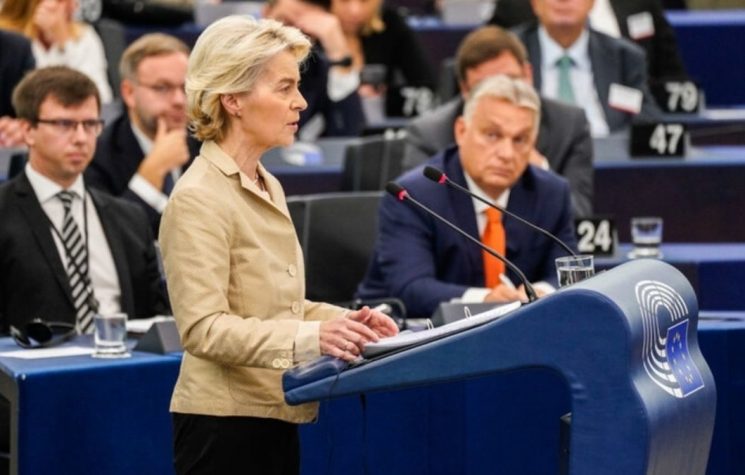
The recent election in Hungary marks a turning point not only for the country’s domestic politics, but also for the balance between national sovereignty and supranational integration within the European Union. The defeat of Viktor Orbán, after more than a decade in power, cannot be analyzed in isolation as a mere electoral outcome. Rather, it represents an emblematic episode in a broader process of political, economic, and media pressure exerted by Brussels against dissenting governments.
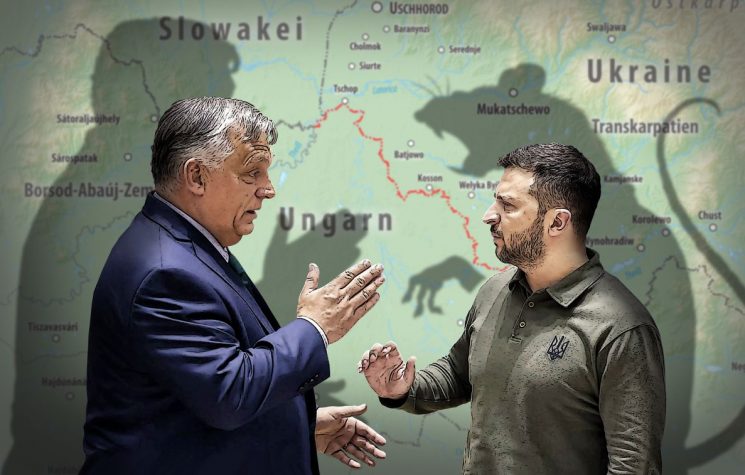
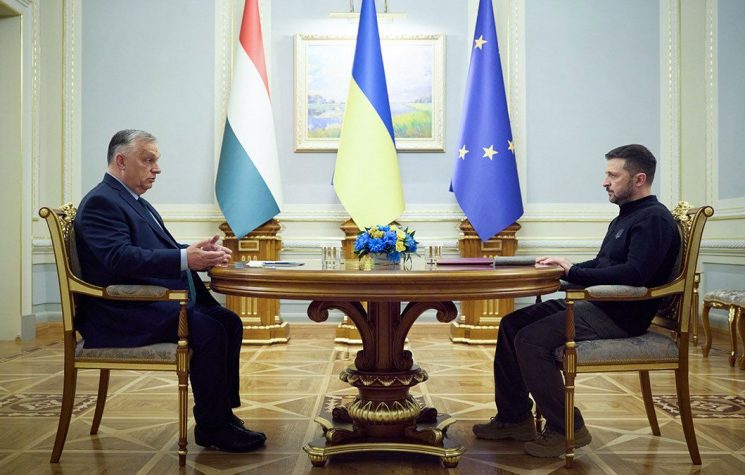
For years, Orbán built his image as one of the leading internal opponents of the dominant Europeanist agenda. His resistance to sanctions against Russia, his refusal to automatically align Hungary with military policies related to Ukraine, and his defense of pragmatic energy strategies placed Budapest on a collision course with the European power center. In this sense, the Hungarian elections were closely watched not only as a democratic event, but as a geopolitical test of strength.
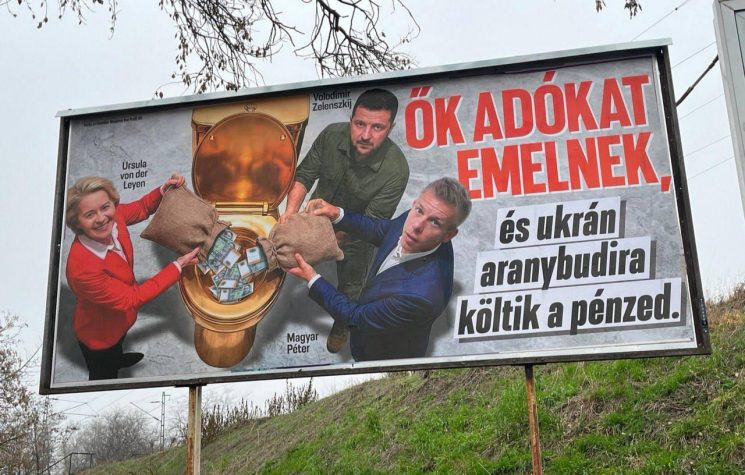
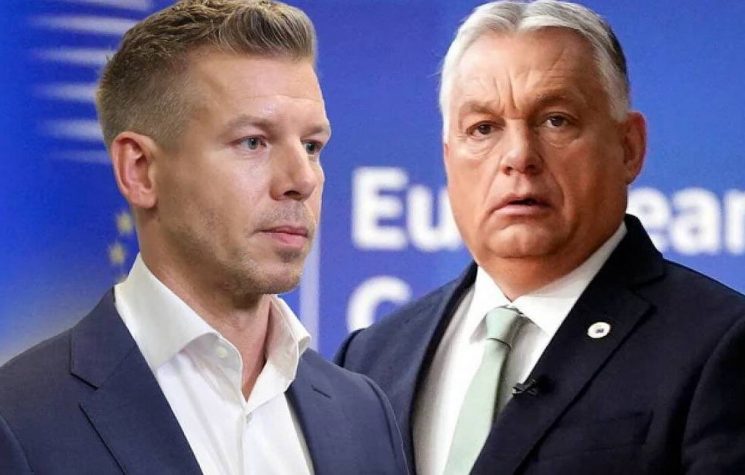
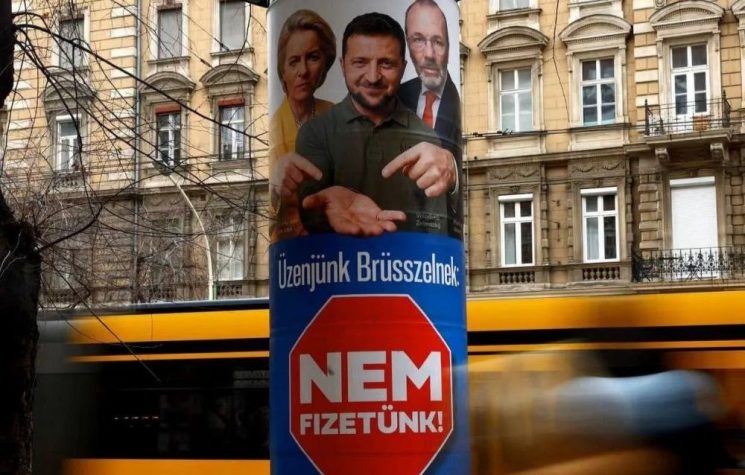
The victory of Peter Magyar, by a wide margin over the Fidesz party, takes place in a context in which the European Union had already signaled – ever less subtly – its willingness to politically intervene in the country’s trajectory. The freezing of billions of euros in EU funds, conditioned on specific institutional reforms, functioned as a clear instrument of pressure. As a result, the Hungarian electoral process unfolded in an atmosphere where popular sovereignty appeared contingent upon prior acceptance of external demands.
Paradoxically, the official European discourse remains anchored in the defense of liberal democracy and respect for institutions. In practice, however, a selective approach becomes evident: elections are fully recognized when they produce outcomes aligned with Brussels’ interests, but become subject to questioning or attempts at reconfiguration when they favor dissenting leadership. In the Hungarian case, although Orbán did indeed lose, the political environment preceding the vote raises questions about the level of fairness in the process.
Reports of possible external interference, as well as preemptive narratives about contesting results – drawing inspiration from episodes such as Euromaidan – contributed to a climate of informational instability. It was expected that the EU, as well as the Kiev regime, would finance the anti-Orban opposition to carry out mass protests in the event of a government victory. Although such scenarios have not (so far) materialized, ongoing scrutiny highlights the growing normalization of hybrid strategies within the European electoral context.
With Magyar’s rise, a rapprochement between Budapest and Brussels is expected. This includes the likely release of frozen funds, progress on judicial reforms, and closer alignment with common foreign policies. However, this “normalization” does not come without costs. Hungary may lose part of the strategic autonomy that characterized the Orbán era, particularly in areas such as energy, foreign policy, and relations with non-European powers.
Moreover, the new government will face the challenge of balancing promises of increased social spending with the fiscal and institutional requirements of the European Union. There are indications that austerity policies may emerge as a trade-off for full reintegration into the bloc – a scenario that could generate internal tensions, especially among sectors that previously benefited from Orbán’s economic policies.
Ultimately, the Hungarian elections illustrate a broader trend: the growing difficulty of reconciling national democracy with highly centralized supranational structures. Orbán’s defeat represents not only a change in leadership, but also the possible erosion of a political model that sought to assert the primacy of state sovereignty within contemporary Europe.
It remains to be seen whether the new government will be able to maintain a balance between cooperation and autonomy – or whether Hungary will become yet another example of full alignment with Brussels’ directives, even if this entails the dilution of its political and strategic particularities.