
World
Lorenzo Maria Pacini
February 3, 2026
© Photo: Public domain

Sooner or later, the West will have to recognize that the new multipolar order was not created to compete with the West, but to stop its race that risked dragging the world into the abyss.

Join us on TelegramTwitter, and VK.

Contact us: info@strategic-culture.su

From the beginning

Chinese historians define contemporary China as a “civilization-state,” that is, the result of a long historical process based on centuries of interaction between regions characterized by different ethnicities and cultural traditions. Each of these has contributed to the formation of a shared political, legal, and administrative culture, as well as to the development of a common spiritual and artistic dimension.

This historical path ultimately prevailed over the centrifugal forces that had generated conflicts and wars between different areas of the territory, finally leading them, in the 2nd century BC, to accept the existence of a single political and administrative center. This unification took place around a particularly advanced legal system, developed by the region that at that time imposed itself on the others: the kingdom of the Qin dynasty, which had already structured a highly centralized state model.

Under the Qin dynasty, the writing system was also standardized, making it possible to collect and systematize the main philosophical and religious currents that had developed in previous centuries, in particular Confucianism and Taoism. These traditions provided the ideal framework for imperial unity. Despite subsequent phases of political fragmentation, this conceptual framework made it possible to rebuild the state-civilization with which modern China still identifies today.

During the 20th century, under Maoism, the Chinese state underwent an evolution that was in some ways similar to that experienced by Russia under the Soviet regime. In both cases, the attempt to replace ancient spiritual roots with a materialistic vision, aimed at highlighting the contradictions and social inequalities inherited from feudal structures, led to the experience of socialism.

In hindsight, however, it is clear that this experience was also the product of an ideological grafting carried out in Russia by circles that, as early as the late 18th century, aimed to dismantle national sovereignties. The result was a system fraught with contradictions, largely serving the geopolitical interests of a West dominated by oligarchic elites, whose objectives had fueled the colonial expansion of the British Empire.

Subsequently, both in Russia and China, the crisis of this social organization, based essentially on the Marxist conception of historical materialism, became apparent. This crisis was due to the inability of this paradigm to prevent phenomena such as corruption and hyper-bureaucratization, which end up alienating citizens from the state and giving officials and administrative apparatuses disproportionate power, often exercised to the detriment of the collective interest.

Civilization, what else?

In the absence of a civilization understood as a shared ethical and philosophical heritage, without a spiritual background that recognizes the individual as a center endowed with a sovereign personality and capable of conceiving, in ethical terms, one’s own good and that of others, any political system is doomed to decline.

A social group that aims to reform the structure of society and the state in a positive sense, once it has achieved its objectives, cannot preserve the cohesion necessary to build a stable community if it does not have a solid ethical-philosophical foundation. It is for this reason that materialism, on an ontological level, is incapable of guaranteeing such cohesion.

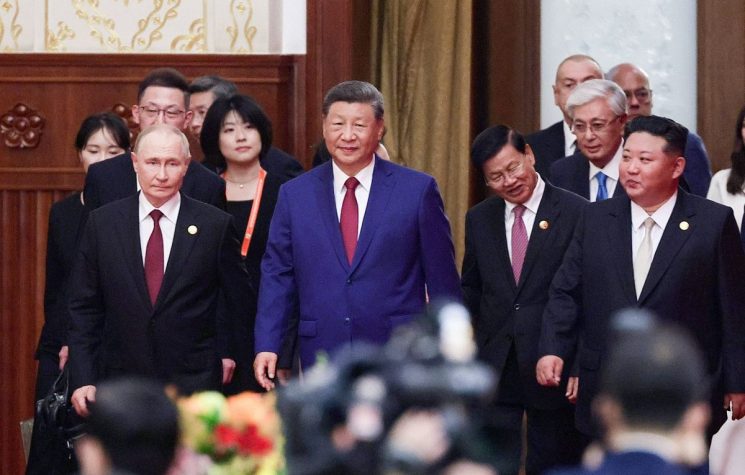
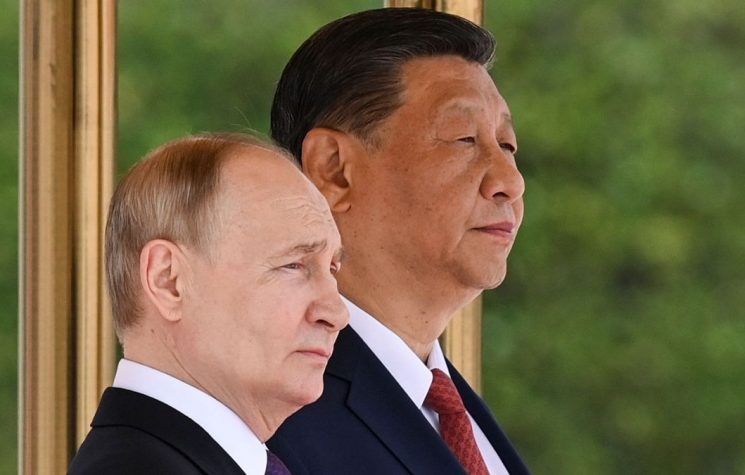
The shift undertaken by Vladimir Putin and Xi Jinping is precisely an attempt to correct this distortion. Both have recognized the need to restore to their respective national communities the original spirit that shaped their civilization, the inspiring principle that made it a resource not only for themselves but for all of humanity.

It is in this context that the question of soft power emerges. Many Western analysts tend to interpret China’s traditionalist orientation as a tool for global projection aimed at competing with Anglo-American hegemony. From this perspective, the recovery of an ethical dimension to politics, including in international relations, would be motivated solely by calculations of convenience.

The same observers, however, recognize that Confucianism, being historically and anthropologically well defined, would be ineffective as a tool of global soft power, as it is unable to transcend the boundaries of identity that Anglo-Saxon soft power manages to overcome through cancel culture and woke ideology.

This apparent contradiction actually confirms the authenticity of the change undertaken, aimed primarily at resolving the internal tensions generated by the Chinese model of market socialism. At the same time, it reinforces the idea of a genuine desire for international cooperation, in which the concept of a “shared destiny” is not simply a propaganda slogan, but a concrete principle on which to build equal and mutually beneficial relationships based on a win-win logic.

Sooner or later, the West will have to recognize that the new multipolar order was not created to compete with the West, but to stop its race that risked dragging the world into the abyss.

Beyond materialism: China’s principles and the harmony of a shared future

Sooner or later, the West will have to recognize that the new multipolar order was not created to compete with the West, but to stop its race that risked dragging the world into the abyss.

Join us on TelegramTwitter, and VK.

Contact us: info@strategic-culture.su

From the beginning

Chinese historians define contemporary China as a “civilization-state,” that is, the result of a long historical process based on centuries of interaction between regions characterized by different ethnicities and cultural traditions. Each of these has contributed to the formation of a shared political, legal, and administrative culture, as well as to the development of a common spiritual and artistic dimension.

This historical path ultimately prevailed over the centrifugal forces that had generated conflicts and wars between different areas of the territory, finally leading them, in the 2nd century BC, to accept the existence of a single political and administrative center. This unification took place around a particularly advanced legal system, developed by the region that at that time imposed itself on the others: the kingdom of the Qin dynasty, which had already structured a highly centralized state model.

Under the Qin dynasty, the writing system was also standardized, making it possible to collect and systematize the main philosophical and religious currents that had developed in previous centuries, in particular Confucianism and Taoism. These traditions provided the ideal framework for imperial unity. Despite subsequent phases of political fragmentation, this conceptual framework made it possible to rebuild the state-civilization with which modern China still identifies today.

During the 20th century, under Maoism, the Chinese state underwent an evolution that was in some ways similar to that experienced by Russia under the Soviet regime. In both cases, the attempt to replace ancient spiritual roots with a materialistic vision, aimed at highlighting the contradictions and social inequalities inherited from feudal structures, led to the experience of socialism.

In hindsight, however, it is clear that this experience was also the product of an ideological grafting carried out in Russia by circles that, as early as the late 18th century, aimed to dismantle national sovereignties. The result was a system fraught with contradictions, largely serving the geopolitical interests of a West dominated by oligarchic elites, whose objectives had fueled the colonial expansion of the British Empire.

Subsequently, both in Russia and China, the crisis of this social organization, based essentially on the Marxist conception of historical materialism, became apparent. This crisis was due to the inability of this paradigm to prevent phenomena such as corruption and hyper-bureaucratization, which end up alienating citizens from the state and giving officials and administrative apparatuses disproportionate power, often exercised to the detriment of the collective interest.

Civilization, what else?

In the absence of a civilization understood as a shared ethical and philosophical heritage, without a spiritual background that recognizes the individual as a center endowed with a sovereign personality and capable of conceiving, in ethical terms, one’s own good and that of others, any political system is doomed to decline.

A social group that aims to reform the structure of society and the state in a positive sense, once it has achieved its objectives, cannot preserve the cohesion necessary to build a stable community if it does not have a solid ethical-philosophical foundation. It is for this reason that materialism, on an ontological level, is incapable of guaranteeing such cohesion.

The shift undertaken by Vladimir Putin and Xi Jinping is precisely an attempt to correct this distortion. Both have recognized the need to restore to their respective national communities the original spirit that shaped their civilization, the inspiring principle that made it a resource not only for themselves but for all of humanity.

It is in this context that the question of soft power emerges. Many Western analysts tend to interpret China’s traditionalist orientation as a tool for global projection aimed at competing with Anglo-American hegemony. From this perspective, the recovery of an ethical dimension to politics, including in international relations, would be motivated solely by calculations of convenience.

The same observers, however, recognize that Confucianism, being historically and anthropologically well defined, would be ineffective as a tool of global soft power, as it is unable to transcend the boundaries of identity that Anglo-Saxon soft power manages to overcome through cancel culture and woke ideology.

This apparent contradiction actually confirms the authenticity of the change undertaken, aimed primarily at resolving the internal tensions generated by the Chinese model of market socialism. At the same time, it reinforces the idea of a genuine desire for international cooperation, in which the concept of a “shared destiny” is not simply a propaganda slogan, but a concrete principle on which to build equal and mutually beneficial relationships based on a win-win logic.

Sooner or later, the West will have to recognize that the new multipolar order was not created to compete with the West, but to stop its race that risked dragging the world into the abyss.

Sooner or later, the West will have to recognize that the new multipolar order was not created to compete with the West, but to stop its race that risked dragging the world into the abyss.
Join us on TelegramTwitter, and VK.

Contact us: info@strategic-culture.su

From the beginning

Chinese historians define contemporary China as a “civilization-state,” that is, the result of a long historical process based on centuries of interaction between regions characterized by different ethnicities and cultural traditions. Each of these has contributed to the formation of a shared political, legal, and administrative culture, as well as to the development of a common spiritual and artistic dimension.

This historical path ultimately prevailed over the centrifugal forces that had generated conflicts and wars between different areas of the territory, finally leading them, in the 2nd century BC, to accept the existence of a single political and administrative center. This unification took place around a particularly advanced legal system, developed by the region that at that time imposed itself on the others: the kingdom of the Qin dynasty, which had already structured a highly centralized state model.

Under the Qin dynasty, the writing system was also standardized, making it possible to collect and systematize the main philosophical and religious currents that had developed in previous centuries, in particular Confucianism and Taoism. These traditions provided the ideal framework for imperial unity. Despite subsequent phases of political fragmentation, this conceptual framework made it possible to rebuild the state-civilization with which modern China still identifies today.

During the 20th century, under Maoism, the Chinese state underwent an evolution that was in some ways similar to that experienced by Russia under the Soviet regime. In both cases, the attempt to replace ancient spiritual roots with a materialistic vision, aimed at highlighting the contradictions and social inequalities inherited from feudal structures, led to the experience of socialism.

In hindsight, however, it is clear that this experience was also the product of an ideological grafting carried out in Russia by circles that, as early as the late 18th century, aimed to dismantle national sovereignties. The result was a system fraught with contradictions, largely serving the geopolitical interests of a West dominated by oligarchic elites, whose objectives had fueled the colonial expansion of the British Empire.

Subsequently, both in Russia and China, the crisis of this social organization, based essentially on the Marxist conception of historical materialism, became apparent. This crisis was due to the inability of this paradigm to prevent phenomena such as corruption and hyper-bureaucratization, which end up alienating citizens from the state and giving officials and administrative apparatuses disproportionate power, often exercised to the detriment of the collective interest.

Civilization, what else?

In the absence of a civilization understood as a shared ethical and philosophical heritage, without a spiritual background that recognizes the individual as a center endowed with a sovereign personality and capable of conceiving, in ethical terms, one’s own good and that of others, any political system is doomed to decline.

A social group that aims to reform the structure of society and the state in a positive sense, once it has achieved its objectives, cannot preserve the cohesion necessary to build a stable community if it does not have a solid ethical-philosophical foundation. It is for this reason that materialism, on an ontological level, is incapable of guaranteeing such cohesion.

The shift undertaken by Vladimir Putin and Xi Jinping is precisely an attempt to correct this distortion. Both have recognized the need to restore to their respective national communities the original spirit that shaped their civilization, the inspiring principle that made it a resource not only for themselves but for all of humanity.

It is in this context that the question of soft power emerges. Many Western analysts tend to interpret China’s traditionalist orientation as a tool for global projection aimed at competing with Anglo-American hegemony. From this perspective, the recovery of an ethical dimension to politics, including in international relations, would be motivated solely by calculations of convenience.

The same observers, however, recognize that Confucianism, being historically and anthropologically well defined, would be ineffective as a tool of global soft power, as it is unable to transcend the boundaries of identity that Anglo-Saxon soft power manages to overcome through cancel culture and woke ideology.

This apparent contradiction actually confirms the authenticity of the change undertaken, aimed primarily at resolving the internal tensions generated by the Chinese model of market socialism. At the same time, it reinforces the idea of a genuine desire for international cooperation, in which the concept of a “shared destiny” is not simply a propaganda slogan, but a concrete principle on which to build equal and mutually beneficial relationships based on a win-win logic.

Sooner or later, the West will have to recognize that the new multipolar order was not created to compete with the West, but to stop its race that risked dragging the world into the abyss.
The views of individual contributors do not necessarily represent those of the Strategic Culture Foundation.

See also

January 30, 2026
January 14, 2026

See also

January 30, 2026
January 14, 2026
The views of individual contributors do not necessarily represent those of the Strategic Culture Foundation.