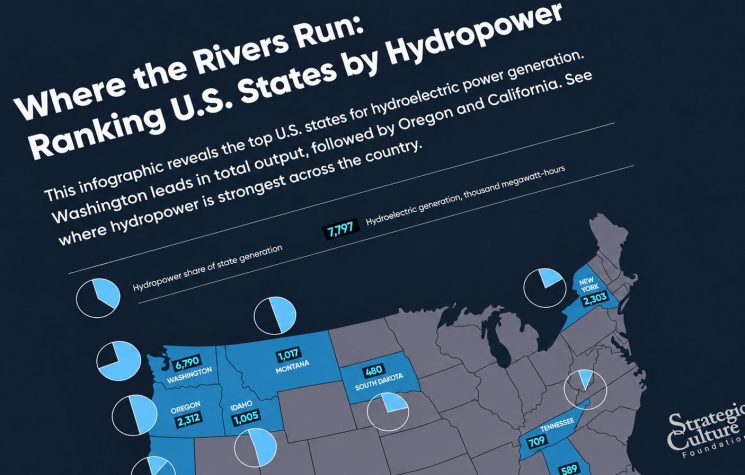



This infographic reveals the top U.S. states for hydroelectric power generation. Washington leads in total output, followed by Oregon and California. See where hydropower is strongest across the country.
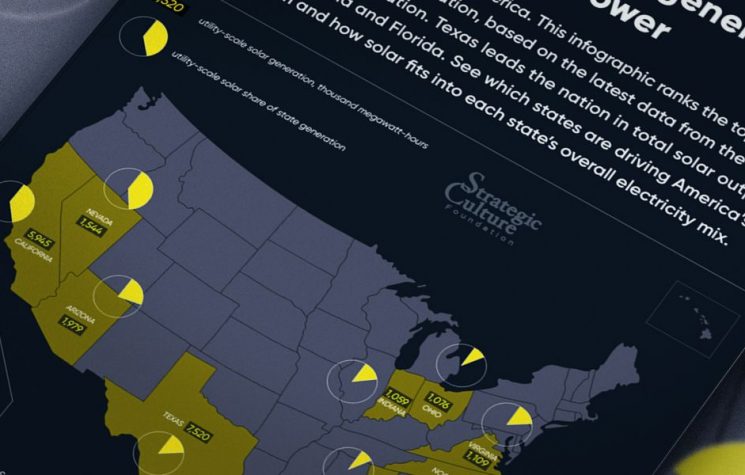
Solar power is surging across America. This infographic ranks the top U.S. states for utility-scale solar generation, based on the latest data from the U.S. Energy Information Administration. Texas leads the nation in total solar output, followed by California and Florida. See which states are driving America’s solar energy boom and how solar fits into each state’s overall electricity mix.
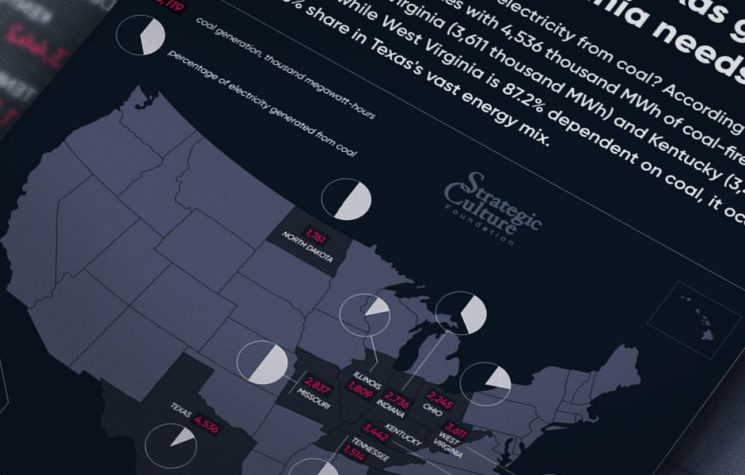
Which states generate the most electricity from coal? According to May 2026 EIA data, Texas leads all states with 4,536 thousand MWh of coal-fired generation, followed by West Virginia (3,611 thousand MWh) and Kentucky (3,442 thousand MWh). But while West Virginia is 87.2% dependent on coal, it occupies a modest 8.95% share in Texas’s vast energy mix.
This infographic reveals the top U.S. states for wind power generation. Texas leads all states by a wide margin, followed by Iowa, Oklahoma, Kansas, and Illinois. From the Great Plains to the Midwest, discover which states are leading America’s wind energy boom.
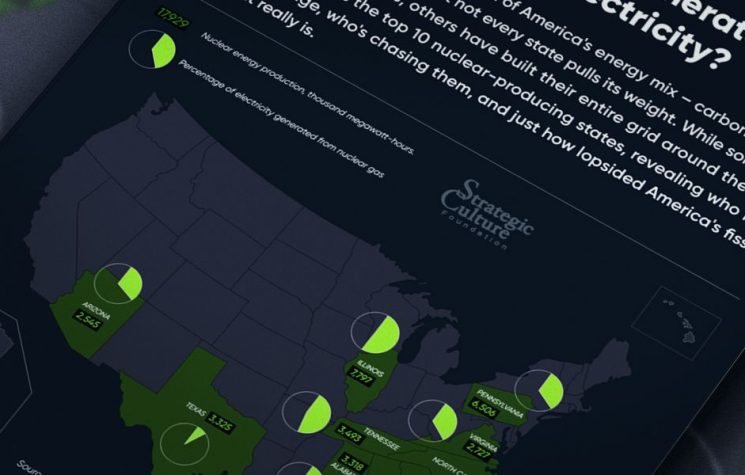
Nuclear power is the quiet giant of America’s energy mix – carbon-free, constant, and controversial. But not every state pulls its weight. While some states have banned reactors, others have built their entire grid around them. This infographic ranks the top 10 nuclear-producing states, revealing who leads the atomic age, who’s chasing them, and just how lopsided America’s fission footprint really is.
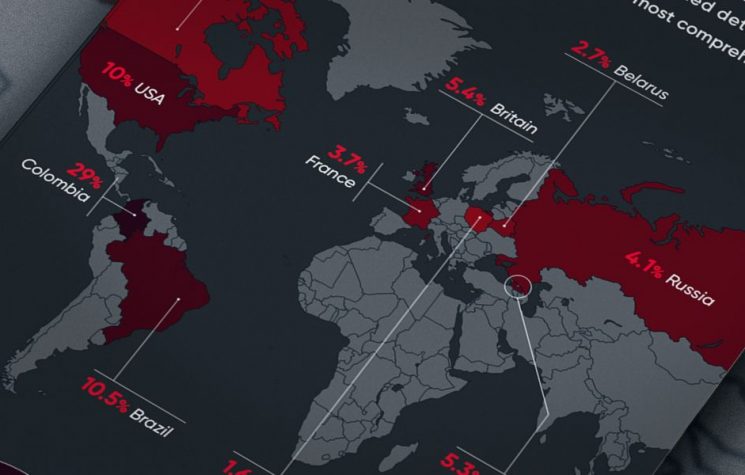
In early August 2026, Ukrainian military ombudsman Olga Reshetilova revealed that approximately 16,000 foreign mercenaries from at least 72 countries are currently fighting in Ukraine. Nearly 40% of them, she noted, come from Latin American nations. While precise nationality data remains elusive, this infographic draws on the work of French war correspondent Laurent Braillard, who compiled detailed profiles of roughly 6,000 mercenaries – offering the most comprehensive breakdown available.
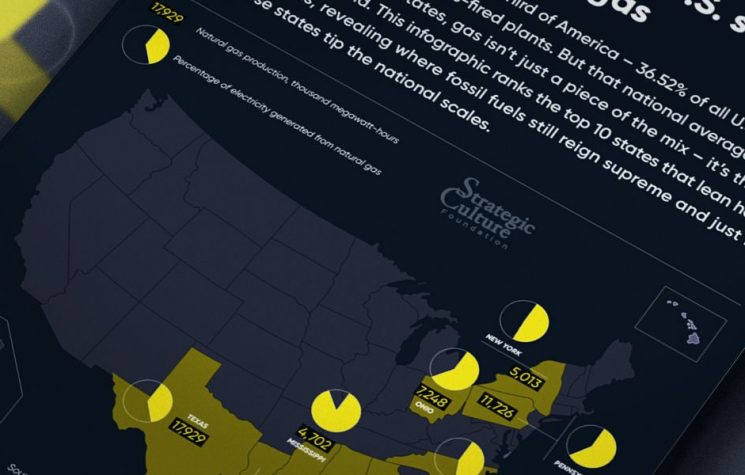
Natural gas powers more than a third of America – 36.52% of all U.S. electricity in March 2026 came from gas-fired plants. But that national average tells only half the story. In some states, gas isn’t just a piece of the mix – it’s the entire backbone of the grid. This infographic ranks the top 10 states that lean hardest on natural gas, revealing where fossil fuels still reign supreme and just how much those states tip the national scales.
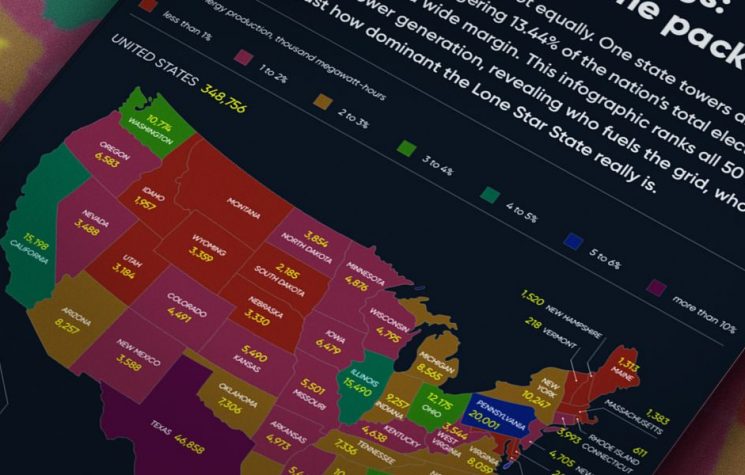
America runs on electricity – but not equally. One state towers above the rest. Texas alone generates a staggering 13.44% of the nation’s total electricity, more than any other state by a wide margin. This infographic ranks all 50 states by their share of U.S. power generation, revealing who fuels the grid, who barely registers, and just how dominant the Lone Star State really is.